Are Heat Sinks Used in Electric Vehicle Applications?
- Yongxing
- 26 May ,2026
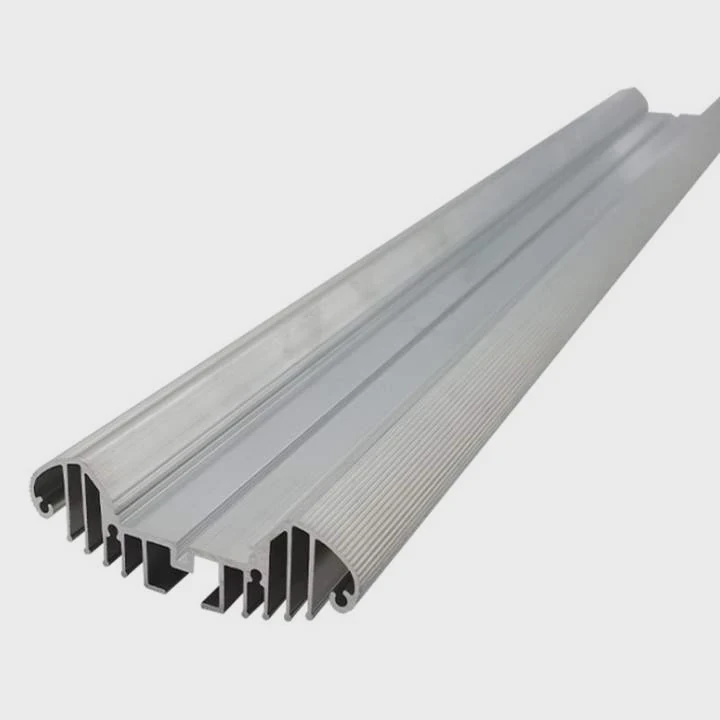
Electric vehicles create a lot of heat during fast charging, power conversion, and high-speed driving. Poor thermal control can reduce efficiency, shorten component life, and even cause safety risks.
Yes, heat sinks are widely used in electric vehicle applications. They help remove heat from batteries, power electronics, onboard chargers, inverters, and electric motors. Proper heat sink design improves efficiency, protects sensitive parts, and supports longer EV system life.
Electric vehicles continue to move toward higher power density and faster charging speeds. This trend makes thermal management more important than ever. Heat sinks are now a key part of EV system design because they support stable temperatures under heavy operating conditions. Different EV systems need different cooling structures, materials, and manufacturing methods. Understanding these differences helps engineers choose better thermal solutions for long-term performance.
Which EV components need heat sinks?
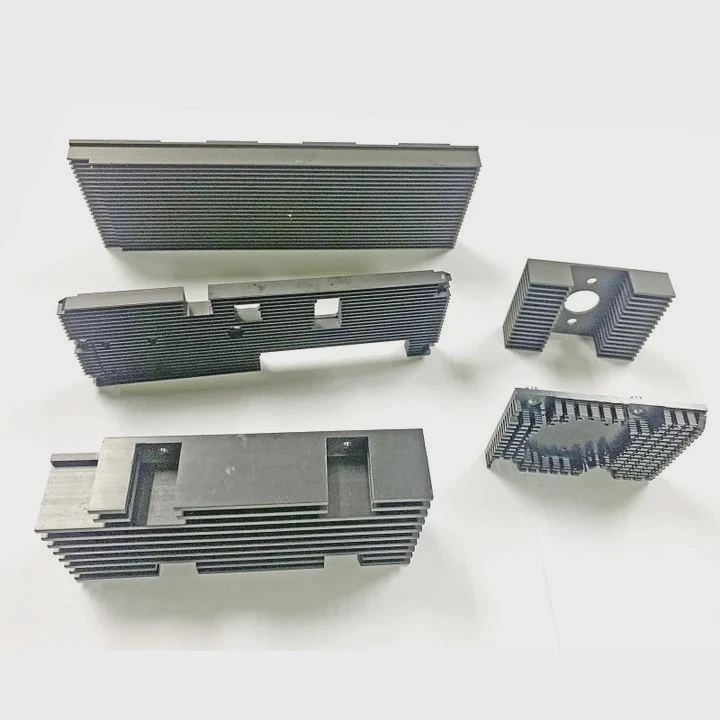
Electric vehicles contain many high-power electronic systems. These systems generate heat every second during charging, acceleration, and energy conversion. Without proper cooling, performance drops quickly and component reliability suffers.
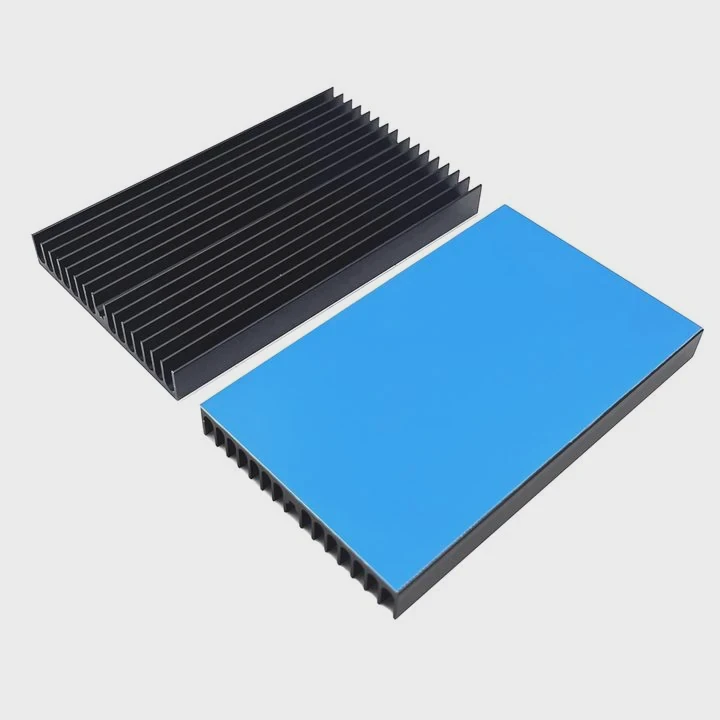
Many EV components need heat sinks, including battery management systems, inverters, DC-DC converters, onboard chargers, power modules, LED lighting systems, and electric drive motors. These parts generate heat during operation and require thermal control to maintain stable performance and long service life.
Heat generation inside an EV is not limited to one single area. Modern electric vehicles work like large mobile power systems. Every energy conversion process creates heat. If this heat stays trapped inside electronic components, temperatures rise fast and damage sensitive materials.
Main EV Systems That Use Heat Sinks
The inverter is one of the most important thermal management targets in an EV. It converts DC power from the battery into AC power for the motor. This process creates significant heat because of high switching frequencies and power loads.
The onboard charger also creates heat during charging cycles. Fast charging systems increase thermal stress even more. High temperatures inside chargers can lower charging efficiency and reduce component lifespan.
Battery management systems use heat sinks to cool power control boards and semiconductor devices. Even small temperature rises can affect monitoring accuracy and battery safety.
Electric motors also need thermal support. Heat builds inside stators, rotors, and surrounding control electronics. Many EV manufacturers combine motor cooling systems with aluminum heat sink structures to improve heat transfer.
Heat Sink Requirements in EV Components
Different EV systems need different heat sink designs. Some systems need lightweight aluminum extrusions. Others need liquid cooling plates or vapor chamber structures.
| EV Component | Main Heat Source | Common Heat Sink Type |
|---|---|---|
| Inverter | Power semiconductors | Liquid cold plate |
| Onboard charger | Power conversion circuits | Aluminum heat sink |
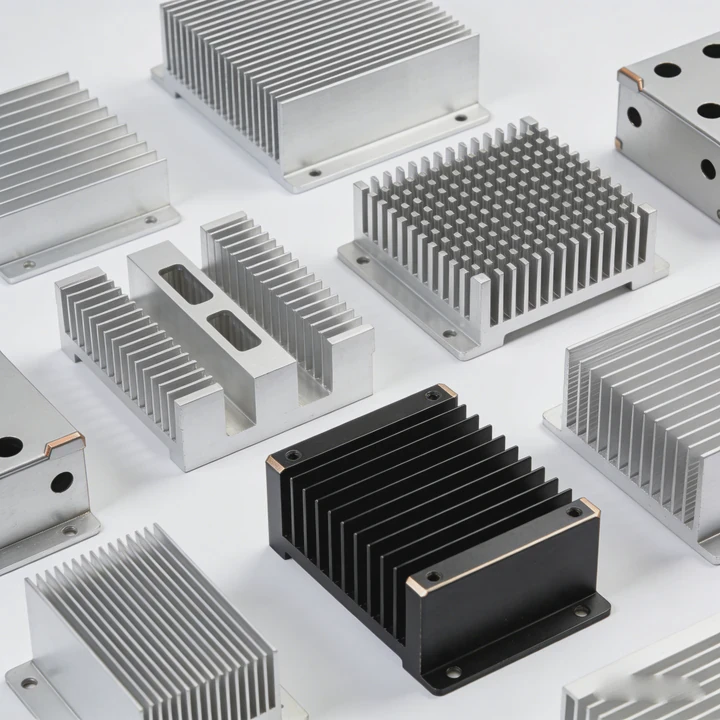
| Battery management system | MOSFETs and ICs | Extruded heat sink |
| Electric motor controller | Switching devices | Skived fin heat sink |
| LED lighting | High-power LEDs | Die-cast aluminum heat sink |
Why Heat Sink Design Matters in EVs
Thermal failure often starts slowly. At first, temperatures only reduce efficiency. Later, solder joints crack, semiconductor materials weaken, and thermal cycling damages structures.
Many EV customers now expect faster charging and longer driving range. These demands increase thermal density inside vehicles. This means designers must remove more heat from smaller spaces.
That is why many EV manufacturers now prefer integrated thermal systems. These systems combine liquid cooling channels, heat sinks, vapor chambers, and thermal interface materials into one structure.
In recent projects, many thermal engineers also focus on lightweight design. Heavy cooling systems reduce vehicle efficiency. Aluminum heat sinks remain popular because they provide good thermal conductivity while keeping vehicle weight low.
Vacuum brazing, friction stir welding, and liquid cooling integration have also become common in advanced EV heat sink production. These processes improve thermal resistance and structural reliability under vibration and long-term cycling conditions.
Do battery packs require special cooling?
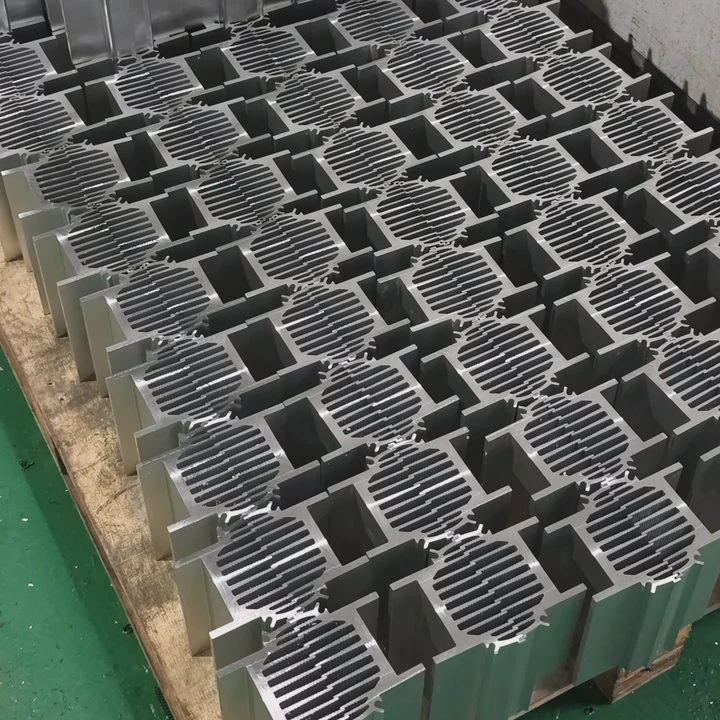
Battery packs operate under continuous charging and discharging cycles. Heat builds quickly during fast charging and high-load driving. Poor cooling can lead to reduced battery life, thermal runaway, and safety problems.
Yes, EV battery packs require special cooling systems. Most modern battery packs use liquid cooling plates, aluminum heat sinks, phase change materials, or integrated thermal modules to maintain safe and stable operating temperatures across all battery cells.
Battery temperature control is one of the biggest challenges in electric vehicle thermal management. Lithium-ion cells perform best within a narrow temperature range. If temperatures rise too high, battery aging accelerates. If temperatures become uneven, cell balancing problems appear.
Why Battery Cooling Is So Important
Fast charging creates large thermal loads inside battery cells. High current flow increases internal resistance heating. During repeated charging cycles, this heat accumulates rapidly.
Thermal runaway is another serious concern. One overheated cell can spread heat to nearby cells. This chain reaction may damage the entire battery pack.
Battery cooling systems help prevent this situation by maintaining temperature uniformity across all modules.
Common EV Battery Cooling Methods
Most modern EV manufacturers use liquid cooling because it removes heat more efficiently than air cooling.
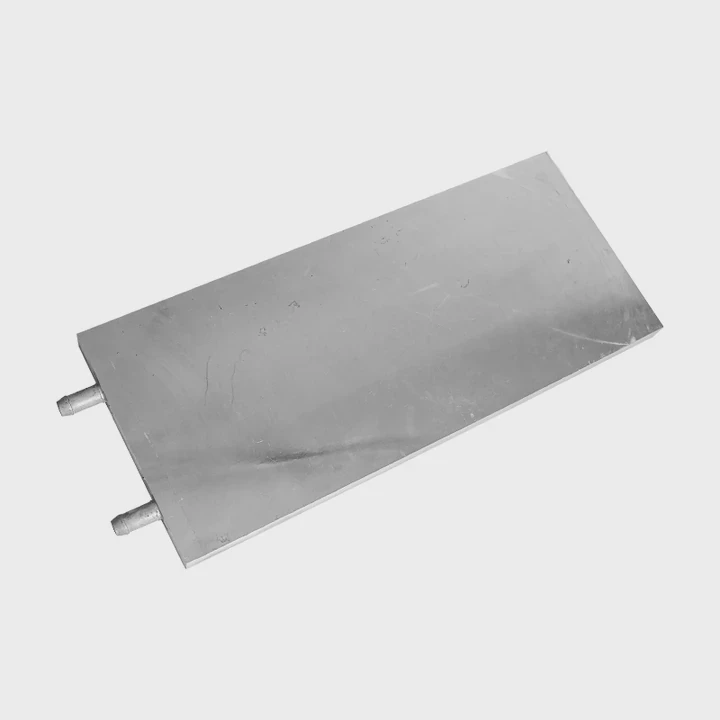
Cold plates are usually installed beneath battery modules. Coolant flows through internal channels and transfers heat away from the cells.
Some advanced battery systems also use phase change materials. These materials absorb heat during temperature spikes and help stabilize short-term thermal loads.
| Cooling Method | Advantages | Limitations |
|---|---|---|
| Air cooling | Low cost and simple structure | Lower cooling efficiency |
| Liquid cooling | High thermal performance | Higher system complexity |
| Phase change cooling | Excellent transient heat control | Material cost |
| Refrigerant cooling | Fast cooling response | Complex integration |
Battery Cooling and Fast Charging
As charging power increases from 150kW to 350kW and beyond, battery cooling becomes even more important. Heat generation rises sharply during ultra-fast charging.
Some battery packs now integrate cooling channels directly into structural components. This design reduces thermal resistance and improves space utilization.
Engineers also use thermal simulation tools to predict heat distribution before production starts. These simulations help optimize coolant flow, fin structures, and thermal contact surfaces.
The Shift Toward Integrated Thermal Modules
Traditional battery cooling systems often used separate cooling parts. Today, many EV manufacturers prefer integrated thermal modules.
These modules combine:
- Cooling plates
- Structural supports
- Thermal sensors
- Heat spreaders
- Thermal interface materials
This integrated approach reduces weight and improves manufacturing efficiency.
Vacuum brazed liquid cooling plates have become especially important in high-power EV platforms. They provide strong sealing performance and low thermal resistance under continuous operation.
Many OEMs also request strict vibration testing, thermal cycling testing, and corrosion testing for battery cooling structures. EV thermal systems must survive long operating periods under difficult road conditions.
Battery cooling is no longer just a support function. It directly affects charging speed, driving range, safety, and overall vehicle reliability.
Can motor efficiency improve with heat sinks?
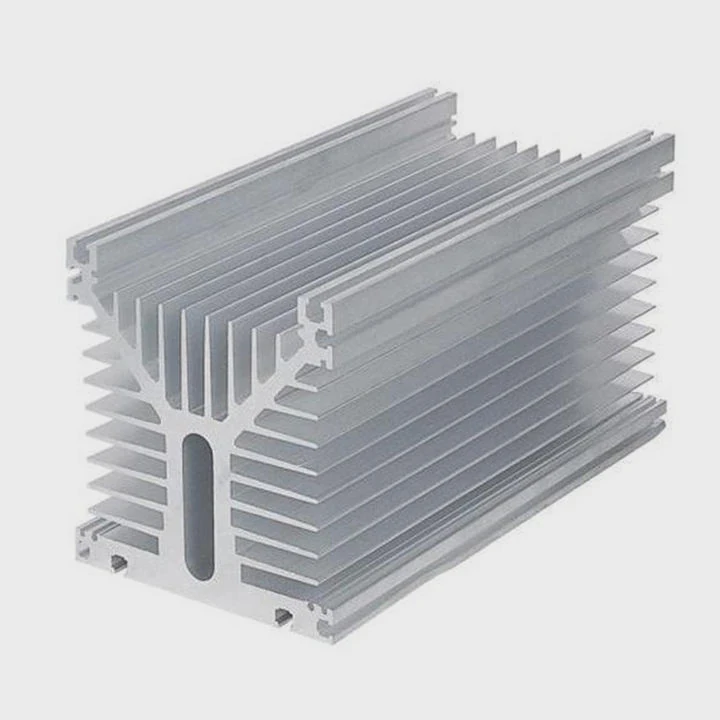
Electric motors lose efficiency when temperatures rise too high. Heat increases electrical resistance and weakens magnetic performance. Poor thermal management can reduce motor output and shorten service life.
Yes, heat sinks can improve electric motor efficiency by reducing operating temperatures, lowering electrical resistance, protecting magnetic materials, and supporting stable motor performance under high loads and continuous operation.
Motor efficiency and thermal control are directly connected. Many engineers focus only on electrical design, but thermal management plays an equally important role in real-world EV operation.
How Heat Affects EV Motors
As motor temperature rises, copper winding resistance increases. Higher resistance creates more energy loss. This reduces motor efficiency and increases power consumption.
High temperatures also affect permanent magnets inside the motor. Excessive heat can weaken magnetic strength over time. In severe cases, partial demagnetization may occur.
Bearings, insulation materials, and surrounding electronics also suffer under continuous thermal stress.
Heat Sink Solutions for EV Motors
Different motor types use different cooling strategies. Some systems rely on external finned aluminum housings. Others use liquid cooling jackets or integrated cold plates.
Many EV motors combine several thermal methods together:
- Air cooling fins
- Liquid cooling channels
- Heat spreaders
- Thermal interface materials
- Integrated housing heat sinks
Comparison of Motor Cooling Approaches
| Cooling Type | Typical Application | Performance Level |
|---|---|---|
| Natural air cooling | Small EV systems | Basic |
| Forced air cooling | Medium power motors | Moderate |
| Liquid cooling jacket | High-performance EVs | High |
| Integrated cooling plate | Ultra-high power systems | Very high |
Why Thermal Stability Improves Efficiency
Motor systems work best under stable temperatures. Thermal fluctuations create uneven expansion inside components. This affects mechanical alignment and electromagnetic performance.
Efficient heat sinks help maintain stable operating conditions. Stable temperatures allow the motor to maintain higher efficiency across wider driving conditions.
This becomes especially important in:
- High-speed acceleration
- Hill climbing
- Heavy-load transport
- Long driving cycles
- Fast regenerative braking
Lightweight Heat Sinks for EV Motors
Weight reduction remains a major design goal in EV development. Heavy cooling structures increase vehicle energy consumption.
For this reason, aluminum heat sinks are widely used in motor systems. Aluminum offers a strong balance between thermal conductivity, manufacturability, corrosion resistance, and low weight.
Some advanced EV systems also use:
Vapor Chamber Structures
Vapor chambers spread heat quickly across wider surfaces. They help reduce hot spots near concentrated thermal sources.
Friction Stir Welded Cooling Structures
These structures improve sealing strength and thermal transfer performance. They are common in high-vibration EV environments.
Integrated Housing Cooling
Some EV designers now build cooling channels directly into the motor housing itself. This reduces assembly complexity and improves heat transfer efficiency.
As EV power density continues to rise, motor thermal management will become even more critical. Heat sink design is now closely connected to motor efficiency targets, power output stability, and long-term durability.
How do EV designers select heat sink types?
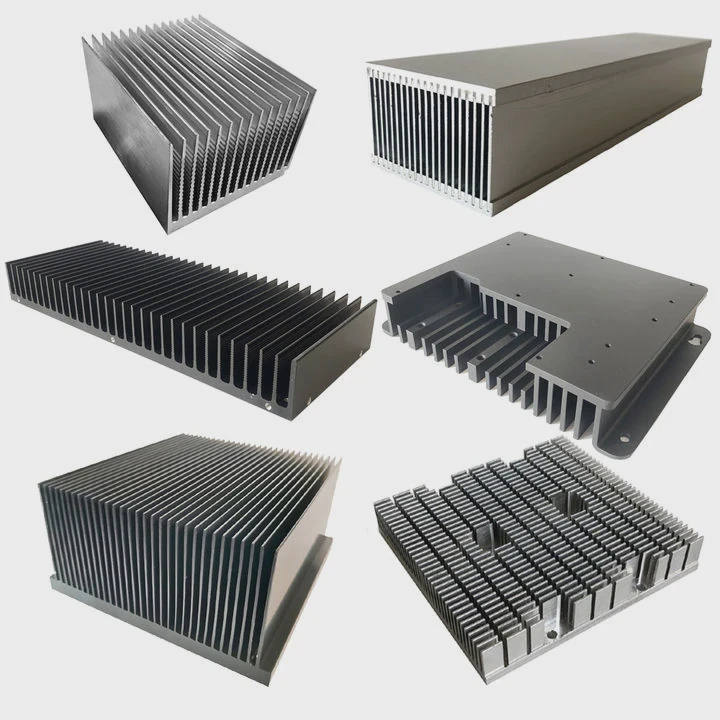
Choosing the wrong heat sink can cause overheating, system instability, and high manufacturing costs. EV thermal systems must balance cooling performance, weight, reliability, and available installation space.
EV designers select heat sink types based on heat load, airflow conditions, coolant availability, weight targets, installation space, manufacturing process, and long-term reliability requirements. Different EV systems require different thermal management strategies.
Heat sink selection is never based on only one factor. Engineers must evaluate thermal performance together with mechanical, electrical, and manufacturing constraints.
Step 1: Analyze Heat Generation
The first step is thermal load analysis. Engineers calculate how much heat the component generates during normal and peak operation.
Power semiconductors, battery modules, and motors all produce different heat profiles. Some generate steady heat. Others create rapid thermal spikes.
Simulation tools help engineers predict thermal distribution before prototype production starts.
Step 2: Evaluate Cooling Conditions
The available cooling environment strongly affects heat sink design.
If airflow is limited, passive air cooling may not work well. In high-power systems, liquid cooling often becomes necessary.
Designers also evaluate:
- Ambient temperature
- Vehicle vibration
- Dust exposure
- Water resistance
- Coolant compatibility
Step 3: Select Heat Sink Material
Material selection affects thermal conductivity, weight, corrosion resistance, and manufacturing cost.
Aluminum remains the most common EV heat sink material because it offers a strong balance between performance and weight.
Copper provides higher thermal conductivity, but it increases system weight and cost.
| Material | Thermal Conductivity | Weight | Typical EV Usage |
| Aluminum | Good | Light |
| Copper | Very high | Heavy |
| Graphite composite | High | Very light |
Step 4: Choose Manufacturing Process
Different heat sink structures require different production methods.
Extrusion works well for standard aluminum fin structures. Skiving supports higher fin density. Vacuum brazing is common for liquid cooling plates.
Some advanced EV projects also use:
Friction Stir Welding
This process creates strong joints with excellent thermal conductivity. It is widely used in battery cooling plates and structural thermal modules.
Vacuum Brazing
Vacuum brazing allows complex internal cooling channels with strong sealing performance.
Die Casting
Die casting supports large-volume production with integrated structural features.
Step 5: Balance Performance and Cost
High-performance cooling systems are often more expensive. Designers must balance thermal performance with production budget and long-term reliability goals.
For example, a racing EV may use advanced liquid cooling systems with vapor chambers. A lower-cost city EV may use simpler aluminum extrusion cooling solutions.
Why Custom Heat Sinks Matter in EVs
Standard heat sinks rarely fit modern EV platforms perfectly. Space inside electric vehicles is limited, and thermal density continues to increase.
Custom thermal solutions allow engineers to optimize:
- Cooling performance
- Weight reduction
- Installation space
- Structural strength
- Manufacturing efficiency
This is why many EV manufacturers now prefer OEM and ODM thermal suppliers that can provide complete thermal analysis, prototype support, and mass production capabilities together.
The future of EV heat sink technology will likely focus on integrated thermal structures, lighter materials, and higher cooling efficiency for next-generation fast charging and high-power electric drive systems.
Conclusion
Heat sinks play a critical role in electric vehicle applications. They protect batteries, motors, power electronics, and charging systems from overheating. As EV power density and charging speed continue to rise, advanced thermal management solutions will become even more important for efficiency, safety, and long-term reliability.