Are RoHS-Compliant Heat Sinks Available?
- Yongxing
- 26 May ,2026

Many buyers worry that heat sinks may contain restricted substances that create export risks, compliance failures, or customer rejection. This problem becomes more serious in global electronics supply chains.
Yes, RoHS-compliant heat sinks are widely available. Most modern aluminum and copper heat sinks for electronics, telecom, medical, and industrial equipment are designed to meet RoHS requirements by controlling hazardous substances during material selection and manufacturing.
Many electronic manufacturers now treat RoHS compliance as a basic purchasing requirement instead of an optional feature. Heat sinks may look simple, but they still involve raw materials, coatings, solders, plating, adhesives, and manufacturing chemicals. Every one of these elements can affect compliance status.
Heat sink buyers also face increasing pressure from global regulations. Europe, North America, Japan, and many Asian markets now expect suppliers to provide clear environmental compliance documentation. Because of this, RoHS compliance has become part of normal supplier qualification.
Which materials meet RoHS standards?
Some heat sink materials naturally support RoHS compliance, while others require stricter process control to avoid restricted substances. Material selection directly affects certification success.
Most aluminum alloys, copper materials, thermal interface materials, and environmentally safe surface treatments can meet RoHS standards when manufacturers properly control hazardous substances like lead, cadmium, mercury, and hexavalent chromium.
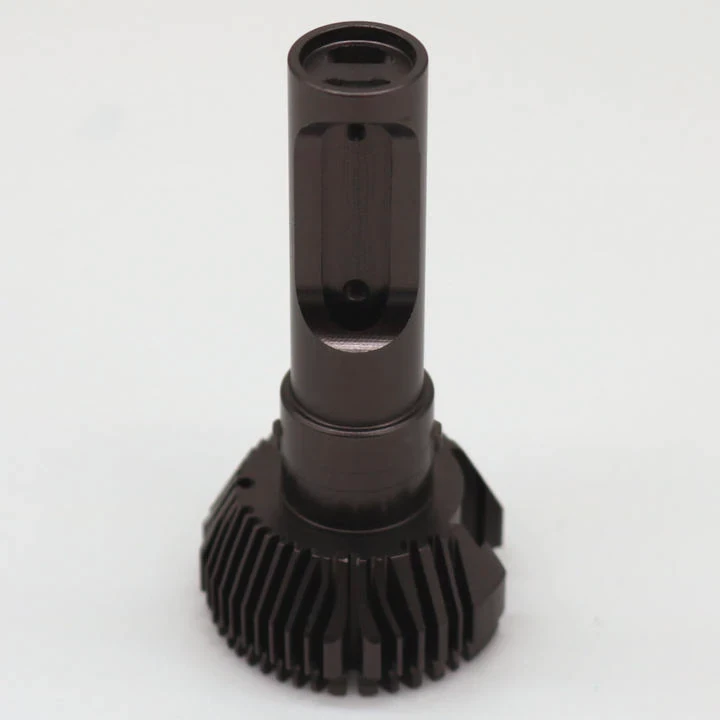
RoHS stands for Restriction of Hazardous Substances. The regulation limits the use of specific harmful materials in electrical and electronic equipment.
The restricted substances mainly include:
| Restricted Substance | Maximum Allowed Concentration |
|---|---|
| Lead (Pb) | 0.1% |
| Mercury (Hg) | 0.1% |
| Cadmium (Cd) | 0.01% |
| Hexavalent Chromium (Cr6+) | 0.1% |
| PBB | 0.1% |
| PBDE | 0.1% |
Modern heat sink manufacturing already avoids many of these substances because customers demand cleaner production processes.
Aluminum Alloys Commonly Meet RoHS Requirements
Aluminum is one of the most widely used RoHS-friendly heat sink materials.
Common alloys include:
- AL6061
- AL6063
- AL1050
- AL1070
These materials offer several advantages:
- High thermal conductivity
- Lightweight structure
- Good corrosion resistance
- Easy machining
- Stable anodizing performance
Most aluminum suppliers already provide RoHS-compliant raw materials because the electronics market requires it.
Still, manufacturers must verify the full supply chain instead of assuming compliance automatically.
Copper Materials Also Support RoHS Production
Copper heat sinks are common in high-power applications because copper transfers heat very efficiently.
Typical copper grades include:
- C1100
- T2 copper
- Oxygen-free copper
These materials can meet RoHS standards when smelting and plating processes remain controlled.
However, copper processing may involve:
- Soldering
- Nickel plating
- Brazing materials
These secondary materials require careful verification.
Surface Treatments Matter
Some heat sink surface treatments historically used hazardous substances.
Older chromate conversion coatings sometimes contained hexavalent chromium, which RoHS restricts heavily.
Modern RoHS-compliant alternatives include:
| Surface Treatment | RoHS Compatibility |
|---|---|
| Clear anodizing | Excellent |
| Black anodizing | Excellent |
| Nickel plating | Usually compliant |
| Powder coating | Good |
| Hexavalent chromium coating | Restricted |
Many buyers focus only on the base metal while forgetting the surface process.
In reality, coatings often create the largest compliance risks.
Thermal Interface Materials Must Also Comply
Heat sinks often use:
- Thermal pads
- Thermal grease
- Adhesives
- Gap fillers
These materials also fall under RoHS requirements in many applications.
Low-cost thermal compounds sometimes contain restricted additives. Reliable suppliers usually provide separate RoHS declarations for interface materials.
Solders and Brazing Materials Need Attention
Vacuum brazed heat sinks and vapor chambers may use filler materials.
Older solder systems often contained lead.
Today, lead-free alternatives are common, including:
- Tin-silver alloys
- Tin-copper systems
- Silver-based brazing materials
Still, process verification remains important because mixed-material supply chains can create hidden risks.
Plastic Components and Fan Assemblies
Some heat sinks include:
- Fan frames
- Plastic ducts
- Cable insulation
- Connector parts
These components must also meet RoHS requirements.
A compliant aluminum heat sink alone does not guarantee the full cooling assembly remains compliant.
Material Traceability Improves Compliance Reliability
Strong manufacturers usually build traceability systems that track:
- Raw material batches
- Surface treatment chemicals
- Supplier certifications
- Production records
This helps customers verify compliance during audits.
For industries like medical electronics or rail transportation, traceability often matters as much as the material itself.
Do RoHS heat sinks cost more?
Some buyers assume RoHS compliance always increases heat sink cost. The real answer depends on material sourcing, certification needs, and production control.
RoHS-compliant heat sinks may cost slightly more due to testing, documentation, compliant coatings, and controlled supply chains. However, for most standard aluminum heat sinks, the price difference is usually small in large-scale production.
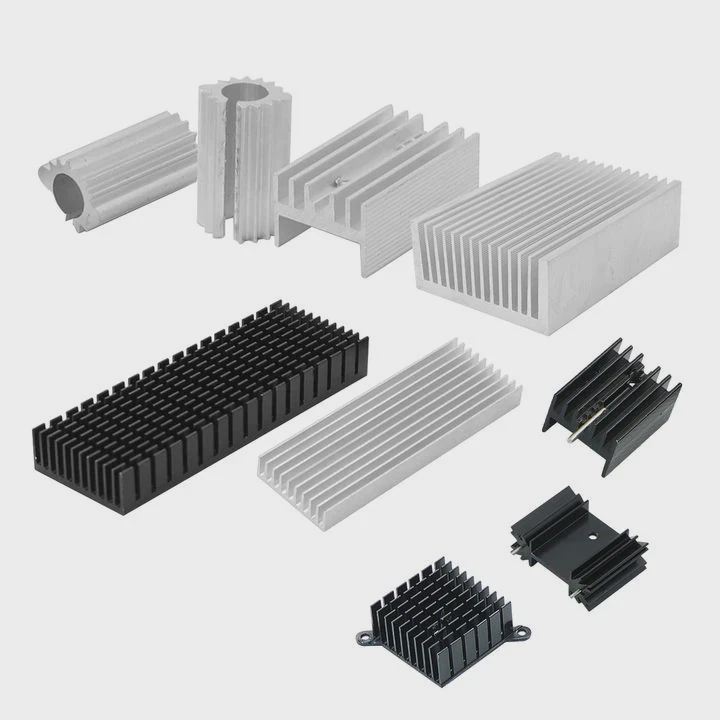
The cost impact of RoHS compliance has changed significantly over the past decade.
Years ago, compliant materials and coatings were less common. Manufacturers often charged noticeable premiums.
Today, many factories already produce RoHS-compliant products by default because global electronics markets demand it.
Material Cost Increases Are Usually Small
Most standard aluminum and copper materials already support RoHS compliance.
The raw material price difference is often minimal because:
- Compliant alloys are widely available
- Electronics industries already require them
- Supply chains have matured
For standard extruded aluminum heat sinks, RoHS compliance may add almost no visible material cost.
Certification and Testing Add Expense
The larger cost increase often comes from verification activities.
These may include:
- Third-party laboratory testing
- XRF screening
- Material analysis
- Compliance documentation
- Supplier audits
Some customers require annual testing updates.
This increases administrative and quality management costs.
Surface Treatment Costs May Rise
Certain older coatings are cheaper but cannot meet modern RoHS requirements.
Environmentally safer alternatives sometimes involve:
- Better chemical control
- Waste treatment systems
- Cleaner process lines
These improvements increase operating cost for manufacturers.
Still, most professional suppliers already use RoHS-compatible anodizing and plating systems.
Small Orders Often Feel the Cost More
Compliance overhead spreads more efficiently across large production volumes.
For example:
| Production Volume | RoHS Cost Impact |
|---|---|
| Prototype quantity | Higher |
| Medium batch | Moderate |
| Large volume | Lower |
A small prototype project may feel expensive because testing and paperwork costs divide across fewer units.
Large OEM projects usually absorb these costs much more efficiently.
Hidden Cost Savings Exist
RoHS compliance can also reduce business risk.
Non-compliant heat sinks may create:
- Customs rejection
- Customer penalties
- Product recalls
- Delayed certification
- Brand damage
These risks often cost far more than the compliance process itself.
Global Customers Expect Compliance
Many industries now treat RoHS compliance as mandatory.
Examples include:
- Consumer electronics
- Telecom equipment
- Medical systems
- Industrial automation
- Energy storage systems
Without compliance support, suppliers may lose access to important markets.
Reliable Suppliers Build Compliance Into Production
Strong manufacturers no longer treat RoHS as a special request.
Instead, they integrate compliance into:
- Raw material purchasing
- Production process control
- Surface treatment management
- Inspection systems
This helps reduce additional compliance cost over time.
Cheap Suppliers Sometimes Create Compliance Risk
Some low-cost suppliers may claim RoHS compliance without full verification.
This creates several dangers:
- Incomplete documentation
- Mixed material batches
- Uncontrolled subcontractors
- False declarations
Technical buyers should evaluate supplier quality systems carefully instead of choosing only by price.
How to verify compliance for heat sinks?
Many buyers receive vague compliance claims without real evidence. Proper verification requires technical documents, testing records, and supplier process control.
Heat sink RoHS compliance is verified through RoHS certificates, material declarations, laboratory testing, XRF analysis, supplier audits, and traceable manufacturing records that confirm restricted substances remain below legal limits.
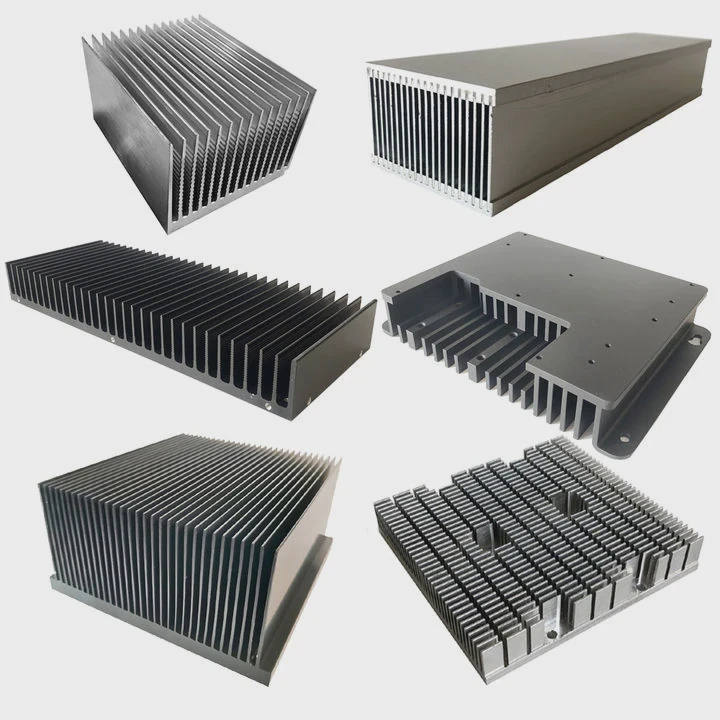
Verification is critical because RoHS compliance is not based on appearance.
A heat sink may look identical whether it complies or not.
The only reliable approach is documented verification.
RoHS Declaration Documents
Most suppliers provide a RoHS declaration certificate.
This document usually confirms that:
- Restricted substances remain below limits
- Production follows RoHS requirements
- Materials were evaluated properly
Still, buyers should understand that declarations alone may not guarantee full compliance.
The quality of supplier control matters greatly.
XRF Screening Is Common
X-ray fluorescence testing, often called XRF, is widely used for fast screening.
XRF systems can detect elements such as:
- Lead
- Cadmium
- Mercury
- Chromium
Advantages include:
| XRF Advantage | Benefit |
|---|---|
| Fast testing | Quick screening |
| Non-destructive | Product remains usable |
| Portable systems | On-site verification |
| Low operating cost | Efficient batch checks |
However, XRF may not fully detect every restricted compound with laboratory-level precision.
Third-Party Laboratory Testing
Critical industries often require independent laboratory testing.
Labs may use advanced methods such as:
- ICP analysis
- Wet chemical analysis
- Gas chromatography
Third-party testing improves credibility during customer audits.
This is common in:
- Automotive electronics
- Aerospace systems
- Medical devices
- Rail transportation equipment
Supplier Audits Improve Reliability
Strong OEM buyers often audit suppliers directly.
Audits may review:
- Material purchasing systems
- Chemical storage
- Surface treatment lines
- Process records
- Traceability systems
This helps buyers confirm that compliance is controlled continuously instead of only during sample production.
Material Traceability Systems Matter
Reliable heat sink factories usually maintain traceability systems.
These systems connect:
- Raw material batches
- Production dates
- Operators
- Inspection records
- Surface treatment lots
Traceability becomes very important when customers investigate field failures or compliance concerns.
REACH and RoHS Are Often Reviewed Together
Many buyers request both:
- RoHS compliance
- REACH compliance
These regulations are different but related.
RoHS controls restricted hazardous substances in electronic products.
REACH focuses more broadly on chemical safety and substance registration.
Many international customers ask suppliers to provide both declarations at the same time.
Compliance Verification Should Continue During Production
One-time approval is not enough.
Materials and subcontractors can change over time.
Good manufacturers perform periodic:
- Incoming material checks
- Supplier reviews
- Batch inspections
- Process audits
This helps maintain long-term compliance consistency.
What Buyers Should Request
Technical buyers often request these documents before approval:
| Document Type | Purpose |
|---|---|
| RoHS declaration | Compliance confirmation |
| Material certificate | Raw material verification |
| XRF report | Screening evidence |
| Third-party lab report | Independent validation |
| Process audit report | Manufacturing control review |
This documentation reduces risk during international business.
Can electronic applications require RoHS heat sinks?
Many electronic products cannot legally enter certain markets without RoHS compliance. Heat sinks become part of the regulated electronic assembly.
Yes, many electronic applications legally require RoHS-compliant heat sinks because the cooling components become part of the finished electrical or electronic equipment covered by environmental regulations.
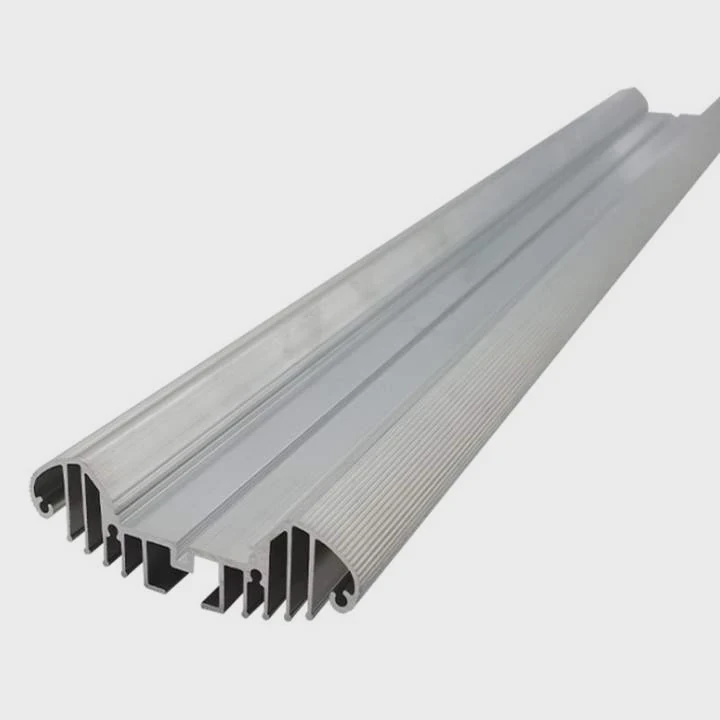
RoHS regulations apply mainly to electrical and electronic equipment sold into regulated markets.
This includes many industries that use heat sinks heavily.
Consumer Electronics Commonly Require RoHS
Products such as:
- Computers
- Gaming systems
- Power supplies
- LED lighting
- Telecom devices
usually require full RoHS compliance.
Even a small non-compliant heat sink component may prevent product certification.
Industrial Electronics Also Face Compliance Pressure
Industrial systems once had more exemptions, but global standards continue becoming stricter.
Applications now commonly requiring RoHS support include:
- Industrial control cabinets
- Automation systems
- Energy storage systems
- EV charging equipment
- Communication infrastructure
Large OEM customers usually require compliance declarations from every supplier in the chain.
Medical Electronics Often Require Strong Documentation
Medical equipment buyers usually request strict environmental documentation.
This may include:
- RoHS
- REACH
- Material traceability
- Biocompatibility information
Cooling systems for medical lasers and imaging systems often undergo detailed supplier qualification.
Export Markets Depend on Compliance
Europe remains one of the strongest drivers of RoHS requirements.
Still, many other regions now follow similar environmental rules.
Countries and regions with strong compliance expectations include:
- European Union
- United Kingdom
- Japan
- South Korea
- China
- California markets
Many international distributors refuse non-compliant products completely.
Heat Sinks Become Part of the Final Product
Some buyers incorrectly assume passive metal parts do not matter.
In reality, heat sinks become integrated into electronic assemblies.
This means:
- Coatings matter
- Solder materials matter
- Adhesives matter
- Surface chemicals matter
Compliance evaluation often covers the entire thermal module.
Non-Compliance Creates Serious Risks
Using non-compliant heat sinks may create:
- Customs delays
- Shipment rejection
- Regulatory fines
- Customer recalls
- Brand reputation damage
For OEM projects, these risks can become very expensive.
Compliance Helps Long-Term Supplier Partnerships
Large electronics manufacturers usually prefer suppliers with mature compliance systems.
Strong suppliers typically provide:
- Stable documentation
- Regular testing
- Traceability systems
- Engineering support
- Fast audit response
This improves trust during long-term cooperation.
Future Regulations May Become Stricter
Environmental regulations continue evolving.
Future requirements may involve:
- Carbon footprint reporting
- Recycled material disclosure
- PFAS restrictions
- Green manufacturing audits
Because of this, many buyers already prefer suppliers with advanced environmental management systems.
Conclusion
RoHS-compliant heat sinks are now common across global electronics industries. Material selection, surface treatment control, supplier traceability, and proper testing all play important roles in compliance. Buyers should verify documentation carefully because reliable compliance protects market access, product safety, and long-term supply chain stability.