Can heat sinks be used in building cooling systems?
- Yongxing
- 27 May ,2026
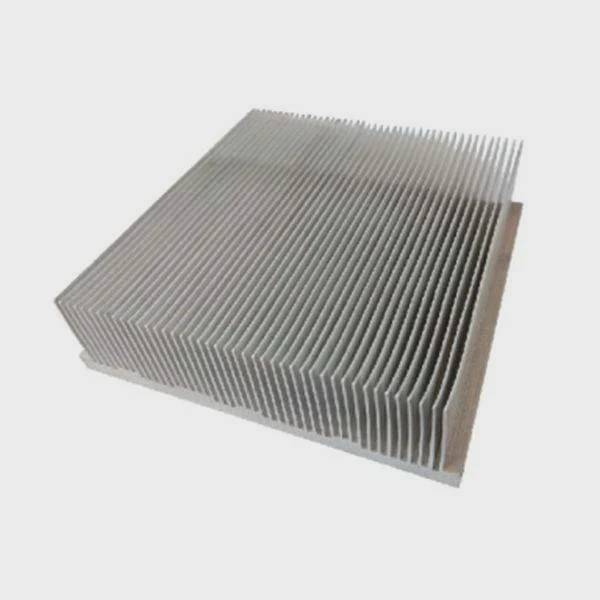
Buildings generate more heat than many people expect. Poor heat control raises energy bills, weakens system stability, and creates uncomfortable indoor conditions.
Yes, heat sinks can be used in building cooling systems. They help transfer heat away from electrical parts, HVAC modules, rooftop equipment, and passive cooling structures to improve thermal control and system efficiency.
Heat sinks are no longer limited to electronics. Modern building systems now combine smart controls, power modules, and energy-saving equipment. These systems all generate heat. A well-designed heat sink can help move that heat safely and efficiently.
Which HVAC systems integrate heat sinks?
Many HVAC failures begin with hidden thermal stress. Power electronics and control systems often overheat before the main cooling equipment shows problems.
HVAC systems that integrate heat sinks include variable frequency drives, inverter air conditioners, rooftop units, industrial ventilation systems, smart building controls, and energy recovery systems.
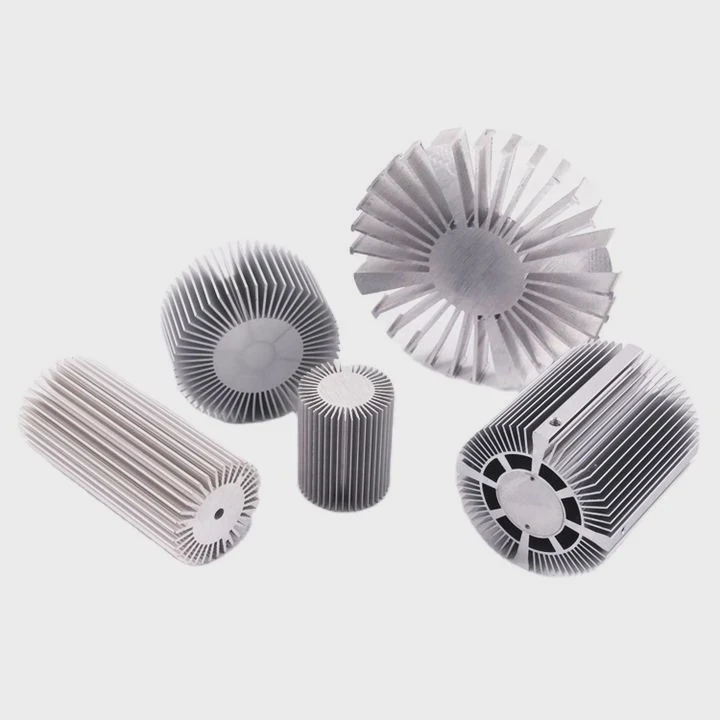
Modern HVAC systems depend heavily on electronics. In the past, cooling systems relied more on mechanical control. Today, most systems use digital sensors, inverters, drives, and smart communication modules. These parts create heat during operation. If that heat stays trapped inside the enclosure, the electronics may lose performance or fail early.
Heat sinks are commonly attached to components such as insulated gate bipolar transistors, power MOSFETs, rectifiers, and control boards. These components switch current at high speed. During this process, they generate concentrated heat in a small area. A heat sink spreads this heat into a larger surface area so air or liquid can remove it more effectively.
Common HVAC equipment using heat sinks
| HVAC equipment | Role of heat sink | Main benefit |
|---|---|---|
| Variable frequency drives | Removes heat from switching devices | Stable motor control |
| Inverter air conditioners | Cools power electronics | Better energy efficiency |
| Rooftop HVAC units | Supports thermal management | Longer equipment life |
| Smart thermostats and controls | Protects processors and circuits | Improved reliability |
| Energy recovery ventilators | Manages thermal transfer modules | Better heat exchange |
In many industrial projects, the heat sink becomes part of the enclosure design itself. Aluminum cabinet walls may act as large external heat sinks. This approach reduces the need for internal fans. It also keeps dust and moisture away from sensitive electronics. In locations such as factories, rail stations, and coastal buildings, this protection becomes very important.
Why HVAC systems need better thermal management
As energy standards become stricter, HVAC systems operate at higher efficiency levels and greater electrical density. More compact systems mean more heat in smaller spaces. Without proper thermal management, electronic parts age faster. Capacitors dry out. Semiconductors suffer thermal cycling stress. Solder joints crack over time.
Heat sinks help lower these risks by reducing operating temperatures. Lower temperature improves system stability and extends equipment lifespan. In large commercial buildings, this can reduce maintenance downtime and operating cost.
Are passive cooling designs effective in buildings?
Many buildings depend too much on mechanical cooling. This increases energy use and creates long-term operating costs.
Yes, passive cooling designs can be effective in buildings when airflow, thermal mass, shading, and heat dissipation structures such as heat sinks are designed correctly.
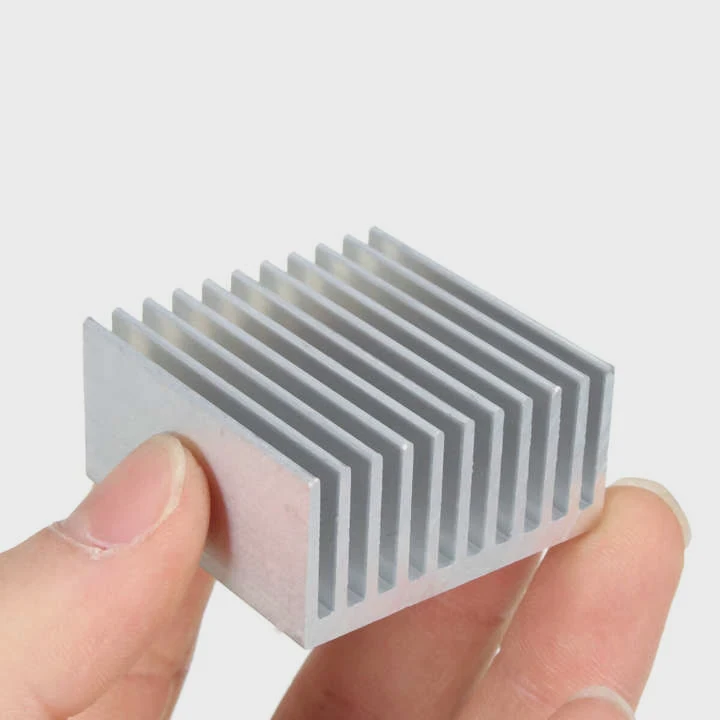
Passive cooling uses natural heat movement instead of relying only on powered equipment. The idea is simple. Heat should leave the building with minimal energy input. Heat sinks support this process because they increase the surface area available for heat transfer. In building systems, this principle can appear in walls, roofs, ventilation structures, and equipment housings.
One common passive cooling method is natural ventilation. Warm air rises and escapes through upper vents while cooler air enters from lower openings. Heat sinks can improve this process when attached to metal structures exposed to airflow. The increased surface area allows heat to spread and release more efficiently.
Passive cooling methods supported by heat sinks
| Passive cooling method | Heat sink function | Typical application |
|---|---|---|
| Natural convection ventilation | Improves heat release into airflow | Equipment rooms |
| Thermal fa?ade systems | Spreads solar heat | Building exteriors |
| Passive rooftop cooling | Dissipates roof heat | Commercial buildings |
| Heat pipe wall systems | Transfers heat away from surfaces | Green architecture |
| Metal shading structures | Acts as radiating surface | Outdoor HVAC covers |
Passive cooling works best when combined with smart building layout. Building orientation, window placement, insulation, and airflow paths all affect thermal performance. A heat sink alone cannot cool a poorly designed structure. But it can improve the efficiency of existing passive systems.
The importance of thermal mass and airflow
Buildings absorb large amounts of heat during the day. Materials such as concrete and steel store thermal energy. At night, this heat slowly releases back into the environment. Passive cooling aims to manage this cycle more effectively.
Heat sinks can help by accelerating heat transfer from hot surfaces into cooler moving air. This is especially useful in rooftop control cabinets, electrical rooms, and solar inverter systems. In these spaces, airflow may be limited, and direct fan cooling may not always be practical.
In one project discussion with a facility engineer, the biggest issue was not cooling capacity itself. The problem was uneven heat buildup inside sealed rooftop cabinets. By redesigning the aluminum enclosure with external fin structures, the thermal load spread more evenly across the surface. This lowered internal temperature without adding extra fans.
Passive cooling does not replace all HVAC systems. Large commercial buildings still require active cooling equipment. Still, passive methods supported by heat sinks can reduce thermal stress and lower energy demand.
Do rooftops benefit from heat sink installation?
Rooftops receive direct sunlight for long hours. This creates strong heat buildup that affects both equipment and building interiors.
Yes, rooftops can benefit from heat sink installation because heat sinks help dissipate solar and equipment-generated heat, reduce surface temperatures, and improve cooling system stability.
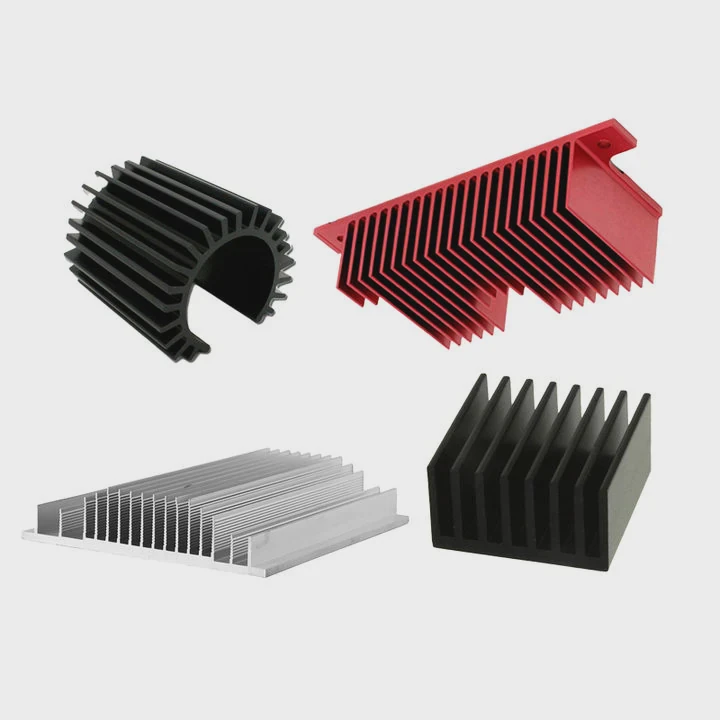
Rooftops are one of the hottest parts of most buildings. During summer, roof surfaces can become much hotter than the surrounding air. This heat transfers into the building and also affects rooftop HVAC systems, solar inverters, communication equipment, and ventilation modules.
Heat sinks help by increasing the exposed cooling area. Aluminum fin structures mounted on rooftop equipment can release heat faster into moving outdoor air. Wind passing across the fins improves convection and removes heat more effectively than flat metal surfaces.
Rooftop applications using heat sinks
Heat sinks are often used on rooftop power converters, telecom equipment, solar energy systems, and HVAC drive modules. In many cases, the rooftop enclosure itself becomes a large heat sink. Designers may use extruded aluminum walls with integrated fins to increase thermal performance.
This approach is useful because rooftop systems face several thermal challenges at the same time:
- Strong solar radiation
- High ambient temperature
- Limited airflow inside enclosures
- Dust and weather exposure
- Long operating hours
Traditional fan cooling may struggle in these conditions because dust and moisture can enter the enclosure. Passive or semi-passive heat sink designs reduce this risk while still providing thermal control.
Why rooftop cooling matters
When rooftop equipment overheats, efficiency drops quickly. Inverters may reduce output power. Sensors may lose accuracy. HVAC units may cycle more often. Over time, repeated thermal stress damages electronic components.
Heat sinks help stabilize operating temperatures. Lower temperature can also reduce thermal expansion and contraction. This lowers mechanical stress on solder joints, connectors, and circuit boards.
In some energy-efficient building projects, rooftop heat sink structures are combined with reflective coatings or ventilated panels. The reflective layer reduces solar absorption, while the fins improve heat release. Together, they lower surface temperature and reduce the cooling load on the building below.
The result is not dramatic overnight cooling. Instead, it is a steady reduction in thermal stress and energy demand over time.
What efficiency improvements can be achieved?
Heat-related losses often remain invisible until energy bills rise or systems begin failing more often.
Heat sinks can improve building cooling efficiency by lowering component temperatures, reducing fan workload, improving power electronics stability, and supporting passive heat dissipation.
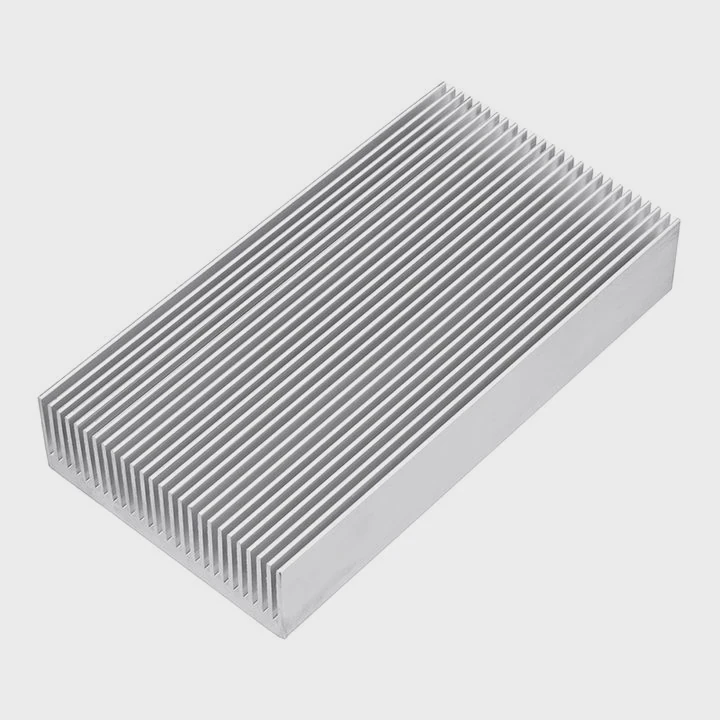
Efficiency improvement depends on the full thermal system, not only the heat sink itself. A heat sink works by reducing thermal resistance between the heat source and surrounding air. When the heat path becomes more effective, cooling systems operate with less stress.
In HVAC equipment, lower operating temperature improves electronic reliability. Variable frequency drives can maintain more stable switching performance. Inverter systems can avoid thermal shutdown. Control systems can operate with fewer temperature-related errors.
Areas where efficiency gains appear
| Efficiency area | Improvement from heat sinks |
|---|---|
| HVAC electronics | Lower thermal stress |
| Fan systems | Reduced cooling demand |
| Building cooling load | Lower heat transfer into rooms |
| Equipment lifespan | Reduced thermal aging |
| Maintenance frequency | Fewer overheating failures |
In many systems, the biggest gain comes from reduced fan usage. Fans consume power and create maintenance requirements. If a heat sink can improve passive heat dissipation, the fan speed may be lowered or fan operation time reduced. This directly lowers energy consumption.
Thermal efficiency and equipment lifespan
Efficiency is not only about energy savings. It is also about maintaining stable performance over many years. Electronic components age faster at high temperatures. Even a small reduction in operating temperature can significantly improve lifespan.
For example, lowering the temperature of power semiconductors can reduce electrical resistance changes and improve switching stability. Lower capacitor temperature slows electrolyte aging. Stable thermal conditions also reduce stress caused by repeated heating and cooling cycles.
This is why many building engineers now view thermal management as part of energy strategy rather than only equipment protection. A heat sink may look like a simple metal structure, but it directly affects reliability, maintenance cost, and long-term efficiency.
In modern building systems, cooling performance depends on balance. The goal is not maximum cooling at any cost. The goal is stable thermal control with lower energy use and longer equipment life. Heat sinks support that balance when integrated correctly into the full building cooling design.
Conclusion
Heat sinks can play an important role in building cooling systems. They improve thermal control, support passive cooling, protect HVAC electronics, and help reduce long-term energy and maintenance costs.