Best Heat Sink for LED?
- Yongxing
- 25 Apr ,2026
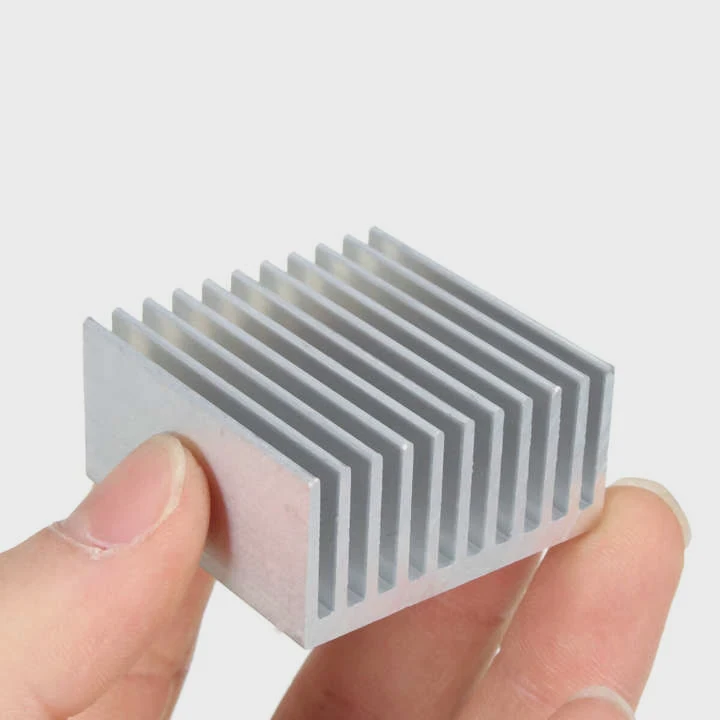
LEDs generate heat that can reduce their lifespan. Poor cooling can lead to flickering, dimming, or early failure.
The best heat sink for an LED keeps the diode cool, maintains brightness, and extends lifespan, balancing size, material, and design.
Choosing the right LED heat sink is not just about metal pieces. The correct choice ensures your LEDs run efficiently and last longer. Let’s dive deeper into how to make this choice wisely.
How to choose LED heat sinks effectively?
LEDs can overheat quickly if you pick the wrong heat sink. It’s frustrating to see expensive lights fail early.
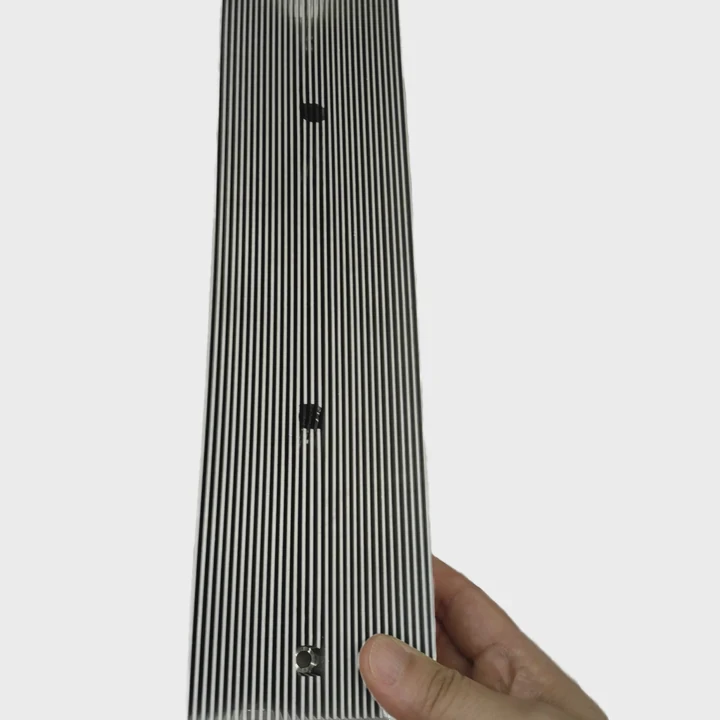
Choosing an effective heat sink means considering thermal resistance, material, and airflow. Aluminum is common for its light weight and high thermal conductivity.
Understanding thermal resistance
Thermal resistance is a measure of how well the heat sink removes heat. Lower resistance means better cooling. For high-power LEDs, even small differences matter. You want a heat sink that keeps the LED junction below 80°C.
Material choice matters
Aluminum is popular because it balances cost, weight, and performance. Copper conducts heat better but is heavier and more expensive. Sometimes, hybrid designs combine copper and aluminum for efficiency.
| Material | Thermal Conductivity (W/m·K) | Weight | Cost |
|---|---|---|---|
| Aluminum | 200 | Light | Low |
| Copper | 400 | Heavy | High |
| Hybrid | 300 | Medium | Medium |
Size and shape
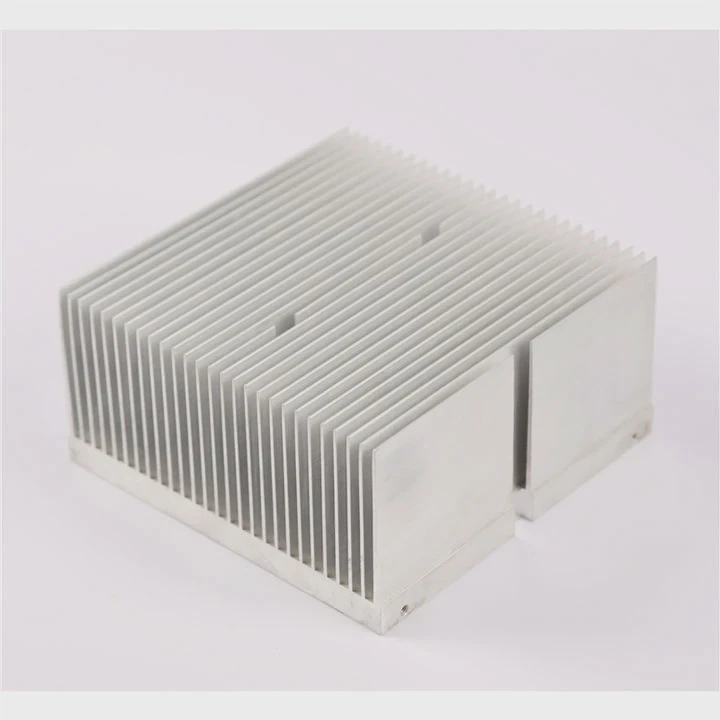
Heat sinks should have enough surface area to transfer heat. Fins increase the area, and spacing affects airflow. For forced-air systems, thinner fins can work; for passive cooling, thicker and wider fins help.
Mounting and compatibility
Make sure the heat sink fits your LED housing. Some designs use thermal paste or pads to improve contact. The better the connection, the lower the thermal resistance.
Practical tips
- Always calculate power dissipation.
- Consider LED arrangement: single or multiple diodes.
- Check airflow: natural convection or fans.
- Think about environment: indoor or outdoor, ambient temperature.
Choosing heat sinks is a balance. Material, design, and placement work together. A well-selected heat sink can double LED lifespan and efficiency.
Why do high-power LEDs require cooling?
High-power LEDs produce more light but also more heat. Without proper cooling, they burn out fast. The problem is invisible at first, but heat slowly damages the chip.
Cooling is essential for high-power LEDs to maintain brightness, prevent color shift, and ensure long life.
Heat impacts LED performance
Heat affects LED junction temperature. High temperatures reduce light output and shift color. It also speeds up degradation of materials inside the LED. Even small overheating can reduce efficiency significantly.
Types of LED heat sinks
- Passive heat sinks: rely on conduction and natural convection. Best for low to medium power LEDs.
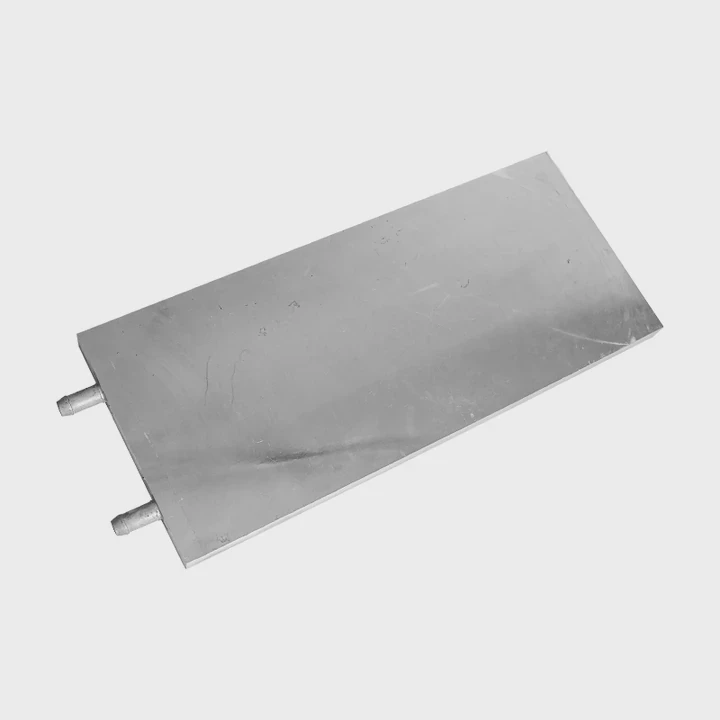
- Active heat sinks: use fans or liquid cooling. Suitable for high-power LEDs in compact spaces.
| LED Power | Cooling Type | Notes |
|---|---|---|
| <10W | Passive | Simple, cost-effective |
| 10-50W | Passive / Active | Depends on environment |
| >50W | Active | Required to maintain safe temp |
Consequences of poor cooling
Without proper heat management:
- Light output decreases
- Color quality shifts
- Lifespan drops by 50% or more
- Risk of thermal runaway or failure
High-power LEDs are efficient but unforgiving. Proper cooling ensures reliability, reduces maintenance costs, and prevents failures in critical applications like medical devices or outdoor lighting.
Where should heat sinks be mounted on LEDs?
Incorrect placement of a heat sink can ruin cooling. Even the best design fails if mounted wrong. Many users focus on size but ignore position.
Heat sinks should be mounted directly on the LED’s metal core or base for efficient heat transfer, ensuring the surface contacts the heat source fully.
Mounting techniques
- Direct contact: Place the heat sink on the LED chip or MCPCB using thermal paste. The paste fills microscopic gaps, reducing thermal resistance.
- Screw or clip mounting: Ensures firm contact and prevents shifting.
- Thermal pads: Good for quick installation but may reduce efficiency slightly.
Placement tips
- Avoid gaps between LED and heat sink.
- Ensure airflow is not blocked by housing.
- Keep heat sinks away from hot surfaces or confined spaces.
- Vertical orientation can improve natural convection cooling.
Effects of poor placement
- Uneven cooling creates hotspots.
- Thermal stress can cause solder joint failure.
- Multiple LEDs close together need shared or individual heat sinks for uniform performance.
Correct mounting is as important as material choice. Proper placement ensures heat is removed effectively and LED performance remains stable.
Which designs suit LED applications best?
LED heat sink design influences airflow and cooling efficiency. Wrong design can waste power and reduce lifespan.
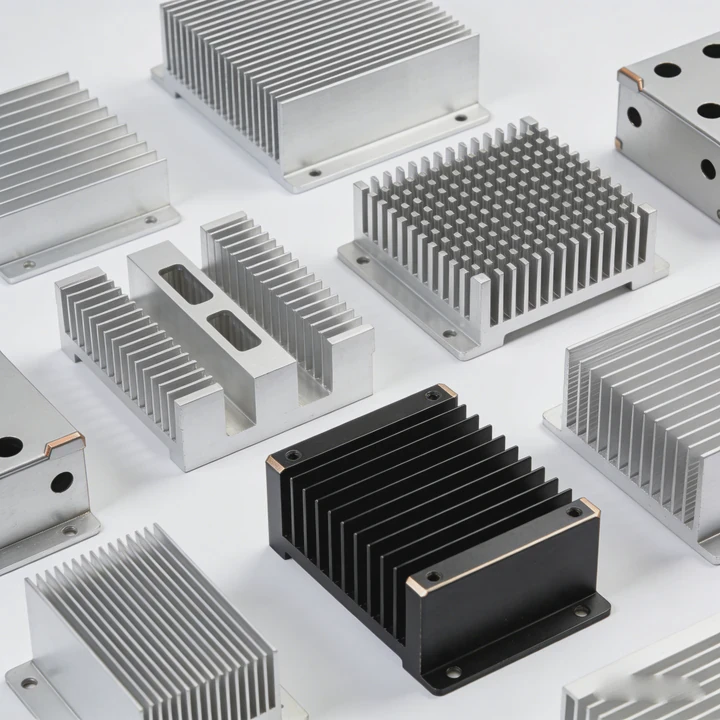
Finned and pin-style heat sinks, with open airflow paths, often suit LED applications best, providing high surface area without blocking ventilation.
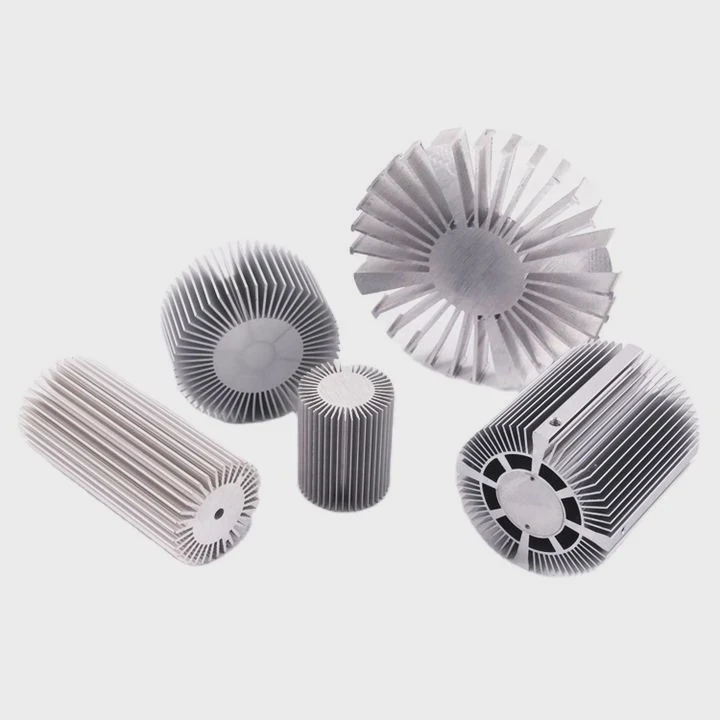
Common LED heat sink designs
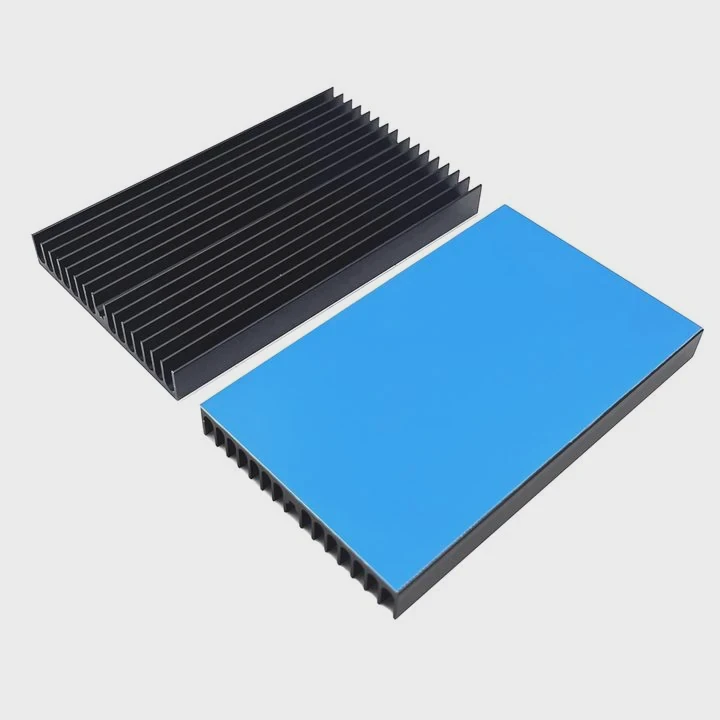
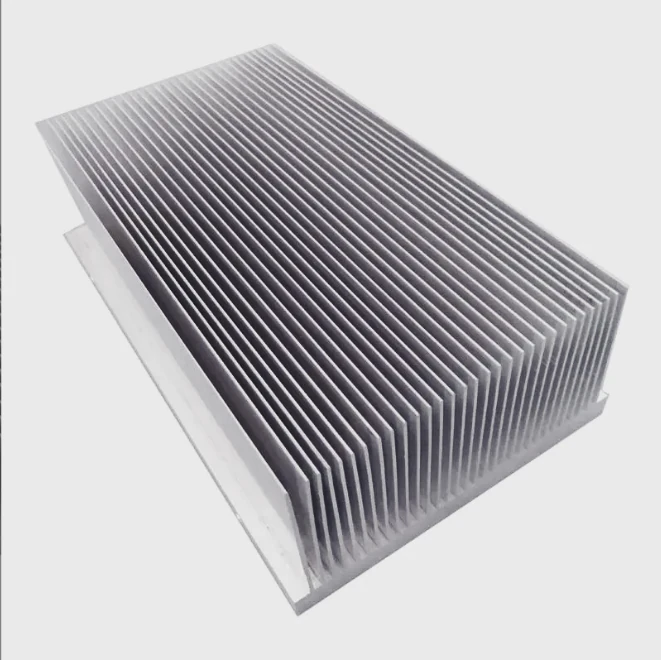
- Extruded fins: Simple, lightweight, good for linear or strip LEDs.
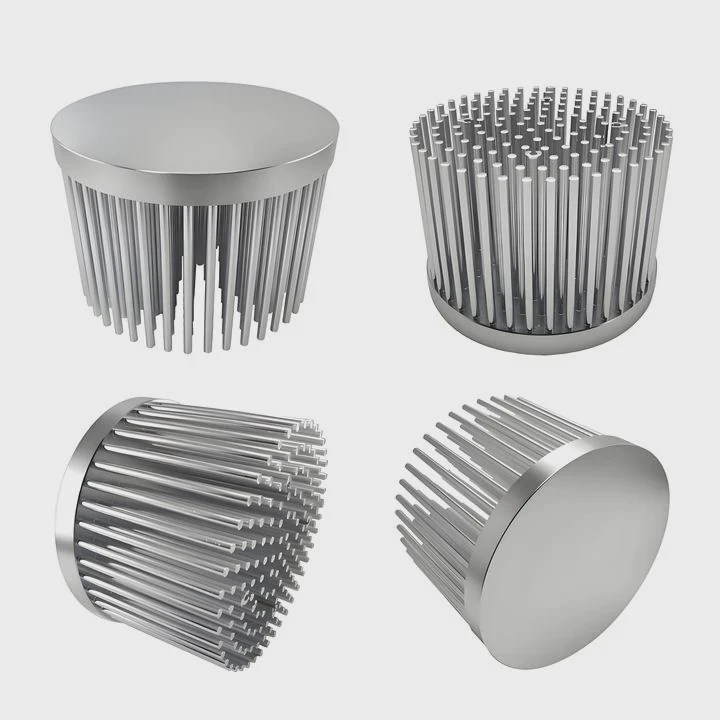
- Pin fin: Offers more surface area, works well with fans.
- Cross-cut fins: Effective for multi-directional airflow.
- Integrated base plate: Supports multiple LEDs on one heat sink.
Design considerations
- Airflow: Maximize natural convection if passive cooling. Fans help if active cooling.
- Size constraints: LED fixtures often have limited space.
- Material: Aluminum is easier to extrude; copper may require machining.
- Aesthetics: Visible in decorative lighting, may need painted or anodized finish.
Comparison Table
| Design Type | Surface Area | Airflow Efficiency | Best Use Cases |
|---|---|---|---|
| Extruded fins | Medium | Medium | LED strips, linear fixtures |
| Pin fin | High | High | High-power, fan-assisted |
| Cross-cut fins | High | Medium | Multi-direction airflow spaces |
| Base plate | Medium | Low | Multiple LEDs on one board |
Advanced considerations
- Combining fin orientation and spacing can reduce temperature by 5–10°C.
- Hybrid designs use copper at the base for fast heat spreading, aluminum for fins.
- Modular heat sinks allow scaling with LED arrays for large installations.
Choosing the right design depends on LED power, placement, and cooling method. Even small improvements in airflow can extend LED lifespan dramatically.
Conclusion
Choosing the right LED heat sink depends on power, placement, and design. Aluminum finned or pin-style heat sinks work well for most applications, ensuring long life and stable performance. Proper mounting and thermal management prevent failures and maintain efficiency.