Can Heat Sinks Be Used for Industrial Cooling?
- Yongxing
- 15 May ,2026
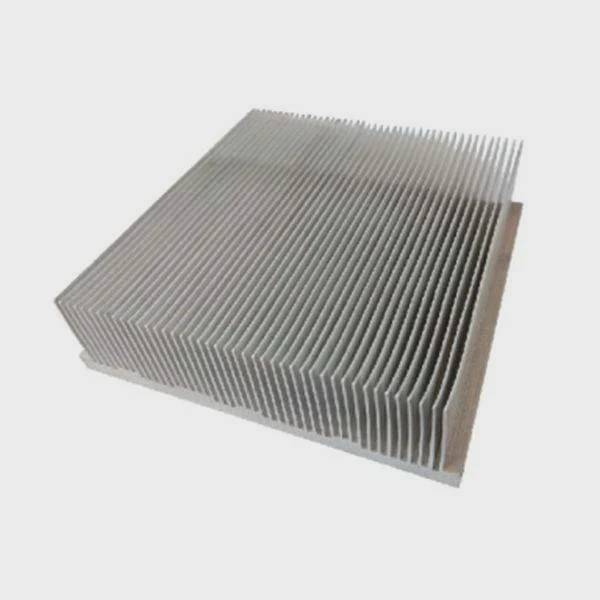
Industrial equipment often runs at high temperatures for long hours. Excess heat can damage parts, reduce efficiency, and stop production lines. Many engineers struggle to find stable cooling solutions that work under heavy loads and harsh environments.
Yes, heat sinks are widely used for industrial cooling. They remove heat from power electronics, machinery, automation systems, and industrial equipment by transferring thermal energy into the surrounding air or liquid. Proper heat sink design improves equipment reliability, efficiency, and operating life.
Industrial cooling keeps becoming more important as equipment power density increases. Modern factories use larger power modules, faster processors, and compact designs. This change creates more heat in smaller spaces. Because of this, heat sinks now play a major role in industrial thermal management. Different industries use different heat sink structures, materials, and cooling methods based on their operating conditions.
Which Industrial Systems Benefit From Heat Sinks?
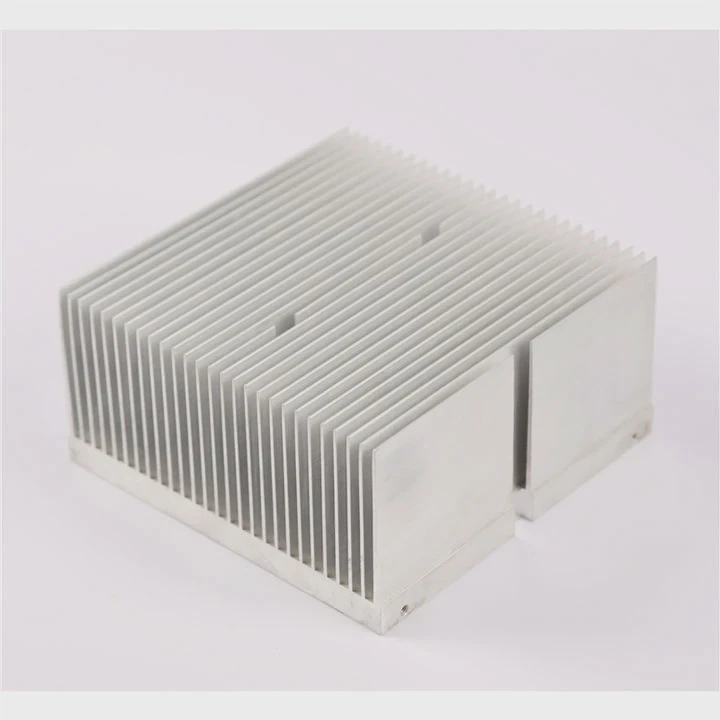
Industrial systems often fail because of overheating. Many factories lose time and money when power devices shut down or electronic systems become unstable under heat stress.
Industrial systems such as power supplies, motor drives, railway electronics, energy storage systems, telecom cabinets, and automation equipment all benefit from heat sinks because they need stable thermal control for long-term operation.
Why Industrial Equipment Generates So Much Heat
Most industrial systems use high-power electronic components. These parts convert electrical energy into mechanical or digital functions. During this process, heat appears as a byproduct.
Without proper cooling, temperatures continue to rise. High temperatures can lead to:
| Industrial Problem | Result |
|---|---|
| Power module overheating | Reduced efficiency |
| Thermal expansion | Mechanical stress |
| Excessive junction temperature | Shorter component lifespan |
| Fan failure | System shutdown |
| Heat accumulation | Fire and safety risks |
Factories often run machines 24 hours a day. This continuous operation creates steady thermal loads. In many cases, natural cooling is not enough.
Common Industrial Systems That Use Heat Sinks
Heat sinks are now part of many industrial designs because they are reliable, scalable, and cost-effective.
Power Electronics
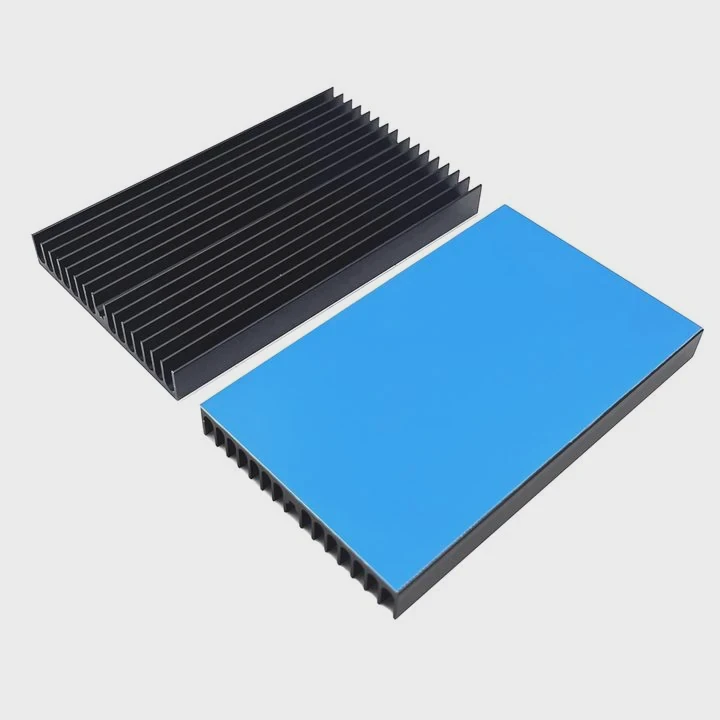
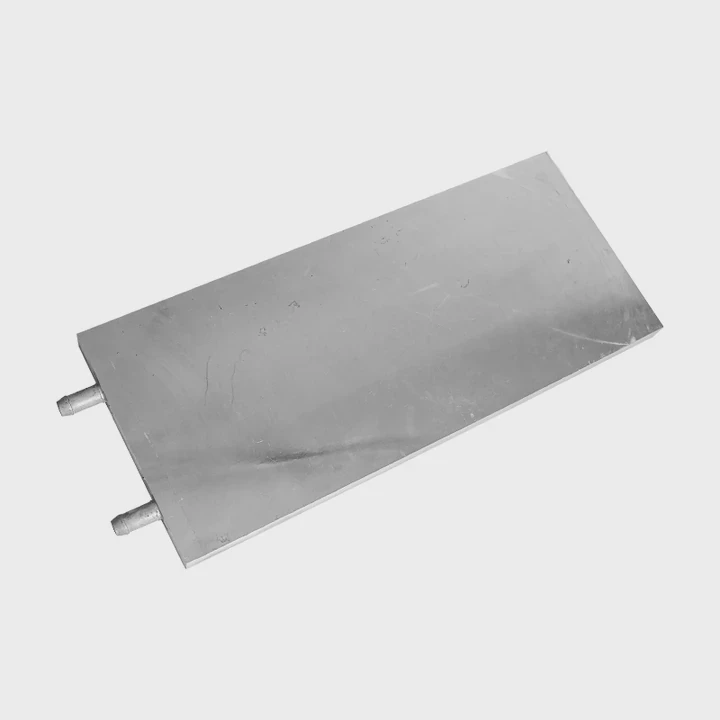
Industrial inverters, converters, and IGBT modules generate large amounts of heat. Aluminum heat sinks and liquid cooling plates are often attached directly to these power devices.
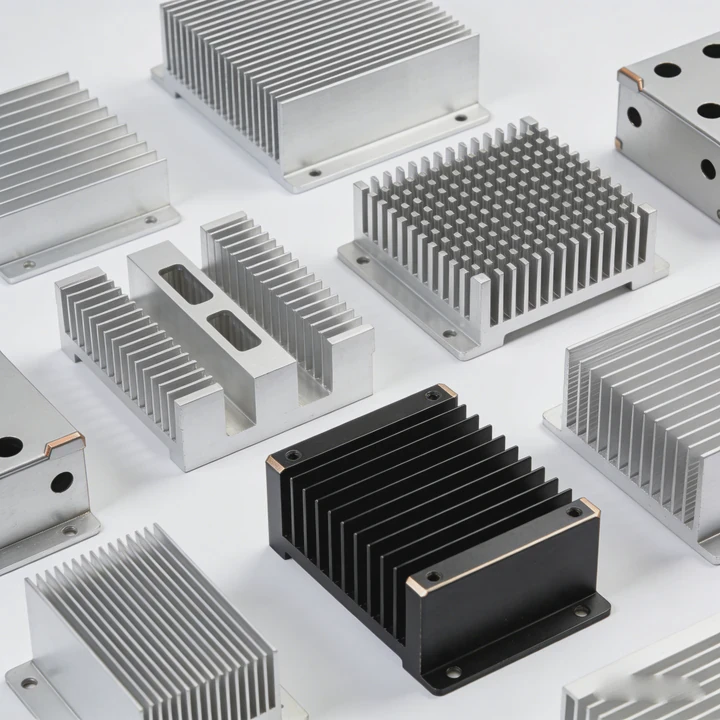
In renewable energy systems, thermal stability affects energy conversion efficiency. Many solar inverters and wind power controllers use large extruded aluminum heat sinks with fins.
Railway And Transportation Systems
Rail transit systems require stable thermal performance under vibration, dust, and changing temperatures. Many railway cooling systems use vacuum brazed heat sinks and liquid cooling modules because they offer high reliability.
European customers often focus heavily on certifications and thermal consistency. Many railway projects require EN15085 welding standards and long-term heat resistance testing.
Energy Storage Systems
Battery packs create thermal challenges during charging and discharging cycles. Heat sinks help distribute heat evenly across battery modules. This process reduces hot spots and improves battery life.
Liquid cooling plates are especially common in energy storage and electric vehicle applications because they handle high heat flux effectively.
Telecom And 5G Equipment
5G communication systems use compact electronic layouts with high power density. Heat sinks help prevent overheating inside outdoor telecom cabinets and base stations.
Many telecom systems combine:
- Vapor chamber heat sinks
- Aluminum extrusions
- Heat pipes
- Forced-air cooling systems
Industrial Automation
Automation equipment often operates inside sealed cabinets. Heat sinks maintain stable operating temperatures for:
- PLC systems
- Servo drives
- Motor controllers
- Industrial computers
Why Material Choice Matters
Industrial cooling depends heavily on thermal conductivity.
| Material | Thermal Conductivity | Typical Use |
|---|---|---|
| Aluminum | Good | Lightweight industrial cooling |
| Copper | Excellent | High heat flux applications |
| Vapor chambers | Very high equivalent conductivity | Compact high-power systems |
| Liquid cooling plates | Extremely efficient | Heavy industrial loads |
Aluminum remains the most common industrial heat sink material because it balances weight, cost, corrosion resistance, and manufacturing flexibility.
How Effective Are Heat Sinks In Heavy Machinery?
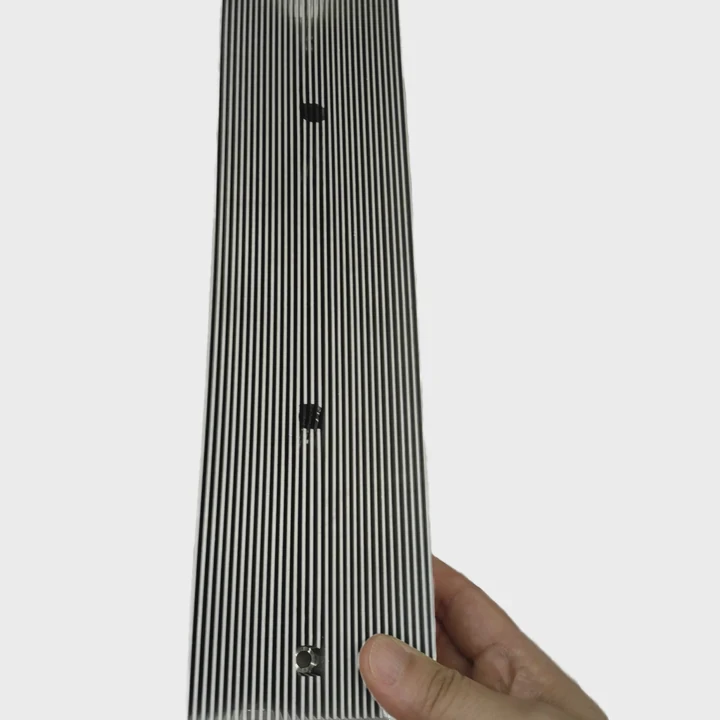
Heavy machinery creates extreme thermal loads. Many systems work in dusty factories, mines, rail systems, and outdoor industrial environments where cooling conditions are difficult.
Heat sinks are highly effective in heavy machinery when they are properly designed for airflow, thermal load, vibration resistance, and environmental conditions. Advanced cooling structures can significantly reduce operating temperatures and improve machine reliability.
Heavy Machinery Faces Harsh Thermal Conditions
Large industrial equipment often operates under conditions that push thermal systems to their limits.
Common examples include:
- Mining equipment
- CNC machines
- Industrial welding systems
- Power generation equipment
- Heavy-duty compressors
- Industrial robotics
These systems generate heat from motors, power electronics, friction, and high electrical currents.
Why Basic Cooling Sometimes Fails
Standard cooling methods may not work well in industrial environments because:
- Dust blocks airflow
- Oil contaminates cooling surfaces
- Ambient temperatures remain high
- Equipment vibrates continuously
- Space for airflow is limited
This situation forces engineers to use stronger thermal solutions.
Advanced Heat Sink Designs For Heavy Equipment
Extruded Aluminum Heat Sinks
Extruded heat sinks are common in industrial machinery because they are cost-effective and durable.
Their benefits include:
| Advantage | Benefit |
|---|---|
| Large fin area | Better airflow cooling |
| Lightweight structure | Easier system integration |
| Corrosion resistance | Longer service life |
| Flexible geometry | Custom thermal optimization |
Vacuum Brazed Heat Sinks
Vacuum brazing creates strong thermal joints with low thermal resistance. These heat sinks work well in high-power industrial systems.
They are often used in:
- Rail transit systems
- High-power converters
- Energy storage equipment
- Laser systems
Liquid Cooling Systems
Heavy machinery increasingly uses liquid cooling because air cooling reaches its limits at very high power densities.
Liquid cooling systems provide:
- Faster heat transfer
- Stable temperature distribution
- Compact cooling structures
- Lower thermal resistance
Many industrial cooling plates use friction stir welding or laser welding to improve leak resistance and long-term reliability.
Thermal Simulation Improves Performance
Modern industrial cooling design depends heavily on thermal simulation.
Engineers analyze:
- Airflow direction
- Heat distribution
- Junction temperature
- Pressure drop
- Thermal cycling effects
Simulation reduces development risks before production starts.
Reliability Is More Important Than Peak Performance
Industrial customers often care more about stability than maximum cooling numbers.
For example, a slightly lower thermal performance may still be preferred if the structure offers:
- Better durability
- Easier maintenance
- Lower vibration risk
- Longer operating life
Long-term consistency matters greatly in industrial cooling systems.
Real Industrial Design Requires Full Process Capability
A cooling supplier must often support:
- CNC machining
- Vacuum brazing
- Friction stir welding
- Laser welding
- Leak testing
- Thermal testing
- Assembly integration
Industrial buyers usually prefer suppliers with complete in-house manufacturing because it improves quality control and delivery stability.
Do Process Industries Rely On Heat Sink Solutions?
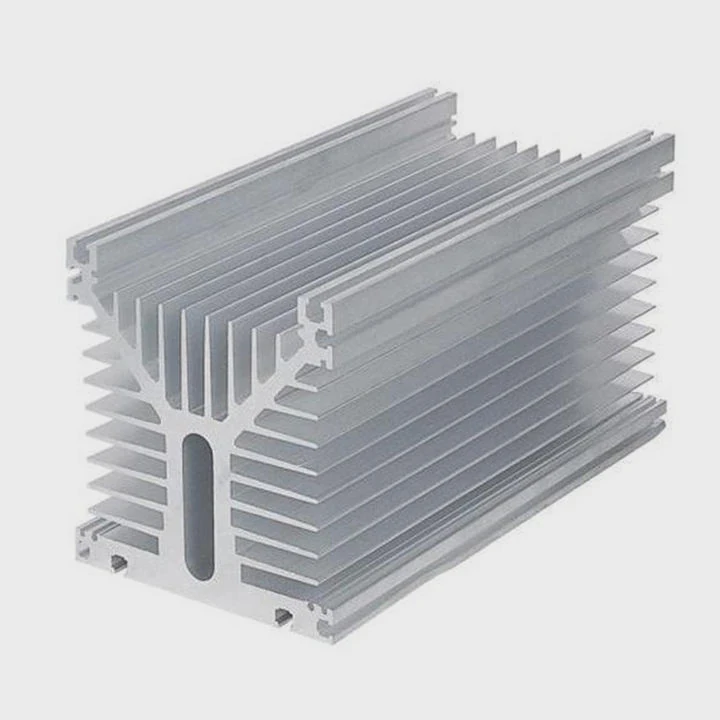
Process industries depend on stable production systems. Even small temperature increases can reduce precision, damage sensors, or interrupt automated processes.
Yes, process industries rely heavily on heat sink solutions for thermal management in automation systems, power electronics, sensors, drives, medical systems, and process control equipment. Reliable cooling improves production stability and equipment lifespan.
What Are Process Industries?
Process industries include sectors such as:
- Chemical manufacturing
- Food processing
- Pharmaceutical production
- Semiconductor manufacturing
- Oil and gas processing
- Water treatment systems
These industries use large networks of automated electronic systems.
Electronic Control Systems Need Cooling
Modern factories depend on sensitive electronics.
Examples include:
| Equipment | Cooling Need |
|---|---|
| PLC cabinets | Stable operating temperature |
| Sensors | Signal accuracy |
| Variable frequency drives | Power protection |
| Medical systems | Precision operation |
| Semiconductor equipment | Strict thermal control |
When temperatures rise too much, electronic drift can happen. This affects accuracy and reliability.
Semiconductor Manufacturing Needs Advanced Thermal Control
Semiconductor systems use high-density electronic components with strict thermal limits.
Many systems require:
- Vapor chamber cooling
- Copper heat sinks
- Liquid cooling plates
- Phase change thermal modules
These solutions help maintain temperature uniformity across critical processing equipment.
Medical And Laser Equipment Depend On Thermal Stability
Medical imaging systems and industrial laser systems produce concentrated heat.
Cooling systems must offer:
- Stable thermal performance
- Low vibration
- Quiet operation
- High reliability
Liquid cooling often becomes necessary because thermal fluctuations can affect precision.
Food And Pharmaceutical Industries Need Reliability
Process industries cannot risk frequent downtime.
Heat sink systems help maintain stable temperatures in:
- Packaging equipment
- Conveyor automation
- Industrial drives
- Inspection systems
Reliable cooling reduces maintenance frequency and protects sensitive electronics from thermal damage.
Environmental Conditions Affect Cooling Design
Process factories often face difficult operating environments.
Some facilities contain:
- Humidity
- Corrosive gas
- Oil contamination
- Fine dust particles
Because of this, industrial heat sinks may require:
- Corrosion-resistant coatings
- Sealed cooling systems
- Waterproof structures
- Custom airflow paths
Thermal Management Supports Industry 4.0
Modern factories now use more AI systems, automation, sensors, and smart monitoring tools. This digital transformation increases power density inside control cabinets.
As equipment becomes smaller and more powerful, thermal management becomes even more important.
Many industrial companies now request:
- Integrated thermal modules
- Compact cooling systems
- Lightweight structures
- Customized OEM cooling solutions
This trend continues to push industrial heat sink technology forward.
What Factors Enhance Industrial Cooling Efficiency?
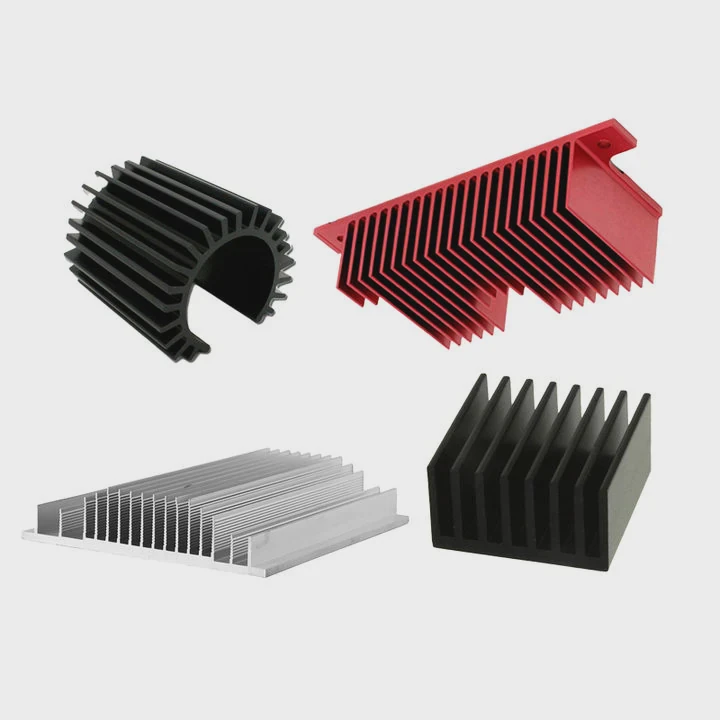
Many industrial cooling systems fail because the design focuses only on the heat sink itself. Real cooling efficiency depends on the entire thermal system working together.
Industrial cooling efficiency improves when engineers optimize heat sink material, airflow, surface area, liquid cooling design, thermal interface materials, and overall system integration. Proper manufacturing processes also play a major role.
Heat Transfer Depends On Several Stages
Industrial cooling works through a chain of heat transfer steps:
- Heat generation
- Heat conduction
- Heat spreading
- Heat dissipation
- Air or liquid heat removal
Weakness in any stage reduces overall performance.
Heat Sink Geometry Strongly Affects Cooling
Fin structure directly changes airflow efficiency.
Common Fin Structures
| Fin Type | Main Advantage |
|---|---|
| Straight fins | Simple airflow path |
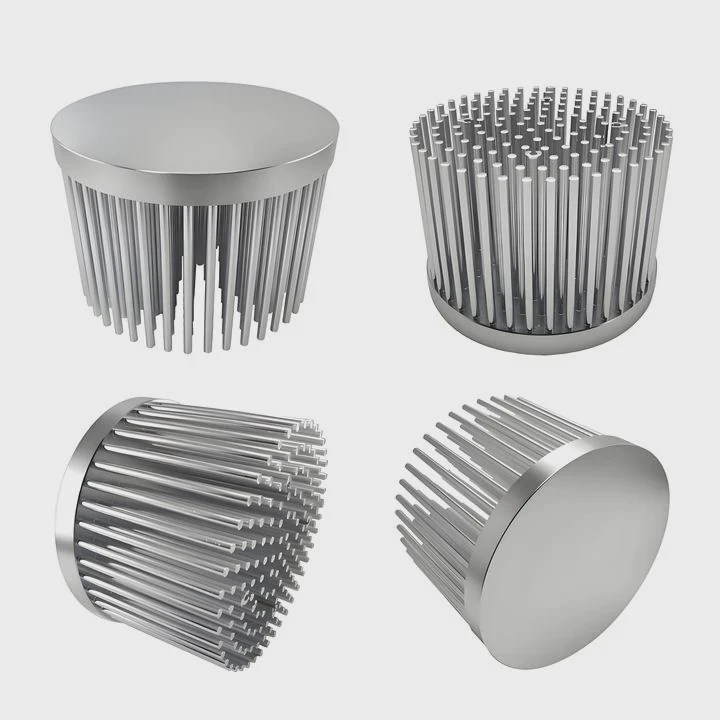
| Pin fins | Multi-direction airflow |
| Skived fins | High surface density |
| Folded fins | Lightweight cooling |
| Bonded fins | Flexible customization |
Fin spacing also matters. If fins are too close, airflow resistance increases.
Thermal Interface Materials Matter
A poor thermal interface creates large thermal resistance.
Thermal interface materials help fill microscopic gaps between surfaces.
Common materials include:
- Thermal grease
- Graphite sheets
- Phase change materials
- Thermal pads
Proper interface selection can significantly improve thermal transfer efficiency.
Airflow Design Is Critical
Even the best heat sink performs poorly without proper airflow.
Engineers must consider:
- Fan position
- Air pressure
- Air velocity
- Cabinet layout
- Dust control
In many industrial cabinets, airflow blockage becomes the biggest cooling problem.
Liquid Cooling Expands Cooling Capacity
Air cooling has physical limits. As power density increases, liquid cooling becomes more attractive.
Liquid cooling advantages include:
| Benefit | Result |
|---|---|
| Higher heat capacity | Better thermal control |
| Smaller system size | Compact equipment |
| Uniform cooling | Reduced hot spots |
| Lower noise | Better work environment |
Many modern industrial systems now combine air cooling and liquid cooling in hybrid structures.
Manufacturing Quality Affects Thermal Performance
Industrial customers often focus on design, but manufacturing quality also changes cooling efficiency.
Poor manufacturing can create:
- Surface gaps
- Welding defects
- Uneven flatness
- Internal leakage
- Thermal resistance increase
Precision manufacturing improves thermal consistency across production batches.
Surface Treatment Can Improve Reliability
Industrial environments often expose heat sinks to corrosion and contamination.
Common surface treatments include:
- Anodizing
- Nickel plating
- Anti-corrosion coatings
- Electrophoretic coatings
These treatments improve long-term durability.
Customization Improves Real-World Performance
Industrial systems rarely use identical cooling requirements.
Custom cooling design allows optimization for:
- Space limitations
- Airflow conditions
- Thermal load
- Weight targets
- Reliability requirements
OEM and ODM thermal solutions have therefore become increasingly common in industrial markets.
Conclusion
Heat sinks play a major role in industrial cooling across power electronics, automation, railway systems, energy storage, and process industries. As industrial equipment becomes more compact and powerful, advanced thermal management solutions continue to improve reliability, efficiency, and long-term operational stability.