How to Install Heat Sinks in Automotive Systems?
- Yongxing
- 18 May ,2026
Modern automotive systems create more heat than many engineers expect. Poor heat sink installation can reduce performance, damage electronics, and shorten product life. Many failures start from small mounting mistakes that seem harmless during assembly.
Proper heat sink installation in automotive systems depends on correct mounting methods, suitable thermal interface materials, stable pressure control, and vibration-resistant design. Electric vehicles also need extra attention because of higher power density, stronger thermal loads, and stricter safety requirements.
Many automotive manufacturers focus heavily on heat sink material and thermal design. Yet installation quality often decides whether the final system performs well in real driving conditions. A good heat sink can fail if mounting pressure is uneven or if thermal materials are poorly applied. This is why installation must be treated as part of the thermal solution, not only a final assembly step.
What mounting methods are common for vehicles?
Automotive electronics work in difficult conditions. Heat sinks face vibration, dust, thermal cycling, moisture, and continuous movement. Because of this, mounting methods must balance thermal performance with mechanical reliability.
The most common automotive heat sink mounting methods include screws, spring clips, push pins, adhesive bonding, and soldered or welded structures. Each method offers different advantages based on vibration resistance, serviceability, thermal pressure, and production cost.
Screw mounting remains one of the most common methods in automotive systems. Many high-power automotive modules use screws because they provide strong and adjustable clamping force. Engineers can also control mounting pressure more accurately.
Why Screw Mounting Is Popular
Screw mounting works well in applications such as:
- Power control units
- Battery management systems
- LED headlights
- Inverters
- Motor controllers
The main benefit is stability. Vehicles create constant vibration. A weak mounting system can loosen over time. Proper screw designs reduce this risk.
Still, engineers must avoid over-tightening. Excess pressure may warp the heat sink base or damage semiconductor packages.
Common Automotive Mounting Methods
| Mounting Method | Main Advantage | Common Application |
|---|---|---|
| Screws and bolts | Strong mechanical stability | Power electronics |
| Spring clips | Fast assembly | ECUs and LED modules |
| Push pins | Low-cost installation | Small cooling modules |
| Thermal adhesive | Compact structure | Sensors and compact devices |
| Vacuum brazing | Integrated thermal path | Liquid cooling systems |
Spring Clip Systems
Spring clips are widely used when fast assembly matters. They also help maintain more stable pressure during thermal expansion and contraction.
Automotive electronics often heat up and cool down repeatedly. Metal expands and shrinks during these cycles. Spring systems compensate for this movement better than rigid structures.
This method is common in:
- Automotive ECUs
- Infotainment systems
- Communication modules
Adhesive Mounting
Some compact automotive modules use thermal adhesive instead of mechanical fastening. This helps reduce weight and simplify assembly.
Still, adhesive systems create long-term concerns:
- Aging under high temperature
- Reduced thermal conductivity
- Difficult repair and replacement
For this reason, adhesive-only mounting is less common in high-power automotive systems.
Integrated Welding and Brazing
Modern electric vehicles increasingly use vacuum brazing, friction stir welding, and laser welding for thermal structures. These methods reduce interface resistance and improve structural reliability.
Integrated structures are common in:
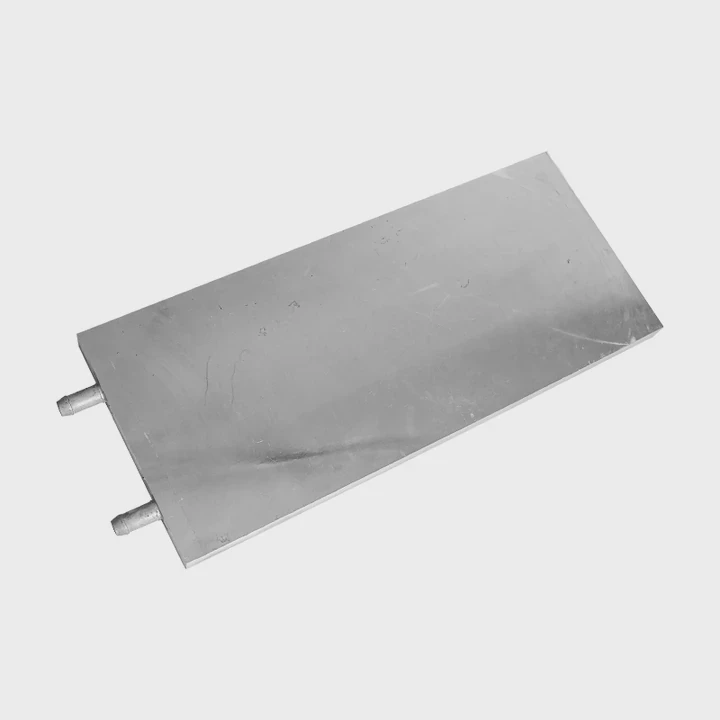
- Liquid cold plates
- Battery cooling systems
- High-power inverter heat sinks
This approach also supports lightweight automotive design because engineers can reduce extra fasteners and brackets.
Which thermal interface materials are recommended?
Even perfectly machined metal surfaces contain microscopic gaps. Air trapped inside these gaps creates thermal resistance. Thermal interface materials help fill these spaces and improve heat transfer efficiency.
Recommended thermal interface materials for automotive heat sinks include thermal grease, phase change materials, thermal pads, graphite sheets, and gap fillers. The best option depends on operating temperature, vibration conditions, service life, and assembly requirements.
Many engineers underestimate the importance of thermal interface materials. In real automotive systems, the interface layer often decides whether a module runs safely or overheats.
Why Thermal Interface Materials Matter
A heat sink cannot remove heat efficiently if contact resistance is high. Even a small air gap creates serious thermal problems because air conducts heat poorly.
Thermal interface materials improve:
- Surface contact
- Heat spreading
- Long-term reliability
- Vibration tolerance
Common Thermal Interface Materials
| Material Type | Advantages | Typical Automotive Use |
|---|---|---|
| Thermal grease | Very low thermal resistance | High-power modules |
| Thermal pads | Easy assembly | ECUs and LED systems |
| Phase change materials | Stable long-term contact | EV power electronics |
| Graphite sheets | Lightweight heat spreading | Compact electronics |
| Gap fillers | Handles uneven surfaces | Battery systems |
Thermal Grease
Thermal grease delivers excellent thermal performance. It fills microscopic surface imperfections very effectively.
Still, grease creates manufacturing challenges:
- Messy application
- Pump-out under vibration
- Dry-out after long-term aging
Automotive suppliers usually select high-reliability grease formulations with better stability under thermal cycling.
Thermal Pads
Thermal pads simplify assembly. Workers can apply them quickly during mass production.
These pads are common in:
- LED modules
- Automotive displays
- Communication systems
However, thermal conductivity is usually lower than premium grease materials.
Phase Change Materials
Phase change materials become softer at operating temperature. This improves surface wetting and thermal contact.
Many EV systems prefer these materials because they provide:
- Better long-term stability
- Cleaner manufacturing
- Lower maintenance risks
Material Selection Factors
Automotive engineers usually evaluate several conditions before selecting interface materials.
Key Selection Criteria
Operating Temperature
High-power EV systems often exceed temperatures seen in traditional vehicles. Materials must survive long thermal cycling conditions.
Vibration Resistance
Vehicles constantly vibrate. Weak materials can shift, crack, or pump out over time.
Assembly Speed
Mass production lines need repeatable and fast installation methods.
Serviceability
Some systems need field replacement capability. Others remain permanently sealed.
The best thermal interface material is not always the one with the highest thermal conductivity. Long-term reliability matters more in automotive environments.
Can installation affect cooling performance?
Many thermal failures are not caused by poor heat sink design. They come from poor installation quality. Small assembly errors can create major thermal resistance.
Yes, installation quality strongly affects cooling performance. Uneven mounting pressure, poor interface material application, surface contamination, and incorrect alignment can significantly increase thermal resistance and reduce heat dissipation efficiency.
In many automotive projects, thermal simulations look excellent during development. Yet field temperatures become much higher after production begins. Installation inconsistency is often the hidden reason.
Uneven Pressure Distribution
Pressure distribution directly affects thermal contact.
If one side of the heat sink receives more pressure:
- Thermal grease spreads unevenly
- Air gaps remain
- Hotspots develop
This problem becomes worse in large automotive modules such as:
- IGBT systems
- Battery cooling plates
- DC-DC converters
Surface Flatness Problems
Even precision-machined surfaces may contain:
- Warping
- Scratches
- Roughness
- Deformation after welding
Poor flatness increases contact resistance.
The Hidden Impact of Contamination
Dust, oil, oxidation, and fingerprints can reduce thermal contact quality. Automotive factories therefore use strict cleaning procedures before assembly.
Common Installation Mistakes
| Installation Problem | Thermal Impact | Reliability Risk |
|---|---|---|
| Uneven screw torque | Hotspots | Premature failure |
| Excess thermal grease | Insulation effect | Leakage contamination |
| Insufficient pressure | Poor contact | Temperature rise |
| Misaligned heat sink | Partial contact | Local overheating |
| Surface contamination | Increased resistance | Long-term instability |
Why Torque Control Matters
Torque control is extremely important in automotive manufacturing.
Many factories now use:
- Automated torque tools
- Digital torque verification
- Pressure monitoring systems
These controls improve consistency across mass production.
Thermal Cycling Effects
Vehicles repeatedly experience:
- Cold starts
- High-load acceleration
- Environmental temperature changes
This creates expansion and contraction stress inside the thermal assembly.
If installation pressure is unstable, thermal resistance increases over time.
Vibration and Fatigue
Road vibration can slowly loosen mounting systems. Automotive-grade heat sink installation therefore often includes:
- Lock washers
- Thread-locking compounds
- Spring compensation systems
Without these protections, cooling performance may degrade after thousands of driving hours.
Real-World Testing Is Critical
Thermal simulation alone is never enough. Automotive suppliers usually perform:
- Thermal shock testing
- Vibration testing
- Salt spray testing
- Power cycling tests
These tests reveal installation weaknesses that are invisible during laboratory analysis.
Do electric vehicles require special installation steps?
Electric vehicles generate much higher heat density than many traditional automotive systems. Their cooling systems are also more integrated and compact. Because of this, EV heat sink installation requires additional engineering attention.
Yes, electric vehicles require special heat sink installation steps because they operate with higher power density, stronger thermal cycling, sensitive battery systems, and integrated liquid cooling architectures that demand stricter reliability and safety standards.
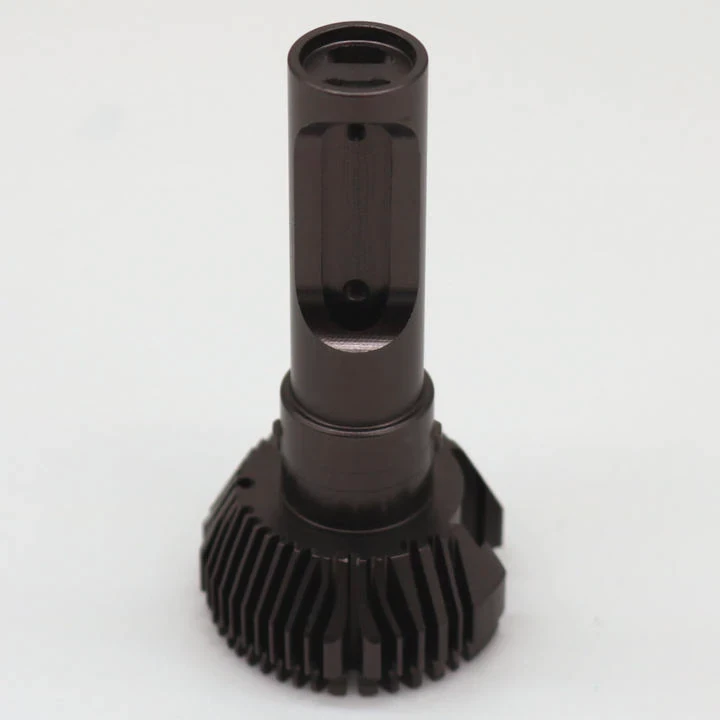
EV thermal management is no longer limited to simple air cooling. Modern systems combine:
- Liquid cooling
- Vapor chamber structures
- Cold plates
- Heat spreaders
- Multi-layer thermal modules
This makes installation much more complex.
Battery System Challenges
Battery packs create large and uneven thermal loads.
Poor installation may cause:
- Cell temperature imbalance
- Faster aging
- Reduced driving range
- Thermal runaway risk
Because of this, EV battery cooling systems require highly controlled assembly processes.
Liquid Cooling Integration
Many EV systems now use liquid cooling plates. These structures require:
- Leak-proof sealing
- Uniform mounting pressure
- Controlled flatness
- Reliable welding quality
Why Flatness Is More Important in EVs
Large liquid cooling plates can deform during manufacturing. Even small deformation affects thermal performance across battery modules.
Engineers often perform:
- CNC surface correction
- Pressure mapping
- Flatness inspection
before final installation.
Electrical Isolation Requirements
EV systems also require electrical safety.
Thermal materials may need:
- Dielectric insulation
- Flame resistance
- High breakdown voltage
This creates additional material selection challenges.
EV Thermal Management Trends
Integrated Cooling Structures
Modern EV platforms increasingly use integrated cooling assemblies instead of separate heat sinks.
Examples include:
- Structural battery cooling plates
- Integrated inverter housings
- Cooling chassis systems
Lightweight Design Pressure
Every kilogram affects EV driving range. Manufacturers therefore push for:
- Aluminum lightweight structures
- Thin-wall cooling designs
- Integrated manufacturing
Higher Power Density
Fast charging and high-performance motors create extremely high heat loads.
This requires:
- Better thermal contact quality
- Lower interface resistance
- More precise installation control
Why Process Control Is Becoming More Important
EV thermal systems cannot rely only on operator experience. Many manufacturers now use automated inspection systems.
These systems monitor:
- Torque values
- Pressure distribution
- Leak testing
- Surface flatness
- Thermal imaging verification
This improves consistency during mass production.
Future Installation Directions
Future automotive heat sink installation will likely move toward:
| Future Direction | Expected Benefit |
|---|---|
| Automated assembly | Better consistency |
| Smart torque monitoring | Reduced installation errors |
| Integrated cooling modules | Lower thermal resistance |
| AI thermal inspection | Faster defect detection |
| Lightweight welded structures | Improved EV efficiency |
The automotive industry is changing quickly. Thermal management is now a core part of vehicle performance, especially in electric mobility. Heat sink installation is no longer a simple mechanical task. It has become a key engineering process that directly affects safety, reliability, and energy efficiency.
Conclusion
Proper heat sink installation affects every part of automotive thermal performance. Good mounting methods, suitable interface materials, controlled pressure, and reliable assembly processes all help improve long-term cooling stability, especially in modern electric vehicle systems.