Does Heat Rise and Cold Sink?
- Yongxing
- 14 Mar ,2026
Heat feels simple until a room turns stuffy upstairs and cold near the floor. Many people notice this every day, but the reason behind it is often unclear.
Yes, heat seems to rise and cold seems to sink in most indoor spaces, but the real cause is air movement. Warm air becomes lighter and moves up, while cooler and denser air settles lower.
This idea matters in homes, factories, and electronic systems. Once the basic rule is clear, it becomes much easier to understand airflow, comfort, and better thermal control in real spaces.
How Does Convection Influence Heat Movement?
A room can feel uneven in a very frustrating way. The ceiling feels warm, the floor feels cold, and the air never seems balanced. Many people think heat simply floats up on its own. That sounds true, but the full story is a little more useful.
Convection is one of the main reasons heat moves through air. It happens when warm air expands, becomes less dense, rises upward, and is replaced by cooler air that moves down.
Convection is the part of heat transfer that involves moving fluids. In daily life, that fluid is often air. When air near a heater, stove, radiator, sunlight-exposed wall, or machine gets warm, its particles spread out more. That change lowers its density. The warmer air then moves upward because the surrounding cooler air is heavier.
A Simple Way to Picture It
A room with convection acts like a slow loop. Warm air rises. Cooler air slides in to take its place. Then that cooler air gets heated and rises too. This creates a repeating air cycle. That cycle is called a convection current.
This is why the temperature in a room often changes by height. The air near the ceiling can be much warmer than the air near the floor. In tall spaces, this gap can become very obvious.
Common Indoor Examples
Convection shows up in many normal situations:
| Situation | What Happens | Result |
|---|---|---|
| Radiator near a wall | Air close to it heats first and rises | Warm upper air, cooler lower air |
| Sunlight through a window | Air and surfaces near the window warm up | Local air current begins |
| Ceiling fan off in winter | Warm air collects high up | Room feels cold at foot level |
| Open stairwell | Warm air moves upward to higher floors | Upstairs feels hotter |
Convection does not move heat in a straight line only. It creates patterns. These patterns depend on room shape, heat source position, furniture, vents, doors, and even the height of the ceiling. A narrow room may circulate differently from a wide open hall. A crowded room with machines or people can also change the path of airflow.
Why This Matters Beyond Comfort
This is not only about home heating. The same idea matters in equipment cooling, HVAC design, data cabinets, industrial control boxes, and power systems. When heat builds up and air cannot circulate well, hot spots appear. Those hot spots can reduce performance and shorten product life.
That is why convection matters so much in thermal design. A good design does not only remove heat. It guides heat. It lets airflow move in a controlled way, not in a random one. In simple terms, convection turns temperature difference into motion. That motion becomes the path that heat follows through space.
Why Does Warm Air Move Upward?
Many people hear the phrase “heat rises” from childhood. It is easy to remember, but it leaves out the reason. Heat itself is not a balloon. Warm air moves up because its physical state changes.
Warm air moves upward because heating makes air expand. Expanded air has lower density than the cooler air around it, so the warmer air is pushed higher by the denser air below.
The key word here is density. Density means how much mass is packed into a certain space. When air gets warmer, its molecules move faster and spread farther apart. The air takes up more space. That makes it lighter for the same volume.
The Role of Buoyancy
This upward movement is often explained with buoyancy. Buoyancy is not only for objects in water. It also works in air. A parcel of warm air inside a cooler room is like something lighter placed inside something heavier. The denser air around it pushes the warmer air upward.
This is why heated air from floor vents often rises quickly. It is also why the top part of a room gets warmer first, even when the heater sits low.
What “Heat Rises” Really Means
The phrase is useful in daily talk, but the more exact version is this: warm air rises, and moving warm air carries heat with it. That difference matters. Heat can also move in other ways:
- Conduction moves heat through direct contact
- Radiation moves heat through electromagnetic waves
- Convection moves heat by fluid motion
So, when someone says heat rises, the real indoor story is usually convection in air.
A Real-World Comparison
Think about a hot air balloon. The balloon rises because the air inside is heated. That heated air becomes less dense than the cooler air outside. The same principle works in a room, just on a smaller and slower scale.
Why Upward Movement Is Not Always Strong
Warm air does not move upward with the same force in every setting. The effect depends on how much warmer it is than the surrounding air. A tiny temperature difference creates a weak upward drift. A large difference creates a stronger flow.
Other things can interrupt this movement:
- strong forced ventilation
- ceiling fans
- closed cabinets
- low ceilings
- narrow channels
- nearby cold surfaces
So, warm air tends to move upward, but the path can bend, slow down, or mix with other air streams. In thermal design, that detail matters a lot. A system that ignores this can trap heat where it should not stay. A system that uses it well can improve cooling without extra energy use.
Where Does Colder Air Accumulate Indoors?
A room can feel strangely cold in one corner even when the thermostat says everything is fine. That kind of uneven comfort often comes from where cooler air settles after warmer air rises away.
Colder air usually accumulates near floors, lower corners, poorly insulated walls, window areas, basements, and spaces with weak airflow because cooler air is denser and tends to settle downward.
In most indoor spaces, colder air gathers in the lower part of the room. This is why feet often feel cold before hands or face do. The air near the floor is usually denser and stays lower unless something mixes it.
Common Places Where Cool Air Collects
Some areas make this effect stronger than others.
Near the Floor
This is the most common place. Warm air rises away from the lower level, and cooler air stays behind. In winter, tile and concrete floors often make the air near them feel even colder.
Around Windows
Glass loses heat faster than insulated walls in many buildings. Air next to a cold window cools down, becomes denser, and drops. This can create a cold draft that flows across the floor.
In Corners and Unused Zones
Air does not always circulate well in corners, behind furniture, or under desks. Those quiet zones can become cooler because warm air does not reach them well.
Lower Levels of a Building
Basements and first floors often hold more cold air than upper floors. Stair openings also help warm air move upward, which leaves lower areas cooler.
Why This Creates Discomfort
A room can have an average temperature that looks acceptable on paper, but the human body notices local temperature differences very quickly. When lower air stays cold, people feel uncomfortable even if the top half of the room is warm enough. This often leads to turning the heat up more than necessary.
That wastes energy and still may not solve the real issue. The real issue is poor air distribution.
Indoor Trouble Spots
| Indoor area | Why colder air gathers there | What people often notice |
|---|---|---|
| Floor level | Cooler dense air settles low | Cold feet, uneven comfort |
| Window side | Air cools next to glass and drops | Drafts near seating areas |
| Corners | Weak circulation | Stale, cool pockets |
| Basement | Lower position and less solar gain | Constant chill |
| Behind furniture | Blocked airflow | Hidden cold zones |
In many cases, the answer is not only more heating. Better circulation can matter just as much. Small changes in vent position, fan direction, insulation quality, or furniture layout can reduce cold accumulation and make the whole room feel more stable.
Which Factors Affect Heat Circulation?
People often expect heat to move the same way in every room. In real life, it does not. Two spaces with the same heater can feel completely different. That happens because heat circulation depends on many conditions working together.
Heat circulation is affected by temperature difference, room shape, ceiling height, insulation, airflow path, vent placement, obstacles, fan use, and the strength of the heat source.
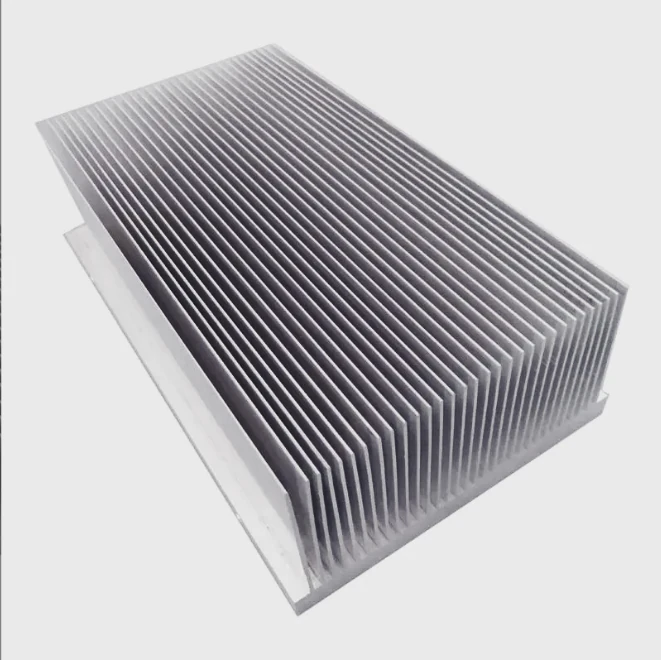
Heat circulation is a system effect. It is not controlled by one single cause. Instead, it comes from the balance between heat input, air movement, and physical layout.
Temperature Difference
The bigger the difference between warm air and cool air, the stronger the convection effect tends to be. A powerful heater in a cold room creates more motion than a weak heater in a mild room.
Room Geometry
The shape and height of a room matter a lot. Tall rooms let warm air collect higher above the occupied zone. Long narrow rooms may develop uneven airflow. Open layouts may let heat spread farther, but they can also create dead zones.
Insulation and Surface Temperature
Cold walls, ceilings, and windows cool nearby air. That cooled air drops and changes the circulation pattern. Poor insulation can create constant downward cold flow near the building envelope.
Mechanical Air Movement
Fans, ducts, blowers, and ventilation systems can help or hurt natural circulation. A ceiling fan in winter, set to the right direction, can push warm air down gently without creating a cold breeze. Forced airflow can also break up hot spots around machines and equipment.
Obstacles in the Air Path
Furniture, partitions, cabinets, and stored items can block airflow. In electronic enclosures and industrial cabinets, this becomes even more important. A blocked air path can leave some parts cool and others dangerously hot.
Heat Source Position
The location of the heat source changes everything. A low heat source often supports natural upward convection. A high heat source may warm the ceiling first and do less for the occupied area below.
A Practical Summary
Main factors and their effects
| Factor | Effect on circulation | Typical result |
|---|---|---|
| Large temperature gap | Stronger convection | Faster vertical movement |
| Tall ceiling | More heat stratification | Warm top, cool bottom |
| Poor insulation | More local cooling | Drafts and uneven comfort |
| Fan use | More mixing | More even room temperature |
| Blocked airflow | Weak heat distribution | Hot and cold spots |
| Heat source placed low | Supports natural rise | Better circulation path |
Why This Matters in Thermal Design
In basic room comfort, poor circulation causes uneven heating. In industrial use, poor circulation can become a reliability problem. Heat trapped inside a device, cabinet, or module can push components past safe limits. That can hurt stability, efficiency, and service life.
This is why good thermal design studies both heat generation and heat path. The goal is not only to create a cooler system. The goal is to create a predictable system. That often means using structure, material, airflow, and heat sink design together.
A simple rule helps here: heat does not only need a way out; it needs a clear route. When that route is blocked, circulation weakens. When that route is guided well, the whole system performs better with less stress.
Conclusion
Heat seems to rise and cold seems to sink because warm air becomes lighter and cooler air becomes denser. Once convection, air paths, and room conditions are understood, heat movement becomes much easier to predict and control.