What Is the Function of Heat Sink?
- Yongxing
- 14 Mar ,2026
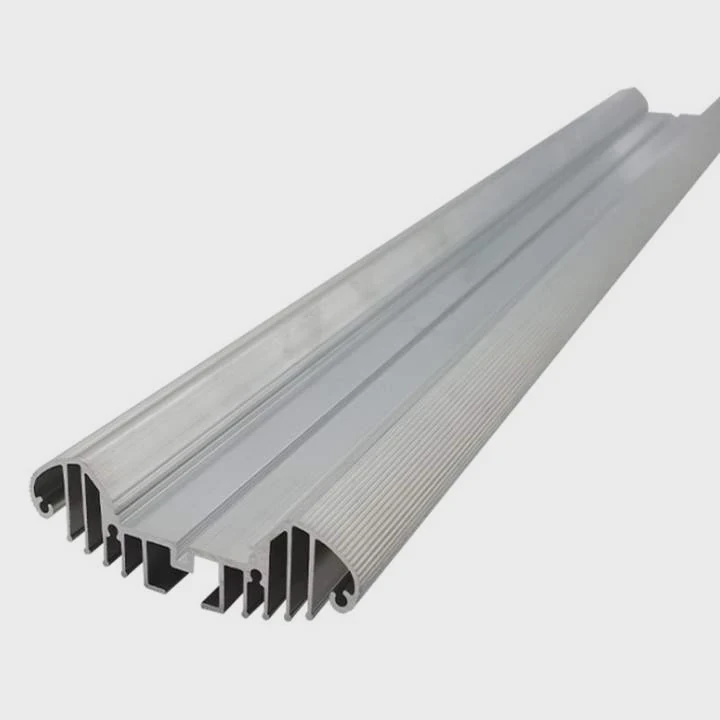
Modern electronics become smaller and more powerful each year. Yet heat keeps rising. Excess heat damages components, slows performance, and shortens lifespan.
A heat sink removes heat from electronic components and transfers it into the surrounding air or cooling system. This process keeps devices within safe operating temperatures, improves reliability, and prevents overheating failure in high-power electronics.
Heat management is now a critical part of electronic design. From laptops to electric vehicles, almost every high-power device needs a reliable cooling solution. Heat sinks play a central role in this process.
How does a heat sink reduce device temperature?
Electronic devices produce heat during operation. A heat sink absorbs this heat from the component and spreads it over a larger surface area, allowing the heat to dissipate into the surrounding air or cooling fluid.
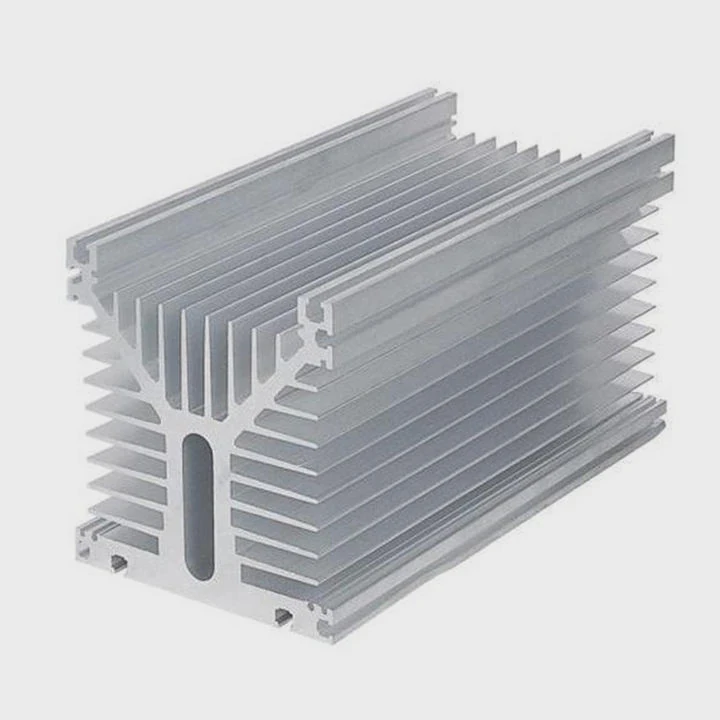
Electronic components such as processors, power modules, and transistors generate heat when electrical energy flows through them. This heat forms because electrical resistance converts part of the energy into thermal energy. If this heat remains trapped, the component temperature rises quickly.
A heat sink solves this problem through a simple but effective process.
The three main heat transfer stages
A typical heat sink cooling process includes three steps.
| Stage | Process | Purpose |
|---|---|---|
| Heat Conduction | Heat moves from the chip to the heat sink base | Transfers heat away from the source |
| Heat Spreading | Heat spreads across the fins of the heat sink | Increases heat distribution |
| Heat Dissipation | Heat releases into air or liquid | Removes heat from the system |
First, heat travels from the electronic chip to the heat sink base. This transfer usually happens through thermal interface materials such as thermal paste or pads. These materials remove air gaps and improve heat conduction.
Second, the heat spreads across the metal structure of the heat sink. Aluminum and copper are commonly used because they conduct heat efficiently.
Third, the heat moves from the heat sink surface into the surrounding air or liquid cooling system. This process is called convection.
Why surface area matters
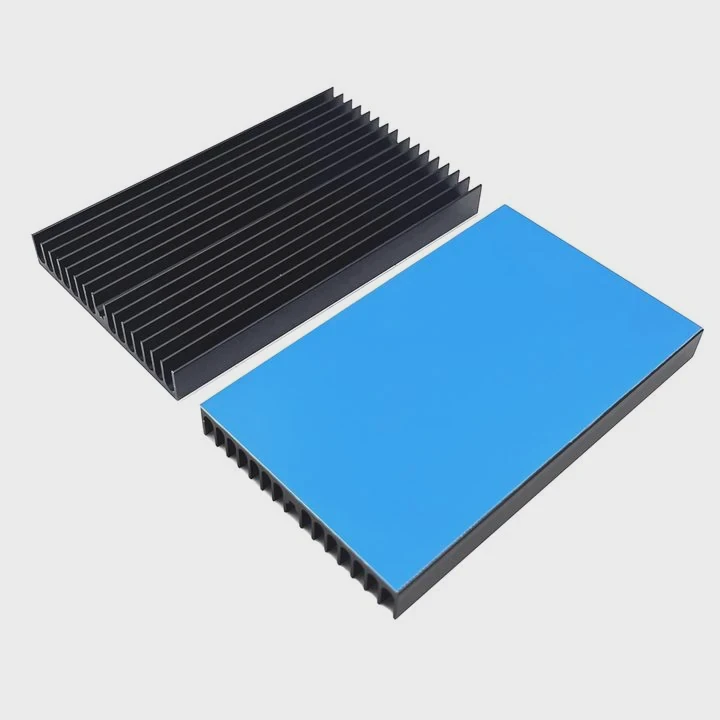
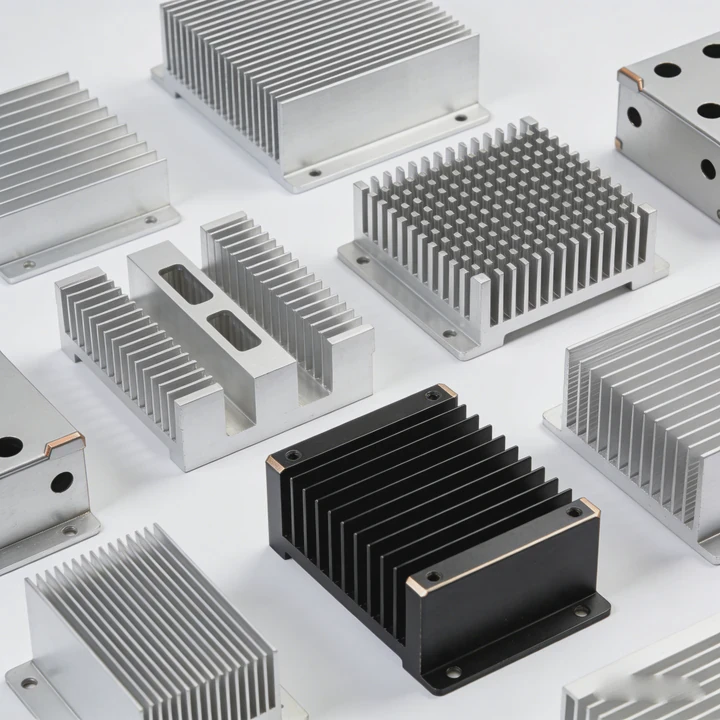
The fins on a heat sink are not decorative. They serve a clear thermal purpose.
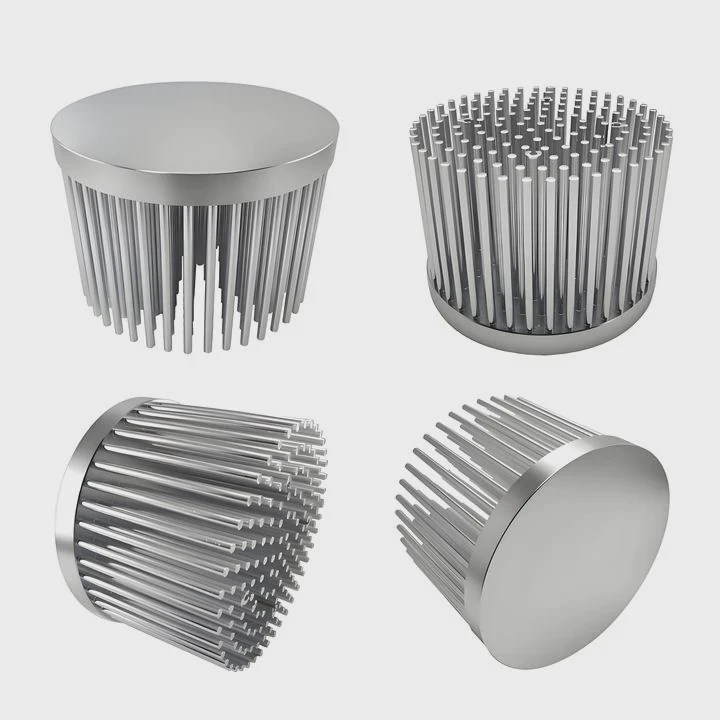
More fins create more surface area. A larger surface area allows more heat to escape into the surrounding air. This design greatly improves cooling efficiency.
Common heat sink cooling types
Heat sinks work in several different cooling systems.
| Cooling Type | Description | Typical Application |
|---|---|---|
| Passive Cooling | Heat dissipates naturally into air | LED lights, small electronics |
| Forced Air Cooling | Fans move air across the heat sink | Computers, power supplies |
| Liquid Cooling | Liquid removes heat from the heat sink | EV systems, high-power electronics |
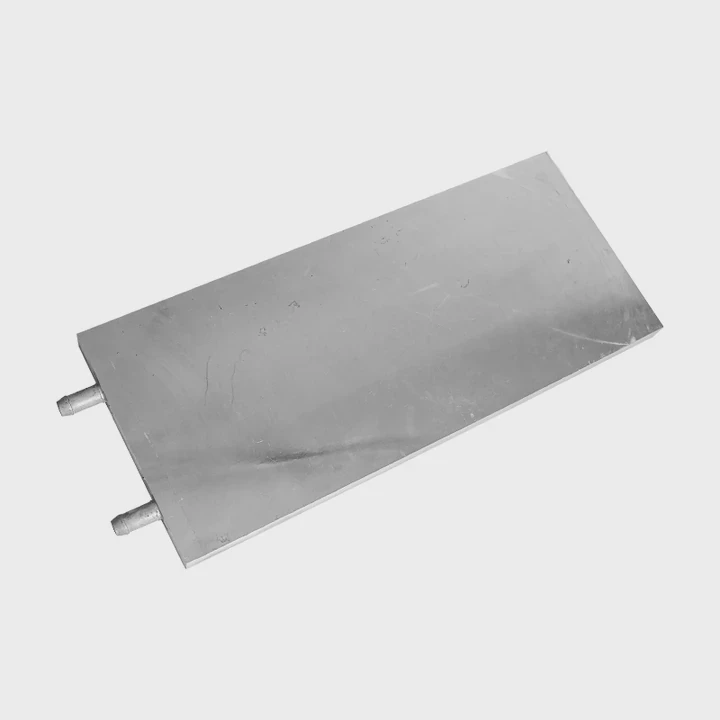
Passive cooling relies only on natural air movement. Forced air systems use fans to improve airflow. Liquid cooling systems move coolant across a cold plate or heat exchanger.
Each method still depends on the same core idea. The heat sink increases surface area and transfers heat away from sensitive components.
Without this thermal path, electronic devices would quickly reach unsafe temperatures.
Why are heat sinks essential for electronics?
Heat sinks are essential because excessive heat reduces electronic performance, causes component damage, and shortens product lifespan. By controlling temperature, heat sinks maintain stable operation and improve reliability.
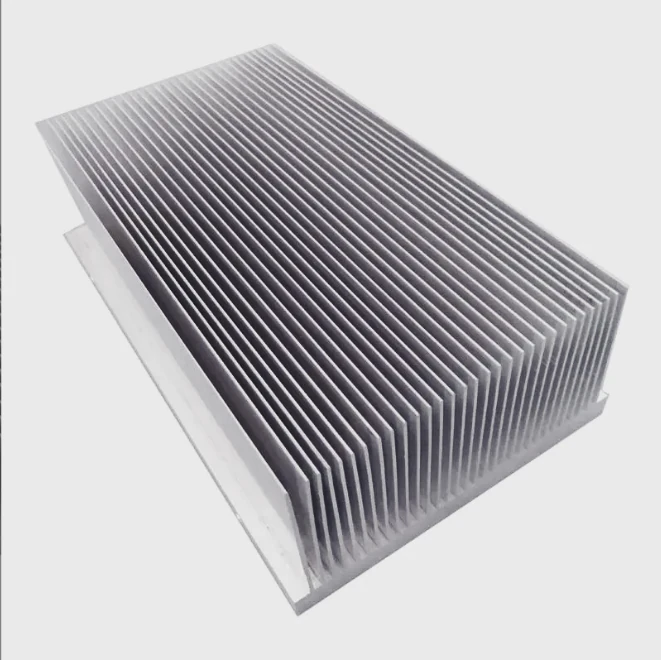
Electronic components operate within strict temperature limits. When these limits are exceeded, several problems appear.
The first problem is performance loss. Many processors automatically reduce their speed when temperatures rise too high. This behavior is called thermal throttling.
The second problem is long-term damage. High temperatures accelerate material degradation inside semiconductor devices.
The third problem is sudden failure. Extreme heat can permanently destroy circuits.
Temperature impact on electronic reliability
Temperature has a direct relationship with device lifespan.
| Temperature Increase | Effect on Electronics |
|---|---|
| +10°C | Failure rate can double |
| +20°C | Major reliability reduction |
| +40°C | High risk of permanent damage |
These values explain why thermal design is a key part of engineering.
Why power density keeps increasing
Modern electronics pack more power into smaller spaces. Several trends contribute to this challenge.
First, semiconductor devices continue to shrink in size. Smaller chips often operate at higher power densities.
Second, many industries now demand compact equipment. Smaller devices leave less space for natural airflow.
Third, high-performance computing and AI processing generate large heat loads.
These factors make heat sinks more important than ever.
Heat sinks improve product stability
Proper thermal management offers several benefits.
- Stable electronic performance
- Longer product lifespan
- Higher reliability in demanding environments
- Reduced risk of sudden system shutdown
Engineers often consider heat sink design early in product development. Cooling performance affects mechanical layout, power limits, and component selection.
Good thermal management is not just a protective feature. It directly supports product performance and customer satisfaction.
Where are heat sinks typically installed?
Heat sinks are installed directly on heat-generating components such as processors, power modules, LED chips, and voltage regulators. They are mounted where heat concentration is highest.
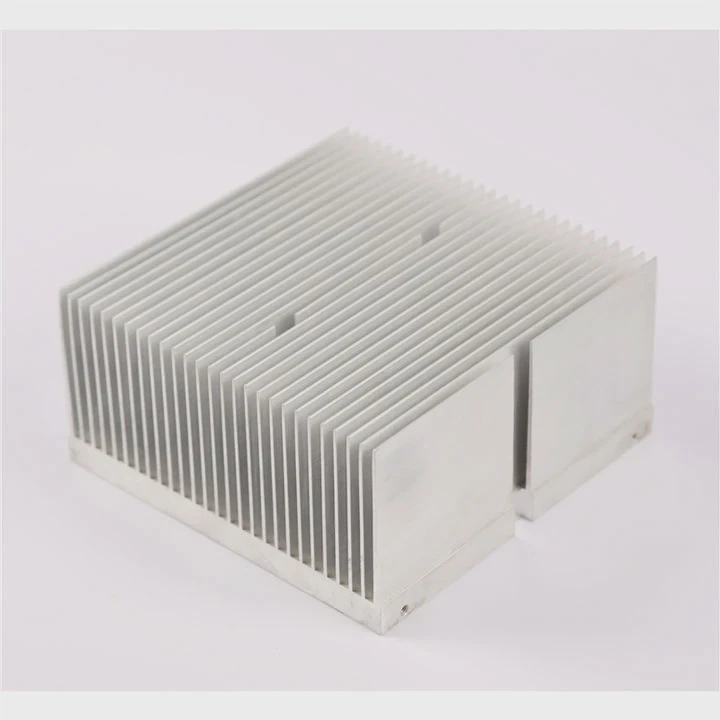
A heat sink must be positioned exactly where heat is produced. This placement allows the cooling system to capture heat before it spreads across the circuit board.
Several mounting methods are commonly used.
Typical heat sink mounting methods
| Mounting Method | Description | Common Applications |
|---|---|---|
| Clip Mount | Spring clips attach the heat sink to chips | CPUs and GPUs |
| Screw Mount | Bolts secure the heat sink to modules | Power electronics |
| Adhesive Mount | Thermal adhesive bonds heat sink | LED modules |
| Integrated Module | Heat sink built into system structure | Industrial equipment |
Each method provides stable contact between the heat source and the heat sink base.
Common locations inside electronic systems
Heat sinks appear in many different products.
Computer systems
Computers use heat sinks on processors, graphics cards, and power supply components. These devices generate large amounts of heat during heavy workloads.
Power electronics
Industrial power modules require strong thermal control. Heat sinks often combine with fans or liquid cooling systems.
LED lighting systems
High-power LED chips convert part of electrical energy into heat. Heat sinks prevent brightness loss and extend LED lifespan.
Electric vehicles and energy systems
Battery management systems, inverters, and power converters generate significant heat. Advanced heat sinks help maintain system safety.
The importance of thermal interface materials
A heat sink must make good thermal contact with the device. Even tiny air gaps can reduce heat transfer.
Thermal interface materials fill microscopic gaps between surfaces. These materials significantly improve thermal conductivity.
Without proper interface materials, even a large heat sink cannot perform well.
This detail shows how thermal design involves many small engineering decisions.
Which components benefit most from heat sinks?
Components that generate high power or operate under heavy electrical load benefit the most from heat sinks. These include processors, power transistors, LED chips, and power conversion modules.
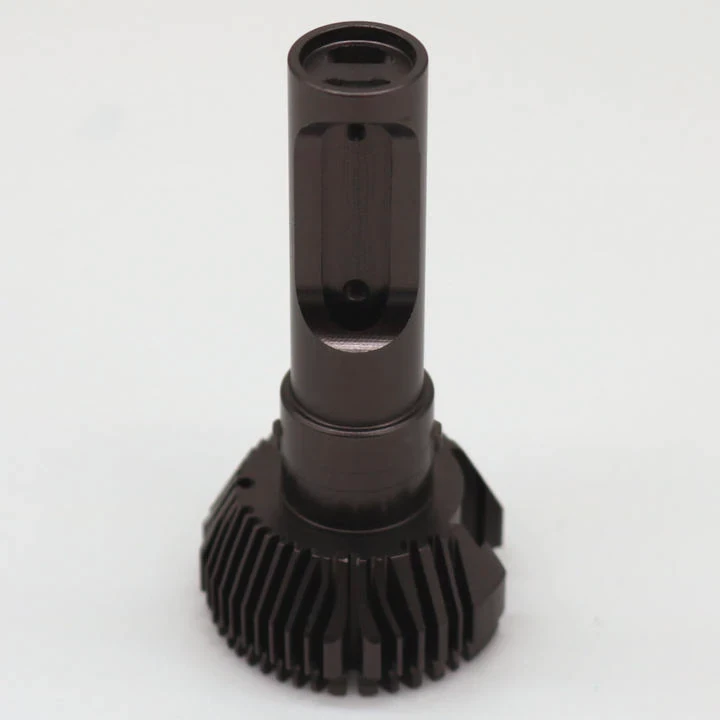
Some electronic components naturally produce more heat than others. These parts often require dedicated cooling solutions.
High-heat electronic components
| Component | Heat Source | Typical Industry |
|---|---|---|
| CPUs / GPUs | High computation load | Computers, servers |
| Power MOSFETs | Power switching losses | Power electronics |
| IGBTs | High voltage switching | Industrial systems |
| LED Chips | Electrical to light conversion losses | Lighting |
| Voltage Regulators | Power conversion | Consumer electronics |
Each of these components operates with high electrical current or voltage.
Processors and graphics chips
Processors perform billions of calculations each second. This activity generates significant heat inside a very small silicon chip.
Without cooling, a processor could reach dangerous temperatures in seconds.
Large finned heat sinks with fans are common solutions.
Power semiconductor devices
Power electronics rely on devices such as MOSFETs and IGBTs. These components switch high electrical currents.
Switching losses generate heat during operation. Heat sinks prevent overheating in systems such as inverters and motor drives.
High-power LED modules
LED lights appear efficient, but they still produce heat. If heat accumulates, LED brightness decreases and color stability changes.
Heat sinks maintain consistent light output and extend service life.
Industrial and high-power systems
Industries such as renewable energy, electric vehicles, and telecommunications rely heavily on advanced cooling systems.
Many of these systems now use complex heat sink designs such as:
- Vapor chamber heat sinks
- Liquid cooling plates
- Vacuum brazed heat sinks
- Integrated thermal modules
These solutions handle much higher heat loads than traditional passive heat sinks.
As electronic power density continues to grow, heat sinks will remain one of the most important tools in thermal management engineering.
Conclusion
Heat sinks protect electronic devices by removing excess heat and maintaining safe operating temperatures. They improve reliability, extend component lifespan, and support stable performance across modern electronics, power systems, and high-performance computing equipment.