Does Heat Rise or Sink?
- Yongxing
- 12 Mar ,2026
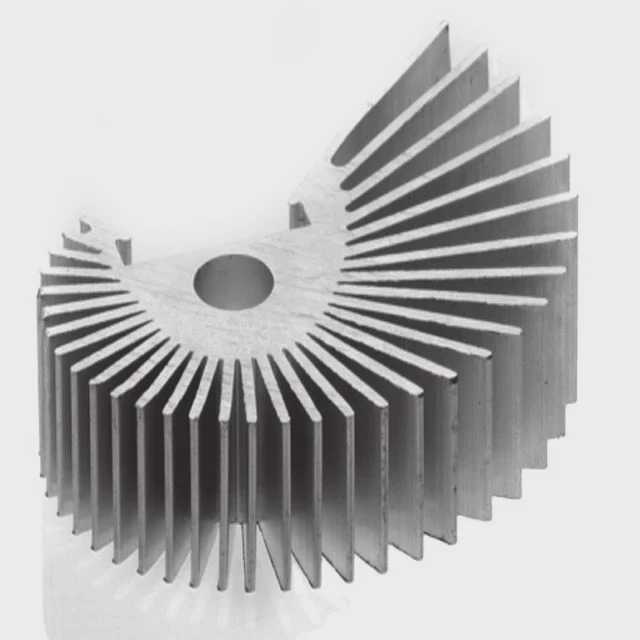
Hot rooms, warm ceilings, and cold floors confuse many people. Heat feels like it always rises, yet science shows the answer is more complex.
Heat does not rise or sink by itself. Heat moves from warmer areas to cooler areas. In air and fluids, convection makes warm air rise and cooler air sink because warm air becomes less dense.
Many people mix up heat transfer and air movement. To understand what truly happens, it helps to explore convection, density, airflow patterns, and the physical factors that control heat flow.
How does convection affect heat movement?
Warm spaces often show a clear pattern. The ceiling becomes warm while the floor remains cool. This common experience shows convection at work.
Convection moves heat through fluids like air or liquid. Warm fluid becomes lighter and rises, while cooler fluid becomes heavier and sinks, creating a continuous circulation that transfers heat.
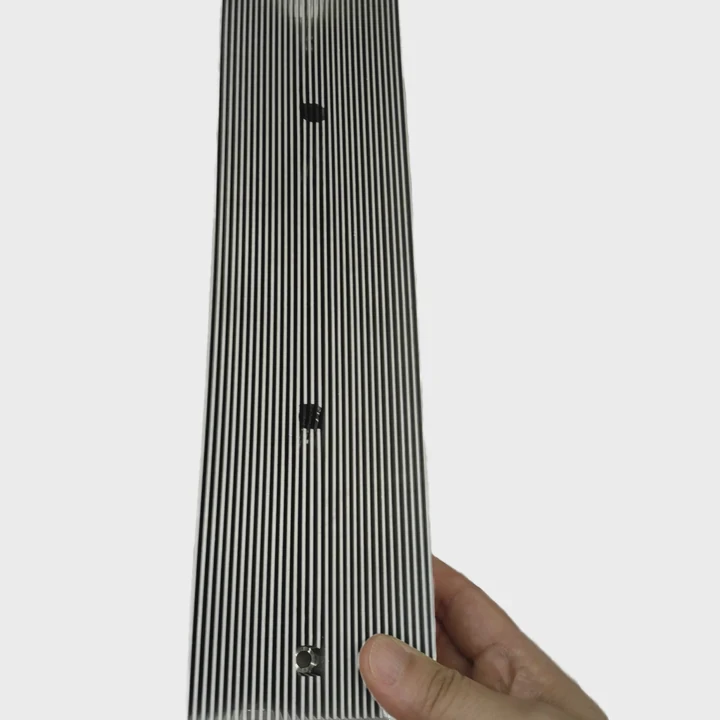
What convection really means
Convection is one of the three main ways heat moves. The other two are conduction and radiation. Convection happens only in fluids. Air and liquids both behave this way.
When air near a heat source warms up, its molecules move faster. The molecules spread slightly farther apart. The air becomes less dense. Because the surrounding cooler air is heavier, the warm air begins to rise.
As the warm air rises, cooler air flows in to replace it. This process creates a circular motion known as a convection current.
Simple convection cycle
The cycle continues as long as heat exists in the system.
| Step | What Happens | Result |
|---|---|---|
| 1 | Heat source warms nearby air | Air expands and density drops |
| 2 | Warm air rises | Cooler air moves toward heat source |
| 3 | Cooler air heats up | New warm air begins rising |
| 4 | Air cools at higher areas | Air sinks back down |
This constant movement spreads heat through the room.
Convection in real environments
Many daily systems rely on convection.
Home heating systems
Radiators and heaters warm the surrounding air. Warm air rises toward the ceiling. Cooler air sinks toward the floor and moves back toward the heater.
Weather systems
Large convection currents in the atmosphere drive wind, storms, and cloud formation.
Electronics cooling
Engineers often design airflow paths that allow warm air to move upward and exit equipment. This natural convection helps remove heat.
Why convection matters in thermal design
In heat management systems, convection can strongly affect cooling performance.
For example, equipment cabinets or power electronics often generate large amounts of heat. If airflow paths block convection currents, heat may accumulate and cause overheating.
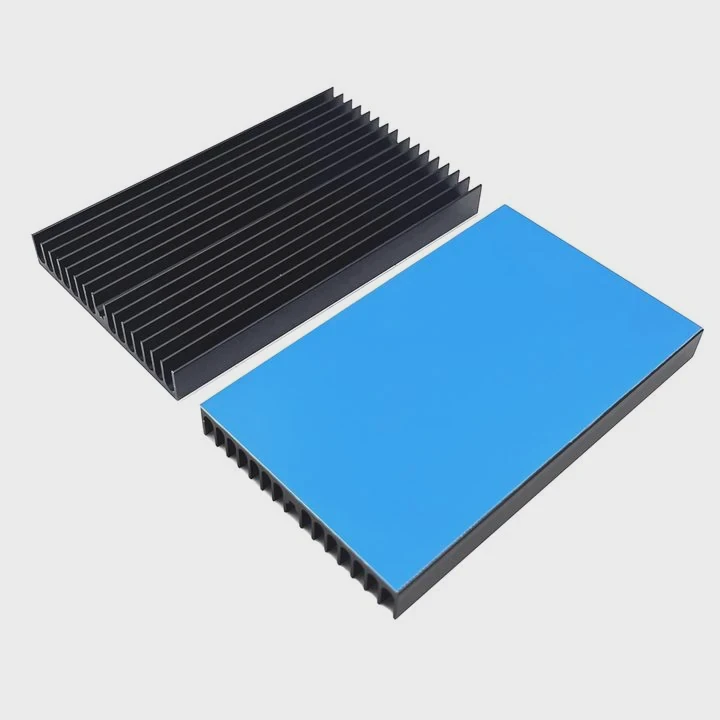
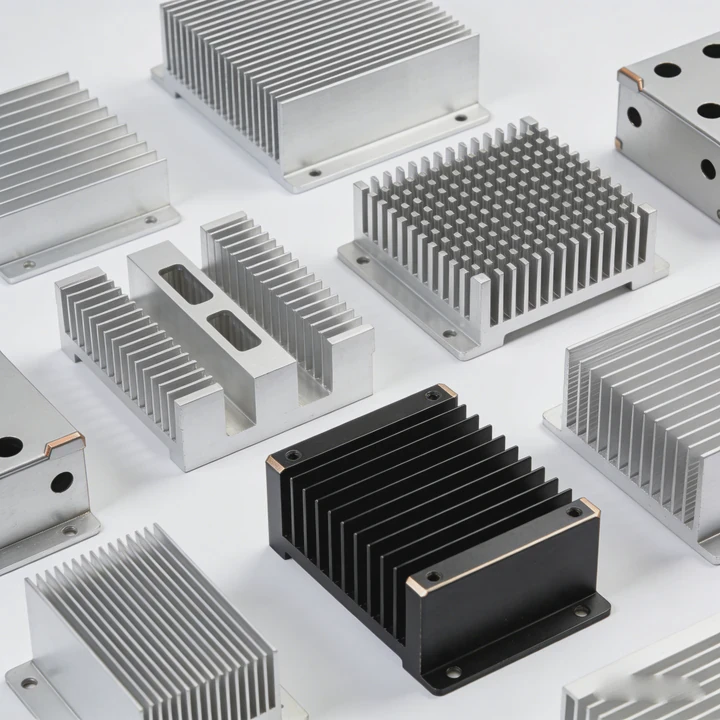
Many thermal engineers therefore design heat sinks, vents, and cooling channels that guide airflow naturally. The goal is simple: allow warm air to leave and allow cooler air to enter.
Understanding convection helps engineers predict temperature distribution inside complex systems.
Why does hot air move upward?
Many people say “heat rises.” In reality, hot air rises because its density decreases when temperature increases.
Hot air moves upward because heating causes air molecules to spread apart. This reduces density, making the warm air lighter than surrounding cooler air. Gravity then pushes the denser cool air downward, forcing warm air upward.
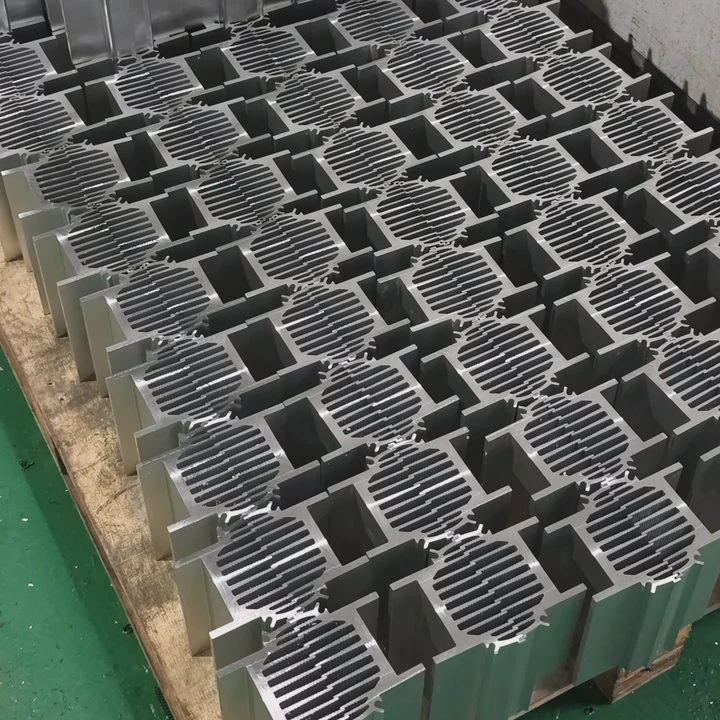
Density and temperature relationship
Air density changes with temperature. Warmer air expands. Cooler air contracts.
This relationship can be summarized simply.
| Air Temperature | Density | Movement Tendency |
|---|---|---|
| Hot air | Lower density | Moves upward |
| Warm air | Moderate density | Mixes gradually |
| Cool air | Higher density | Moves downward |
The difference may appear small, but it is enough to create airflow.
Molecular motion explains the process
At higher temperatures, molecules move faster. The molecules collide more often and push outward.
This outward pressure causes expansion. When expansion happens, the same mass of air occupies more space. That means the air becomes lighter per unit volume.
Gravity then pulls heavier surrounding air downward. This pushes the lighter warm air upward.
A simple example inside a room
Consider a heater placed near the floor.
- The heater warms the nearby air.
- The warm air becomes lighter.
- The warm air rises toward the ceiling.
- Cooler air moves along the floor toward the heater.
- The cycle repeats.
This process continues until temperatures become more balanced.
Effects in tall spaces
Hot air rising becomes more obvious in tall buildings, factories, and warehouses.
Warm air accumulates near the roof. This effect is called thermal stratification.
The result can look like this:
| Height Level | Typical Temperature |
|---|---|
| Near floor | Coolest |
| Mid-height | Moderate |
| Ceiling area | Warmest |
In industrial spaces, this can create large energy losses. Heat gathers near the ceiling while people remain in cooler air near the ground.
Many buildings solve this problem with ceiling fans or destratification fans. These systems mix the air and push warm air downward.
Why engineers pay attention to rising air
Designers of electronic equipment and power systems often place vents or exhaust openings at the top of devices.
Warm air naturally moves upward. When vents exist at the top, natural convection can remove heat without requiring large fans.
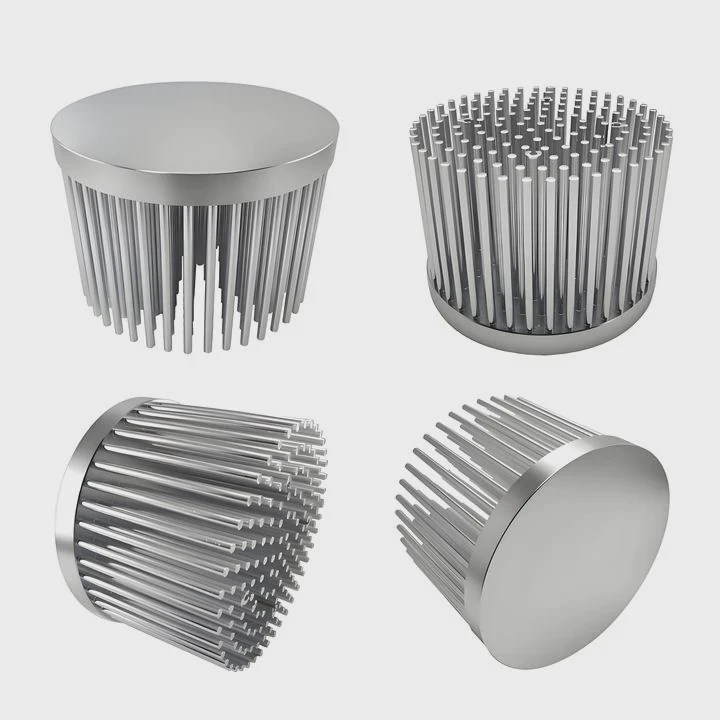
This principle also explains why many passive cooling systems rely on vertical heat sink fins.
Where does cooler air settle?
People notice cold air around floors or lower areas. This happens in basements, mountains, and even inside refrigerators.
Cooler air settles in lower areas because it becomes denser than warm air. Gravity pulls the heavier air downward, allowing it to collect at lower levels.
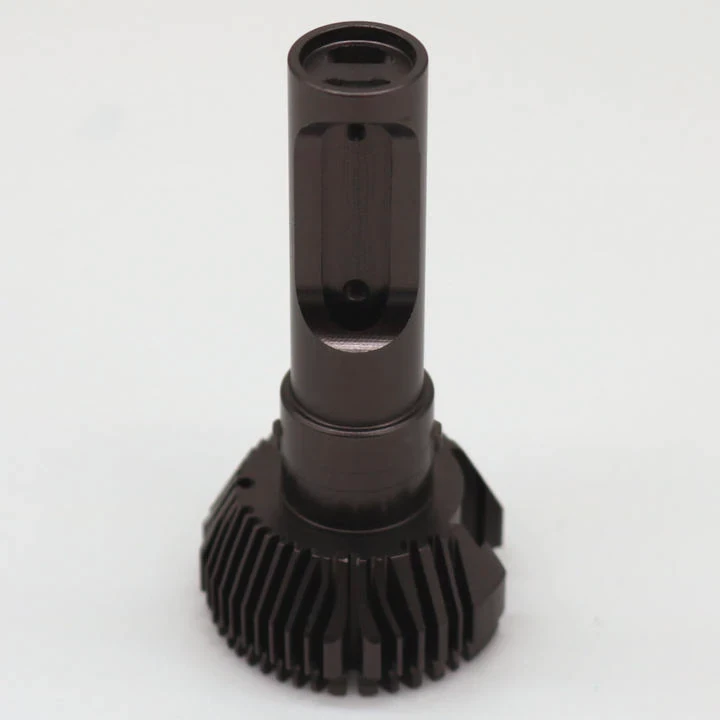
The behavior of cold air
Cold air molecules move more slowly. The molecules remain closer together.
Because the molecules occupy less space, the air becomes denser. Denser air weighs more than warm air at the same volume.
Gravity naturally pulls this heavier air downward.
Cold air layering
In enclosed spaces, cold air often forms layers.
This layering is called temperature stratification.
A typical vertical temperature pattern may look like this:
| Layer | Air Behavior |
|---|---|
| Upper layer | Warm air accumulates |
| Middle layer | Air mixes slowly |
| Lower layer | Cold air gathers |
This effect becomes stronger when air movement is weak.
Examples from daily life
Several common situations show how cold air settles.
Refrigerators
Cold air sinks to the bottom shelves. That is why vegetables and dairy products often stay cooler on lower shelves.
Mountain valleys
At night, cool dense air flows downhill and collects in valleys. This creates cold pockets called cold air pools.
Air-conditioned rooms
Cool air from air conditioners drops toward the floor before mixing with warmer air.
Challenges created by sinking cool air
In engineering and building design, sinking cool air can create uneven temperature zones.
For example:
- Equipment racks may have hot zones near the top.
- Cold air may stay trapped near the floor.
- Electronics may overheat if airflow circulation is poor.
Engineers often use airflow modeling to manage this effect. By guiding both warm and cool air paths, they can maintain stable temperatures across systems.
Controlled airflow improves cooling
Effective thermal systems combine three elements:
- Heat transfer surfaces
- Airflow channels
- Controlled convection paths
When these elements work together, warm air leaves the system while cool air enters efficiently.
Which factors influence heat flow direction?
Heat does not move randomly. Physical conditions determine where and how heat travels.
Heat always flows from higher temperature areas to lower temperature areas. The direction and speed of this flow depend on material properties, fluid motion, gravity, and temperature differences.
Temperature difference
Heat transfer begins when two areas have different temperatures.
The larger the temperature difference, the faster heat moves.
For example:
| Temperature Difference | Heat Flow Rate |
|---|---|
| Small difference | Slow transfer |
| Moderate difference | Medium transfer |
| Large difference | Rapid transfer |
This rule applies to conduction, convection, and radiation.
Material thermal conductivity
Some materials transfer heat better than others.
Metals conduct heat quickly, while plastics and air conduct heat slowly.
| Material | Thermal Conductivity | Heat Flow Behavior |
|---|---|---|
| Copper | Very high | Rapid heat spreading |
| Aluminum | High | Efficient cooling |
| Steel | Medium | Moderate transfer |
| Plastic | Low | Heat insulation |
| Air | Very low | Slow conduction |
High-conductivity materials are commonly used in thermal management systems.
Airflow and fluid motion
Air movement strongly affects heat flow direction.
Moving air carries heat away from surfaces. This is called forced convection.
Fans, pumps, or natural airflow can all create this effect.
Without airflow, heat transfer relies mostly on conduction and natural convection, which are slower.
Gravity and orientation
Gravity determines how fluids behave.
When heating occurs below cooler fluid, convection becomes strong. Warm fluid rises easily.
When heating occurs above cooler fluid, convection becomes weaker. The warm fluid remains near the top.
This is why the orientation of heat sinks, cooling channels, and airflow paths can greatly affect performance.
Surface area and geometry
Larger surface areas improve heat exchange.
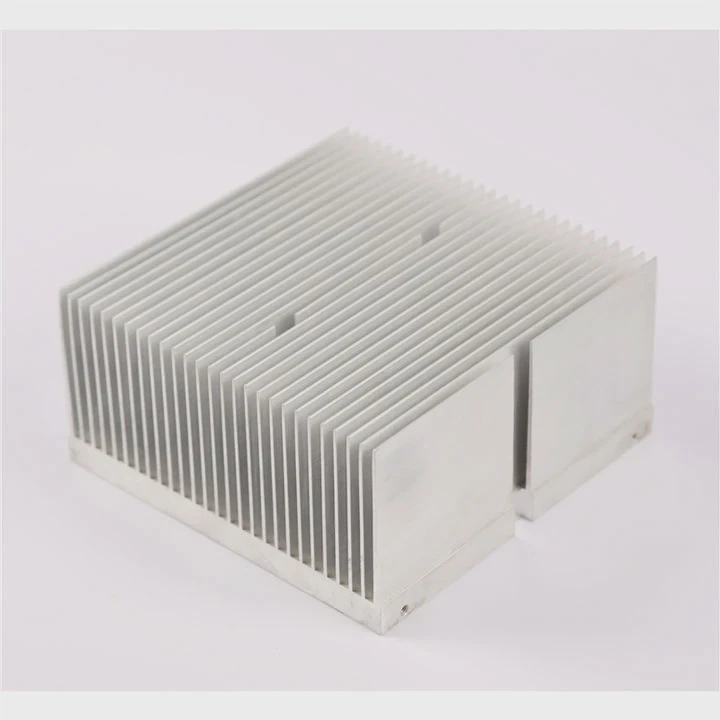
Heat sinks use fins to increase the contact area between metal and air.
More surface area means more heat can transfer to surrounding air.
System design integration
Effective thermal systems combine several elements:
- conductive materials
- large heat transfer surfaces
- controlled airflow
- optimized orientation
Engineers carefully design these features to guide heat away from sensitive components.
When these elements align correctly, systems remain stable even under high power loads.
Conclusion
Heat itself does not rise or sink. Heat always moves from hotter areas to cooler areas. In fluids like air, convection causes warm air to rise and cool air to sink, creating continuous circulation that distributes heat through the environment.