What Is the Purpose of the Heat Sink?
- Yongxing
- 12 Mar ,2026
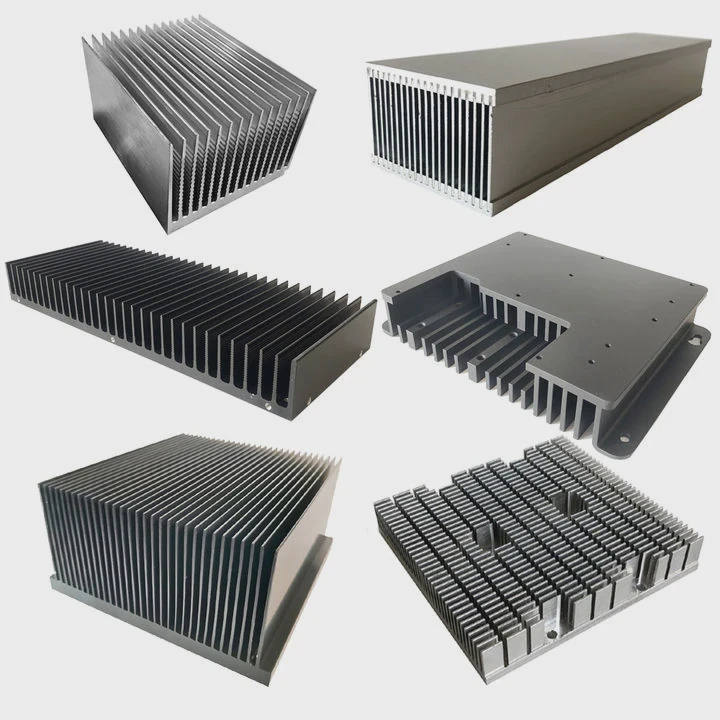
Electronic devices become hotter as power increases. Many engineers ignore this problem at first. Then systems slow down, fail, or burn out earlier than expected.
A heat sink removes heat from electronic components and spreads it into the surrounding air or liquid. This process lowers temperature, protects sensitive electronics, and ensures stable performance and longer device life.
Modern electronics run faster and smaller than before. Because of this, thermal management becomes a key part of product design. Understanding how heat sinks work helps engineers choose the right cooling solution.
How does a heat sink protect electronic components?
Small chips produce large amounts of heat during operation. If heat cannot escape quickly, temperatures rise. High temperature damages circuits and reduces reliability.
A heat sink protects electronic components by absorbing heat from the device and dissipating it into the surrounding environment. This keeps component temperature within a safe operating range.
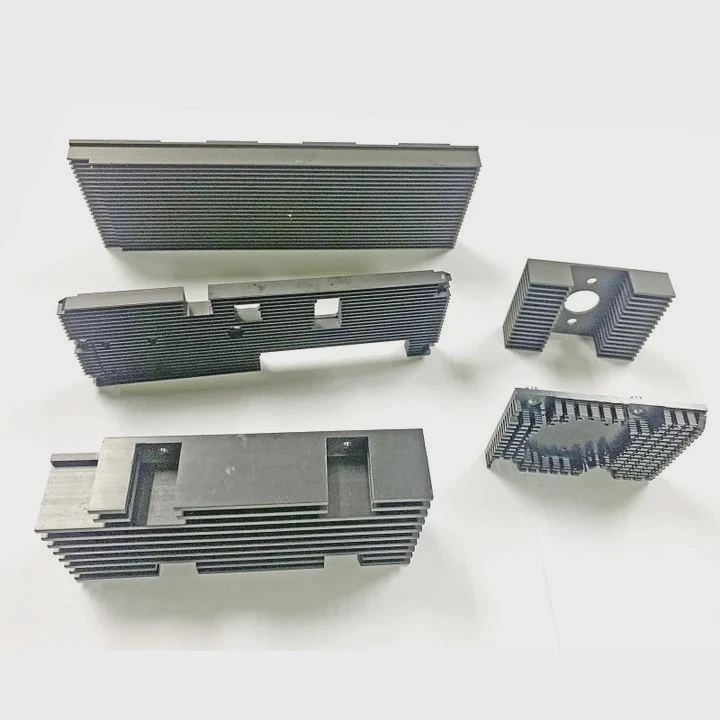
Electronic components such as CPUs, power modules, IGBTs, and voltage regulators all generate heat. Heat appears when electrical energy converts into thermal energy during operation. If this heat remains trapped in the device, the internal temperature rises quickly.
A heat sink solves this problem by creating a path for heat to travel away from the component.
Basic Heat Transfer Process
A heat sink works through three simple heat transfer steps.
| Step | Process | Explanation |
|---|---|---|
| 1 | Conduction | Heat moves from the electronic component into the heat sink base |
| 2 | Spreading | Heat spreads across the heat sink structure |
| 3 | Convection | Heat transfers from the fins to air or cooling liquid |
The base of the heat sink sits directly on the hot component. A thermal interface material often sits between them. This material removes air gaps and improves heat transfer.
Then heat spreads into the metal structure. Aluminum and copper are common materials because they conduct heat well.
Role of Fin Structures
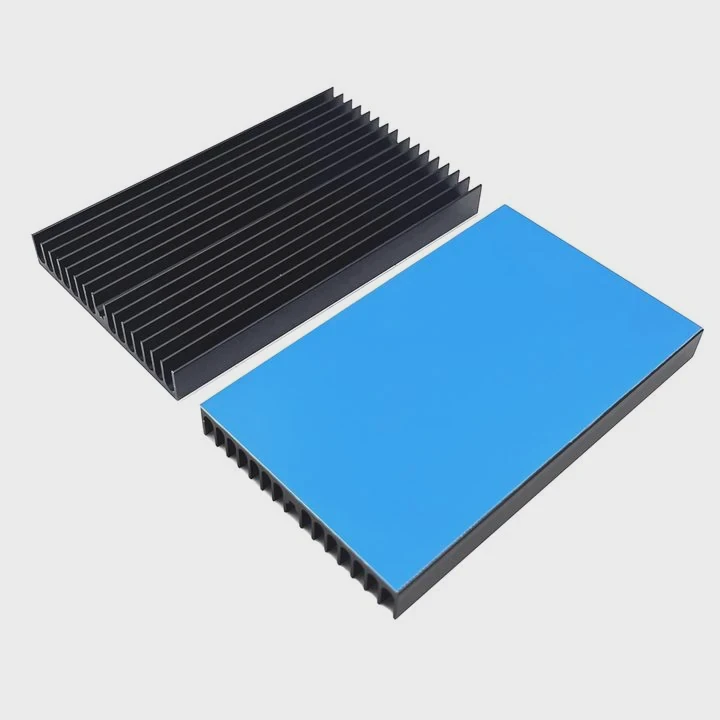
Heat sinks include fins to increase surface area.
More surface area means more contact with air. More contact allows heat to leave the device faster.
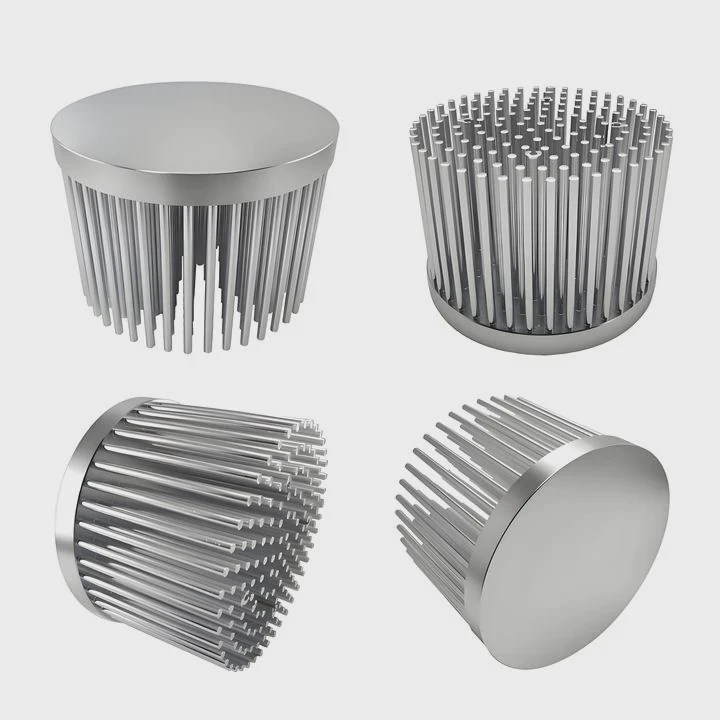
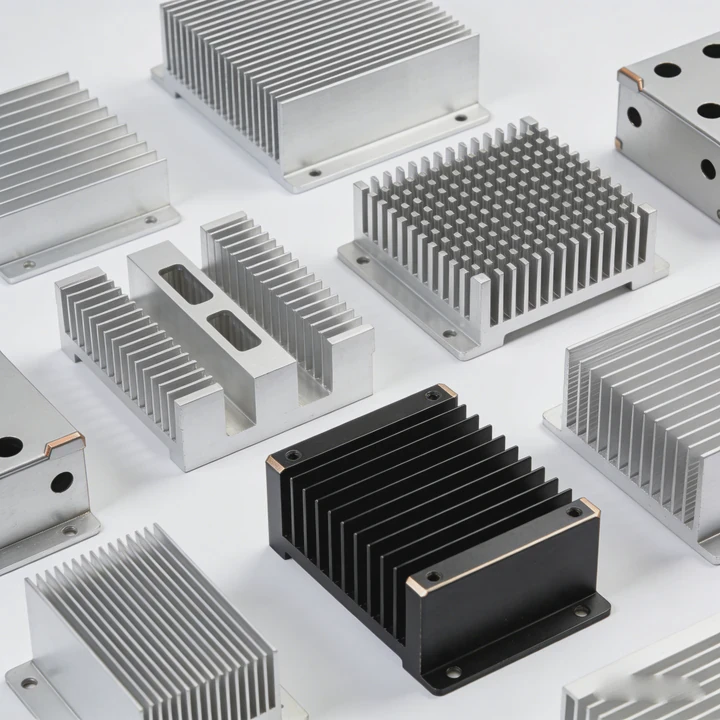
Typical fin structures include:
- Straight fins
- Pin fins
- Skived fins
- Folded fins
Each design changes airflow behavior. Engineers select the structure based on airflow speed, space limits, and cooling requirements.
Thermal Resistance and Protection
Thermal resistance measures how easily heat flows through a system.
Lower thermal resistance means better cooling performance.
| Cooling Element | Thermal Role |
|---|---|
| Chip package | Generates heat |
| Thermal interface | Transfers heat to heat sink |
| Heat sink base | Spreads heat |
| Fins | Release heat to air |
When thermal resistance remains low, electronic components stay below critical temperature limits.
This protection prevents:
- Thermal runaway
- Component degradation
- Sudden system shutdown
- Shortened product lifespan
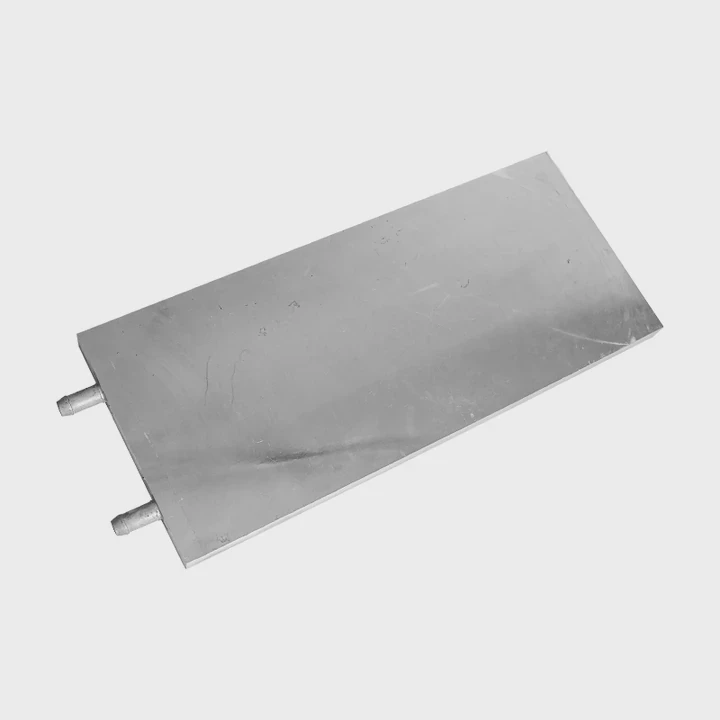
In high-power systems, engineers often combine heat sinks with fans or liquid cooling plates. This approach removes heat faster and protects electronics even under heavy loads.
Why does heat management matter in electronics?
Electronic devices become smaller but more powerful every year. Power density increases quickly. Without proper heat control, reliability drops.
Heat management matters because excessive temperature reduces electronic performance, causes component failure, and shortens the lifetime of devices. Effective thermal design ensures stable operation and energy efficiency.
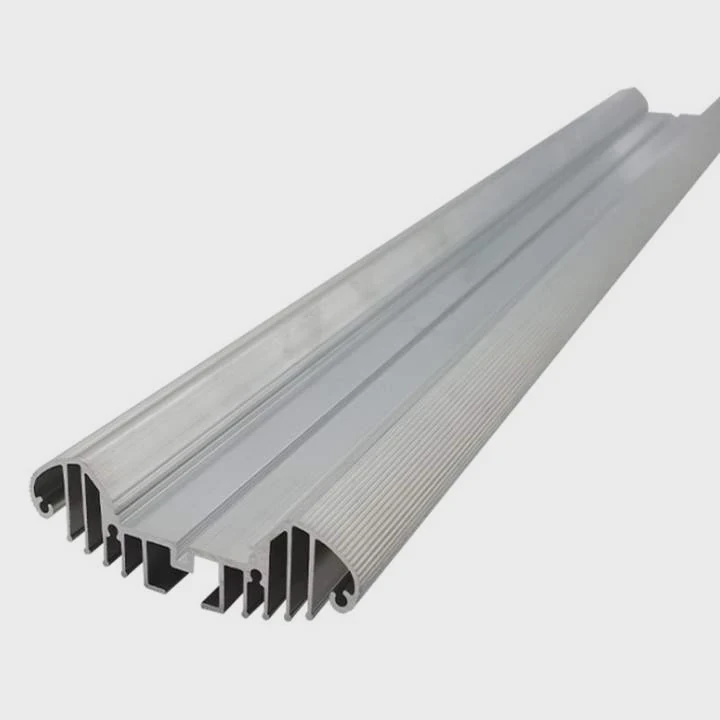
Every electronic component has a maximum safe temperature. When operating temperature exceeds this limit, several problems appear.
Performance Reduction
Most semiconductor devices lose efficiency as temperature rises.
Processors often reduce speed automatically when temperatures increase. This process is called thermal throttling.
Thermal throttling protects the device. But it also reduces system performance.
Reliability Problems
Long-term exposure to high temperature causes gradual damage.
Engineers often refer to the Arrhenius rule. This rule states that electronic failure rates increase rapidly with temperature.
A simple engineering rule often appears in reliability studies:
| Temperature Increase | Expected Lifetime Change |
|---|---|
| +10°C | Lifetime reduces by about 50% |
This means even small temperature changes can greatly affect product lifespan.
Material Stress and Expansion
Different materials expand at different rates when heated.
Electronic systems include many materials such as:
- silicon chips
- solder joints
- aluminum structures
- circuit boards
Temperature cycles cause expansion and contraction. Over time this movement creates mechanical stress.
Stress leads to problems such as:
- solder cracks
- component detachment
- board warping
Good heat management keeps temperatures stable. Stable temperatures reduce these mechanical failures.
Energy Efficiency and Safety
Heat also wastes energy.
If a device produces excess heat, more cooling power becomes necessary. Fans run faster. Liquid pumps consume more energy.
In some systems like battery packs or power electronics, overheating also creates safety risks.
Thermal design therefore becomes a core part of product engineering. Engineers must control heat flow from the earliest design stage.
Where is heat sink technology applied?
Many people associate heat sinks with computers. However, heat sinks appear in almost every modern electronic system.
Heat sink technology is applied in computers, power electronics, renewable energy systems, telecommunications equipment, medical devices, and transportation systems to control heat from high-power components.
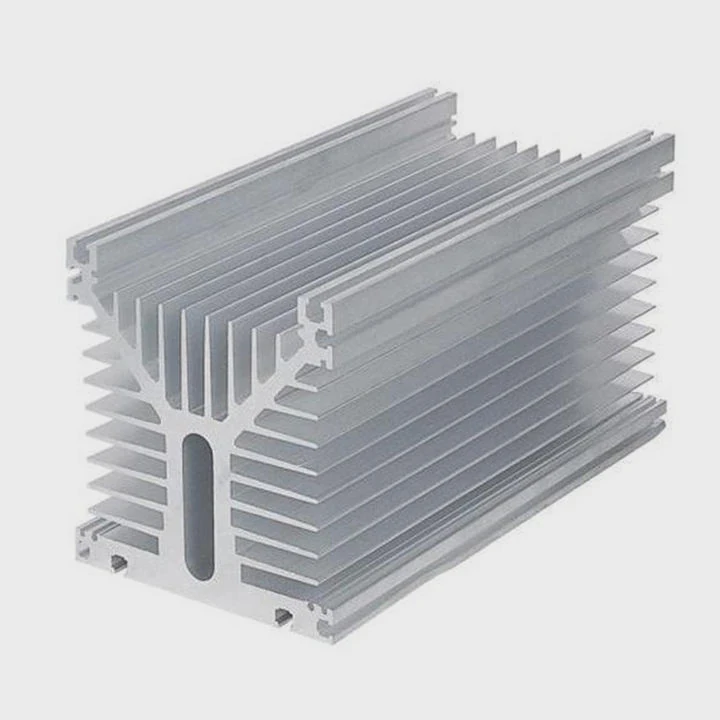
Heat sinks support many industries because electronics exist everywhere.
Consumer Electronics
Many consumer devices use compact heat sinks.
Common examples include:
- desktop CPUs
- gaming graphics cards
- laptop processors
- LED lighting modules
- power adapters
These devices generate concentrated heat in small spaces. Small aluminum heat sinks help maintain safe temperatures.
Industrial and Power Electronics
Industrial systems often generate much higher heat levels.
Examples include:
- motor drives
- power converters
- inverters
- industrial control equipment
These systems use large aluminum or copper heat sinks. Some systems also use liquid cooling plates.
Renewable Energy Systems
Renewable energy equipment also relies on heat sinks.
Solar inverters convert DC electricity into AC power. This conversion generates significant heat.
Wind turbine control systems also include power electronics that require cooling.
Transportation and Electric Vehicles
Electric vehicles depend heavily on thermal management.
Several EV components require strong cooling systems:
| Component | Cooling Requirement |
|---|---|
| Power inverter | High heat from switching devices |
| Battery pack | Temperature stability for safety |
| Motor controller | Continuous high current |
| Onboard charger | Power conversion heat |
Heat sinks help maintain safe temperatures and improve system reliability.
Telecommunications and Data Centers
5G base stations and data centers process massive data loads.
High-performance processors and network chips generate significant heat.
Large heat sinks and advanced cooling modules remove this heat and maintain stable operation.
As computing power continues to increase, the role of heat sinks in communication infrastructure becomes even more important.
Which advantages do heat sinks provide?
Electronic systems need reliable cooling solutions. Heat sinks offer a simple and effective method to remove heat.
Heat sinks provide advantages such as improved reliability, extended component lifespan, stable performance, energy efficiency, and cost-effective thermal management.
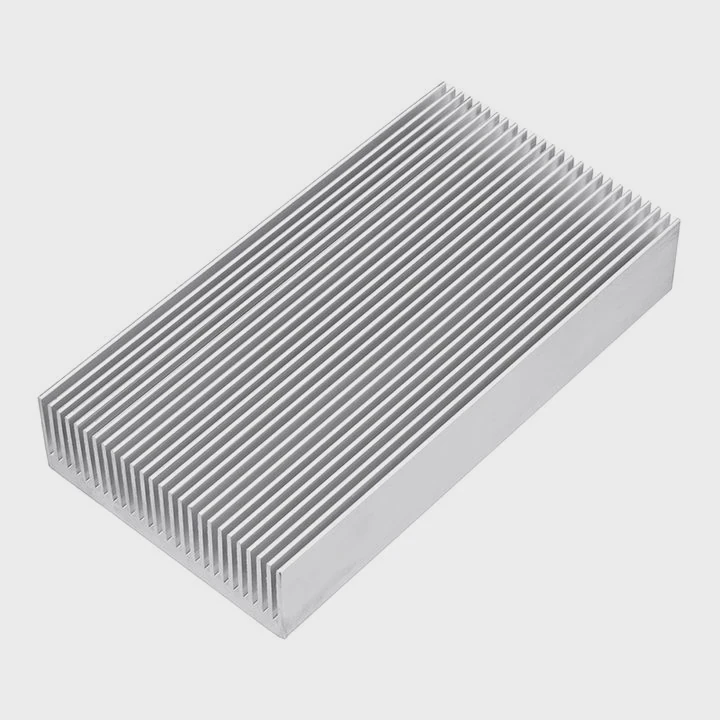
Heat sinks remain popular because they offer strong performance with relatively simple design.
Passive Cooling Capability
Many heat sinks work without any moving parts.
Passive cooling systems rely only on natural airflow. This design reduces maintenance and noise.
Fanless cooling also improves reliability because mechanical parts cannot fail.
Improved Device Lifespan
Lower temperature directly increases electronic lifespan.
Components operating within safe temperature limits experience slower material degradation.
This benefit becomes especially important for:
- industrial equipment
- telecom infrastructure
- medical electronics
- transportation systems
These systems must operate continuously for many years.
Cost Efficiency
Compared with complex cooling systems, heat sinks remain affordable.
Manufacturing processes such as extrusion, skiving, and die casting allow large-scale production.
The simple structure reduces production cost while maintaining good thermal performance.
Lightweight and Flexible Design
Modern heat sinks often use aluminum alloys.
Aluminum offers several advantages:
| Property | Benefit |
|---|---|
| High thermal conductivity | Efficient heat spreading |
| Low weight | Ideal for portable devices |
| Corrosion resistance | Long service life |
| Easy manufacturing | Flexible design shapes |
Engineers can also combine heat sinks with heat pipes, vapor chambers, or liquid cooling plates.
This modular design allows cooling solutions to scale from small electronics to high-power industrial equipment.
Stable System Performance
Temperature stability improves electronic performance.
When devices operate at lower temperatures:
- signal integrity improves
- electrical resistance remains stable
- processor performance remains consistent
Stable temperature also reduces unexpected shutdowns.
For many engineers, thermal design becomes just as important as electrical design. A well-designed heat sink often determines whether a product succeeds in real-world operation.
Conclusion
Heat sinks play a critical role in modern electronics. They remove excess heat, protect sensitive components, and improve system reliability. As power density increases across industries, effective heat sink design becomes essential for maintaining safe and stable electronic performance.