What Is the Heat Sink?
- Yongxing
- 12 Mar ,2026
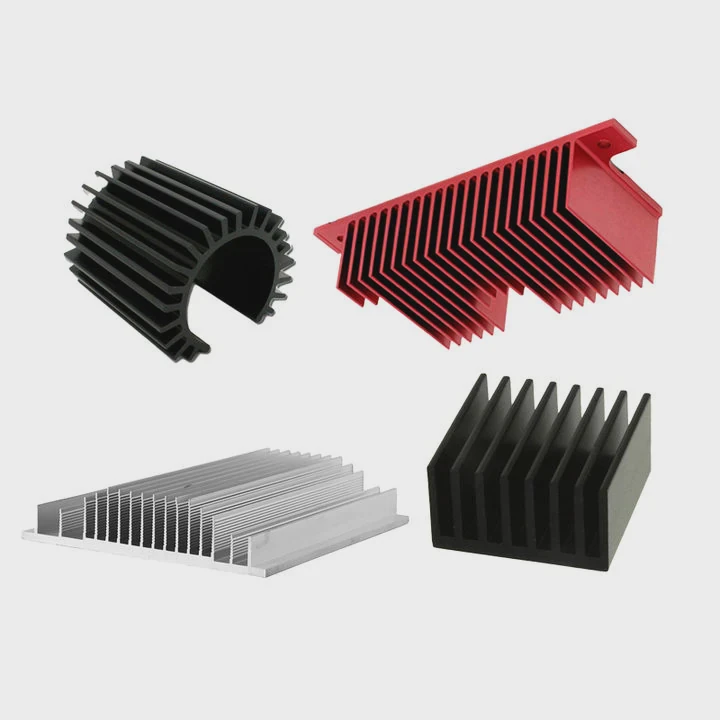
Electronic devices keep getting smaller. At the same time, their power keeps rising. Heat quickly builds inside chips. Without control, heat can damage circuits, reduce performance, and shorten product life.
A heat sink is a thermal component that absorbs and spreads heat away from electronic devices. It transfers heat from a hot surface into the surrounding air or liquid, which helps keep electronic components within safe operating temperatures.
Modern electronics cannot run safely without proper heat control. Heat sinks play a key role in thermal management systems. Understanding how they work helps engineers design reliable devices.
How Does the Heat Sink Reduce Thermal Buildup?
Heat is the silent enemy of electronics. Chips generate heat every second while working. If the heat stays trapped, the temperature rises fast and the device may fail.
A heat sink reduces thermal buildup by conducting heat away from a hot component and spreading it across a larger surface area, where it can dissipate into the surrounding air or cooling system.
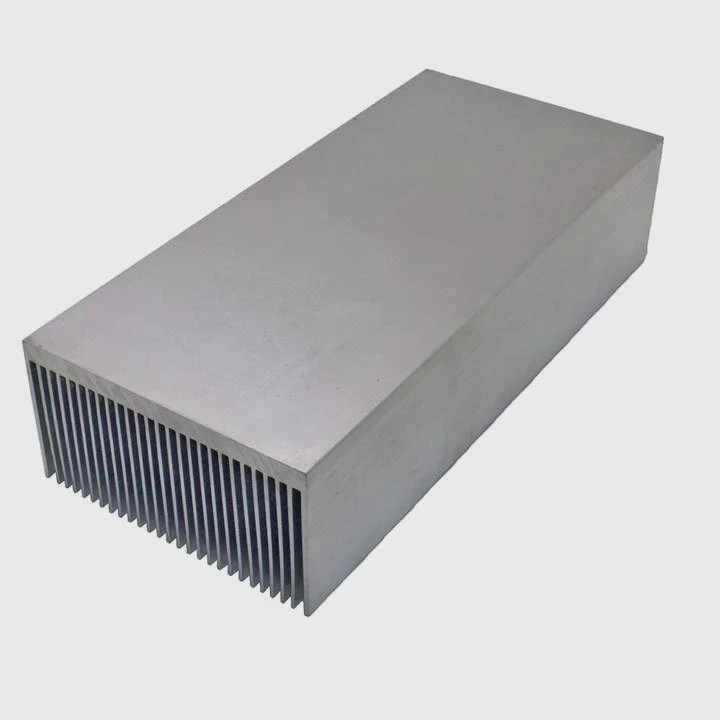
The Basic Principle of Heat Transfer
A heat sink works through three simple heat transfer steps.
- Heat moves from the electronic component to the heat sink base.
- Heat spreads through the metal structure of the heat sink.
- Heat releases into air or coolant through fins and surfaces.
The process depends mainly on thermal conduction and convection.
| Heat Transfer Stage | Description | Key Factor |
|---|---|---|
| Heat Absorption | Heat moves from chip to heat sink base | Thermal interface |
| Heat Spreading | Heat spreads through metal structure | Material conductivity |
| Heat Dissipation | Heat leaves fins into air or liquid | Surface area |
Why Surface Area Matters
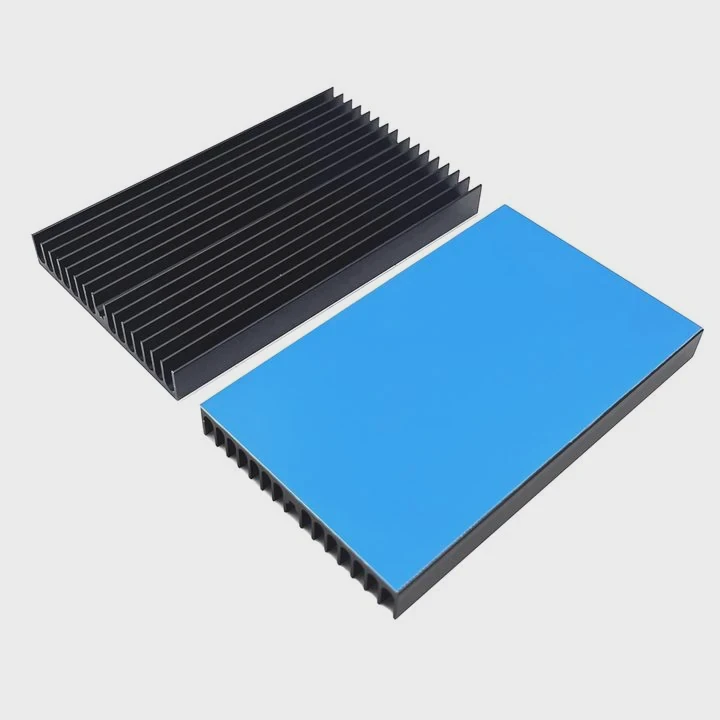
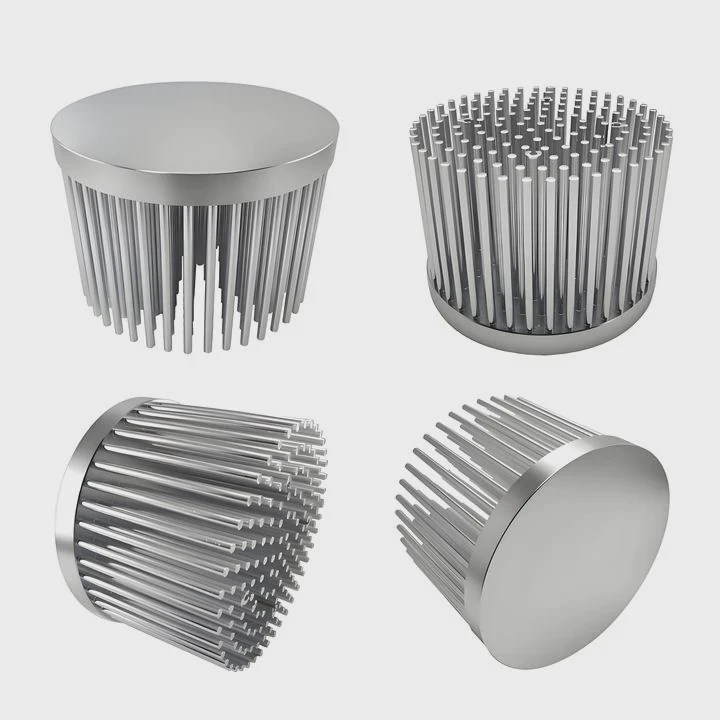
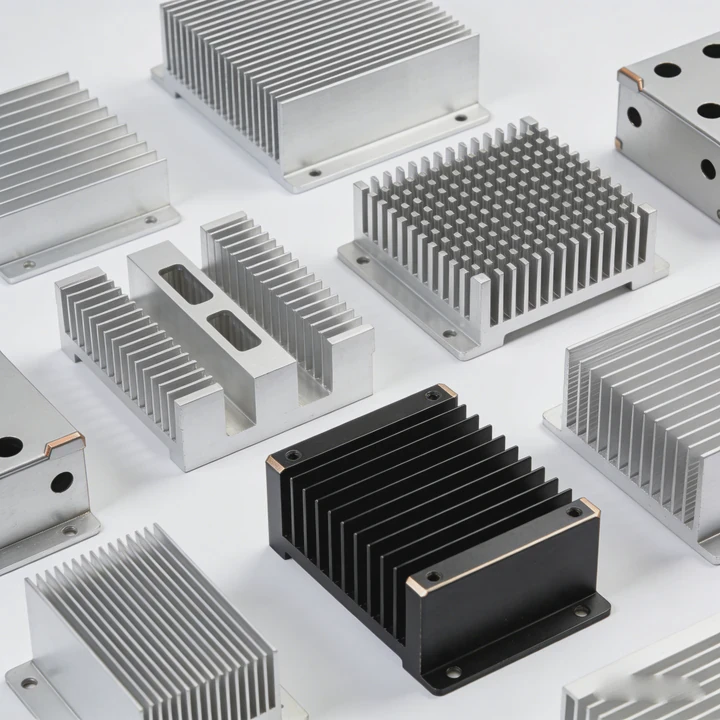
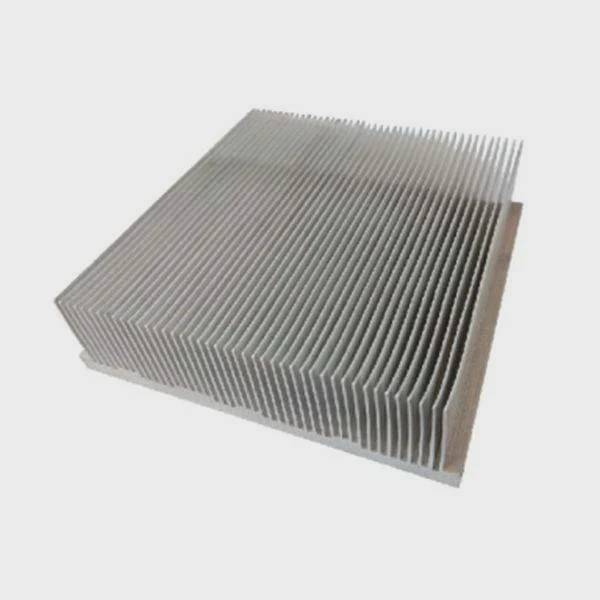
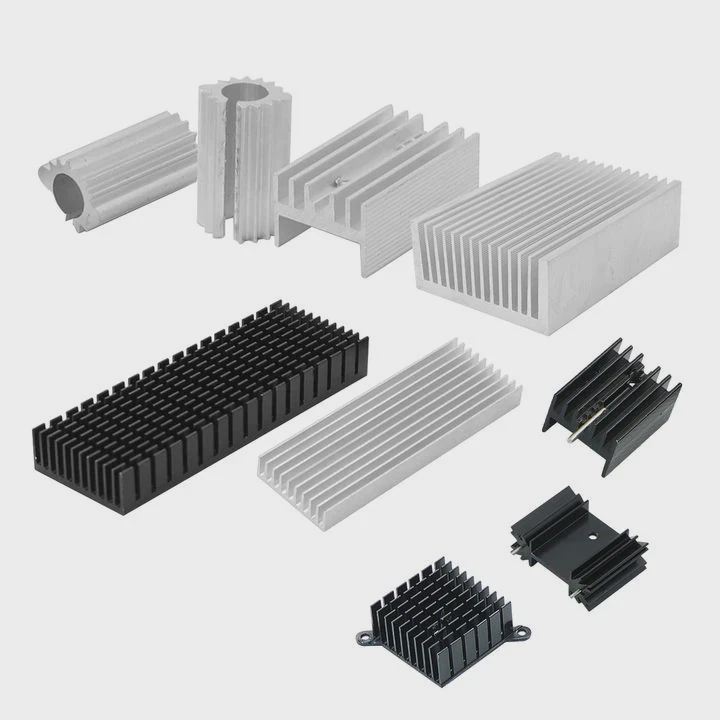
Heat sinks usually have many thin fins. These fins increase the surface area. A larger surface area allows more heat to escape.
More fins mean more air contact. More air contact means better cooling.
For example, a flat metal block releases heat slowly. But a finned heat sink releases heat much faster because air flows between the fins.
Material Selection
Material choice strongly affects cooling performance.
Most heat sinks use aluminum or copper because both conduct heat well.
| Material | Thermal Conductivity | Advantages |
|---|---|---|
| Aluminum | ~205 W/m·K | Lightweight, low cost |
| Copper | ~385 W/m·K | Higher conductivity |
| Aluminum Alloys | 150–200 W/m·K | Strong and manufacturable |
Copper moves heat faster than aluminum. But aluminum is lighter and easier to produce in complex shapes.
Passive vs Active Cooling
Some heat sinks work alone. Others work with fans or liquid cooling systems.
Passive cooling uses only natural airflow. Active cooling uses fans or pumps to move air or liquid.
Active cooling removes heat faster. However, passive cooling is silent and reliable.
Thermal Interface Materials
Heat cannot move efficiently if air gaps exist between the chip and the heat sink.
Engineers add thermal interface materials (TIM) such as thermal paste or pads. These materials fill microscopic gaps and improve heat conduction.
Without TIM, cooling efficiency drops dramatically.
In high-power systems, even a small improvement in thermal resistance can greatly improve reliability.
Why Is a Heat Sink Attached to Chips?
Modern chips contain billions of transistors. Each transistor produces a small amount of heat. When billions operate together, heat becomes significant.
A heat sink is attached to chips to remove the heat generated during operation and keep the chip temperature within safe limits, preventing overheating, performance throttling, and permanent damage.
Heat Generation in Semiconductor Devices
Electronic chips convert electrical energy into computation. However, not all energy becomes useful work. Some energy turns into heat.
Several factors produce heat in chips:
- Switching losses
- Leakage currents
- Resistance in circuits
- High processing loads
As chip density increases, heat density increases too.
This is why thermal management has become one of the biggest challenges in electronics design.
Temperature Limits of Chips
Every semiconductor device has a maximum junction temperature. If this limit is exceeded, the chip may fail.
| Device Type | Typical Max Junction Temperature |
|---|---|
| CPUs | 90–105°C |
| GPUs | 85–100°C |
| Power Modules | 125–175°C |
| Automotive Electronics | up to 150°C |
Without proper cooling, these temperatures can rise quickly.
Performance Throttling
Modern processors include thermal protection. When temperature rises too high, the chip automatically reduces performance.
This process is called thermal throttling.
Thermal throttling protects the chip but slows the device. Computers become slower. Servers lose computing power. Industrial machines reduce efficiency.
Heat sinks help maintain stable performance by keeping temperatures lower.
Reliability and Lifetime
Temperature directly affects component lifetime.
Electronic components follow the Arrhenius rule. In simple terms, every 10°C increase in temperature can cut lifetime roughly in half.
That means cooling is not only about performance. It is also about durability.
A well-designed heat sink can greatly increase the lifespan of electronic equipment.
Compact Electronics Need Better Cooling
Devices continue to shrink while power continues to rise.
Examples include:
- AI processors
- electric vehicle power electronics
- 5G base stations
- high-power lasers
These systems produce intense heat in small spaces.
Because of this, modern heat sinks often combine advanced technologies such as:
- vapor chambers
- heat pipes
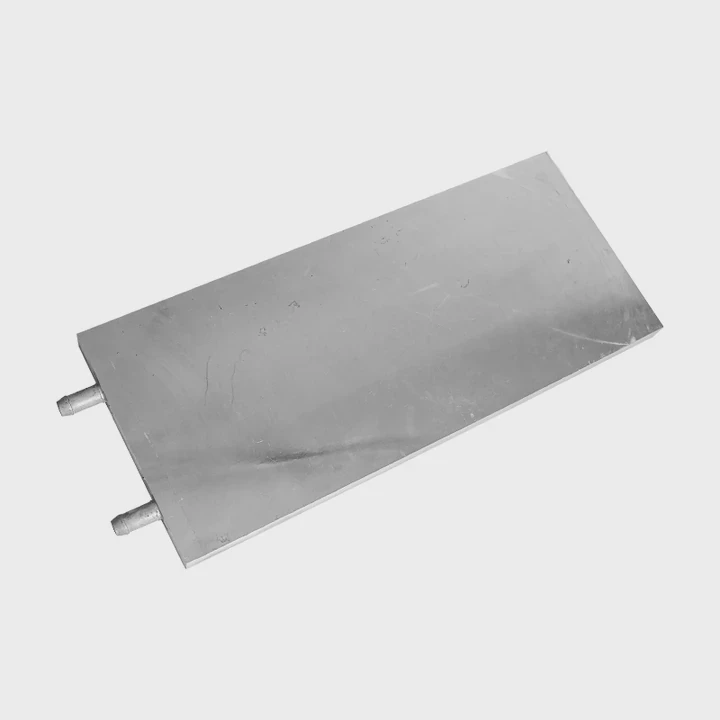
- liquid cooling plates
- phase change cooling modules
These solutions help move heat away from chips faster than traditional designs.
Where Is the Heat Sink Typically Installed?
Many people see heat sinks inside computers, but they exist in many other places. They appear anywhere electronic components produce heat.
Heat sinks are typically installed directly on top of heat-generating components such as processors, power modules, LEDs, and power transistors to efficiently transfer heat away from sensitive electronics.
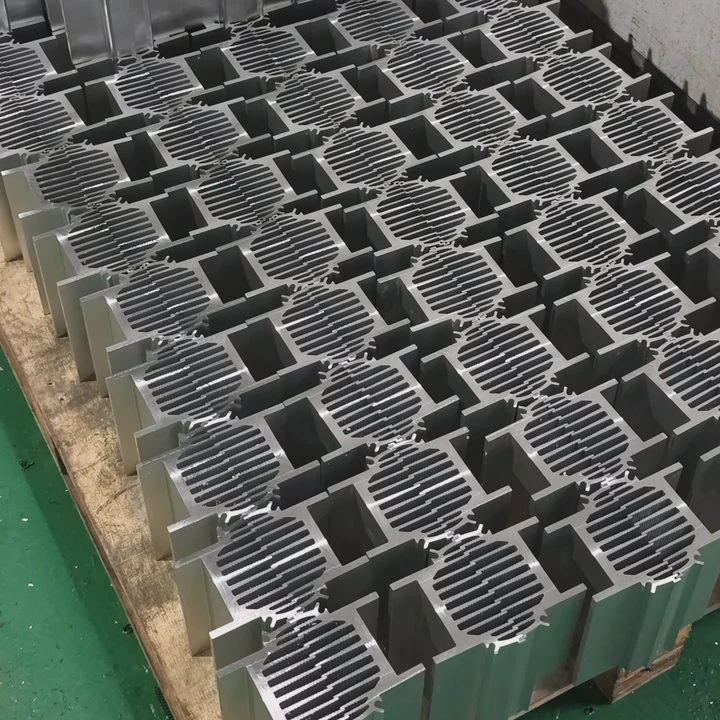
Direct Chip Mounting
The most common installation location is directly on top of a semiconductor chip.
The heat sink sits on the chip package. Thermal paste or pads fill the small gap between surfaces.
Mechanical clips, screws, or spring mounts hold the heat sink tightly in place.
Good mounting pressure improves thermal contact.
Power Electronics Systems
Power electronics generate large amounts of heat. Devices such as IGBTs, MOSFETs, and rectifiers require strong cooling.
Heat sinks often attach directly to power modules.
These systems appear in:
- electric vehicles
- solar inverters
- industrial motor drives
- energy storage systems
The cooling solution often includes large aluminum heat sinks or liquid cooling plates.
Printed Circuit Boards (PCB)
In many systems, heat sinks mount directly onto the PCB.
Small extruded heat sinks can attach to voltage regulators, memory chips, and power controllers.
These heat sinks help distribute heat across the board.
LED Lighting Systems
High-power LED lighting requires effective thermal control.
LED chips convert much energy into heat. If the temperature rises too high, brightness drops and lifespan decreases.
Heat sinks usually form part of the LED lamp body.
Installation Methods
Different mounting methods exist depending on device design.
| Mounting Method | Typical Use |
|---|---|
| Clips | CPUs and GPUs |
| Screws | Power electronics |
| Thermal adhesive | Small chips |
| Spring mounts | High reliability systems |
Correct mounting ensures stable thermal contact.
Even a well-designed heat sink performs poorly if installation pressure or alignment is wrong.
Integration With Cooling Systems
In advanced systems, heat sinks integrate with airflow channels, fans, or liquid loops.
For example:
- servers use heat sinks with high-speed fans
- electric vehicles use liquid cooling plates
- telecom systems use large passive fin heat sinks
Thermal engineers design the entire system around airflow and heat paths.
The heat sink becomes a core part of the thermal architecture.
Which Devices Rely Heavily on Heat Sinks?
Almost every modern electronic device depends on heat sinks. Some industries rely on them even more because of extreme heat loads.
Devices that rely heavily on heat sinks include computers, power electronics, LED lighting systems, telecommunications equipment, and electric vehicle power modules.
Computers and Data Centers
CPUs and GPUs generate large heat loads.
High-performance processors can produce over 300 watts of heat.
Data centers contain thousands of processors working continuously.
Heat sinks combined with airflow cooling help maintain stable temperatures.
Without proper cooling, servers would fail quickly.
Power Electronics
Power devices convert electricity between voltage levels. This process generates heat.
Examples include:
- inverters
- motor drives
- converters
- battery systems
Large aluminum heat sinks or liquid cooling modules handle these heat loads.
Electric Vehicles
Electric vehicles contain several high-power systems:
- traction inverters
- onboard chargers
- battery management systems
- DC-DC converters
These components produce significant heat.
Thermal management systems use liquid-cooled heat sinks and cooling plates to maintain safe operating temperatures.
Telecommunications Equipment
5G communication equipment generates high heat density.
Base stations operate continuously outdoors. They must survive high temperatures and harsh environments.
Large passive heat sinks with deep fins help dissipate heat without requiring high power consumption.
Industrial Equipment
Many industrial systems operate in harsh environments. Examples include:
- laser equipment
- medical imaging devices
- railway electronics
- aerospace systems
These systems require stable thermal control to maintain precision and reliability.
| Industry | Heat Sink Application |
|---|---|
| Data Centers | CPU & GPU cooling |
| Electric Vehicles | Power electronics cooling |
| Telecommunications | Base station cooling |
| LED Lighting | Thermal control for LEDs |
| Industrial Equipment | High-power electronics cooling |
The Growing Demand for Advanced Heat Sinks
Electronic power density continues to rise each year.
AI computing, electrification, and renewable energy systems all require stronger thermal solutions.
Traditional heat sinks still work well in many systems. However, modern applications often combine multiple technologies such as vapor chambers, heat pipes, and liquid cooling plates.
Thermal engineering has become a key part of product design.
Without effective heat dissipation, the most powerful electronics cannot operate safely.
Conclusion
Heat sinks are essential thermal components that remove excess heat from electronic devices. By spreading and dissipating heat efficiently, they protect chips, maintain performance, and extend the lifespan of modern electronic systems.