What Is the Purpose of Heat Sink?
- Yongxing
- 13 Mar ,2026
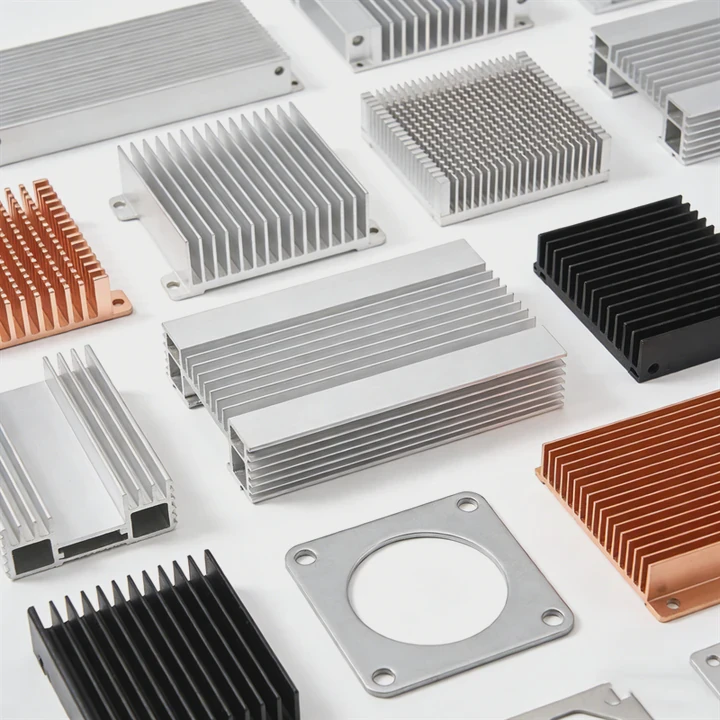
Electronic devices become hotter as power increases. Heat slowly damages components and reduces reliability. Many engineers face overheating problems that limit device performance and lifetime.
A heat sink removes heat from electronic components and spreads it into the surrounding air or liquid. This process keeps devices within safe temperatures and protects performance, stability, and lifespan.
Modern electronics become smaller but more powerful. This change makes heat management more important than ever. Understanding heat sinks helps engineers design safer and more reliable systems.
How Does a Heat Sink Manage Device Temperature?
Heat buildup can quietly destroy electronic components. Many devices fail early because heat is not controlled well. Engineers rely on heat sinks to move heat away from sensitive parts.
A heat sink manages temperature by absorbing heat from a device and transferring it to the surrounding air through conduction, convection, and radiation. This process lowers the temperature of the electronic component.
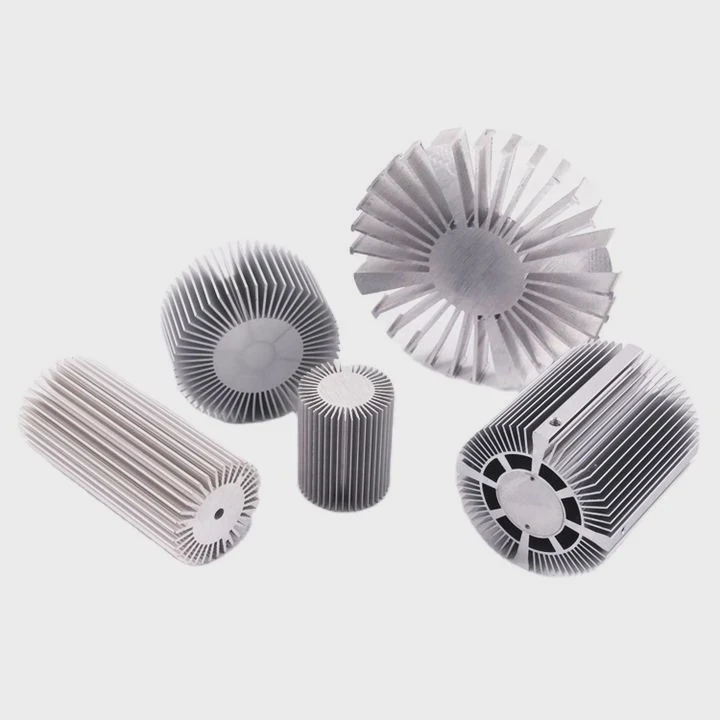
Heat sinks work through a simple but effective thermal path. Heat first moves from the chip into the heat sink base. Then the heat spreads through the metal structure. Finally, it releases into the air or another cooling medium.
The Basic Heat Transfer Process
Three physical processes move heat through a heat sink system.
| Heat Transfer Method | Description | Example in Heat Sink |
|---|---|---|
| Conduction | Heat moves through solid material | Heat travels from chip to heat sink base |
| Convection | Heat moves into air or liquid | Air flows between heat sink fins |
| Radiation | Heat emits as infrared energy | Metal surfaces release thermal energy |
Conduction begins at the contact surface between the chip and the heat sink. A thermal interface material usually sits between them. This material fills small air gaps and improves heat transfer.
Next, heat spreads across the heat sink body. Aluminum and copper are common materials because they conduct heat very well.
Why Heat Sink Geometry Matters
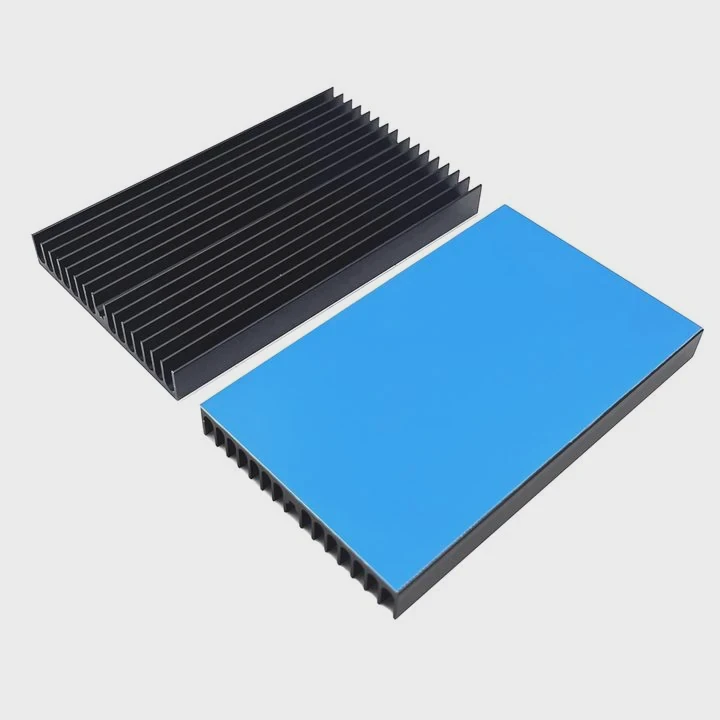
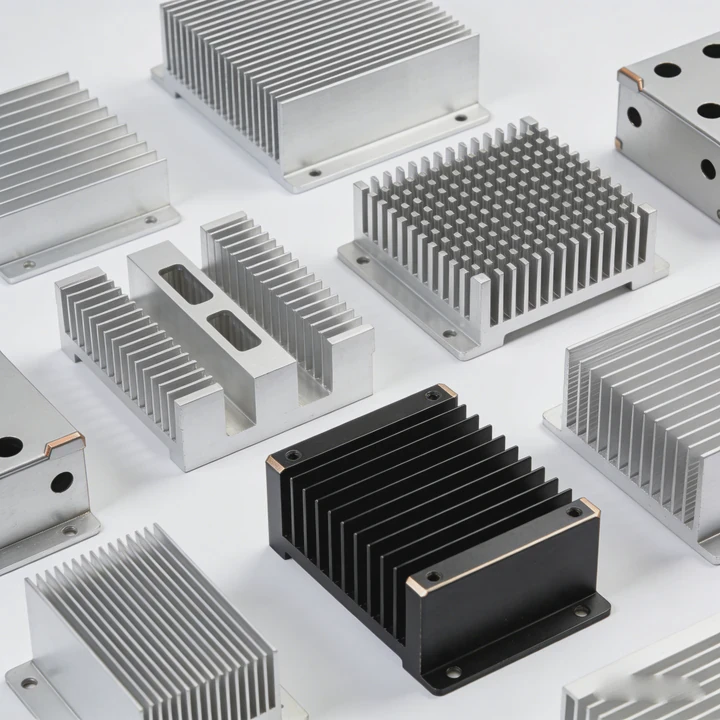
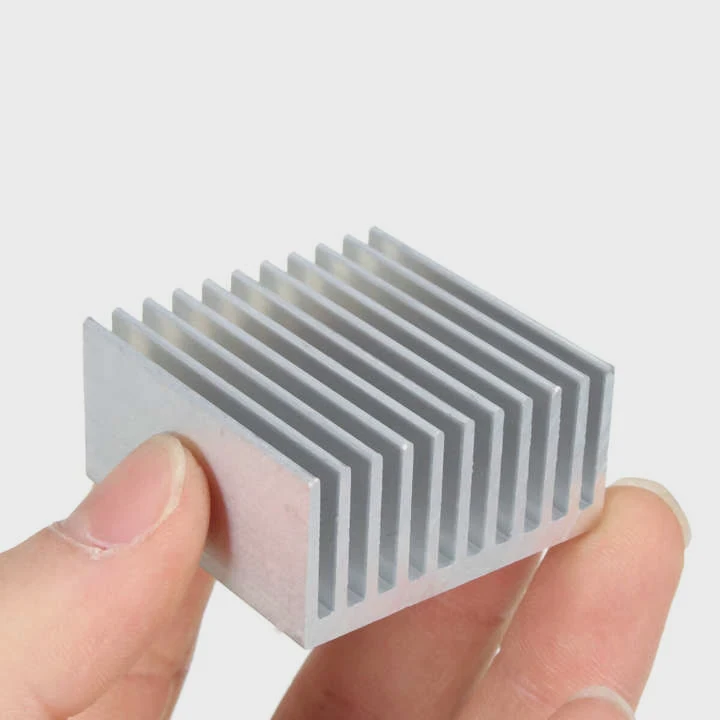
Heat sinks usually contain many fins. These fins increase the surface area that contacts the air. A larger surface area allows more heat to escape.
Different fin structures exist:
| Fin Type | Characteristics | Typical Use |
|---|---|---|
| Straight fins | Simple and cost-effective | Industrial electronics |
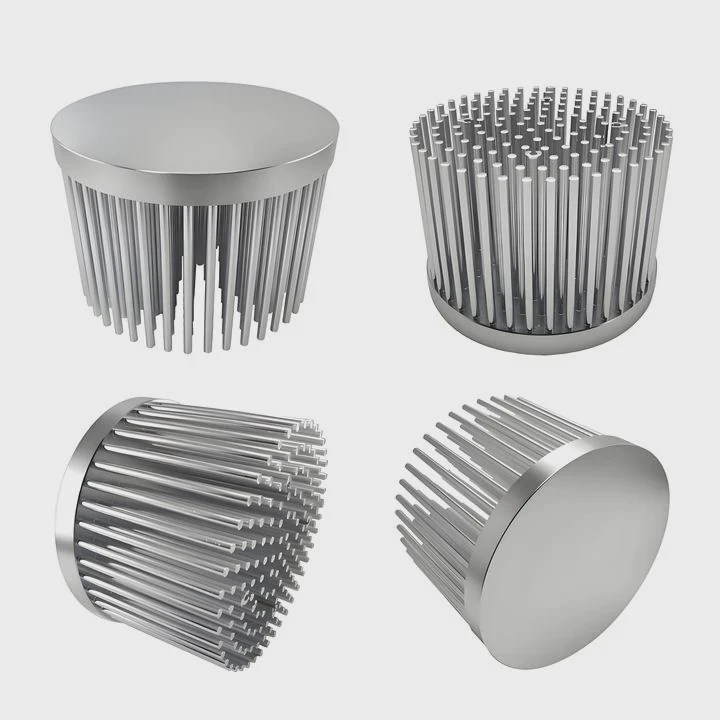
| Pin fins | Good airflow in many directions | Servers and CPUs |
| Skived fins | Very thin and dense | High power electronics |
A well-designed heat sink balances airflow resistance and surface area. Too many fins can block airflow. Too few fins reduce cooling capacity.
Passive vs Active Cooling
Heat sinks can operate in two main cooling modes.
Passive cooling relies only on natural airflow. Heat rises naturally and carries thermal energy away from the device. Passive heat sinks are silent and reliable.
Active cooling adds fans or liquid cooling systems. These systems move air faster across the heat sink surface. Faster airflow removes heat more quickly.
Many modern systems combine both methods. A large aluminum heat sink works with a fan to maintain stable device temperature.
Effective heat sink design requires thermal simulation, material selection, and mechanical optimization. Engineers must understand the heat load, airflow environment, and device layout before choosing the correct solution.
Why Are Thermal Solutions Essential for Chips?
Heat is one of the biggest enemies of modern electronics. Chips become hotter as computing power increases. Without thermal solutions, chips cannot maintain stable operation.
Thermal solutions are essential for chips because they prevent overheating, maintain electrical stability, protect semiconductor structures, and allow processors to run at higher performance levels.
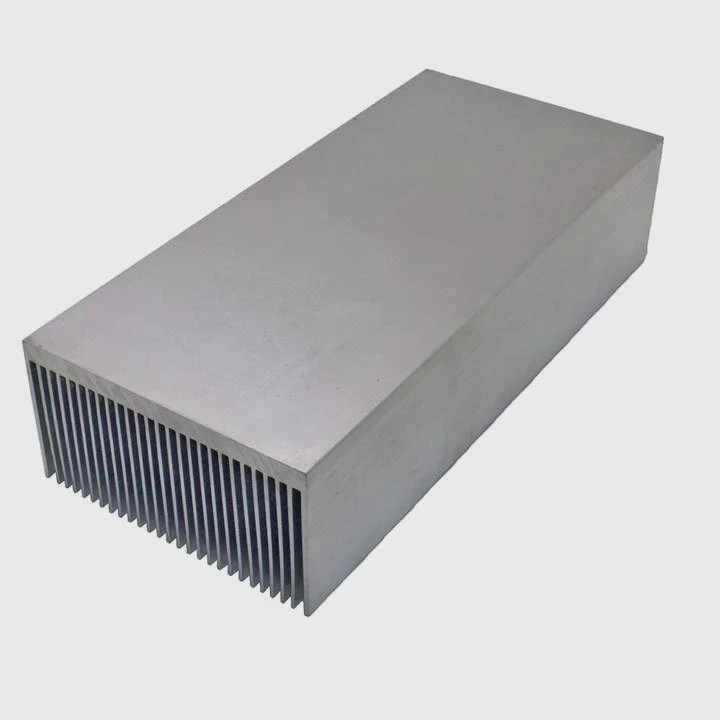
Modern processors contain billions of transistors. Each transistor produces heat when switching electrical states. As frequency and power density rise, the heat output increases rapidly.
The Impact of Heat on Semiconductor Devices
Excess heat affects electronic components in several ways.
| Thermal Problem | Impact on Chip |
|---|---|
| High junction temperature | Reduced lifespan |
| Thermal expansion | Mechanical stress |
| Leakage current increase | Lower efficiency |
| Thermal runaway | Possible device failure |
When temperature rises, electrical resistance changes. Transistor switching behavior becomes unstable. This instability reduces system performance.
Thermal Limits in Modern Processors
Every semiconductor device has a maximum junction temperature. Exceeding this temperature damages the silicon structure.
Typical limits include:
| Device Type | Typical Maximum Temperature |
|---|---|
| CPUs | 90–100°C |
| GPUs | 90–105°C |
| Power electronics | 125–175°C |
Thermal engineers design cooling systems to keep chips below these limits.
Power Density Challenges
Modern electronics face another challenge: increasing power density.
Power density refers to how much heat a device generates in a small area. As devices shrink, power density increases.
Examples include:
- AI processors
- 5G communication chips
- High-performance GPUs
- Automotive power modules
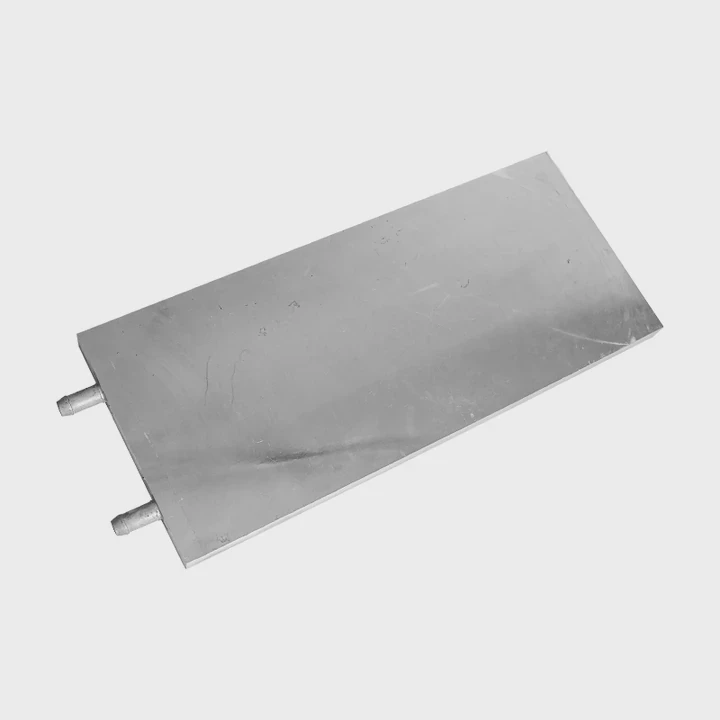
These systems require advanced thermal solutions such as vapor chambers, heat pipes, and liquid cooling plates.
Without effective heat management, modern processors would throttle performance to protect themselves. Thermal solutions allow chips to operate at their designed speed.
Reliable cooling systems also improve long-term reliability. Lower operating temperature significantly increases electronic lifespan.
Where Do Engineers Apply Heat Sinks?
Electronic systems produce heat almost everywhere today. Engineers install heat sinks in many industries to protect electronic devices.
Engineers apply heat sinks in computers, telecommunications equipment, power electronics, automotive systems, medical devices, and industrial machinery to manage heat generated by electronic components.
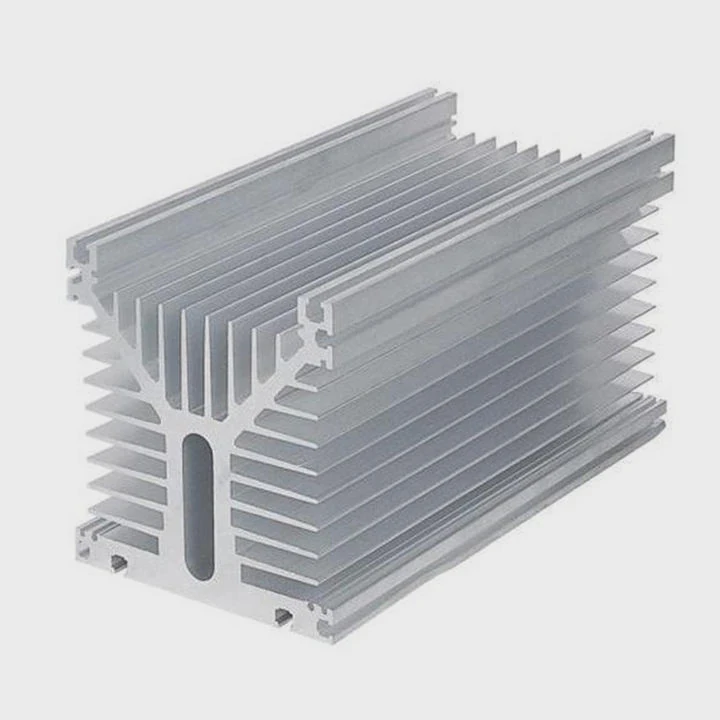
Heat sinks appear in both consumer electronics and large industrial systems.
Consumer Electronics
Many everyday devices rely on heat sinks.
Examples include:
| Device | Heat Source |
|---|---|
| Laptop computers | CPU and GPU |
| Gaming consoles | Graphics processors |
| Smartphones | Application processors |
| LED lighting | LED driver chips |
These devices often use compact aluminum heat sinks due to space limitations.
Industrial and Infrastructure Systems
Industrial equipment produces much higher thermal loads.
| Industry | Typical Heat Sink Application |
|---|---|
| 5G telecom | Base station power amplifiers |
| Rail transportation | Traction inverters |
| Renewable energy | Solar inverters |
| Data centers | High-power server processors |
In these environments, cooling systems become larger and more complex.
Automotive and Energy Systems
Electric vehicles and energy systems generate significant heat. Power electronics control motors, batteries, and charging systems.
Typical applications include:
- Motor drive inverters
- Battery management systems
- onboard chargers
- DC-DC converters
These systems often use liquid cooling plates or integrated heat sink modules.
Aerospace and Medical Equipment
High reliability industries also depend heavily on thermal management.
Aerospace electronics must operate under extreme temperature changes. Medical imaging systems generate heat during long operation periods.
In these cases, engineers design custom heat sinks to match strict reliability standards.
Heat sink design therefore depends heavily on the application environment. Engineers must consider airflow conditions, power load, space limitations, and safety requirements.
Which Benefits Come from Using Heat Sinks?
Many electronic failures trace back to thermal problems. Proper heat sink design prevents these issues and improves system reliability.
Heat sinks improve device performance, increase reliability, extend product lifespan, maintain stable operating temperatures, and allow electronics to handle higher power levels safely.
Thermal control provides several critical advantages for modern electronics.
Performance Stability
Electronic devices perform best within a specific temperature range. When temperature rises, processors may slow down automatically.
This behavior is called thermal throttling.
A good heat sink prevents this problem. Stable cooling allows devices to run at full performance continuously.
Reliability and Lifespan
Temperature directly affects electronic reliability.
The Arrhenius rule often applies to electronics: every 10°C increase in temperature roughly halves component lifetime.
Heat sinks therefore help maintain long-term device stability.
| Temperature Reduction | Reliability Improvement |
|---|---|
| 10°C lower | ~2× longer lifespan |
| 20°C lower | ~4× longer lifespan |
| 30°C lower | ~8× longer lifespan |
Higher Power Capability
Thermal solutions allow engineers to design more powerful systems.
Without cooling systems, many electronic devices would need to reduce power levels. Heat sinks allow higher power densities while keeping temperatures safe.
Safety and System Protection
Overheating can cause serious system failures. In extreme cases, it may even damage surrounding components.
Heat sinks reduce this risk by controlling temperature and spreading heat evenly.
Energy Efficiency
Efficient cooling also improves energy efficiency. Lower temperatures reduce electrical resistance and leakage current.
This improvement leads to better system efficiency, especially in power electronics.
Modern thermal management solutions combine several technologies:
- aluminum heat sinks
- copper heat spreaders
- vapor chambers
- heat pipes
- liquid cooling plates
Each technology addresses different thermal challenges.
The right heat sink design therefore plays a central role in modern electronic engineering.
Conclusion
Heat sinks remove heat from electronic components and protect devices from overheating. They improve performance, reliability, and lifespan. As electronics grow more powerful, effective thermal management becomes essential for safe and stable operation.