Heat Sink for Amplifier?
- Yongxing
- 28 May ,2026
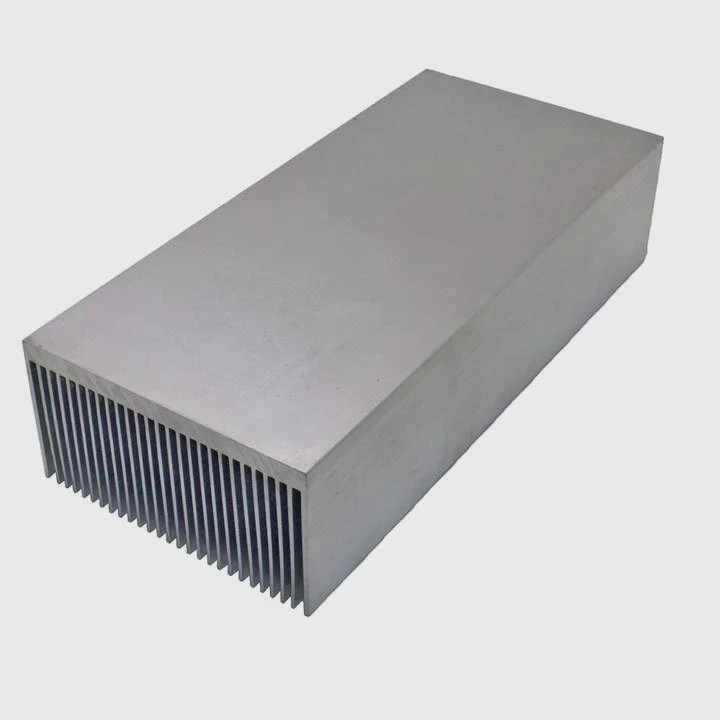
Amplifiers can get extremely hot during operation. Overheating can damage internal circuits and reduce audio performance.
A heat sink helps an amplifier stay cool by absorbing and dispersing heat from power transistors and ICs. It ensures stable performance and prevents permanent damage.
Choosing the right heat sink can make the difference between clear audio and distorted output under heavy loads.
How does a heat sink prevent amplifier overheating?
Amplifiers convert electrical energy into sound, but inefficiencies create heat. Without proper cooling, components can fail.
Heat sinks prevent overheating by conducting heat away from critical components like transistors, spreading it over a larger surface for faster air cooling.
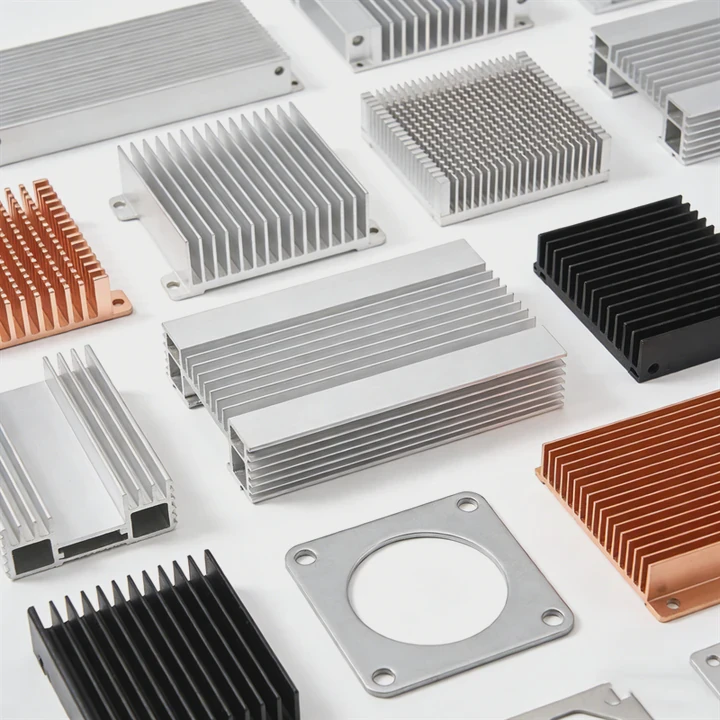
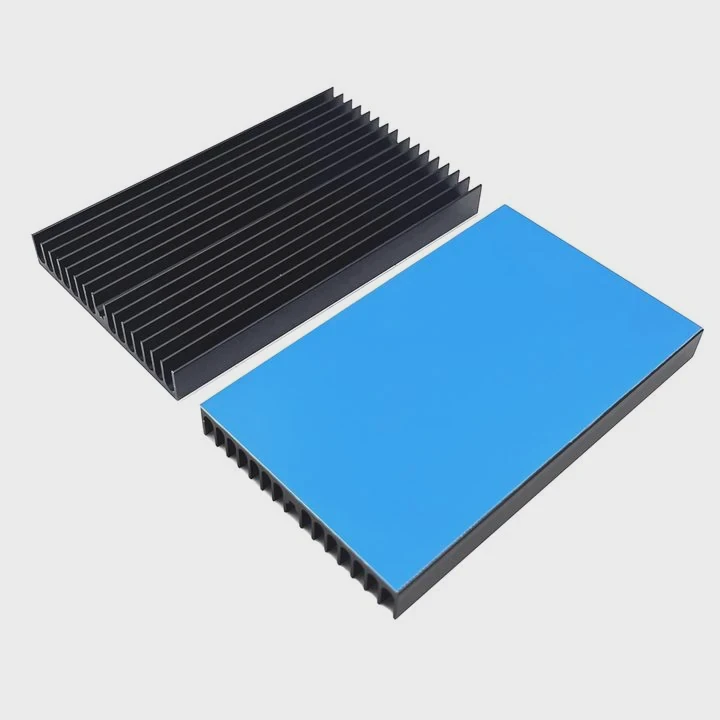
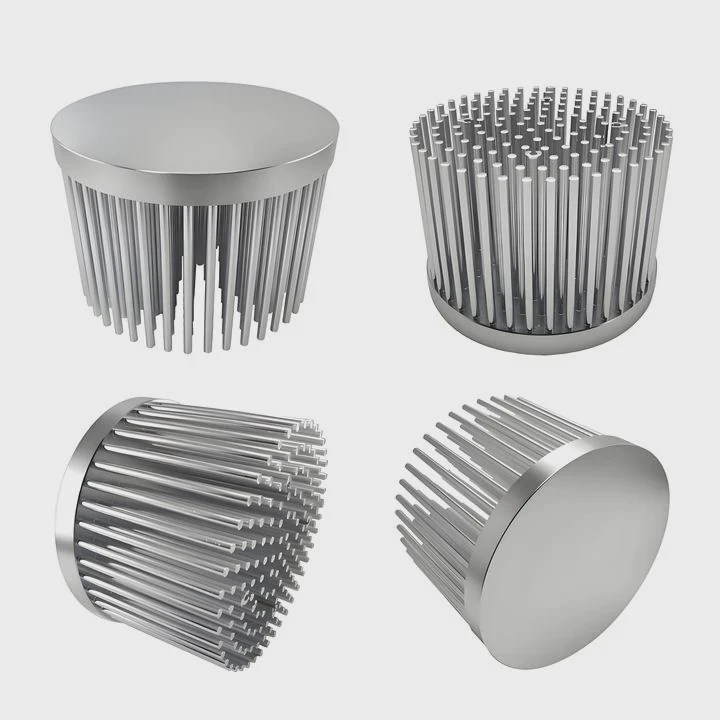
Heat sinks are usually made of aluminum or copper because these metals conduct heat well. The metal touches the hot components, pulling heat away. Fins increase the surface area so air can remove heat more efficiently. Fans or natural airflow carry the heat away from the amplifier.
How Heat Sinks Work in Amplifiers
| Component | Heat Sink Role |
|---|---|
| Power transistors | Main source of heat dissipation |
| Integrated circuits (ICs) | Prevent thermal throttling |
| Output modules | Maintain consistent voltage and current output |
Without heat sinks, amplifiers can reach temperatures that exceed 100°C. This can lead to thermal shutdowns or permanent damage to transistors. By using heat sinks, the temperature stays in a safe range, improving reliability and audio quality.
Key Points
- Fins increase airflow contact.
- Copper provides faster heat conduction but adds weight.
- Aluminum is lighter but slightly less efficient.
- Heat sinks reduce the risk of thermal noise or distortion.
Why do amplifiers generate significant heat?
Amplifiers handle high currents and voltages to drive speakers. Energy lost as heat is unavoidable due to electrical resistance.
Amplifiers generate heat because power transistors and ICs are not 100% efficient; some energy always converts into heat during amplification.
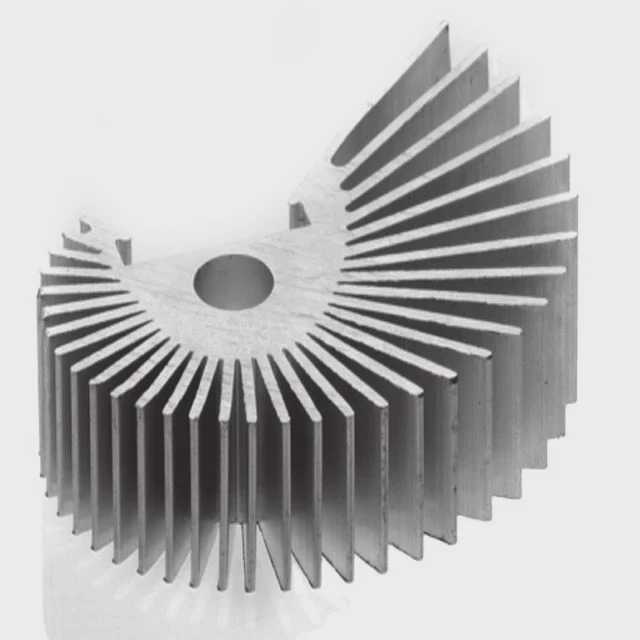
Class A amplifiers produce the most heat because they conduct continuously, even without audio signals. Class AB amplifiers are more efficient but still generate heat under heavy loads. Heat comes mainly from the voltage drop across output devices and internal resistances.
Factors Affecting Heat Generation
| Amplifier Type | Efficiency | Heat Level |
|---|---|---|
| Class A | ~20-30% | Very High |
| Class AB | ~50-70% | Moderate |
| Class D | ~85-95% | Low |
Heat is not only a safety concern but also affects sound quality. Excessive temperature can cause signal distortion, reduce component lifespan, and even damage solder joints or PCBs. Proper heat sinking is essential to prevent these issues.
Critical Considerations
Even in small amplifiers, heat accumulation can create hotspots. Designing adequate heat sinks or ventilation ensures the device operates safely under continuous or peak loads. Regular maintenance and cleaning can also improve airflow and cooling efficiency.
Where are heat sinks installed in amplifiers?
Heat sinks are placed directly on components that generate the most heat, usually power transistors and ICs.
Installation location is critical: heat sinks must contact hot parts directly and allow airflow over fins for maximum cooling.
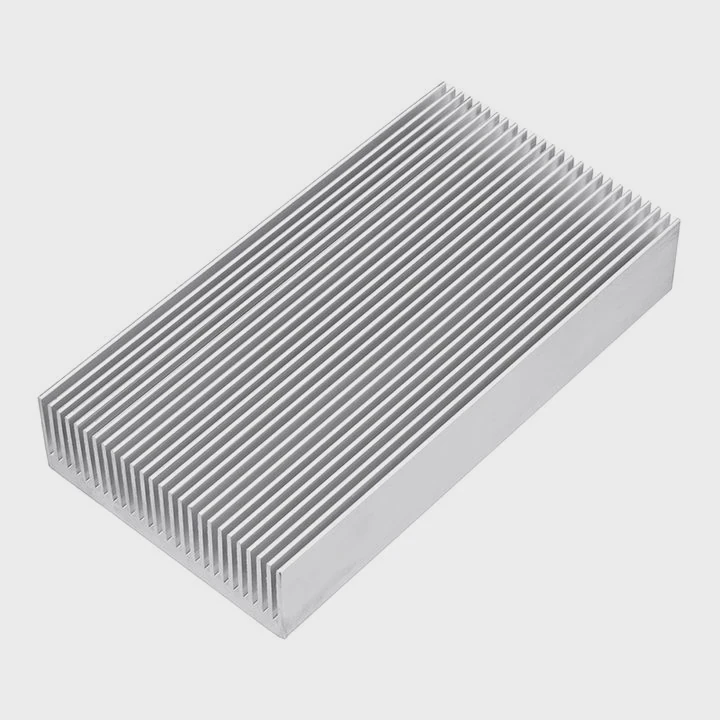
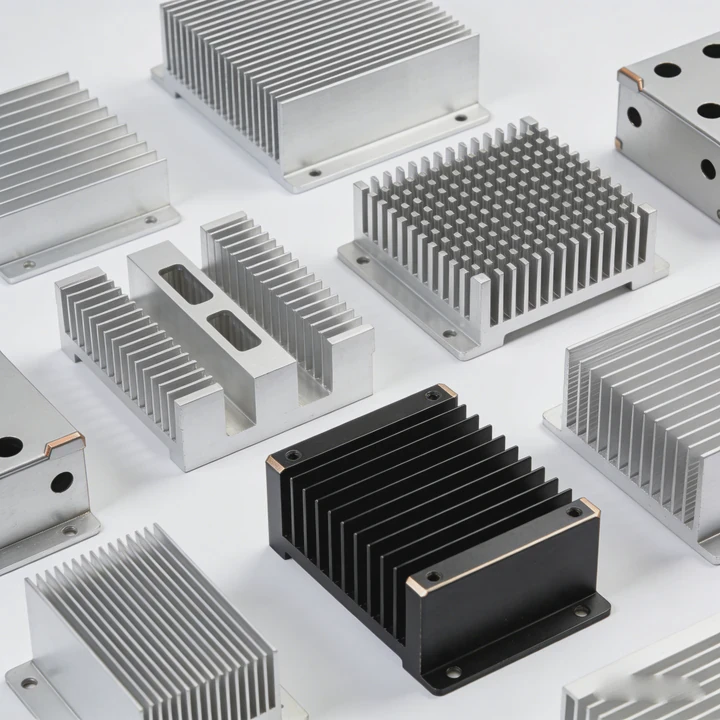
In most amplifiers, large aluminum fins run along the side or rear of the chassis. Some are mounted on top of transistors inside the PCB with thermal paste. Fans can be added to increase airflow over the heat sink.
Amplifier Heat Sink Layout
| Component | Heat Sink Type | Purpose |
|---|---|---|
| Power transistors | Extruded aluminum or copper | Dissipate most heat |
| ICs | Small aluminum blocks | Prevent local overheating |
| Output stage modules | Large finned sinks | Maintain consistent operation |
Placement ensures that heat is removed before components reach critical temperatures. Misalignment can reduce efficiency, create hotspots, and shorten component life.
Installation Tips
- Apply thermal paste between chip and sink.
- Ensure screws or clips hold the sink tightly.
- Maintain space for airflow around fins.
- Avoid bending or damaging fins during assembly.
Correct installation allows amplifiers to run continuously at high power without performance loss or shutdowns.
Which amplifiers require larger heat sinks?
Amplifiers with higher power output or lower efficiency produce more heat and need larger heat sinks.
High-wattage Class A or AB amplifiers require larger sinks to handle continuous heat load, while Class D amplifiers may need smaller or passive cooling.
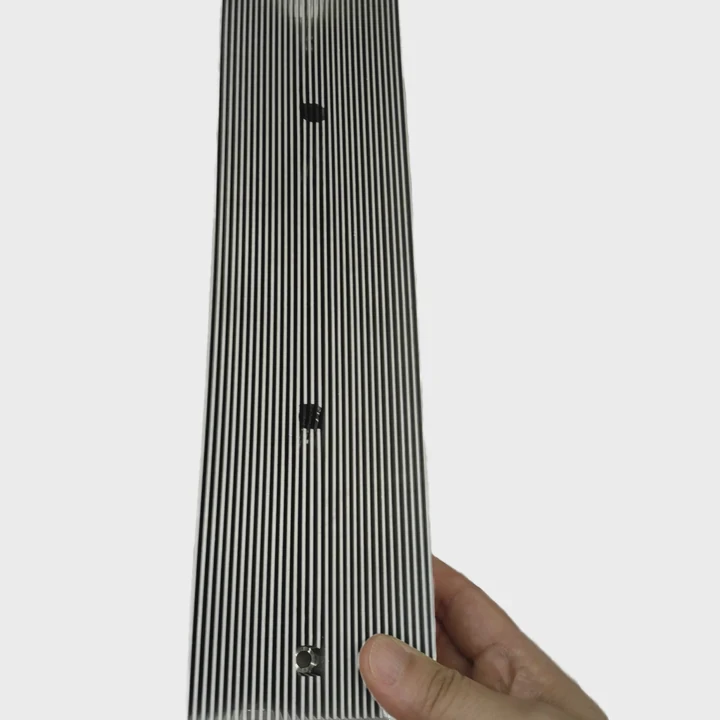
Factors influencing heat sink size include total output power, duty cycle, ambient temperature, and ventilation. Larger sinks provide more surface area, improving heat dissipation. In rack-mounted or home theater amplifiers, large aluminum sinks are often built into the chassis.
Heat Sink Sizing Guide
| Amplifier Type | Power Range | Recommended Heat Sink |
|---|---|---|
| Class A | 50W+ per channel | Large copper or aluminum finned |
| Class AB | 100W+ per channel | Medium to large aluminum |
| Class D | 200W+ per channel | Small or moderate, focus on airflow |
Using the correct size prevents overheating, thermal throttling, and distortion. Oversized sinks add cost and weight but provide extra safety margin for continuous operation. Undersized sinks risk permanent damage and reduce audio quality.
Key Recommendations
- Always match sink size to power and efficiency.
- Consider forced airflow for high-power amps.
- Inspect thermal contact and airflow paths.
- Check manufacturer guidelines for specific models.
Proper sizing ensures reliable performance and long life for both the amplifier and connected speakers. Small adjustments in heat sink design can have a big impact on cooling efficiency.
Conclusion
Heat sinks are essential for amplifier safety and performance. They prevent overheating, maintain sound quality, and extend component life. Choosing the right material, size, and placement ensures stable operation, even under heavy use. Proper cooling makes every amplifier perform at its best.