Heat Sink for LED?
- Yongxing
- 01 Jun ,2026
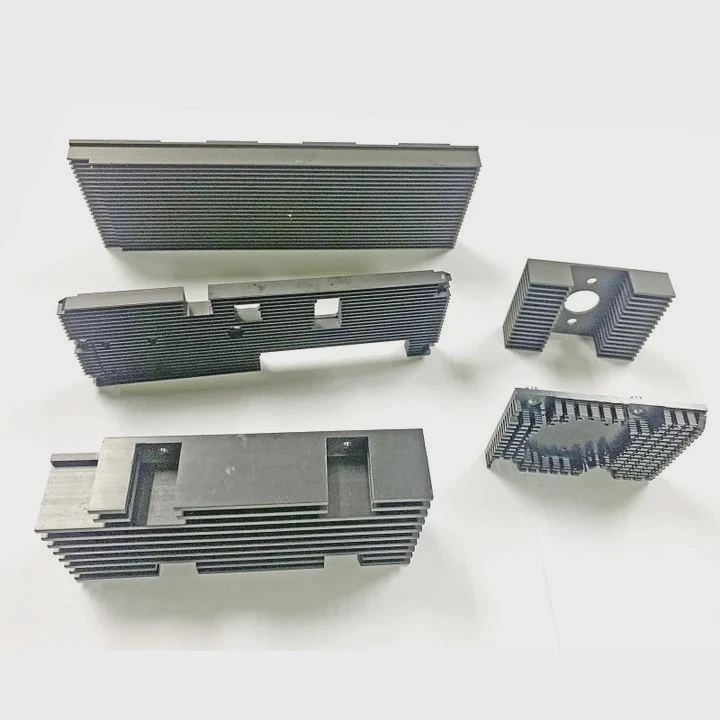
LEDs are sensitive to heat, and overheating can reduce brightness and life quickly. How can we prevent this problem effectively?
A heat sink is the key. It removes excess heat from LEDs, keeping them cool, maintaining performance, and extending their lifespan. Without it, LEDs degrade faster and may fail prematurely.
Proper cooling is essential for all LED systems. Let’s explore how heat sinks work and why they are vital for LED applications.
How does a heat sink extend LED lifespan?
LEDs can get very hot during operation. Too much heat causes the materials inside to degrade faster, reducing brightness and lifespan. Heat sinks act as a thermal bridge to carry heat away.
By transferring heat from the LED to the surrounding air, heat sinks maintain lower junction temperatures, preventing damage and keeping LEDs stable for years.
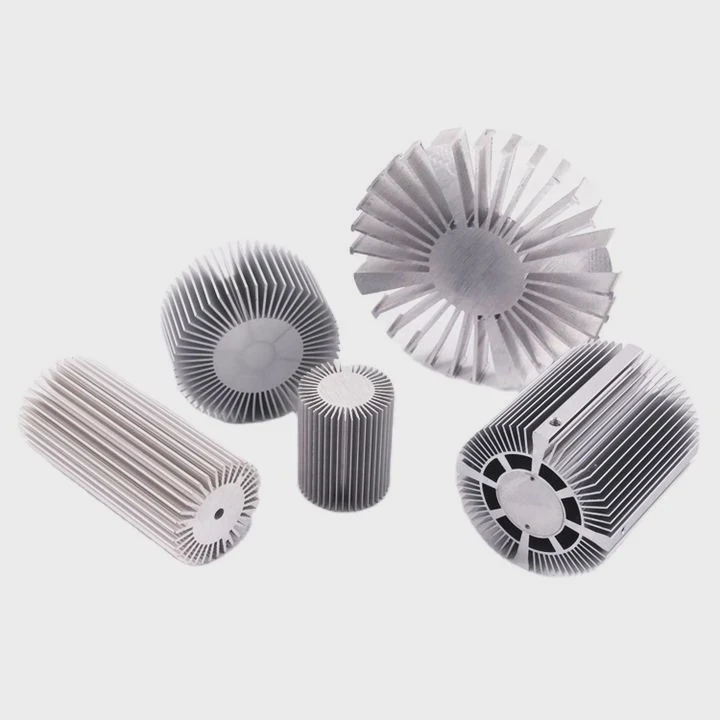
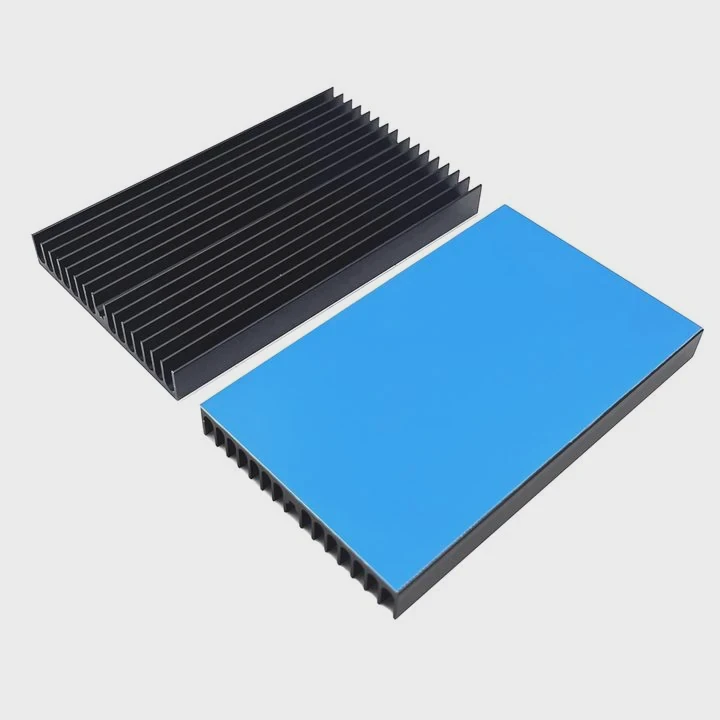
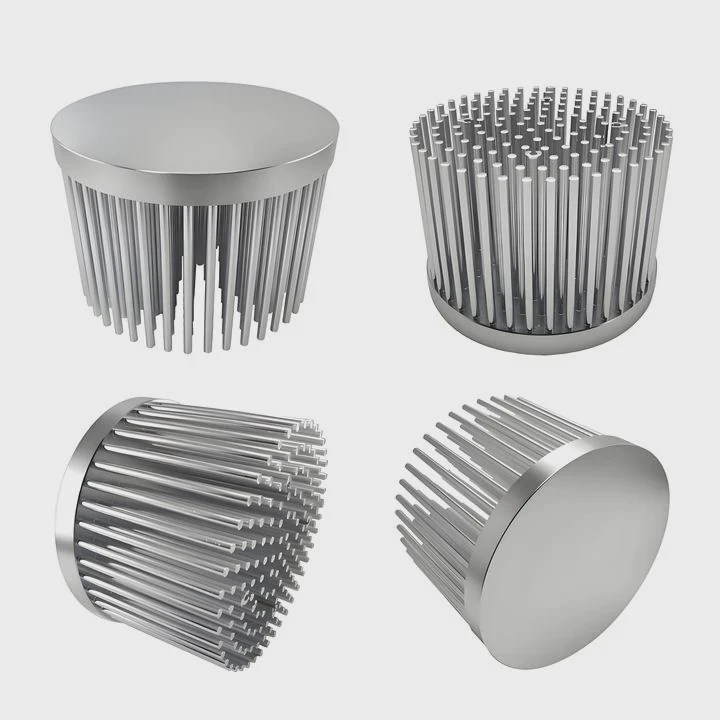
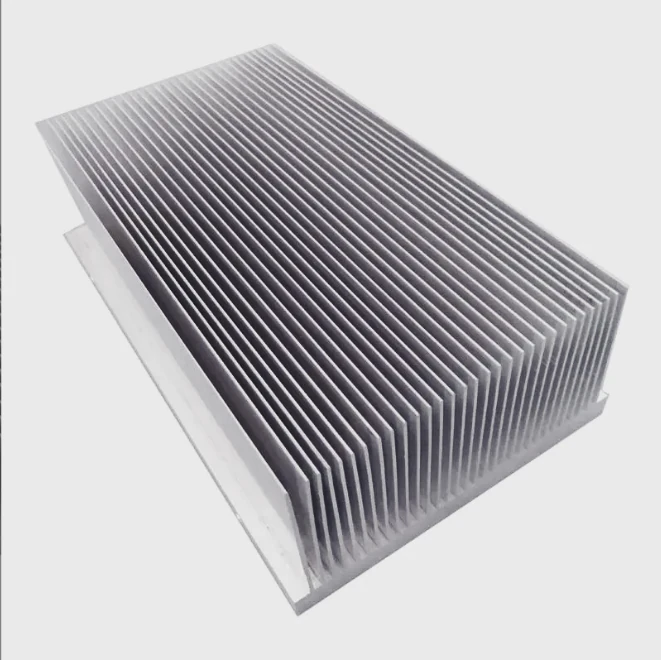
Heat sinks work by providing a large surface area for heat to dissipate. Aluminum is common because it conducts heat well and is lightweight. Copper can be used for very high-power LEDs, as it conducts even better.
How heat sinks protect LEDs
- Lower junction temperature - The point inside the LED that generates light is sensitive to heat. Heat sinks keep it cooler.
- Prevent color shift - High temperatures can change LED color output.
- Reduce lumen depreciation - LEDs lose brightness over time if they run hot.
- Avoid thermal runaway - Excess heat can increase current flow, causing more heat and possible failure.
Key factors
- Material: Aluminum or copper
- Surface area: More fins or plates improve cooling
- Airflow: Forced or natural convection affects efficiency
- Mounting: Proper attachment ensures good thermal contact
Heat transfer table
| Material | Thermal Conductivity (W/m·K) | Weight | Typical Use |
|---|---|---|---|
| Aluminum | 200 | Light | Most LED heat sinks |
| Copper | 400 | Heavy | High-power LED modules |
In practice, using a heat sink can increase LED lifespan from 25,000 hours to over 50,000 hours. For commercial lighting, this is critical for reducing maintenance costs and keeping lights consistent.
Why do high-power LEDs need cooling?
High-power LEDs produce more heat than small indicator LEDs. Without cooling, the heat builds up, reducing efficiency and risking failure.
Cooling allows high-power LEDs to work at full brightness safely, preventing overheating, lowering thermal stress, and protecting electronic components.
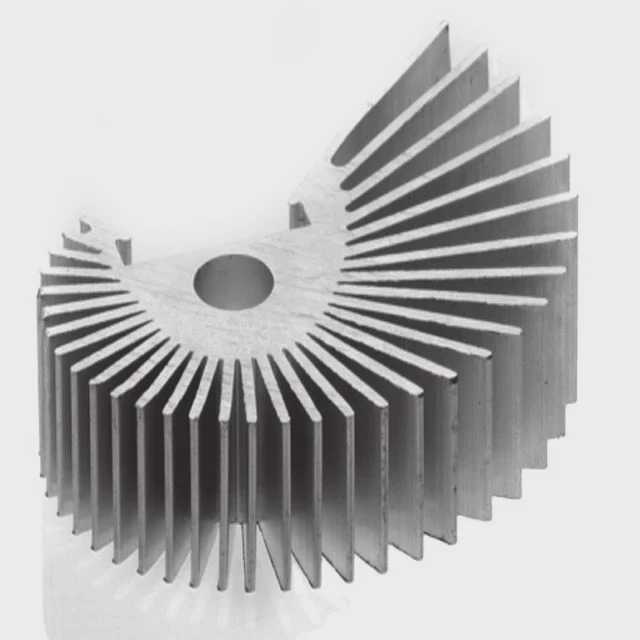
High-power LEDs are often used in street lights, automotive headlights, and stage lighting. These applications require continuous operation, so heat sinks or active cooling are essential.
Effects of heat on high-power LEDs
- Efficiency loss: LED efficiency drops as temperature rises.
- Shorter lifespan: Heat accelerates aging.
- Electrical stress: Hot LEDs can change electrical resistance, affecting drivers.
Cooling methods
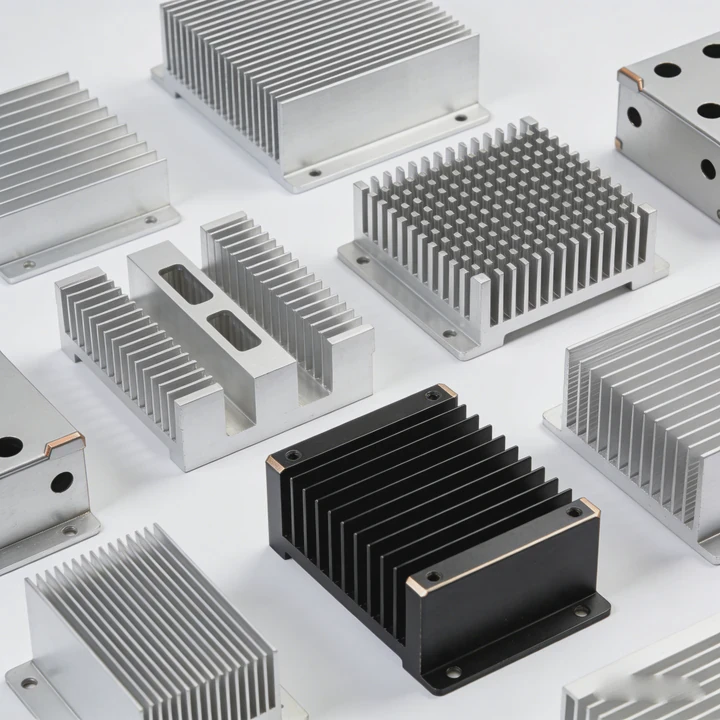
- Passive heat sinks: Aluminum fins, plates, or extrusions.
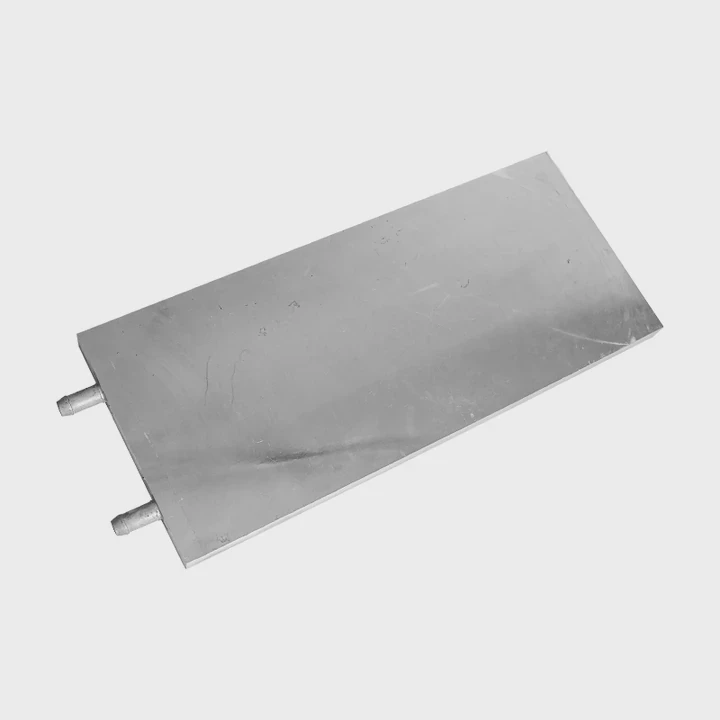
- Active cooling: Fans or liquid cooling for very high-power setups.
- Thermal interface materials (TIMs): Improve heat transfer between LED and heat sink.
Power vs cooling table
| LED Power (W) | Typical Heat Sink Type | Airflow Requirement |
|---|---|---|
| 1-5 | Small aluminum fins | Natural convection |
| 10-30 | Medium aluminum or copper | Moderate airflow |
| 50+ | Large finned or liquid cooling | Forced airflow |
High-power LEDs without proper heat dissipation can fail in weeks instead of years. Cooling ensures reliability and consistent light output.
Where is a heat sink attached to LEDs?
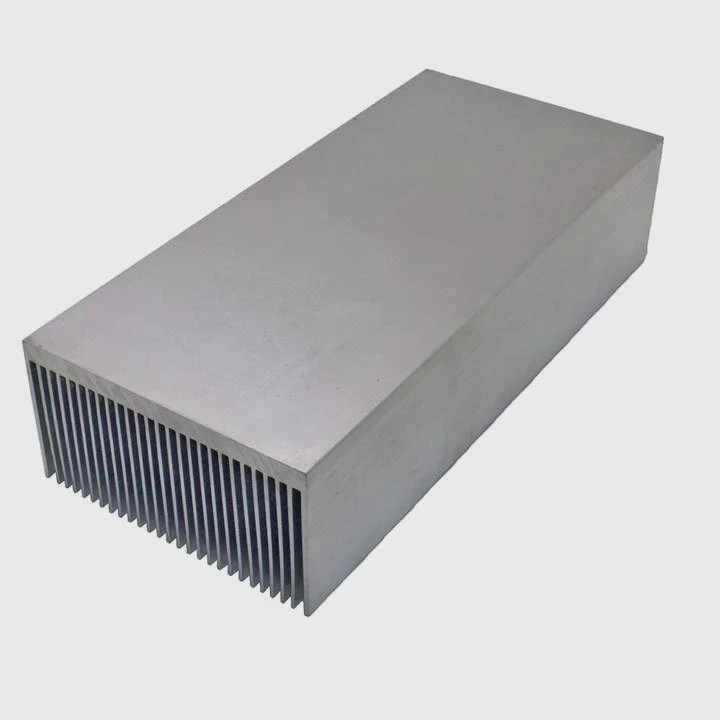
Heat sinks are directly attached to the LED base or housing. The goal is to remove heat from the LED junction as efficiently as possible.
They are usually placed under the LED chip, with a thermal pad or paste improving contact, ensuring heat moves quickly into the heat sink and away from the LED.
Attachment methods
- Thermal adhesive: Simple but permanent attachment.
- Screws or clips: Secure heat sinks and allow replacement.
- Thermal pads or paste: Fill microscopic gaps for better heat transfer.
Design considerations
- Heat sink size should match LED power.
- Fins should allow airflow to remove heat.
- LED layout affects how many heat sinks are needed.
Example layout
| LED Type | Mounting Method | Heat Sink Material | Comments |
|---|---|---|---|
| Single high-power LED | Thermal paste + clip | Aluminum | Good for spotlights |
| LED array | Screws + thermal pad | Copper | Used in high-power panel lights |
| Automotive LED | Adhesive + fins | Aluminum | Compact but efficient |
Proper attachment prevents hotspots. Hotspots can damage LED chips, reduce efficiency, and cause color shifts.
Which LED applications require heat sinks?
Not all LEDs need heat sinks, but many high-power or long-life applications do. Anywhere LEDs operate continuously or at high current, heat sinks improve performance.
Applications like street lights, automotive headlights, stage lighting, and industrial LEDs need heat sinks to maintain brightness, reliability, and lifespan.
Key applications
- Outdoor lighting: Street lights, floodlights, and parking lot lamps.
- Automotive: Headlamps, brake lights, and daytime running lights.
- Industrial: Factory lighting, warehouse lights, and high-power panel LEDs.
- Entertainment: Stage, studio, and architectural LED installations.
- Electronics: High-power LED boards in medical devices or servers.
Why heat sinks matter here
- Continuous operation: LEDs run 8-24 hours daily, creating significant heat.
- High brightness: More current generates more heat.
- Tight spaces: Limited airflow makes heat sinks essential.
Application summary table
| Application | LED Power | Cooling Needed | Typical Heat Sink Type |
|---|---|---|---|
| Street light | 30-150 W | Yes | Finned aluminum |
| Automotive headlamp | 20-50 W | Yes | Aluminum with fan or fins |
| Industrial panel | 50-200 W | Yes | Copper or large aluminum |
| Stage lighting | 50-500 W | Yes | Active cooling, large fins |
In summary, any high-power or high-duty LED installation will benefit from heat sinks. Even moderate-power LEDs may need them in enclosed housings with limited airflow.
Conclusion
Heat sinks are essential for protecting LEDs. They keep LEDs cool, maintain brightness, prevent color shift, and extend lifespan. Without proper cooling, even the best LEDs degrade quickly. For reliable lighting, heat sinks are a must.
- Pre Heat Sink for Laptop?
- Next: Heat Sink for MOSFET?