Heat Sink for MOSFET?
- Yongxing
- 01 Jun ,2026
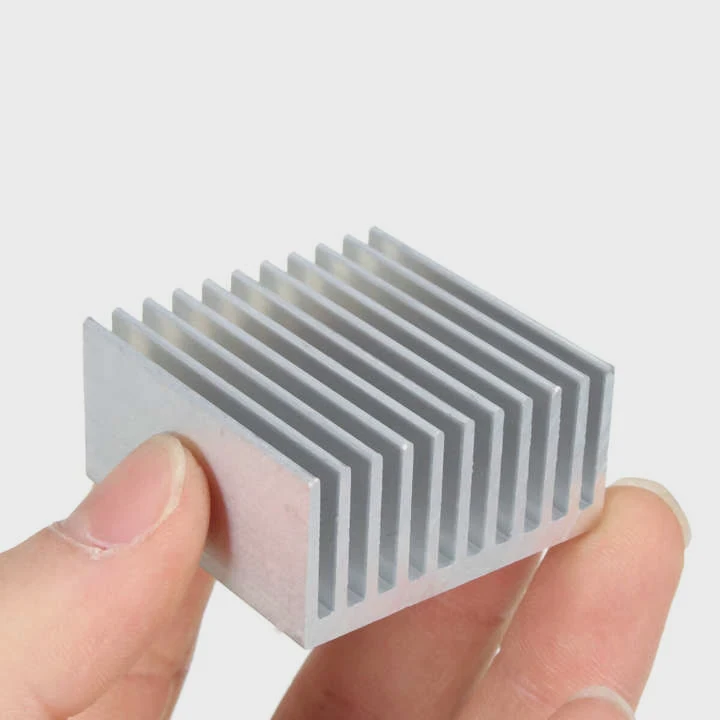
Electronic devices often fail due to overheating. MOSFETs are no exception, and adding a heat sink can save your circuit from costly failures.
A heat sink improves MOSFET reliability by lowering junction temperature, which reduces thermal stress, prevents drift in electrical characteristics, and extends device lifespan.
Understanding how heat sinks work can protect circuits and keep electronics running longer.
How does a heat sink improve MOSFET reliability?
MOSFETs fail when they run too hot. High temperatures change their electrical behavior and can cause permanent damage. A heat sink draws heat away from the MOSFET and spreads it over a larger area, allowing the MOSFET to operate within safe limits.
Heat sinks maintain MOSFET performance under high current or voltage by managing thermal energy and preventing overheating.
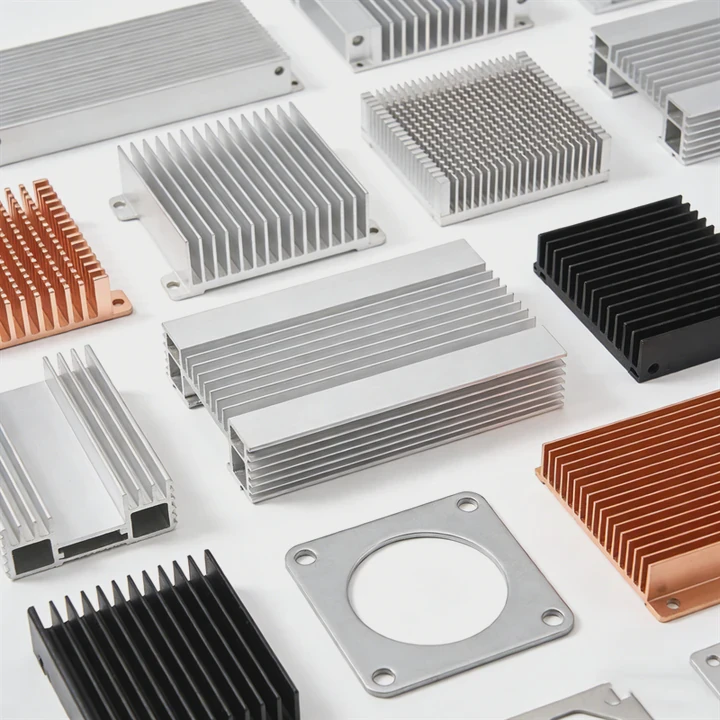
The role of temperature in MOSFET failure
MOSFETs have a maximum junction temperature, usually around 150°C. If the MOSFET exceeds this, its threshold voltage shifts, leakage current increases, and the device can fail. Heat sinks reduce junction temperature by conducting heat to the surrounding air.
How heat sinks lower thermal stress
Heat sinks improve reliability in three main ways:
- Reduce hot spots - Spreading heat over a larger area keeps no part of the MOSFET too hot.
- Increase lifespan - Lower temperature slows down material degradation.
- Stabilize operation - Electronics operate more predictably at moderate temperatures.
Thermal resistance and MOSFET reliability
Thermal resistance is key. It is measured in °C/W and shows how well heat flows from the MOSFET to the environment. Lower thermal resistance means better cooling. Here is a comparison:
| Component Type | Thermal Resistance (°C/W) | Effect on MOSFET |
|---|---|---|
| Bare MOSFET | 62 | High junction temp |
| Small aluminum heat sink | 15 | Moderate cooling |
| Large finned heat sink | 4 | Excellent cooling |
The numbers show that heat sinks drastically reduce junction temperature. Choosing the right size and material is critical for long-term reliability.
Material choice matters
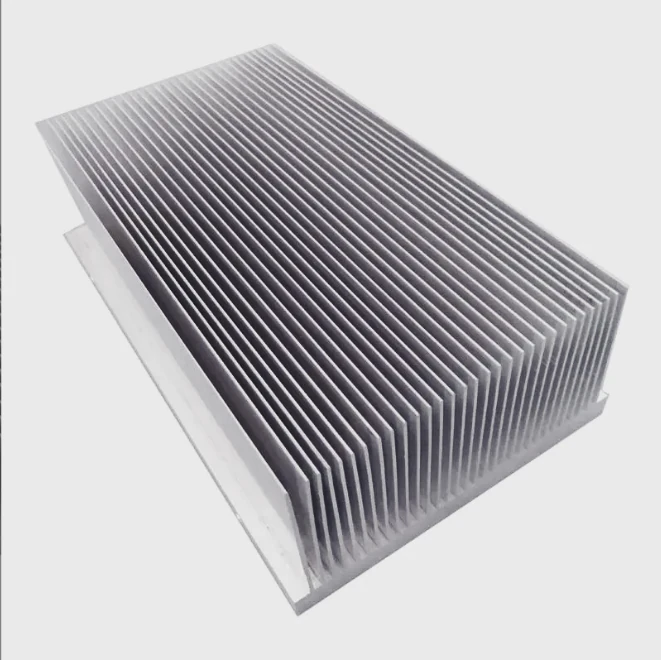
Aluminum is common because it is light, cost-effective, and conducts heat well. Copper conducts heat better but is heavier and more expensive. Many MOSFET heat sinks combine aluminum and copper to balance weight and performance.
Why do MOSFETs heat up quickly?
MOSFETs heat up because they handle large currents and voltages, and no device is perfectly efficient. Even small losses generate heat. High switching frequencies increase losses in the channel, causing temperature to rise rapidly.
MOSFETs heat quickly due to conduction and switching losses, high current density, and limited surface area for heat dissipation.
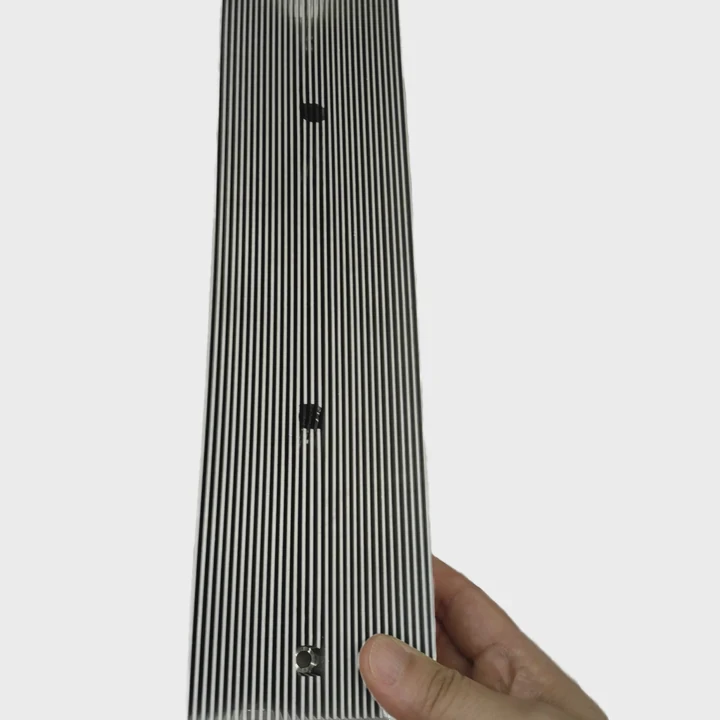
Conduction vs. switching losses
MOSFET heat comes from two main sources:
- Conduction losses occur when current flows through the MOSFET’s channel. Even a low on-resistance creates heat proportional to I2R.
- Switching losses happen when the MOSFET turns on and off. Faster switching or higher voltage increases these losses.
High current density and small size
MOSFETs are tiny but carry a lot of current. Small silicon area means heat concentrates quickly. Without a heat sink, the temperature rises faster than the MOSFET can safely dissipate.
Environmental factors
Ambient temperature also matters. High surrounding temperature reduces the effectiveness of natural cooling. Enclosures with poor airflow accelerate heating. A heat sink expands the surface area and allows more airflow to remove heat.
Thermal runaway risk
Without cooling, MOSFETs can enter thermal runaway. As the device gets hotter, resistance increases slightly, but leakage currents rise faster. This cycle accelerates heating and can destroy the device in seconds. A properly sized heat sink prevents this scenario.
Where should a heat sink be mounted on MOSFET?
Proper placement of a heat sink is crucial. The heat sink should be in direct contact with the MOSFET’s metal backplate or the exposed pad. Thermal grease or pad improves heat transfer.
Mounting a heat sink on the MOSFET’s metal surface ensures effective heat conduction and prevents junction overheating.
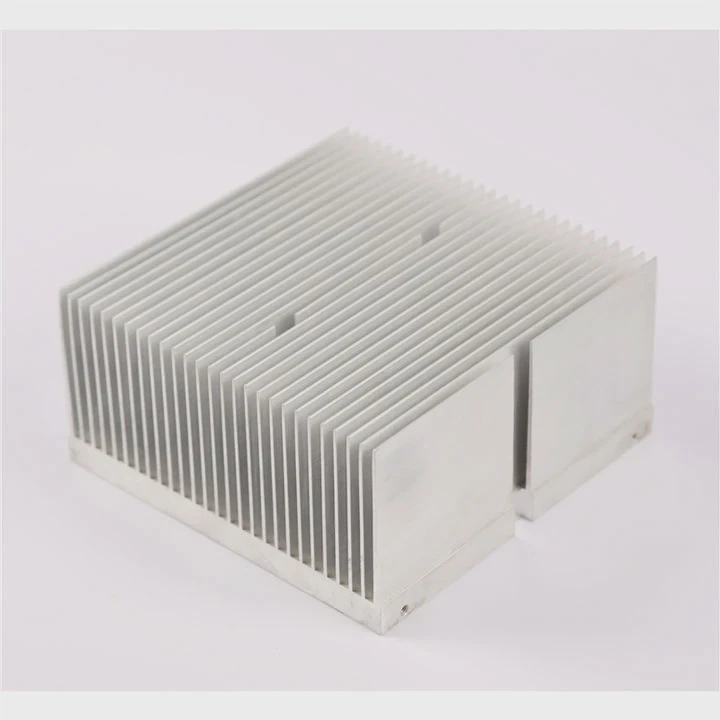
Placement guidelines
- Direct contact - Place the heat sink on the MOSFET’s exposed drain or back metal pad.
- Use thermal interface material - Grease or thermal pad fills microscopic gaps for better heat flow.
- Secure properly - Screws, clips, or clamps prevent movement and maintain pressure.
Orientation matters
Vertical orientation often improves natural convection. Heat rises, so fins aligned vertically let air move freely. Horizontal placement can work if forced airflow is present, such as a fan.
Board layout considerations
PCB layout affects heat dissipation. Copper planes can spread heat and reduce hot spots. A large copper pad under the MOSFET acts as a secondary heat sink, complementing the external finned heat sink.
| Mounting Method | Pros | Cons |
|---|---|---|
| Direct screw mount | Best thermal contact | Requires mechanical support |
| Clip-on heat sink | Easy installation | Less thermal efficiency |
| Thermal adhesive | Simple, no screws | Hard to remove later |
Extra tips
- Avoid covering the MOSFET with a plastic enclosure unless airflow is ensured.
- Ensure nearby components do not block airflow to the fins.
- For high-power MOSFETs, consider combining PCB copper planes with external heat sinks.
Which MOSFET applications need heat sinks?
Not all MOSFET circuits need a heat sink. Low-power applications may operate safely without one. High-current, high-voltage, or high-frequency circuits usually require cooling.
Applications like motor drivers, power supplies, and RF amplifiers need heat sinks to maintain performance and avoid failure.
Common applications
- Power supplies - MOSFETs in DC-DC converters can handle tens of amps, generating heat.
- Motor drivers - MOSFETs switching large currents in H-bridges heat up quickly.
- Inverters and UPS systems - Continuous high power output makes cooling essential.
- RF amplifiers - High frequency switching causes significant switching losses.
Deciding factor: power dissipation
MOSFET heat depends on voltage, current, duty cycle, and switching frequency. Here is a simple example table:
| Application Type | Power Dissipation | Heat Sink Needed? |
|---|---|---|
| Low-power LED driver | <2W | No |
| Medium-power DC-DC | 5-15W | Yes |
| Motor driver 24V 30A | 30-50W | Definitely |
| High-power RF amplifier | 60-100W | Must use |
System-level considerations
Even if a MOSFET itself has low power dissipation, system-level heat can accumulate. Grouping multiple MOSFETs closely may require shared or individual heat sinks. Forced air or liquid cooling can complement passive heat sinks for better thermal management.
Choosing the right heat sink
- Match the heat sink’s thermal resistance to the maximum allowed junction temperature.
- Consider airflow; natural convection vs. fan-assisted cooling.
- For high-end applications like EV inverters or server power stages, finned aluminum or copper-core heat sinks provide consistent thermal control.
Conclusion
MOSFET heat sinks prevent overheating, improve reliability, and maintain stable performance. Choosing proper placement, size, and material ensures long device life. High-current and high-frequency applications especially benefit from heat sinks to avoid thermal failure.
- Pre Heat Sink for LED?
- Next: Heat Sink for Motherboard?