Heat Sink for Power Supply?
- Yongxing
- 02 Jun ,2026
Opening paragraph:
Power supplies generate heat that can shorten lifespan or cause failure. Effective cooling is critical for safety and reliability.
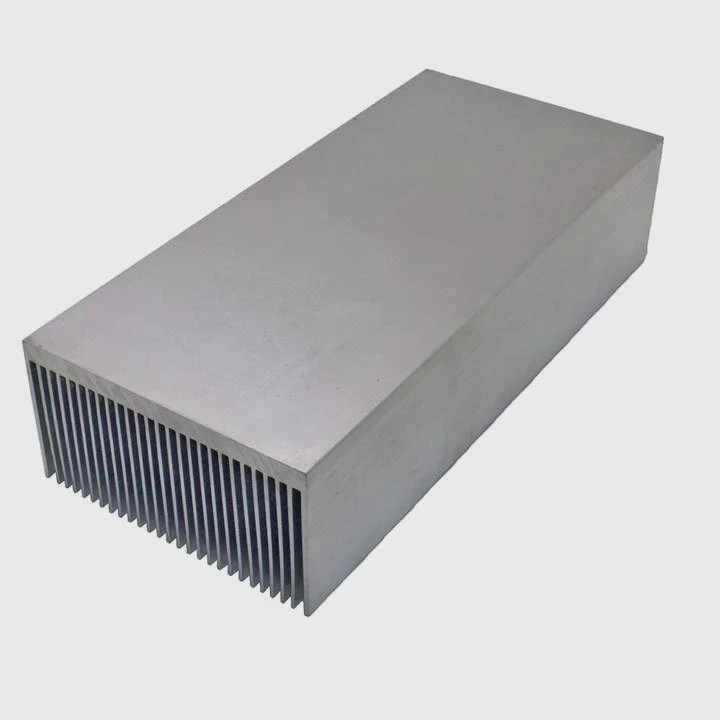
A heat sink in a power supply absorbs heat from components like transistors and regulators, dispersing it to the air to maintain stable operation.
Proper thermal management ensures power supplies deliver consistent energy and prevents damage to connected devices.
How does a heat sink cool power supplies?
Opening paragraph:
High currents and voltage conversions produce significant heat. Without cooling, components overheat quickly.
A heat sink cools a power supply by transferring heat away from hot components and spreading it across fins. Fans or natural airflow carry the heat into the environment.
Heat Transfer Principles
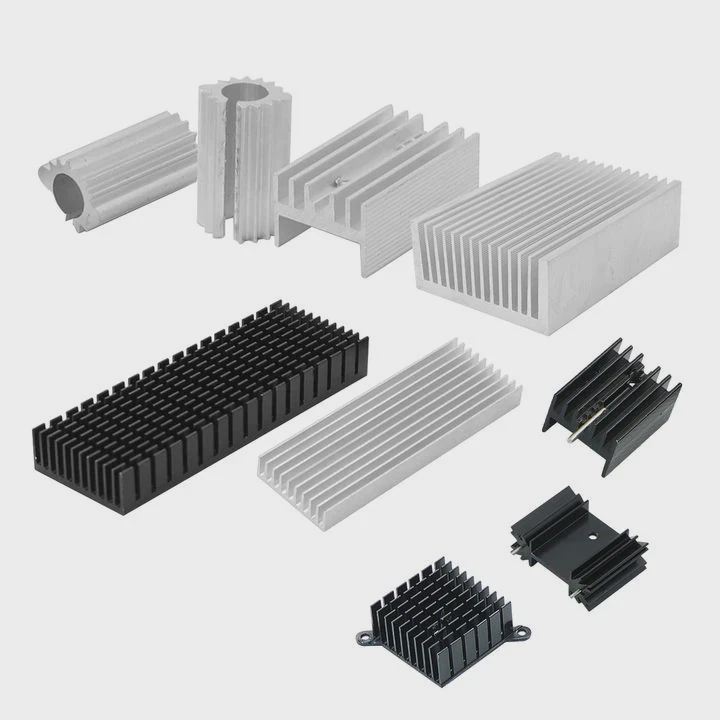
Power supply heat sinks use metals like aluminum and copper for high thermal conductivity. Thermal paste or pads improve contact between the component and the heat sink, reducing thermal resistance.
Component Cooling
- Transistors and MOSFETs: Convert voltage and generate most heat.
- Diodes: Switch current and produce heat during operation.
- Voltage regulators: Maintain output voltage and produce moderate heat.
Heat Sink Structure
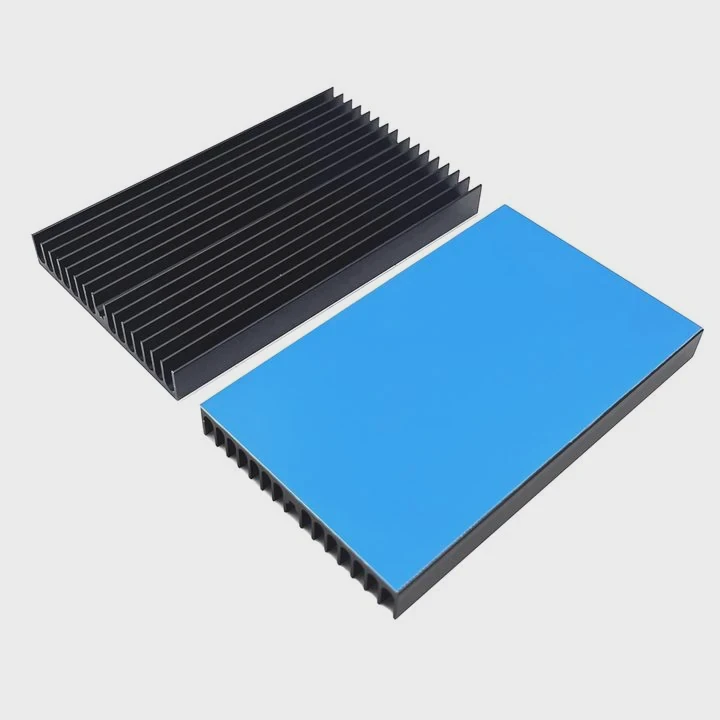
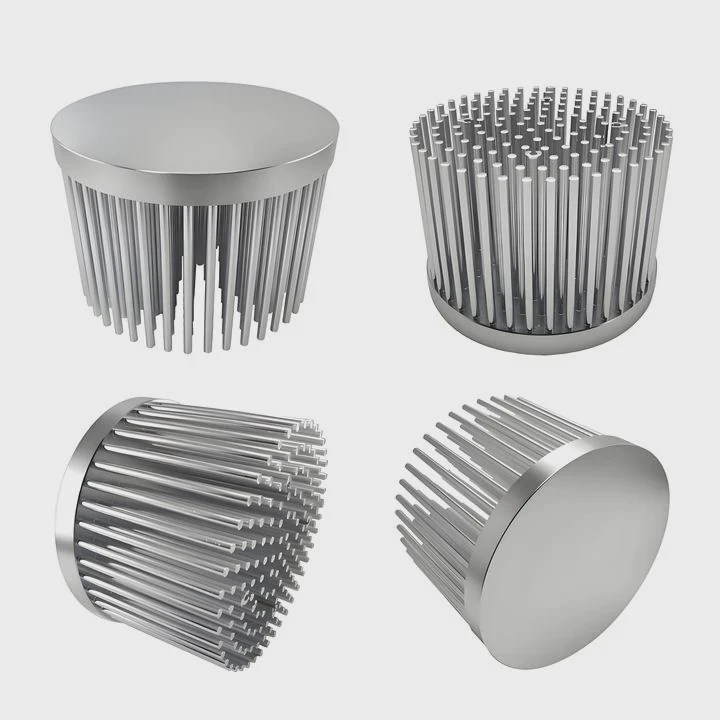
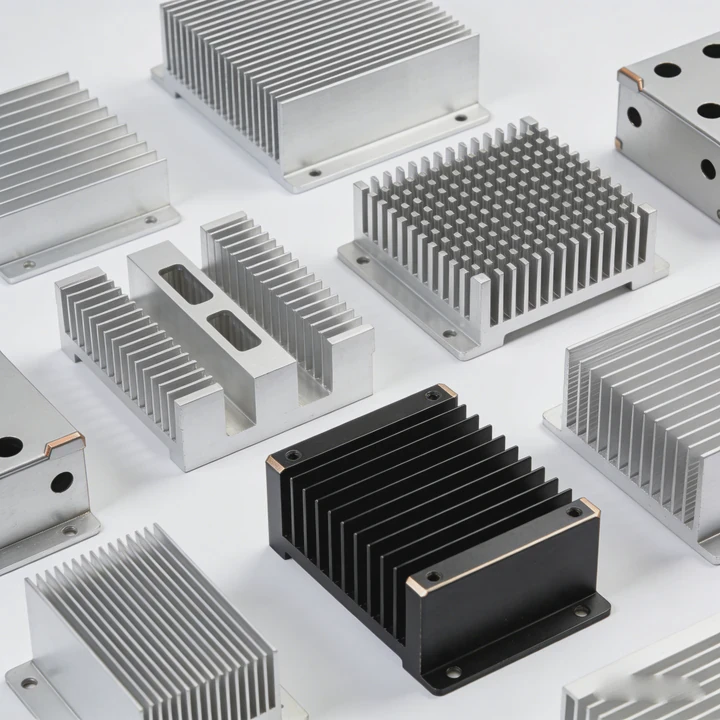
Heat sinks have flat bases and fins to increase surface area. Airflow moves heat away, often aided by a fan.
| Component | Heat Role | Cooling Method |
|---|---|---|
| MOSFET | High | Direct contact with heat sink |
| Diode | Medium | Thermal pad to fin array |
| Voltage regulator | Low | Spread through base |
| Heat sink | Absorbs heat | Fan or passive airflow |
Common Challenges
Dust accumulation, inadequate airflow, or poor thermal interface reduces effectiveness. Regular maintenance is necessary to prevent overheating.
Why do power supplies need thermal control?
Opening paragraph:
Without proper cooling, power supplies can overheat, fail, or damage connected devices.
Thermal control is needed because power supplies convert high voltages and currents, creating heat that must be managed to maintain performance, efficiency, and safety.
High Power Conversion
Power supplies change AC to DC, often at high currents. Conversion losses create heat that accumulates in semiconductors and transformers.
Efficiency and Safety
Overheating reduces efficiency, wastes energy, and can trigger thermal shutdown. Safe designs maintain operation under peak loads.
Thermal Management Techniques
- Passive cooling: Heat sinks absorb heat without fans, used in low-power units.
- Active cooling: Fans move heat from heat sinks to air.
- Temperature sensors: Adjust fan speed or trigger shutdown when temperature exceeds limits.
| Thermal Method | Pros | Cons |
|---|---|---|
| Passive | Quiet, low maintenance | Limited for high power |
| Active | High cooling capacity | Fan noise, more parts |
| Sensor-based | Prevents damage | Adds cost and complexity |
Environmental Factors
Ambient temperature affects thermal control. Poor ventilation or hot rooms reduce efficiency. Power supply placement inside the case impacts airflow and heat removal.
Where are heat sinks located in power supplies?
Opening paragraph:
Users may not see them, but heat sinks are critical inside the PSU.
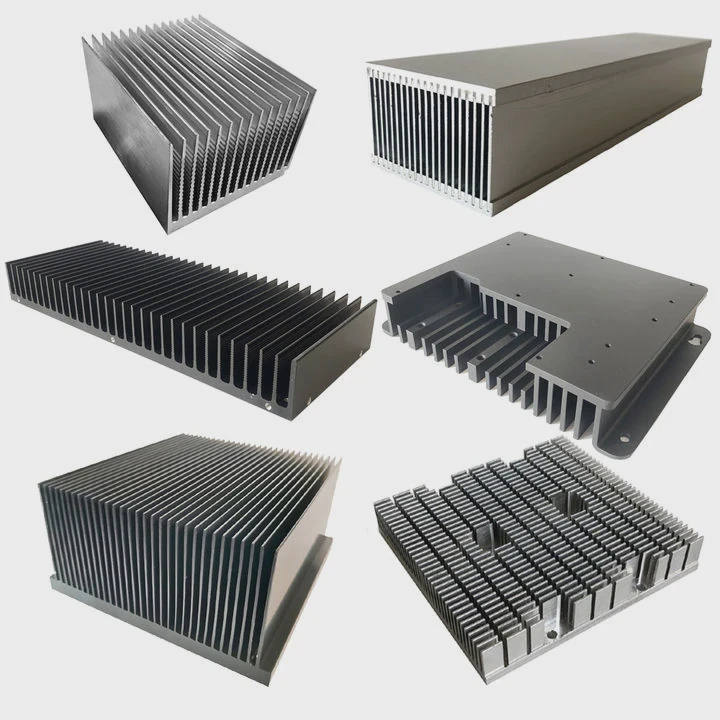
Heat sinks are mounted on high-heat components such as transistors, regulators, and sometimes transformers. They draw heat away and help the cooling fan disperse it into the case or surrounding air.
Internal Layout
Most PSUs have a metal enclosure with components mounted inside. Heat sinks are positioned to directly contact the hottest parts.
- MOSFETs and diodes often have individual heat sinks.
- Voltage regulators may share a larger heat sink with other components.
- Transformers sometimes have fins or thermal pads attached for extra dissipation.
Installation Notes
Heat sinks are usually attached with screws, clips, or thermal adhesive. Fans may blow directly over the fins or create airflow paths inside the PSU.
Maintenance Advice
- Keep vents clean to maintain airflow.
- Avoid covering heat sink areas inside the case.
- Ensure thermal paste or pads remain effective, especially in high-power PSUs.
Diagram of Heat Path
| Component | Contact with Heat Sink | Cooling Approach |
|---|---|---|
| MOSFET | Direct | Fan-assisted airflow |
| Diode | Direct | Fan or natural convection |
| Transformer | Indirect | Thermal pad or attached fins |
| Heat sink | All components | Air carries heat away |
Which power supplies need additional heat sinks?
Opening paragraph:
Not all PSUs run hot, but high-power models generate significant heat that requires more cooling.
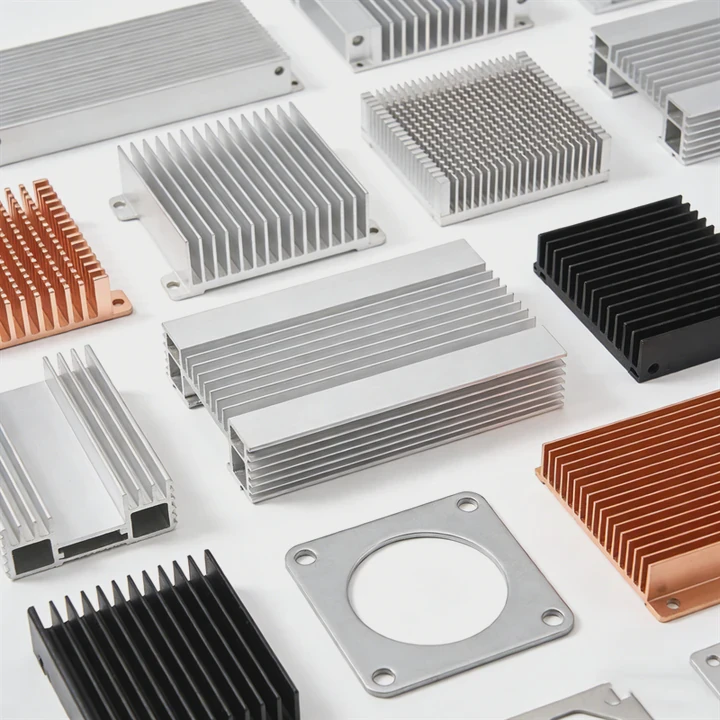
High-wattage or modular power supplies need additional heat sinks to manage high currents and protect sensitive components from thermal stress.
High-Wattage PSUs
Units over 750W often include multiple heat sinks and larger fin arrays. Modular PSUs may also have added cooling to compensate for dense components and higher currents.
Industrial or Server PSUs
- Constant heavy loads in servers generate heat consistently.
- Redundant systems require thermal stability, so multiple or larger heat sinks are standard.
Compact vs. Full-Size PSU
Compact units may rely on passive cooling or single heat sinks but can throttle under heavy load. Full-size units can accommodate multiple heat sinks and larger fans.
Comparison Table
| PSU Type | Heat Sink Requirement | Cooling Style |
|---|---|---|
| Low-power desktop | Small | Single fin, passive airflow |
| Mid-power gaming | Medium | Dual fin array, small fan |
| High-wattage | Large | Multiple fins, active fan |
| Server / Industrial | Extra-large | Full component coverage, redundant airflow |
Practical Advice
Check PSU load and efficiency ratings before purchase. Additional heat sinks improve longevity and allow stable output during high-demand tasks. Proper installation and ventilation ensure heat is removed efficiently.
Conclusion
Heat sinks in power supplies are essential for safe, reliable operation. Choosing the right size, placement, and cooling strategy ensures efficiency, stability, and longer component life.