heat sink for transistor?
- Yongxing
- 03 Jun ,2026
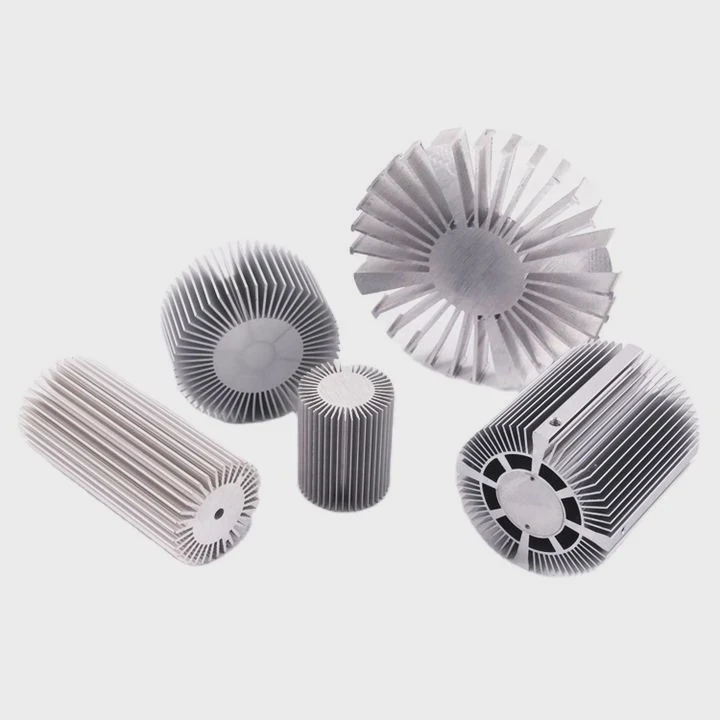
Transistors often fail silently. Heat builds up inside, and most users do not notice until performance drops or the device stops working.
A heat sink protects transistors by absorbing and spreading heat away from sensitive components, keeping temperature within safe limits and improving performance, lifespan, and reliability.
Many engineers ignore thermal design at first. But heat control is not optional. It decides whether a product works for years or fails within months.
How does a heat sink protect transistors?
Heat can destroy a transistor slowly. It raises junction temperature and reduces efficiency. Without control, failure becomes unavoidable.
A heat sink protects transistors by transferring heat away from the transistor surface and dissipating it into the surrounding air, preventing overheating and thermal damage.
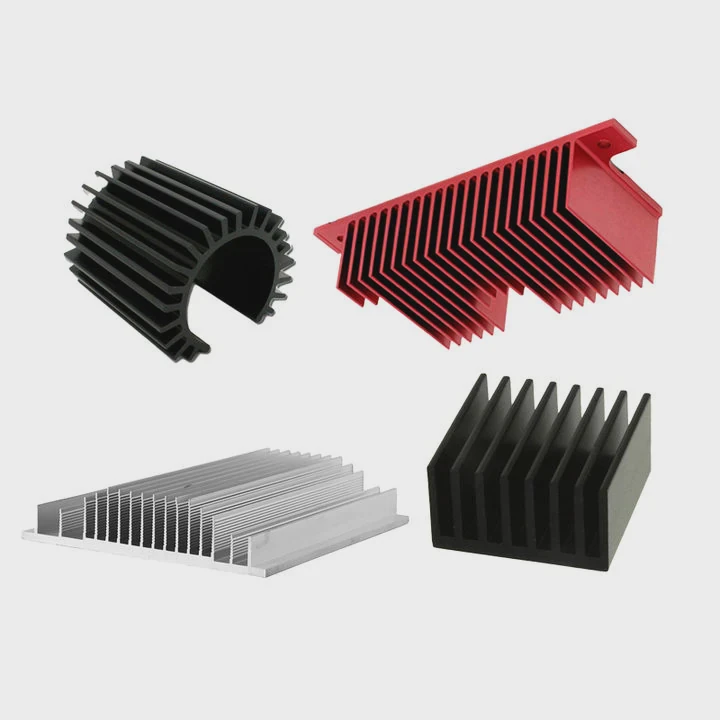
A heat sink works as a thermal bridge. It connects the hot transistor to a larger surface area. This surface then releases heat into the air.
How heat flows in a transistor system
Heat moves in three steps:
- From the transistor junction to the case
- From the case to the heat sink
- From the heat sink to the air
Each step matters. If one step is weak, the whole system fails.
Key protection mechanisms
1. Reducing junction temperature
The junction is the core of a transistor. High temperature damages it.
A heat sink keeps this temperature low. This helps maintain stable operation.
2. Preventing thermal runaway
Thermal runaway is dangerous. As temperature rises, current increases. This creates more heat.
A heat sink breaks this cycle by removing heat fast.
3. Improving reliability
Lower temperature means longer life.
| Temperature Increase | Lifetime Impact |
|---|---|
| +10°C | Life reduces by ~50% |
| +20°C | Life reduces by ~75% |
This is why thermal design is critical.
Materials and efficiency
Most heat sinks use aluminum or copper.
| Material | Advantage | Limitation |
|---|---|---|
| Aluminum | Lightweight, low cost | Lower conductivity |
| Copper | High conductivity | Heavy, expensive |
In many designs, aluminum is enough. But high-power systems often need copper or hybrid solutions.
Real-world insight
In one project, a power transistor failed after 3 months. The design looked fine. But there was no proper heat sink. After adding a finned aluminum heat sink, the same system ran for years.
This shows a simple truth. Heat control is not optional. It is part of the design.
Why do transistors generate excess heat?
Many people think heat is a side effect. But in reality, heat is a direct result of how transistors work.
Transistors generate excess heat because electrical energy is partially converted into heat during switching and conduction, especially when handling high current or voltage.
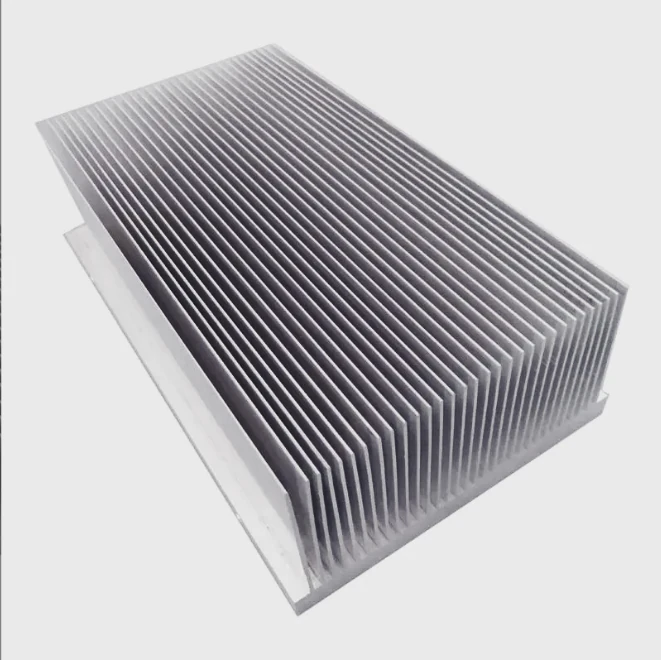
A transistor controls current. But it is not perfect. Some energy is always lost.
Main sources of heat
1. Conduction losses
When current flows through a transistor, resistance creates heat.
Power loss can be estimated by:
- P = I2 x R
Higher current means more heat.
2. Switching losses
Transistors turn on and off rapidly.
During switching, voltage and current overlap. This creates heat.
This is common in:
- Power supplies
- Inverters
- Motor drivers
3. Leakage current
Even when off, a small current flows.
This leakage also produces heat over time.
High power = high heat
As power increases, heat rises quickly.
| Power Level | Heat Challenge |
|---|---|
| Low (<1W) | Minimal |
| Medium (1-10W) | Manageable |
| High (>10W) | Critical |
High-power transistors always need thermal management.
Environmental factors
Heat is not only internal.
External conditions matter:
- Ambient temperature
- Airflow
- Enclosure design
A hot environment makes cooling harder.
Design mistakes that increase heat
Many failures come from simple errors:
- Undersized transistor
- Poor PCB layout
- No thermal interface material
- Incorrect mounting
These mistakes trap heat.
Practical observation
In one industrial system, engineers increased current without updating cooling. The transistor overheated within hours.
After redesign, they added:
- Larger heat sink
- Thermal paste
- Better airflow
The problem disappeared.
This shows heat is predictable. But only if you respect it.
Where is a heat sink mounted on transistors?
Wrong placement reduces efficiency. Even a good heat sink will fail if mounted incorrectly.
A heat sink is typically mounted directly onto the transistor’s metal case or tab using screws, clips, or thermal interface materials to ensure efficient heat transfer.
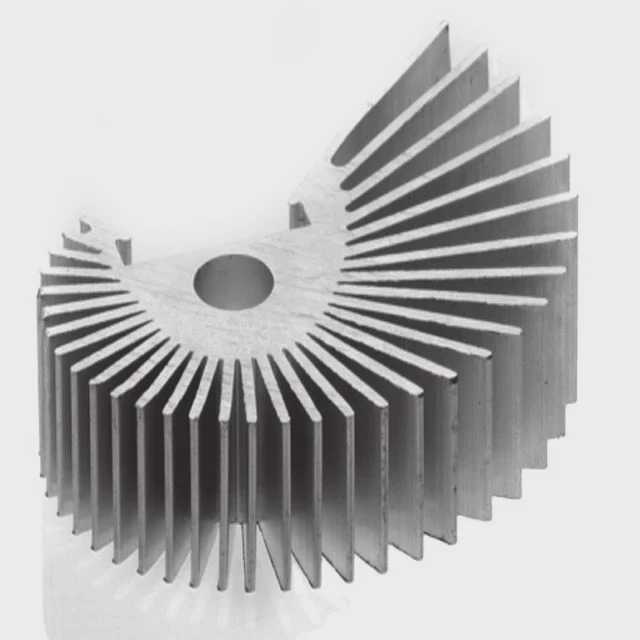
Mounting is not just mechanical. It is thermal engineering.
Common mounting positions
1. TO-220 package
This is very common.
- Heat sink attaches to the metal tab
- Usually uses a screw
- Thermal paste improves contact
2. TO-3 package
Metal can package.
- Mounted directly onto heat sink surface
- Uses bolts
- Often includes insulating washers
3. Surface-mount transistors
Smaller devices.
- Heat spreads through PCB
- Copper planes act as heat sink
- Sometimes uses external heat spreader
Importance of thermal interface
Air is a poor conductor.
So, we use thermal interface materials (TIM):
- Thermal paste
- Thermal pads
- Phase change materials
These fill gaps and improve heat transfer.
Mounting pressure matters
Too loose → poor contact
Too tight → damage
Proper torque ensures good thermal contact.
Electrical insulation
Some designs require isolation.
In this case:
- Use mica or silicone pads
- Maintain thermal conductivity
Mounting methods comparison
| Method | Advantage | Limitation |
|---|---|---|
| Screw mount | Strong, reliable | Requires tools |
| Clip mount | Fast assembly | Lower pressure |
| Adhesive | Simple | Hard to remove |
Real-world challenge
In high-voltage systems, isolation is critical. Engineers often struggle between thermal performance and electrical safety.
A good design balances both.
Practical tip
Always check:
- Flatness of surfaces
- Cleanliness
- Even pressure
A small gap can reduce efficiency by 30% or more.
Which transistor types need heat sinks?
Not all transistors need heat sinks. But many do, especially in power applications.
Transistor types that need heat sinks include power transistors, MOSFETs, IGBTs, and high-current BJTs, particularly when operating under high voltage or current conditions.
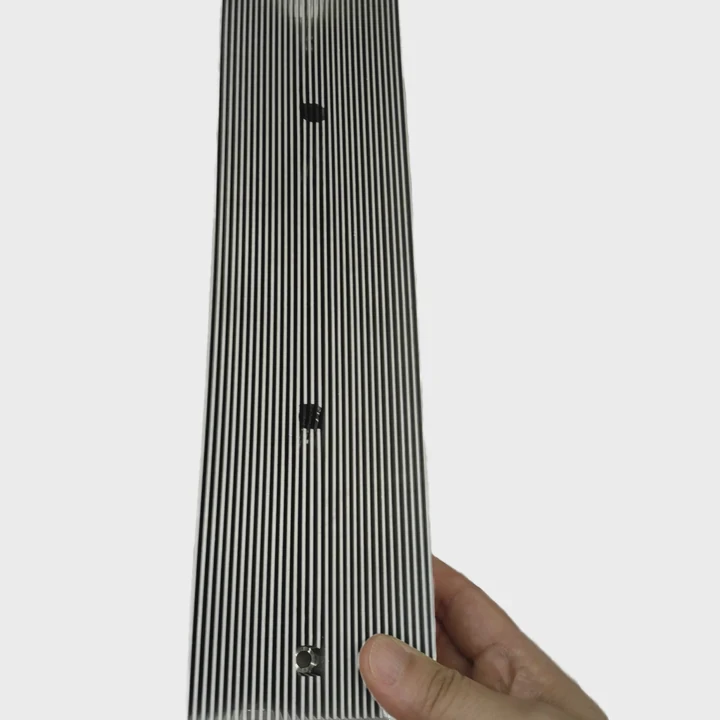
Understanding which devices need cooling helps avoid overdesign or failure.
Major transistor categories
1. Power BJTs
These handle large current.
- High heat generation
- Often require heat sinks
2. MOSFETs
Very common in modern systems.
- Used in switching
- Heat depends on Rds(on) and switching frequency
3. IGBTs
Used in high-power systems.
- Combine MOSFET and BJT features
- Generate significant heat
4. Small signal transistors
Low power devices.
- Usually no heat sink needed
When is a heat sink required?
Key factors:
- Power dissipation > 1-2W
- High ambient temperature
- Continuous operation
- Limited airflow
Quick selection guide
| Transistor Type | Heat Sink Needed? |
|---|---|
| Small signal BJT | No |
| Power BJT | Yes |
| MOSFET (low power) | Maybe |
| MOSFET (high power) | Yes |
| IGBT | Always |
Industry applications
Heat sinks are critical in:
- Power supplies
- Electric vehicles
- Renewable energy systems
- Industrial automation
These systems cannot tolerate failure.
Design trade-offs
Engineers must balance:
- Size
- Cost
- Weight
- Performance
A larger heat sink improves cooling but increases cost.
Personal experience insight
In one EV project, the team tried to reduce size by using a smaller heat sink. The system passed initial tests. But after long-term operation, temperature rose beyond limits.
The final design used:
- Larger heat sink
- Better airflow
- Improved thermal simulation
This fixed the issue.
Final thought in this section
Not every transistor needs a heat sink. But when it is needed, it is critical. Ignoring it leads to failure.
Conclusion
Heat sinks are essential for protecting transistors. They control temperature, improve reliability, and prevent failure. A good thermal design ensures stable performance and long service life in any electronic system.