Heat Sink for Voltage Regulator?
- Yongxing
- 04 Jun ,2026
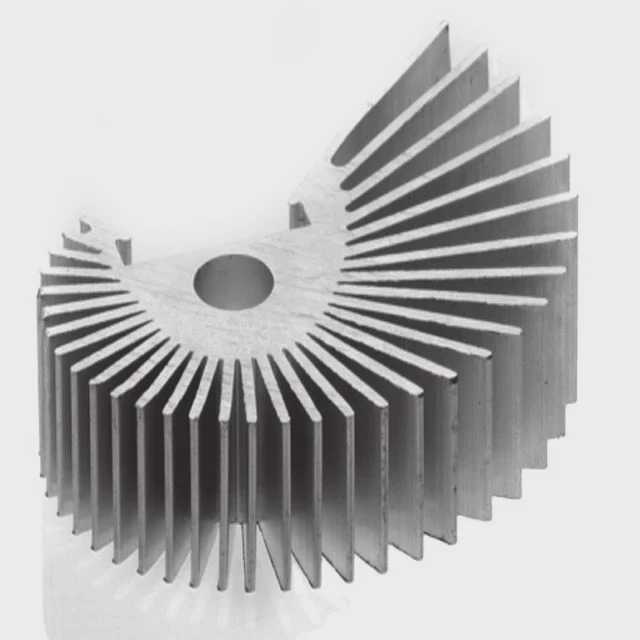
Voltage regulators maintain steady voltage, but they generate heat under load. A heat sink can keep them cool and stable.
A heat sink stabilizes voltage regulators by removing excess heat, preventing thermal shutdowns, and allowing consistent voltage output even under high current loads.
Proper thermal management ensures regulators perform reliably. Let’s explore how heat sinks work, where to place them, and which regulators need them most.
How does a heat sink stabilize voltage regulators?
Voltage regulators convert electrical energy and often dissipate excess power as heat. High temperatures can cause voltage fluctuations or reduce efficiency.
Heat sinks stabilize voltage regulators by improving heat dissipation. They maintain a lower junction temperature, preventing thermal drift and allowing the regulator to provide consistent voltage.
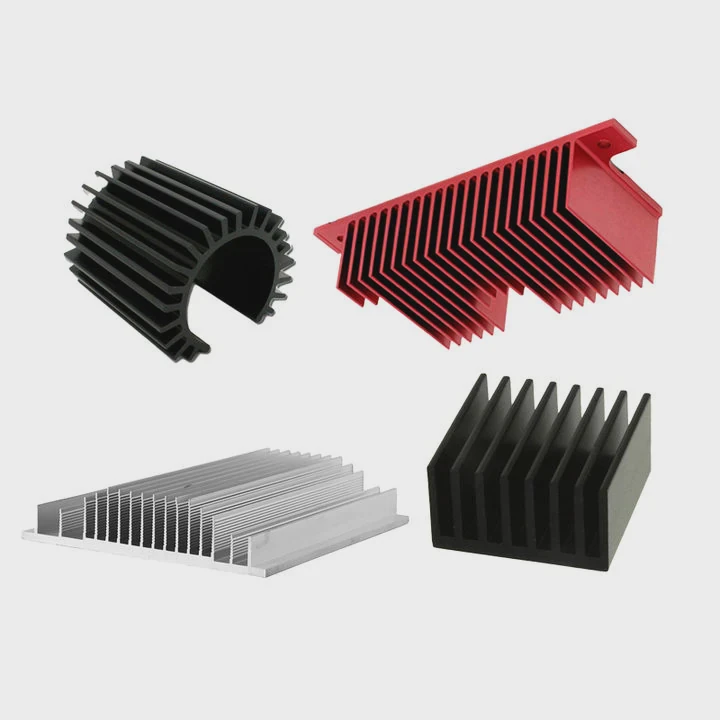
When a regulator operates under load, its internal transistor or IC generates heat. Excess heat can reduce performance or even trigger thermal protection, cutting off output. A heat sink spreads this heat over a larger surface area, allowing it to transfer to the surrounding air efficiently.
How heat sinks work
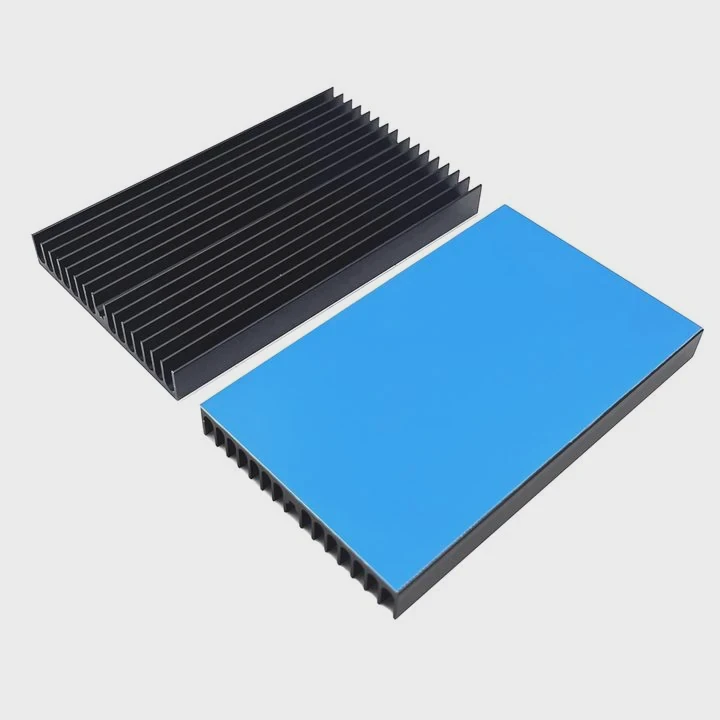
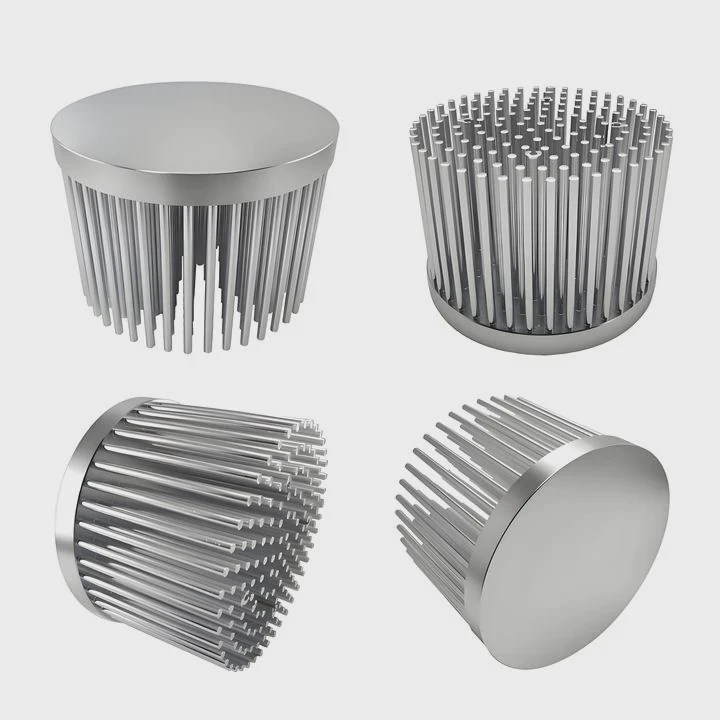
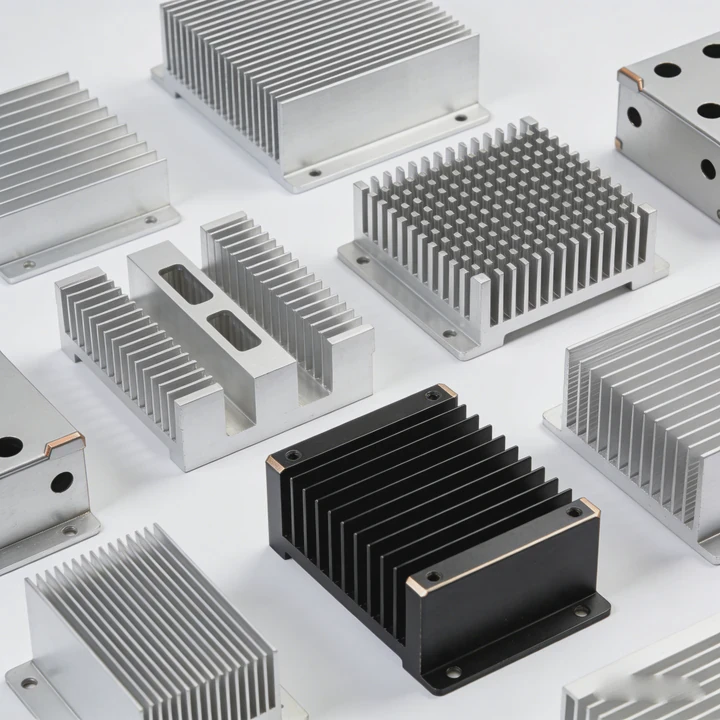
Heat sinks are made from materials with high thermal conductivity, usually aluminum or copper. They attach directly to the regulator’s metal tab or case. Some designs use thermal paste or pads to improve thermal contact. The fins or plates increase surface area and promote airflow around the component.
Effects on performance
By reducing temperature, a heat sink prevents voltage drift caused by thermal effects. It also prolongs the regulator’s lifespan and avoids repeated thermal shutdowns. In high-current applications, heat sinks can maintain stable operation without derating the output.
Table: Benefits of Heat Sinks for Regulators
| Benefit | Description |
|---|---|
| Stable output | Maintains consistent voltage under load |
| Extended lifespan | Reduces stress on ICs and transistors |
| Prevents shutdown | Avoids thermal cutoffs during heavy load |
| Improves efficiency | Lower temperatures reduce power loss |
Using a heat sink is particularly important for linear regulators, which dissipate significant energy as heat, compared to switching regulators.
Why do regulators require thermal management?
Voltage regulators convert or maintain voltage, producing heat as a byproduct. Without cooling, this heat can reduce reliability and efficiency.
Regulators require thermal management because excessive heat can cause voltage drift, thermal shutdown, and permanent damage to the IC or transistor.
Linear regulators generate heat proportional to the voltage drop across them multiplied by the load current. High load current or high input voltage increases heat, which must be dissipated. Switching regulators are more efficient but can still produce hot spots that need cooling in compact or high-power designs.
Key reasons for thermal management
- Prevent voltage drift - Temperature changes can affect the regulator’s reference voltage, causing output fluctuations.
- Avoid thermal shutdown - Most regulators have internal thermal protection; overheating triggers shutdown to prevent damage.
- Improve reliability - Repeated high-temperature operation shortens the life of semiconductor devices.
- Maintain efficiency - Heat buildup increases power loss in linear regulators.
Table: Thermal Challenges in Regulators
| Challenge | Effect |
|---|---|
| High input voltage | More heat dissipation required |
| High load current | Increases internal temperature |
| Poor airflow | Reduces heat removal, risks thermal cutoffs |
| Compact PCB design | Limited surface area for cooling |
Thermal management strategies include using heat sinks, improving airflow, spreading heat with PCB copper planes, and choosing efficient regulator designs.
Where is a heat sink placed on regulators?
Heat sinks need direct thermal contact with the regulator’s hot spot for effective cooling. Placement affects performance.
A heat sink is usually placed on the regulator’s metal tab or directly over the IC package, ensuring maximum heat transfer from the junction to the cooling surface.
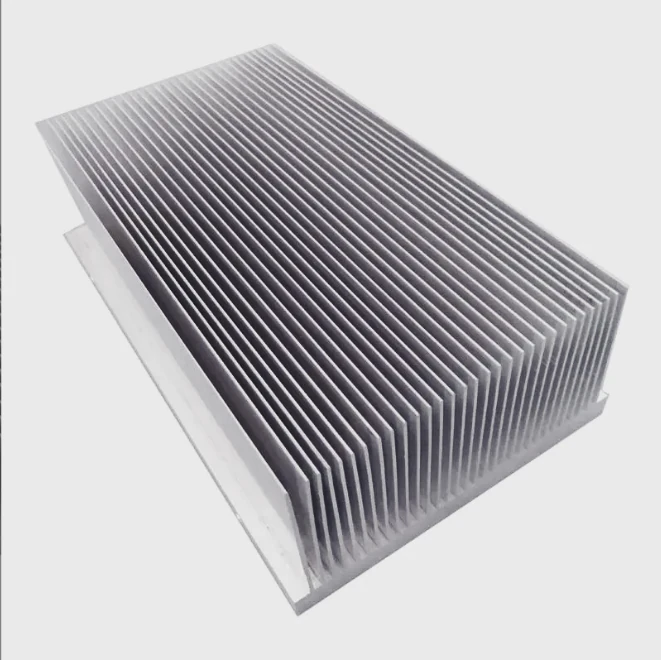
Many linear regulators include a metal tab for mounting. The heat sink attaches using screws, clips, or thermal adhesive. Thermal paste or pads fill the microscopic gaps for better heat conduction. Proper placement ensures the hottest components transfer heat efficiently to the heat sink and then to ambient air.
Installation tips
- Ensure the regulator’s thermal pad or tab is fully in contact with the heat sink.
- Use thermal compound to reduce contact resistance.
- Avoid blocking airflow around the heat sink.
- For small boards, consider adding copper pours or fins to improve heat spread.
Diagram: Heat Sink Placement on Voltage Regulator
| Regulator Part | Heat Sink Placement Tip |
|---|---|
| Metal tab | Direct contact with screw or clip |
| IC body | Thermal pad underneath for heat transfer |
| PCB copper plane | Use as secondary heat spreader |
Correct placement ensures thermal energy is removed quickly and the regulator stays within safe operating limits.
Which regulator types need heat sinks?
Not all voltage regulators require heat sinks. High-efficiency switching regulators often run cool, while linear regulators or high-current devices generate more heat.
Linear regulators and high-current regulators need heat sinks the most, particularly when voltage drop and load currents are high.
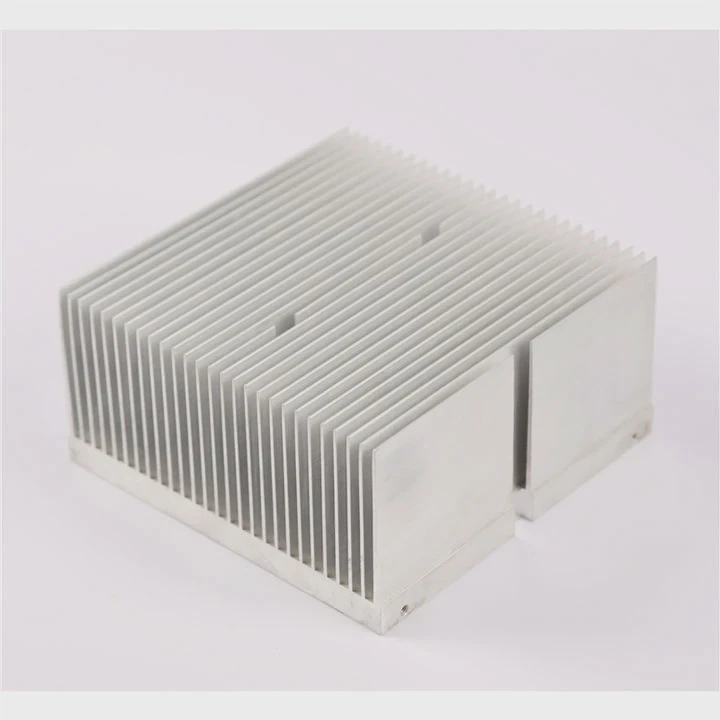
Low-power regulators usually manage heat without external cooling. In contrast, high-current linear regulators may dissipate several watts as heat. Without a heat sink, these devices may overheat, reduce voltage stability, or trigger thermal protection.
Regulators benefiting most from heat sinks
- High-current linear regulators
- Low-dropout (LDO) regulators with high voltage difference
- Adjustable voltage regulators under heavy load
- Certain MOSFET-based switching regulators in compact designs
Table: Heat Sink Requirement by Regulator Type
| Regulator Type | Heat Sink Need |
|---|---|
| Low-power LDO | Low |
| Standard linear | Moderate |
| High-current linear | High |
| Switching | Low to Moderate |
Choosing the right heat sink for a regulator ensures reliability, consistent voltage output, and prevents thermal damage under sustained operation.
Conclusion
Heat sinks are critical for voltage regulators under heavy load. They stabilize voltage, prevent thermal shutdowns, and extend component lifespan. Correct placement and understanding which regulators need cooling ensures consistent performance and long-term reliability.
- Pre heat sink for transistor?
- Next: Heat Sink for Xbox?