how do heat sink fins work?
- Yongxing
- 04 May ,2026
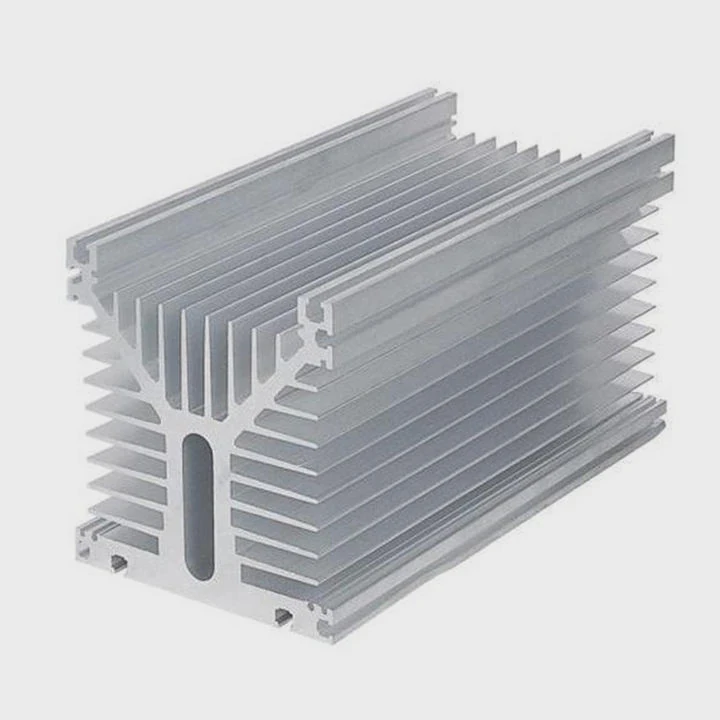
Heat builds up fast in electronics. That heat can damage parts and reduce life. Many people see fins but do not know how they help. This gap causes poor design choices.
Heat sink fins work by increasing surface area and guiding airflow so heat can move from a hot surface into the air more efficiently. They spread heat and allow faster cooling.
Fins look simple, yet they are the core of most cooling systems. Understanding how they work helps make better choices in design, cost, and performance.
What role do fins play in heat dissipation?
Heat stays trapped in small surfaces. That slows cooling and raises temperature. Many systems fail because heat cannot escape fast enough.
Fins act as extensions of a base. They spread heat over a larger area and transfer it to the surrounding air through conduction and convection.
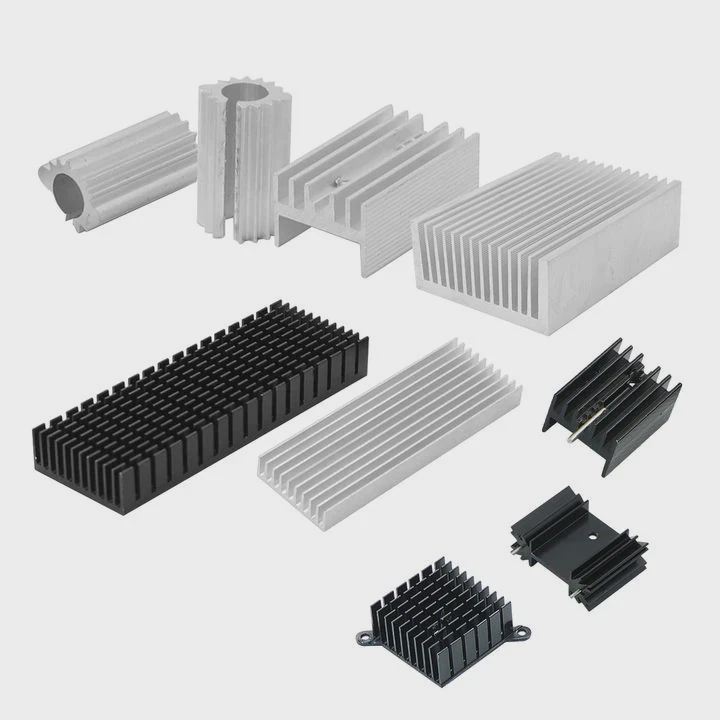
Fins play a direct role in moving heat away from the heat source. The base of a heat sink touches the hot device. Heat flows into the base first. Then it travels into each fin.
How heat moves through fins
Heat transfer follows two main steps:
- Conduction: Heat flows from the base into the fins
- Convection: Heat leaves the fin surface into the air
The fins act like highways for heat. Without fins, heat stays in one place. With fins, heat spreads out.
Why spreading heat matters
When heat spreads, temperature drops faster. This happens because:
- Larger area = more contact with air
- More contact = more heat loss
Key factors in fin performance
| Factor | Effect on Heat Dissipation |
|---|---|
| Fin height | Taller fins increase surface area |
| Fin thickness | Thinner fins allow more fins in same space |
| Fin spacing | Proper spacing improves airflow |
| Material | High conductivity improves heat transfer |
Real design insight
Many designs fail when fins are too dense. Air cannot pass through. This traps heat instead of releasing it. A balance is always needed.
In real projects, choosing fin size is not only about adding more. It is about matching airflow, material, and space. That is where experience plays a big role.
Why do fins increase surface area?
Small surfaces cannot release heat fast. This creates a bottleneck. Heat builds up and affects performance.
Fins increase surface area by extending the heat sink into the surrounding air, allowing more contact between solid material and air for heat exchange.
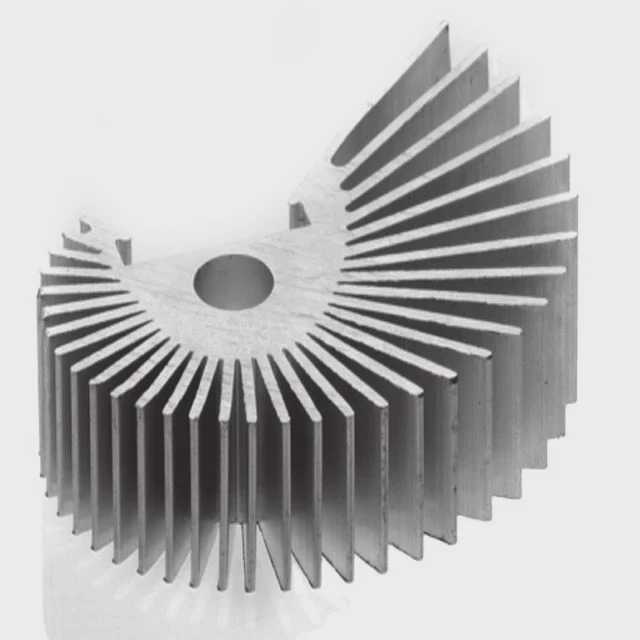
Surface area is the most important factor in passive cooling. A flat plate has limited area. Adding fins multiplies that area many times.
Simple comparison
Imagine two cases:
| Design | Surface Area | Cooling Ability |
|---|---|---|
| Flat plate | Low | Poor |
| Finned heat sink | High | Strong |
How fins multiply area
Each fin adds:
- Two side surfaces
- One top surface
When many fins are added, total area increases quickly.
Example breakdown
If one base has 10 fins:
- Each fin adds multiple surfaces
- Total area can increase by 5–20 times
This large increase directly improves heat dissipation.
The trade-off
More fins do not always mean better performance.
Problems can occur when:
- Fins are too close
- Air cannot move
- Dust builds up
So design must balance:
- Surface area
- Airflow
- Manufacturing limits
Practical design thinking
In many real cases, increasing area by 30% can improve cooling a lot. But increasing it by 100% may not double performance. Airflow becomes the limiting factor.
This is why fin design is always a system problem, not just a geometry problem.
Where does airflow interact with fins?
Heat cannot leave fins without air. Poor airflow leads to heat buildup. Many systems ignore this and fail.
Airflow interacts with fins along their surfaces, carrying heat away through convection, especially between fin gaps where air movement is strongest.
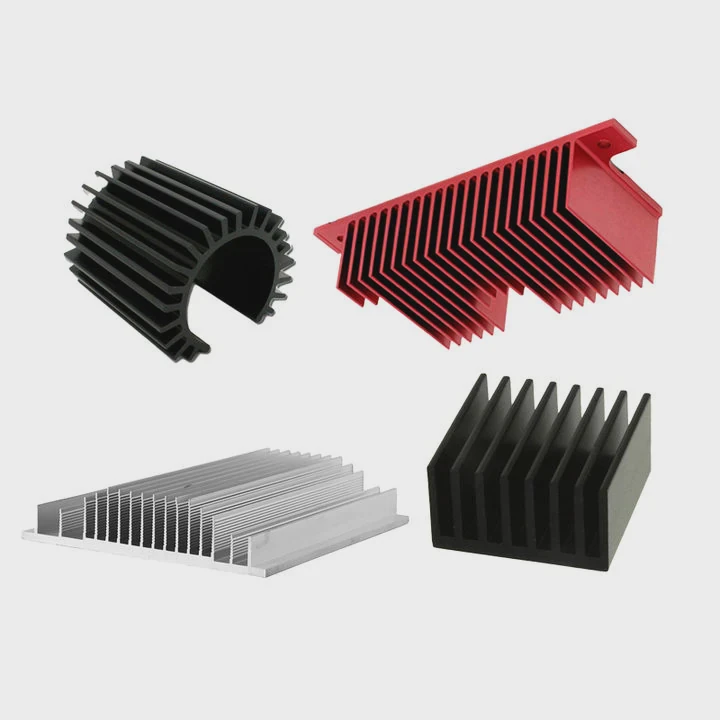
Airflow is the second half of the cooling process. Without it, fins cannot work effectively.
Types of airflow
There are two main types:
- Natural convection: Air moves due to temperature difference
- Forced convection: Fans or pumps push air
Where airflow is strongest
Air interacts most at:
- Fin channels (between fins)
- Fin edges
- Fin tips
These areas see the most heat exchange.
Airflow path matters
Good design ensures:
- Air enters easily
- Air flows through fins
- Air exits without blockage
Common airflow mistakes
- Fins too close → air gets trapped
- Poor fan placement → uneven cooling
- Blocked outlets → heat recirculates
Airflow vs fin spacing
| Fin Spacing | Airflow Behavior | Result |
|---|---|---|
| Too narrow | Air blocked | Poor cooling |
| Too wide | Less surface area | Reduced efficiency |
| Optimal | Smooth flow | Best performance |
Real-world observation
In many cooling systems, airflow design matters more than adding more metal. A well-placed fan can outperform a larger heat sink.
Also, airflow direction should align with fin orientation. Misalignment reduces cooling efficiency.
Which fin designs improve performance?
Not all fins are equal. Poor design wastes material and space. Good design improves cooling without increasing size.
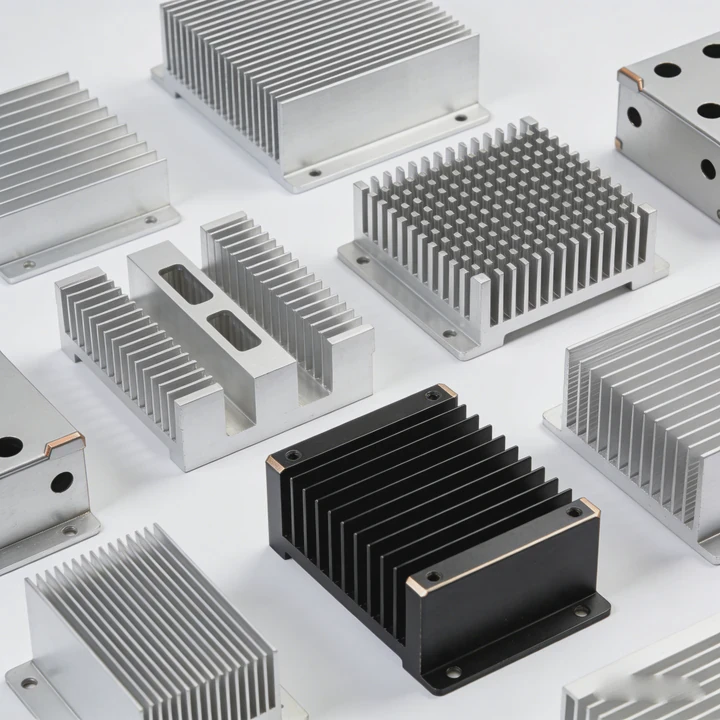
Fin performance improves with optimized shape, spacing, and structure, such as straight fins, pin fins, and folded fins designed for specific airflow conditions.
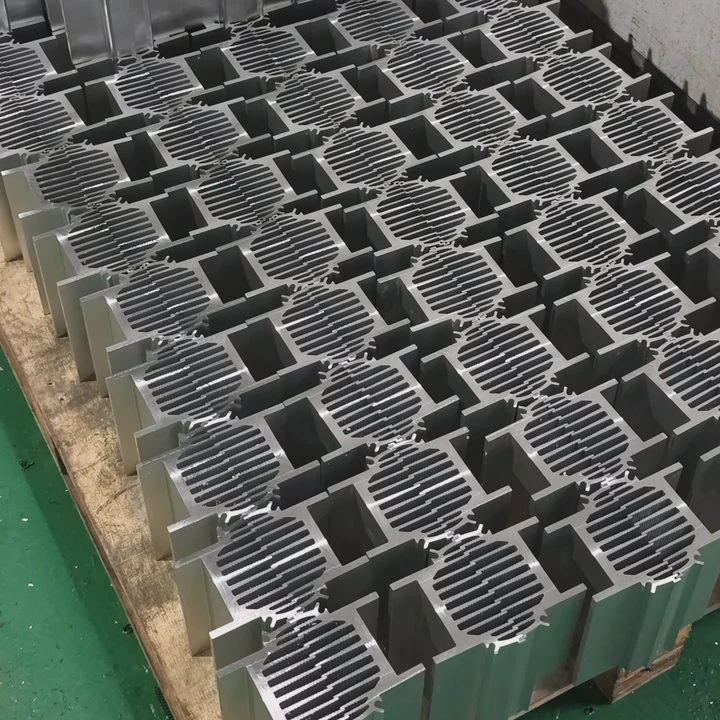
Different applications require different fin designs.
Common fin types
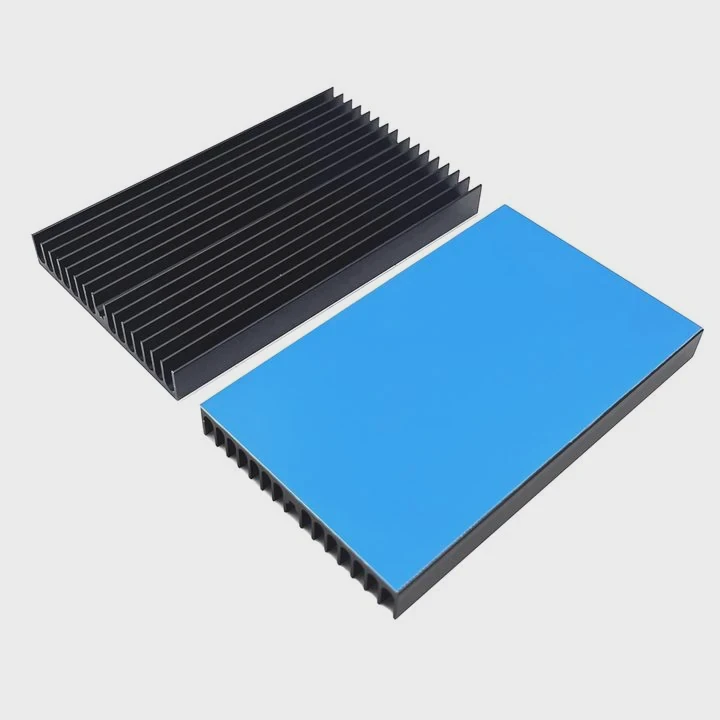
Straight fins
- Simple design
- Easy to manufacture
- Best for directed airflow
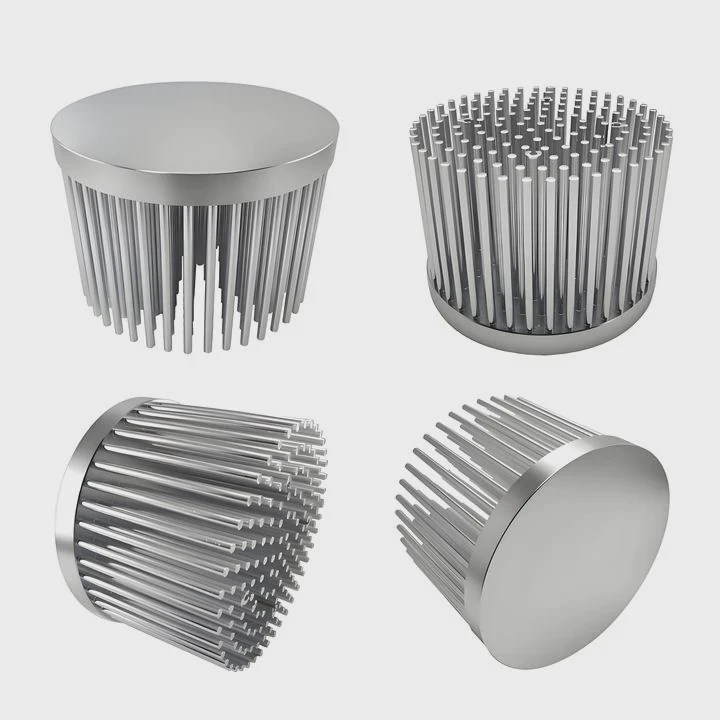
Pin fins
- Cylindrical or square pins
- Good for multi-direction airflow
- Used in compact systems
Skived fins
- Cut from solid block
- High density
- Excellent thermal performance
Folded fins
- Thin metal sheets folded
- Very high surface area
- Lightweight design
Comparison of fin types
| Fin Type | Strength | Weakness |
|---|---|---|
| Straight | Low cost, simple | Limited airflow flexibility |
| Pin | Good airflow mixing | Higher cost |
| Skived | High performance | Expensive |
| Folded | Lightweight, high area | Lower strength |
Design factors that improve performance
- Fin height optimization
- Proper spacing
- Surface roughness control
- Material selection
Advanced design ideas
Some modern systems use:
- Vapor chamber + fins
- Heat pipes + fins
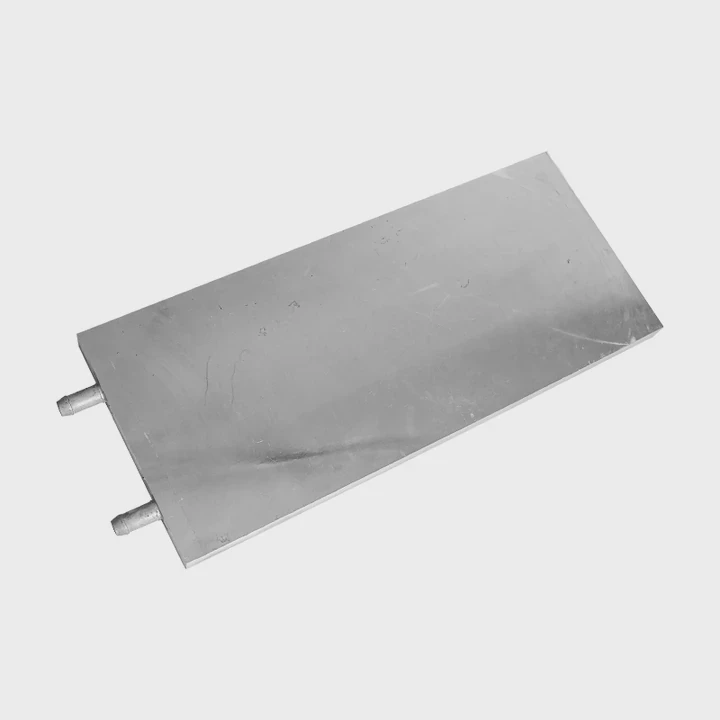
- Liquid cooling + fin radiators
These hybrid designs push performance further.
Real design lesson
In many projects, switching fin type improves performance more than increasing size. For example, changing from straight fins to pin fins can improve airflow efficiency in tight spaces.
Also, manufacturing method affects cost and quality. A design must balance:
- Thermal performance
- Cost
- Production speed
Conclusion
Heat sink fins work by increasing surface area and guiding airflow. Good fin design balances heat transfer, airflow, and structure. Understanding this helps improve cooling performance without unnecessary cost or complexity.