How Do Heat Sinks Work?
- Yongxing
- 05 Jun ,2026
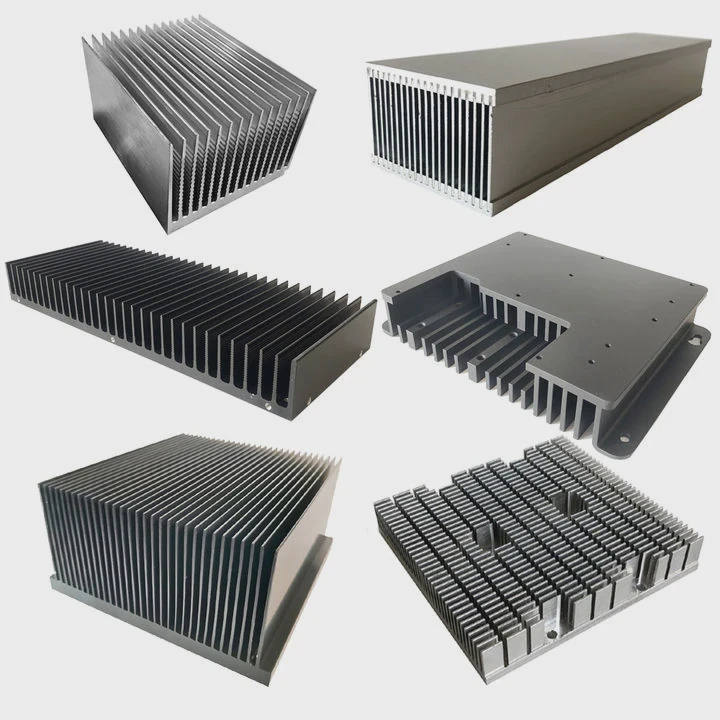
Hot devices fail fast. Heat builds silently and damages performance. Many systems struggle with thermal control every day.
Heat sinks work by absorbing heat from a source and spreading it into the air through conduction, convection, and sometimes radiation. Their design increases surface area and airflow to remove heat efficiently and keep devices within safe temperatures.
Heat management sits at the center of modern electronics. Understanding how heat sinks work helps engineers choose the right solution and avoid costly failures.
What mechanisms enable heat sink cooling?
Heat builds quickly in high-power devices. Without control, it leads to failure, reduced life, and unstable output.
Heat sink cooling relies on three main mechanisms: conduction transfers heat from the source to the sink, convection moves heat into surrounding air, and radiation releases a small portion as infrared energy.
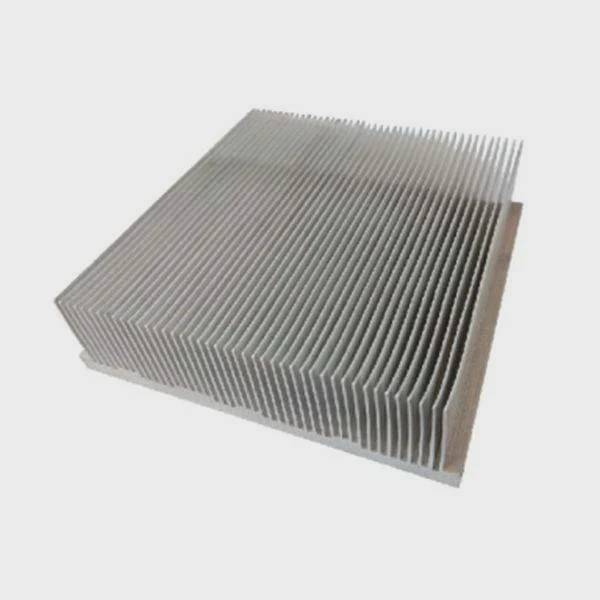
Heat Transfer Basics
Heat sinks use simple physics. Three modes define how heat moves:
| Mechanism | Description | Role in Heat Sink |
|---|---|---|
| Conduction | Heat moves through solid material | Core function |
| Convection | Heat moves through fluid (air/liquid) | Major cooling |
| Radiation | Heat emitted as electromagnetic waves | Minor effect |
Conduction: The First Step
Heat always flows from hot to cold. The heat source, such as a chip, transfers heat into the heat sink base. This step depends on material quality and contact resistance.
Aluminum and copper are common choices. Copper has higher thermal conductivity. Aluminum is lighter and cheaper. Many designs combine both materials.
The contact surface matters a lot. A flat, smooth interface reduces thermal resistance. Thermal interface materials (TIMs) fill gaps and improve contact.
Convection: The Main Cooling Force
Once heat reaches the heat sink, it must leave. Airflow plays a key role. Natural convection uses ambient air movement. Forced convection uses fans or liquid cooling.
The faster the air moves, the more heat it carries away. This is why many systems include fans or blowers.
Radiation: A Small Contribution
Radiation plays a smaller role. It becomes more important at higher temperatures or with special coatings.
Dark or black anodized surfaces can increase radiation slightly. However, in most industrial systems, convection dominates.
Practical Insight
In real projects, heat sink design starts with conduction. If heat cannot reach the sink, nothing else works. Then, airflow is optimized to remove heat efficiently.
Many engineers focus too much on material and ignore airflow. That often leads to poor results. A balanced design always considers all three mechanisms together.
Why are fins used in heat sinks?
Flat surfaces cannot remove enough heat. Devices need more area to exchange heat with air.
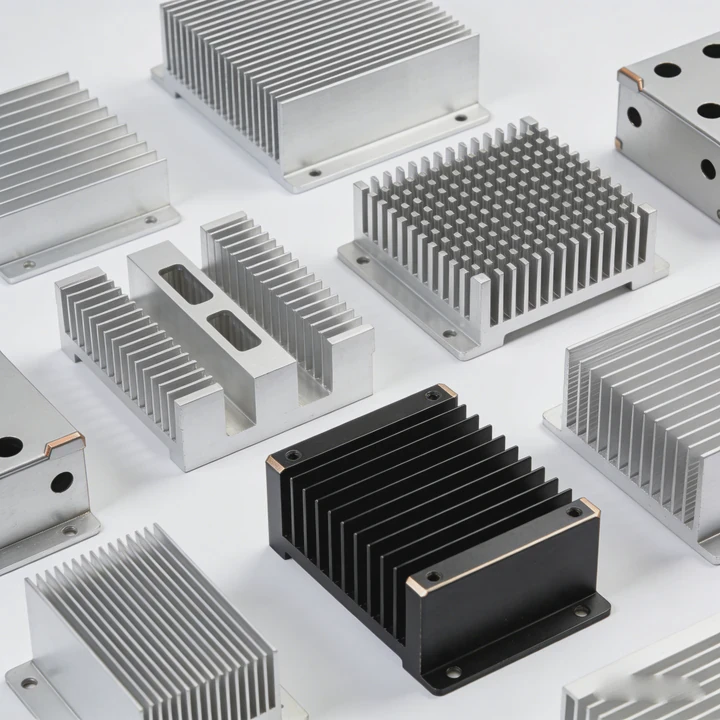
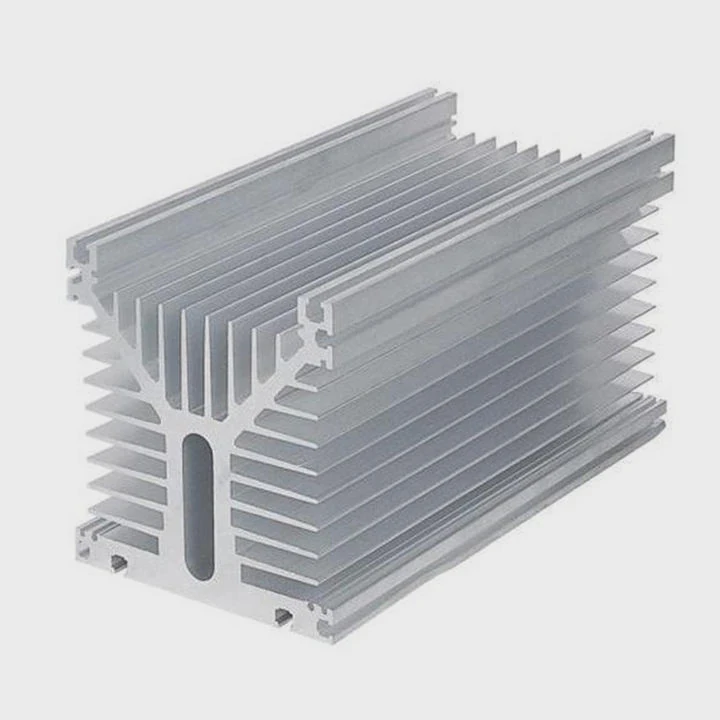
Fins increase the surface area of a heat sink, which improves heat transfer to air. More surface area allows more heat to dissipate through convection, making cooling more effective.
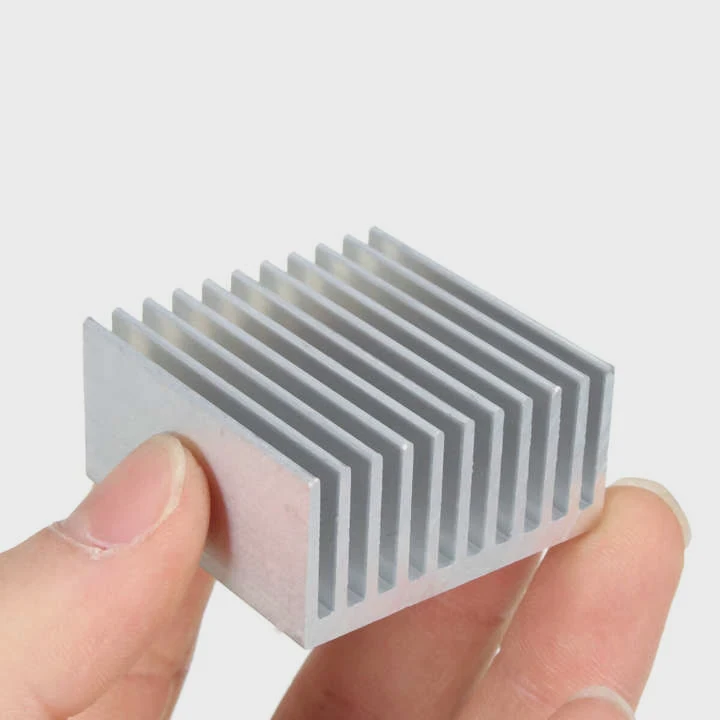
Surface Area Expansion
A simple block of metal has limited surface area. Adding fins multiplies that area many times.
More area means more contact with air. This leads to better heat transfer.
Fin Geometry and Types
Different fin shapes serve different needs:
| Fin Type | Description | Use Case |
|---|---|---|
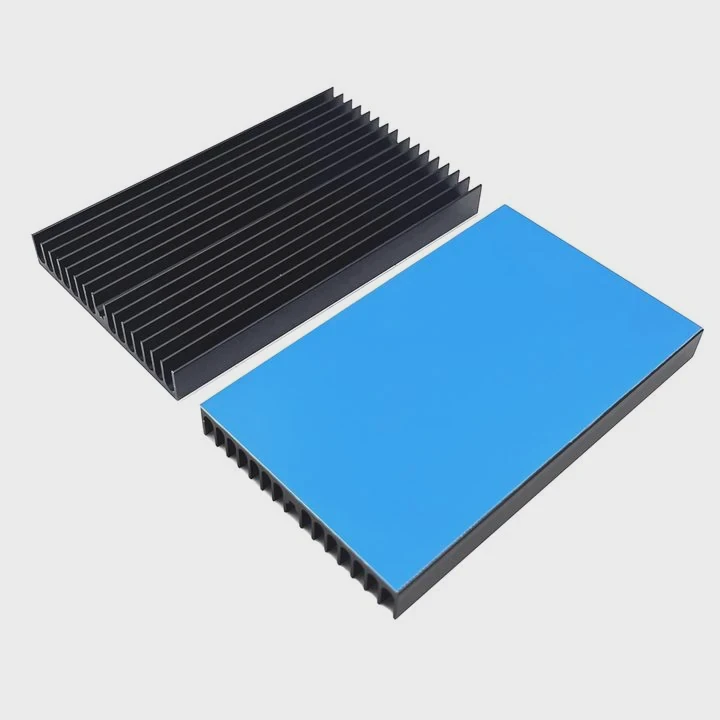
| Straight fins | Parallel and simple | General cooling |
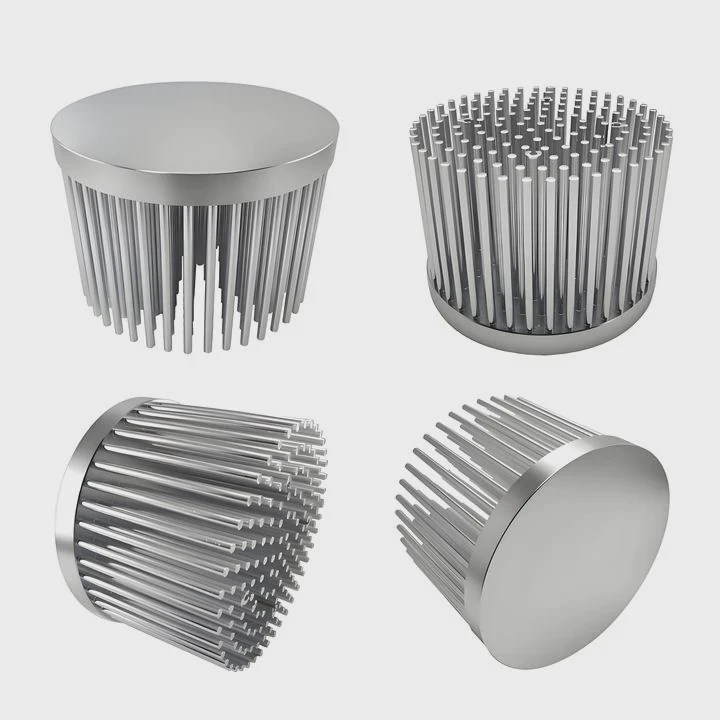
| Pin fins | Cylindrical or square pins | Multi-direction airflow |
| Skived fins | Thin and dense fins | High-performance systems |
| Folded fins | Thin metal sheets folded | Lightweight applications |
Airflow Interaction
Fins do not just increase area. They also guide airflow. Proper spacing allows air to pass through without resistance.
If fins are too close, airflow becomes restricted. Heat gets trapped. If fins are too far apart, surface area is reduced.
Design always balances these two factors.
Material and Manufacturing Impact
Fin performance also depends on how they are made. Extrusion, skiving, and bonding each have different effects.
Skived fins allow very thin structures. That increases surface area but also cost.
Extruded fins are common and cost-effective. They offer a good balance.
Real Engineering Trade-offs
In practice, adding more fins is not always better. At some point, airflow limits performance.
A well-designed heat sink considers:
- Fin height
- Fin thickness
- Fin spacing
- Air velocity
Each factor interacts with others. Good design comes from testing and simulation.
Where is heat released from heat sinks?
Many assume heat disappears inside the sink. In reality, it must be released into the environment.
Heat is released from the outer surfaces of the heat sink, mainly through fins, where it transfers to surrounding air via convection and slightly through radiation.
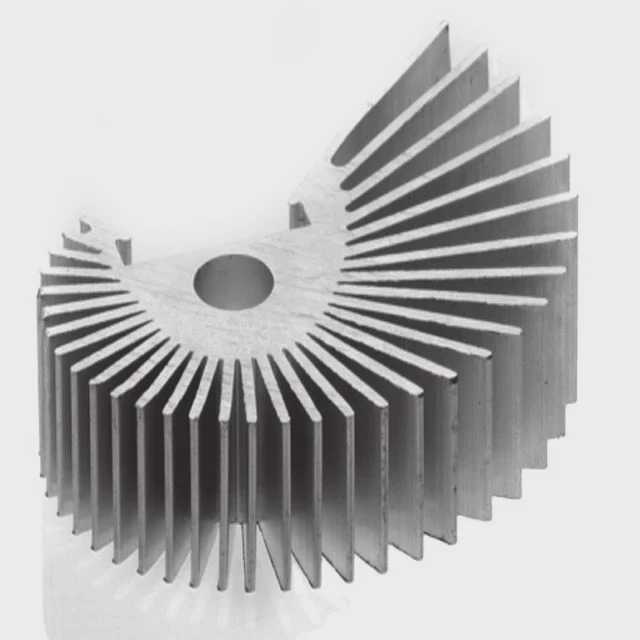
Heat Flow Path
Heat follows a clear path:
- Heat source generates heat
- Heat moves into the heat sink base
- Heat spreads through fins
- Heat transfers to air
The final step is critical. If heat cannot leave the fins, the system overheats.
Role of Air
Air acts as the carrier. It absorbs heat and moves it away from the heat sink.
In natural convection, warm air rises and cooler air replaces it. In forced convection, fans speed up this process.
Surface Exposure
Every exposed surface contributes to cooling:
- Fin surfaces
- Base edges
- Outer casing
The more exposed area, the better the heat release.
Environmental Factors
External conditions also affect heat release:
| Factor | Impact on Cooling |
|---|---|
| Ambient temp | Higher temp reduces efficiency |
| Airflow speed | Higher speed improves cooling |
| Dust buildup | Reduces heat transfer |
| Orientation | Affects natural convection |
System-Level Thinking
Heat sinks do not work alone. They are part of a full thermal system.
Enclosure design, airflow path, and component layout all affect performance.
For example, placing a heat sink in a closed box with no airflow reduces its effectiveness. Even the best design fails without proper system integration.
Which designs improve heat sink performance?
Not all heat sinks perform equally. Design choices directly impact cooling efficiency.
Heat sink performance improves with optimized materials, fin structures, airflow design, and advanced technologies like heat pipes, vapor chambers, and liquid cooling integration.
Material Selection
Material affects conduction:
- Copper: high conductivity, higher cost
- Aluminum: lighter, cost-effective
Many designs use copper bases with aluminum fins. This balances performance and weight.
Advanced Cooling Technologies
Modern systems often go beyond simple heat sinks.
Heat Pipes
Heat pipes transfer heat quickly using phase change. They move heat from the source to fins more efficiently than solid metal.
Vapor Chambers
Vapor chambers spread heat evenly across a surface. They are ideal for high-power and compact systems.
Liquid Cooling
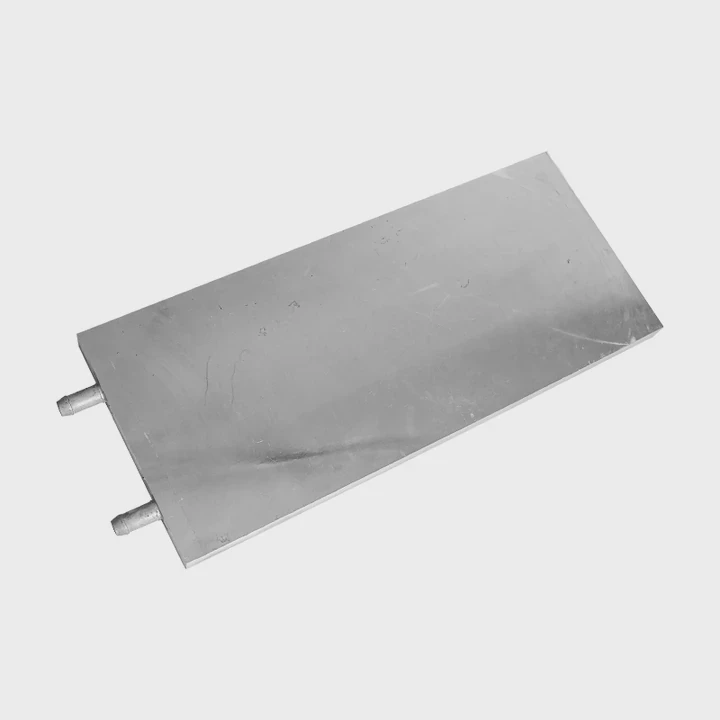
Liquid cooling removes heat more effectively than air. It is used in high-performance applications.
Structural Optimization
Design improvements include:
- Thin fins for higher surface area
- Optimized spacing for airflow
- Larger base for better heat spreading
Manufacturing Techniques
Different processes improve performance:
- Vacuum brazing for strong bonding
- Friction stir welding for reliability
- Laser welding for precision
These methods reduce thermal resistance and improve durability.
Design Comparison Table
| Design Feature | Benefit | Application Example |
|---|---|---|
| Heat pipes | Fast heat transfer | CPUs, power modules |
| Vapor chambers | Uniform heat spreading | GPUs, telecom equipment |
| Liquid cold plates | High cooling capacity | EV systems, data centers |
| Skived fins | High surface area | High-density electronics |
Real-World Engineering Approach
In real projects, design starts with thermal requirements. Then engineers select the right combination of:
- Material
- Structure
- Cooling method
Testing and simulation follow. Adjustments are made based on results.
A strong design does not rely on one feature. It combines multiple strategies to reach stable and reliable performance.
Conclusion
Heat sinks work by moving heat away from critical components and releasing it into the air. Good design balances materials, structure, and airflow to ensure stable and efficient cooling.