How long is the lead time for custom heat sinks?
- Yongxing
- 06 Jun ,2026
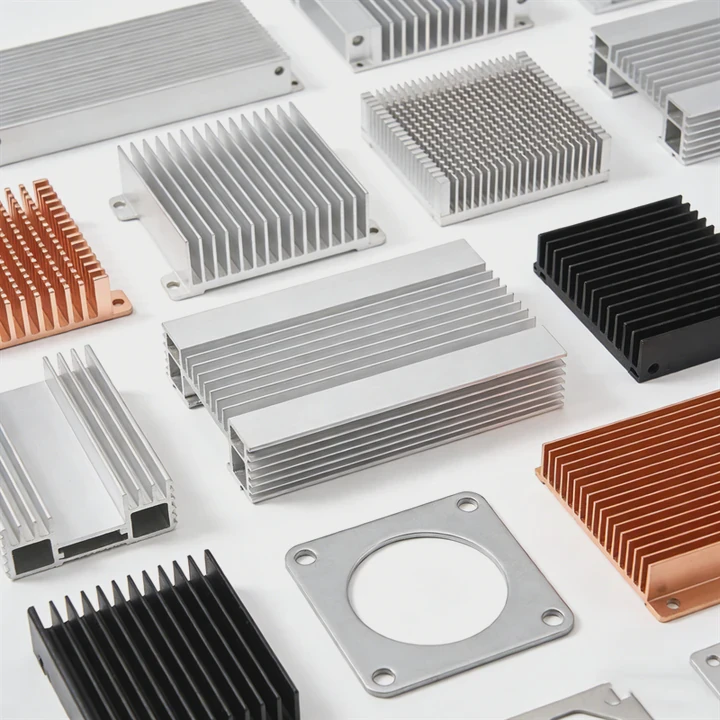
Lead time can become a hidden risk when a heat sink project moves from drawing to real production. One missed detail can delay the whole device launch.
The lead time for custom heat sinks is usually longer than standard heat sinks because it includes design review, material preparation, tooling, machining, surface treatment, testing, and inspection. A normal custom project may take a few weeks, while complex thermal modules may need more time.
Many buyers only ask for a delivery date. That is not enough. A better question is how each step affects the final schedule. When the buyer, engineer, and supplier align early, the lead time becomes much easier to control.
Does customization extend production time?
Customization can look simple on paper, but it often adds risk when drawings, materials, and tests are not clear. A small design change can affect the whole schedule.
Yes, customization usually extends production time because the supplier must check thermal design, confirm drawings, prepare tools, arrange materials, produce samples, test performance, and approve quality before mass production starts.
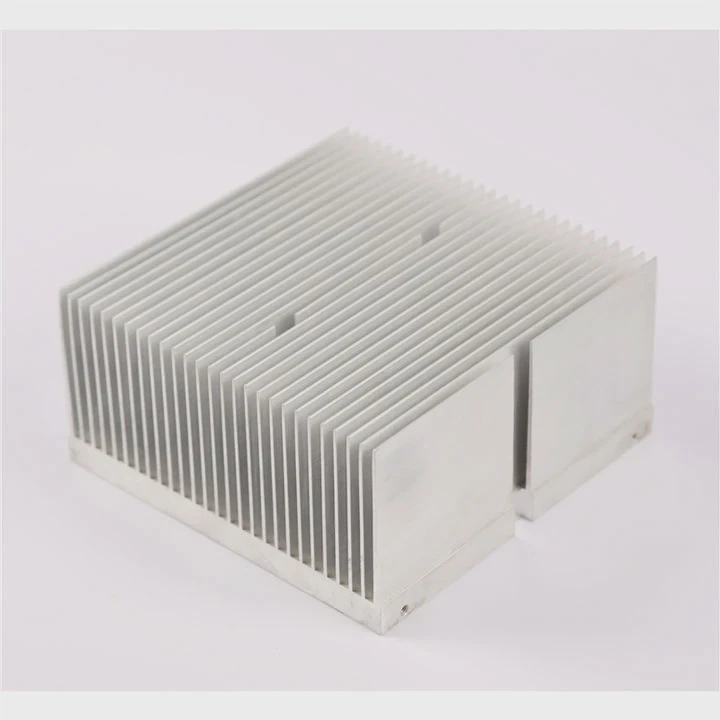
Custom heat sinks are not just standard blocks with different sizes. They are thermal parts that must match heat source position, airflow, mounting space, power level, and system structure. So the lead time includes both engineering time and factory time.
Why custom work takes longer
The first reason is design confirmation. A buyer may send a 2D drawing, 3D file, or only a rough idea. The supplier then checks whether the fin thickness, base thickness, hole position, surface flatness, and mounting method can be made in a stable way. This step prevents problems before production.
The second reason is process selection. A custom heat sink may need extrusion, CNC machining, skiving, die casting, vacuum brazing, friction stir welding, laser welding, or liquid cold plate processing. Each process has a different preparation time. For example, an extruded aluminum heat sink may need a new die. A vacuum brazed cold plate may need fixture design, cleaning, brazing, pressure testing, and leak testing.
The third reason is testing. A custom heat sink often needs thermal resistance testing, pressure testing, flatness inspection, salt spray testing, vibration testing, or other reliability checks. These tests take time, but they protect the buyer from bigger cost later.
| Custom Step | Why It Adds Time | Common Risk |
|---|---|---|
| Drawing review | Confirms size, tolerance, and structure | Missing details |
| Material preparation | Checks alloy, copper grade, or coolant path material | Material shortage |
| Tooling or fixture | Supports stable production | Tooling modification |
| Sample production | Proves design before batch order | Design change |
| Testing | Confirms thermal and quality performance | Failed test data |
Customization extends production time, but it also reduces project risk when managed well. In my work with heat sink buyers, the fastest projects are rarely the simplest ones. They are the projects where drawings, heat load, surface treatment, tolerance, and testing needs are shared early. Clear data shortens review time. Clear approval rules shorten sample time. Clear quality standards shorten mass production time.
Can urgent orders be prioritized?
Urgent orders can create pressure fast. A buyer may need samples for a test build, a trade show, or a customer deadline, but rushing without control can cause mistakes.
Yes, urgent heat sink orders can often be prioritized, but only when drawings are clear, materials are available, production capacity is open, and the required process does not need long tooling or special testing.
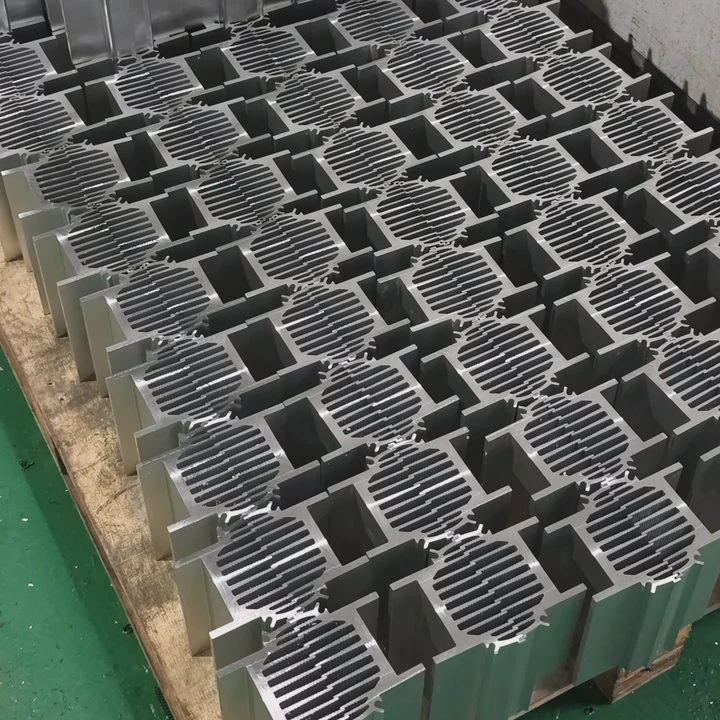
Urgent orders are possible, but they need a different way of working. A supplier must quickly check what can be changed and what cannot be changed. Some steps can be compressed. Some steps cannot. For example, communication time, drawing review, and internal scheduling can often move faster. But material aging, surface treatment curing, brazing cycles, leak testing, and reliability tests still need real time.
What can be accelerated
The first thing to accelerate is engineering review. When a buyer provides a complete 3D file, 2D drawing, heat source data, tolerance table, and expected quantity, the supplier can judge the project faster. A clear file package may save several days.
The second thing is sample route selection. Sometimes a CNC-machined prototype can replace an extrusion sample at the early test stage. This does not always match final mass production cost, but it can help the buyer test fit, assembly, and basic thermal direction.
The third thing is production priority. A factory may arrange overtime, reserve machine time, or split the order into sample batch and mass batch. This helps when the project has a fixed deadline.
What cannot be rushed safely
Some steps should not be skipped. A liquid cold plate still needs leak testing. A vacuum brazed heat sink still needs proper cleaning and brazing control. A part used in rail, medical, aerospace, or power electronics still needs inspection records. A rushed heat sink that fails in the system can cost much more than a delayed shipment.
| Urgent Order Condition | Can It Help? | Notes |
|---|---|---|
| Complete drawing package | Yes | Speeds up review |
| Common aluminum material | Yes | Easier to arrange |
| Existing extrusion die | Yes | Saves tooling time |
| New complex die | Limited | Die making still takes time |
| Liquid channel leak test | No shortcut | Must be tested |
| Strict reliability test | No shortcut | Test time is part of quality |
For urgent projects, the best approach is to separate “must-have” and “nice-to-have” requirements. The first sample may only need key dimensions and basic thermal function. The next version can improve surface finish, weight, or assembly details. This staged method gives the project speed without losing control.
What factors affect lead time accuracy?
Lead time promises sound simple, but they can fail when project information changes after the quotation. A delivery date is only accurate when the input data is stable.
Lead time accuracy depends on drawing completeness, material availability, process complexity, tooling needs, testing requirements, quantity, surface treatment, inspection standards, approval speed, and communication quality between buyer and supplier.
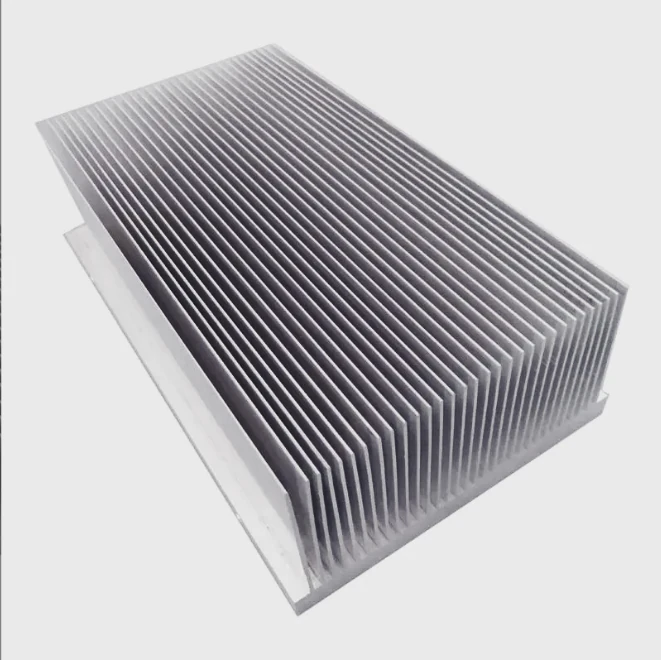
A heat sink lead time is not only a factory schedule. It is a chain of decisions. Each decision affects the next one. If the buyer changes a hole position after tooling starts, the schedule changes. If the surface treatment is changed from natural anodizing to hard anodizing, the schedule changes. If the test standard is added after samples are ready, the schedule changes again.
Drawing and specification clarity
The most common cause of delay is incomplete information. A drawing may show the main size, but it may miss flatness, roughness, coating thickness, thread depth, or inspection method. These details matter because heat sinks must contact chips, power modules, or cooling plates with stable pressure and low thermal resistance.
A complete drawing should include material grade, key dimensions, tolerance, finish, mounting holes, thread standard, surface treatment, thermal interface area, and inspection points. For liquid cold plates, the drawing should also include channel design, inlet and outlet size, working pressure, burst pressure, flow rate, coolant type, and leak test standard.
Material and process planning
Material availability also affects accuracy. Common aluminum alloys are usually easier to prepare. Special copper grades, imported plates, thick aluminum blocks, or special profiles may need longer purchasing time. The same rule applies to process capacity. CNC machining, extrusion, vacuum brazing, welding, and surface treatment each need their own schedule.
Process complexity matters too. A simple extruded heat sink with secondary machining is easier to plan. A complex thermal module with heat pipes, vapor chambers, brazed channels, threaded inserts, and final assembly needs more coordination.
Approval speed from the buyer
Many delays do not happen inside the factory. They happen during approval. A supplier may send drawings, DFM comments, samples, or test reports, but the buyer may need several days to confirm. That time becomes part of the lead time.
To improve accuracy, both sides should agree on approval rules before production starts. Who approves the drawing? Who approves the sample? What test result is acceptable? What change needs a new quotation? These simple questions make the schedule more stable.
Good lead time control comes from good project control. A realistic supplier will not only give a date. They will explain the critical path. They will say which steps are flexible and which steps are fixed. That kind of honesty is more useful than a very short promise that cannot be kept.
Are standard heat sinks faster to deliver?
Standard heat sinks look like the easy choice, but they may not fit every thermal design. Fast delivery is useful only when the part also solves the heat problem.
Yes, standard heat sinks are usually faster to deliver because they use existing profiles, common sizes, ready materials, and known production routes. But they may still need cutting, drilling, anodizing, inspection, or assembly before shipment.
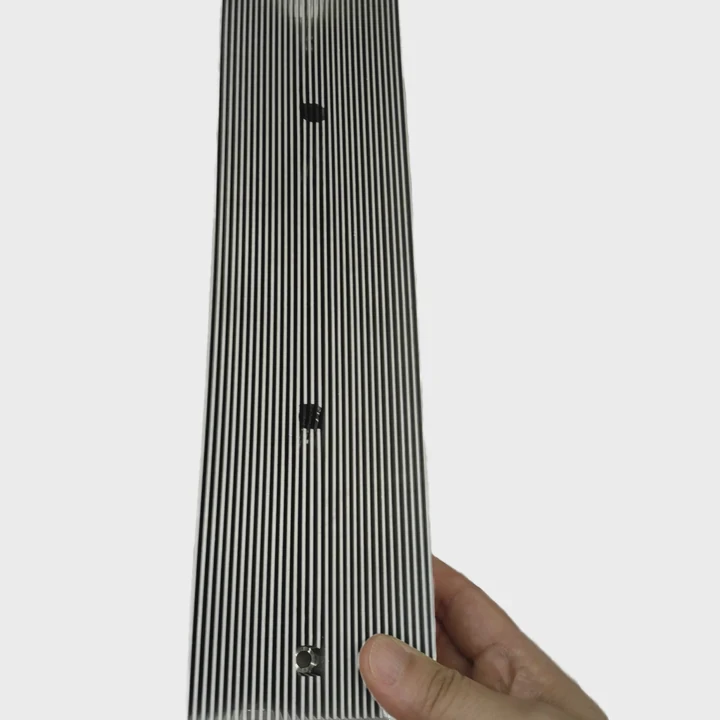
Standard heat sinks are often faster because the supplier has already solved many early questions. The profile may exist. The die may exist. The material may be in stock. The process route may already be tested. The inspection method may already be clear. This removes a lot of engineering time.
Why standard heat sinks move faster
A standard heat sink usually follows a known design. It may only need length cutting, hole drilling, tapping, deburring, cleaning, and surface treatment. Since the profile is already available, the buyer does not need to wait for a new extrusion die. Since the thermal behavior is more predictable, the supplier can quote and plan faster.
Standard parts are also easier for small or trial orders. A buyer can test the device quickly and check whether the cooling direction is correct. This is useful during early product development, when the final design is not fixed yet.
Where standard parts may fall short
Standard heat sinks may not match high-power systems. The fin height may be wrong. The base thickness may not spread heat well. The mounting holes may not match the PCB or power module. The airflow direction may not fit the enclosure. The weight may be too high. The surface area may be too small.
When the heat load is high, a standard part can become a compromise. It may arrive fast, but it may not pass the thermal test. Then the buyer loses time anyway. This is why a standard heat sink should be checked against power, space, airflow, and contact area before selection.
Standard versus custom choice
The choice is not only about speed. It is about project stage. In early testing, a standard heat sink can help the team move quickly. In final production, a custom heat sink often gives better fit, better thermal performance, better assembly, and better long-term stability.
A practical method is to use a standard part for the first test, then move to a custom part after the heat source, enclosure, and airflow are stable. This method gives speed at the beginning and performance at the end.
Standard heat sinks are faster to deliver, but they are not always the best final answer. The right choice depends on the heat load, product life, order quantity, and risk level. A buyer should not only ask which part ships faster. The better question is which part helps the whole project reach stable production faster.
Conclusion
Custom heat sink lead time depends on design, material, process, testing, and approval speed. Standard parts are faster, but custom parts often fit better. Clear drawings and early communication make the delivery date more reliable.