How Does a Heat Sink Work?
- Yongxing
- 14 Mar ,2026
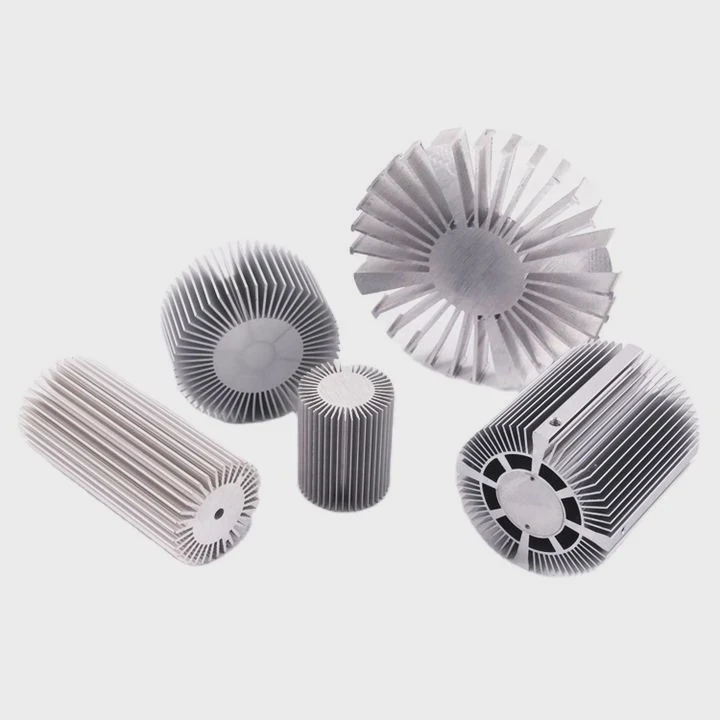
Heat builds up fast inside modern equipment. When that heat stays trapped, parts run slower, wear out sooner, and sometimes fail without warning.
A heat sink works by pulling heat away from a hot part, spreading that heat through a larger metal body, and releasing it into the surrounding air or liquid. Its shape, material, and airflow all decide how well it performs.
That basic idea sounds simple, but the real performance depends on several linked steps. Heat must move out of the source, enter the sink, spread through the sink, and then leave the surface in a steady way. Once those steps become clear, it becomes much easier to choose the right cooling method for a real product.
What Principles Allow Heat Sinks to Dissipate Heat?
Heat damage often starts before anyone notices it. A device may still turn on, yet hidden heat stress can reduce life, change output, and hurt long-term reliability.
Heat sinks dissipate heat through three main principles: conduction, convection, and radiation. In most designs, conduction moves heat into the sink, convection carries it away into the air, and radiation plays a smaller supporting role.
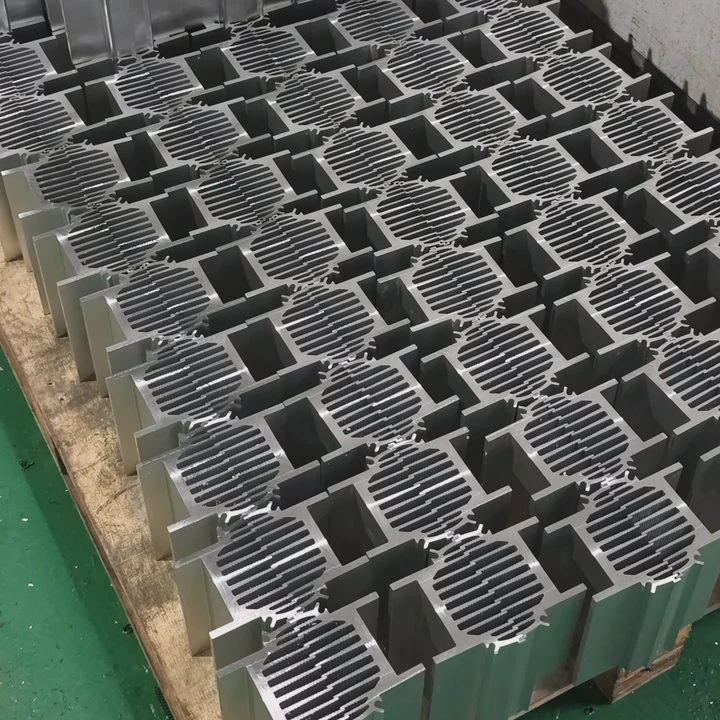
A heat sink is not a machine that destroys heat. It is a path that helps heat move from one place to another. In most systems, heat starts at a chip, power module, LED, battery unit, or another hot component. The first job is to move that heat into the heat sink body. This step happens through conduction. The heat flows from the hotter surface to the cooler metal base of the sink. That is why the contact quality matters so much. If the surface is rough, uneven, or has air gaps, heat transfer drops. A thermal interface material often helps fill those tiny gaps.
Conduction inside the heat sink
Once heat enters the sink, it spreads through the metal. Aluminum and copper are common because they conduct heat well. Copper moves heat faster, but aluminum is lighter and often easier to shape into cost-effective structures. In many projects, the choice is not only about thermal performance. It also includes weight, cost, corrosion risk, and manufacturing method.
Convection does most of the final work
After heat spreads through the fins or body, it must leave the surface. This step usually happens through convection. Air touches the hot metal surface, warms up, and moves away. New cooler air then replaces it. In passive cooling, this movement comes from natural airflow. In active cooling, fans push more air across the fins and increase heat removal.
Radiation helps, but usually less
Every warm object also releases some heat as thermal radiation. In many industrial heat sink designs, radiation contributes less than conduction and convection. Still, surface finish can affect it. A darker surface may radiate heat better than a shiny one, though the total effect depends on the real working environment.
| Heat transfer principle | What it does in a heat sink | Why it matters |
|---|---|---|
| Conduction | Moves heat from the device into the sink | Decides how fast heat enters the metal |
| Convection | Removes heat from the sink surface into air or fluid | Usually controls most of the cooling result |
| Radiation | Releases heat as infrared energy | Adds a smaller extra cooling effect |
A good heat sink works because all three principles support one another. If conduction is poor, heat never reaches the fins well. If convection is weak, heat stays trapped on the surface. If the design ignores the real use case, even a large metal block may perform badly. In actual projects, I look at the full thermal path, not only the size of the sink. That is the part many people miss when they only compare dimensions.
Why Does Surface Area Improve Heat Transfer?
Many cooling problems look confusing at first. A designer may add more metal and still see only a small gain. The reason is simple: mass alone is not enough if the heat cannot leave the surface fast enough.
Surface area improves heat transfer because it gives heat more exposed space to leave the heat sink. More fins, more exposed faces, and better airflow paths allow more air to contact the metal and carry heat away.
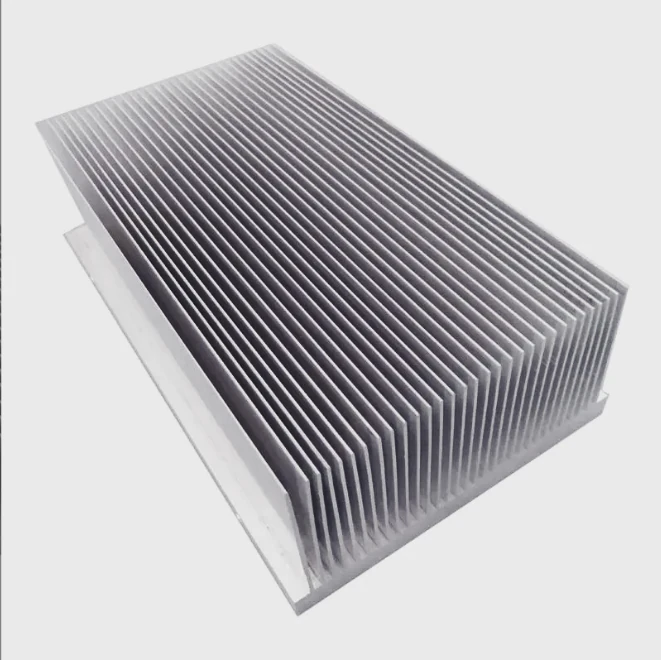
The key idea is direct contact between the heat sink surface and the cooling medium, which is usually air. When the sink has a plain flat block shape, only a limited outer area is available for heat exchange. Once fins are added, the same footprint can expose far more metal to airflow. That larger area gives more room for convection to happen.
More area creates more contact with air
Heat leaves the sink surface bit by bit. Each small section of metal transfers some heat to the surrounding air. When the total area increases, the total possible heat transfer also rises. This is why finned heat sinks are common in electronics, power conversion, rail systems, and LED lighting.
Still, more fins do not always mean better results. Fin spacing matters. If fins are too close, airflow becomes restricted. Warm air can get trapped between the fins, and the thermal gain may fall. In natural convection designs, spacing often needs to be wider than in fan-assisted systems. Good design balances area and airflow.
Shape matters as much as size
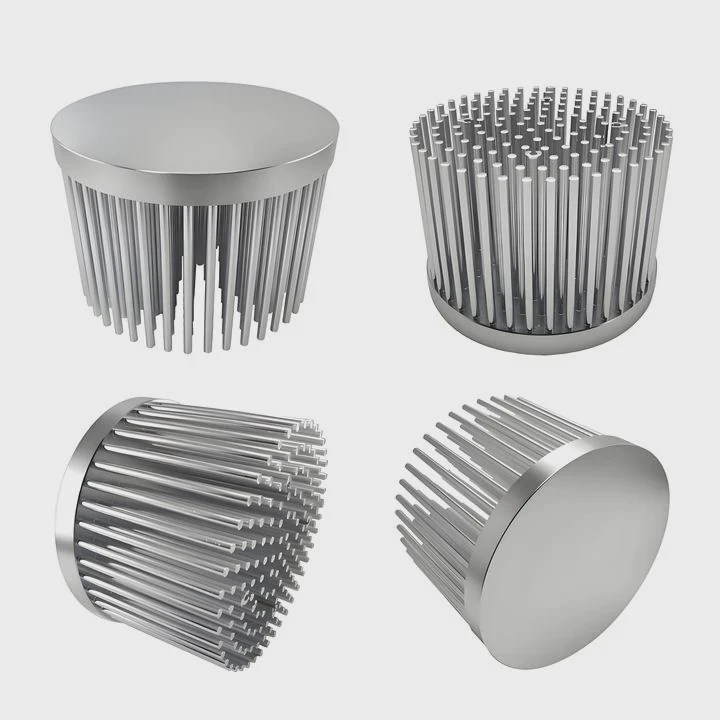
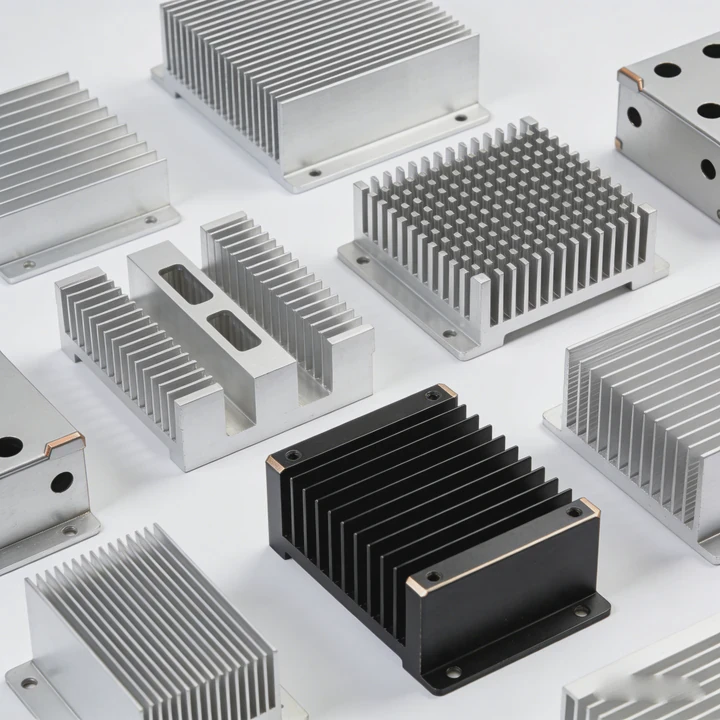
Engineers often compare pin fins, straight fins, skived fins, bonded fins, and folded fins. Each style changes the air path and pressure drop. A design with very high surface area may look strong on paper, but if the fan cannot push air through it, real performance may disappoint.
Here is a simple view of how design choices affect usable surface area:
| Design feature | Effect on heat transfer | Common design concern |
|---|---|---|
| Taller fins | Adds more area | May reduce stability or airflow access |
| More fins | Adds more area | May choke airflow if spacing is too tight |
| Thinner fins | Allows more fins in same space | May reduce strength or spread heat less evenly |
| Pin fin layout | Accepts airflow from many directions | Can increase production cost |
| Straight fin layout | Works well with directed airflow | Less flexible in mixed airflow conditions |
Surface area must match the airflow condition
In passive systems, a simple open fin design often works better than a very dense one. In forced-air systems, higher fin density may perform well because the fan keeps the air moving. This is why heat sink design should never be separated from the final cooling environment.
I have seen cases where buyers ask for the “largest” heat sink, but the real need is the “most effective” one inside limited space. Those are not the same thing. A compact design with smart fin spacing can beat a heavier design with poor airflow channels. Surface area improves heat transfer only when the added area can actually interact with moving cooler air. That practical point is what turns a basic metal part into a true thermal solution.
Where Does Heat Go After Leaving the Sink?
Many people understand that heat leaves the chip and enters the heat sink. The next question is often harder: where does that heat actually go after that point?
After leaving the heat sink, heat moves into the surrounding air or cooling liquid, then spreads through the larger environment. In the end, the heat does not vanish. It simply moves farther away from the device until the environment absorbs it.
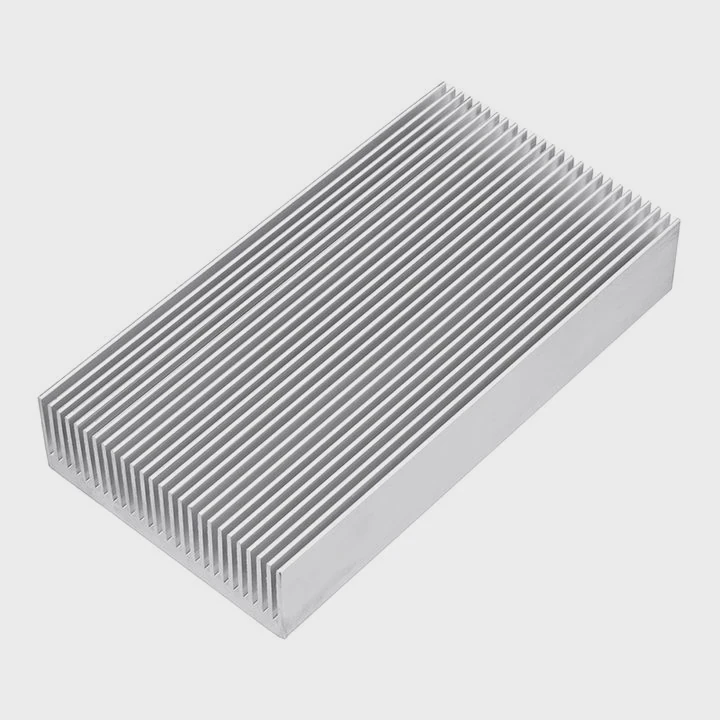
A heat sink is part of a bigger thermal chain. Once heat reaches the outer surface of the sink, the nearby air warms up. In natural convection, that warm air becomes lighter and rises. Cooler air then moves in to take its place. This continuous exchange carries heat away from the product. In forced-air systems, a fan speeds up the same process by pushing cooler air across the hot surfaces.
Heat moves into the surrounding environment
If the product is in open air, the heat eventually spreads into the room, cabinet, outdoor enclosure, vehicle compartment, or other surrounding space. If the product uses liquid cooling, the heat moves into the coolant first. Then the coolant carries it to another device, such as a cold plate loop, radiator, or heat exchanger, where the heat is finally released to air.
This point matters because the final environment can limit the whole system. A very efficient heat sink may still fail in a sealed hot box with weak ventilation. The sink can only pass heat forward. It cannot lower the ambient temperature by itself.
Ambient temperature changes the result
The bigger the temperature difference between the sink and the surrounding air, the easier heat can move. If ambient air is already hot, the heat sink has less thermal driving force. That means the same sink may perform well in one application and poorly in another.
The full path matters more than one part
It helps to view the process as a chain:
1. Heat source
A chip, module, or power part creates heat.
2. Interface
Thermal grease, pad, solder, or direct contact passes heat into the sink.
3. Heat sink body
The base and fins spread the heat.
4. Cooling medium
Air or liquid carries the heat away.
5. Final environment
The room, outdoor air, cabinet flow, or central cooling loop absorbs it.
This is why thermal design cannot stop at the sink drawing. A strong design asks where the heat will end up after leaving the sink. In my experience, this is where many system failures begin. Teams may optimize the component and sink, yet ignore the enclosure path, fan placement, or outlet temperature rise. Once the surrounding air keeps getting hotter, the sink loses effectiveness. So the right question is not only “How does the heat leave the sink?” The better question is “Can the whole system keep moving that heat away step by step?” That is what decides real thermal stability.
Which Cooling Systems Combine With Heat Sinks?
A heat sink alone does not solve every thermal problem. High-power systems, compact layouts, and closed spaces often need added support to keep temperatures under control.
Heat sinks often combine with fans, heat pipes, vapor chambers, liquid cold plates, thermal interface materials, and system-level airflow design. These added systems help move heat faster or move it farther away from the source.
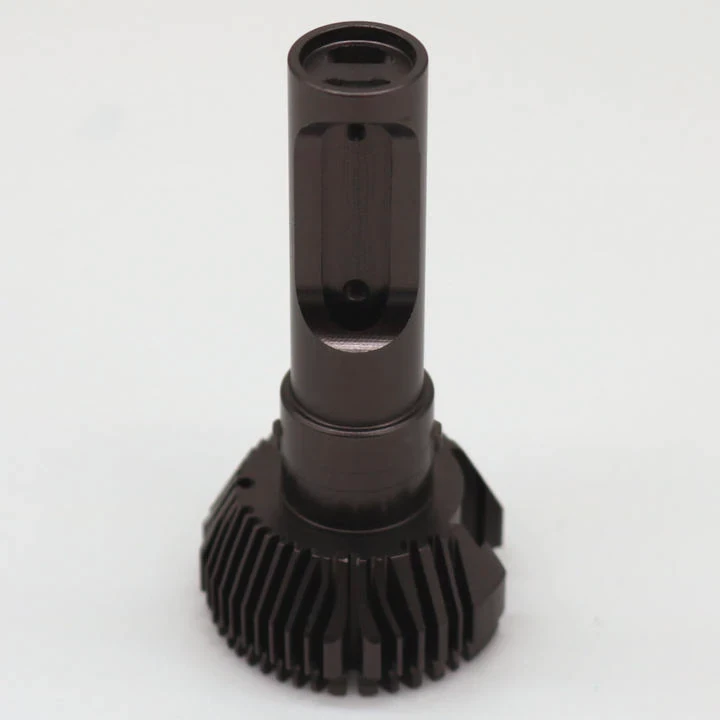
A heat sink is often the core part of a thermal system, but it works best when matched with other cooling methods. The exact combination depends on heat load, space limits, noise limits, weight targets, and product life requirements.
Fans and forced-air systems
The most common partner is the fan. A fan increases air speed across the heat sink fins. Faster airflow usually increases convection and lowers thermal resistance. This makes forced-air cooling a common choice for servers, power electronics, industrial drives, telecom hardware, and battery support systems.
Still, fans bring trade-offs. They add noise, power use, dust risk, and maintenance needs. In harsh environments, passive cooling may be preferred even if the heat sink must be larger.
Heat pipes and vapor chambers
When heat is concentrated in a very small area, heat pipes or vapor chambers can spread it quickly to a wider heat sink surface. This helps when the source is tiny but the total heat load is high. Laptops, telecom units, power modules, and medical devices often use this approach.
A heat pipe does not replace the heat sink. It carries heat from the source to the sink more efficiently across distance. A vapor chamber does a similar job but spreads heat in two dimensions, which is useful under dense electronic layouts.
Liquid cooling and cold plates
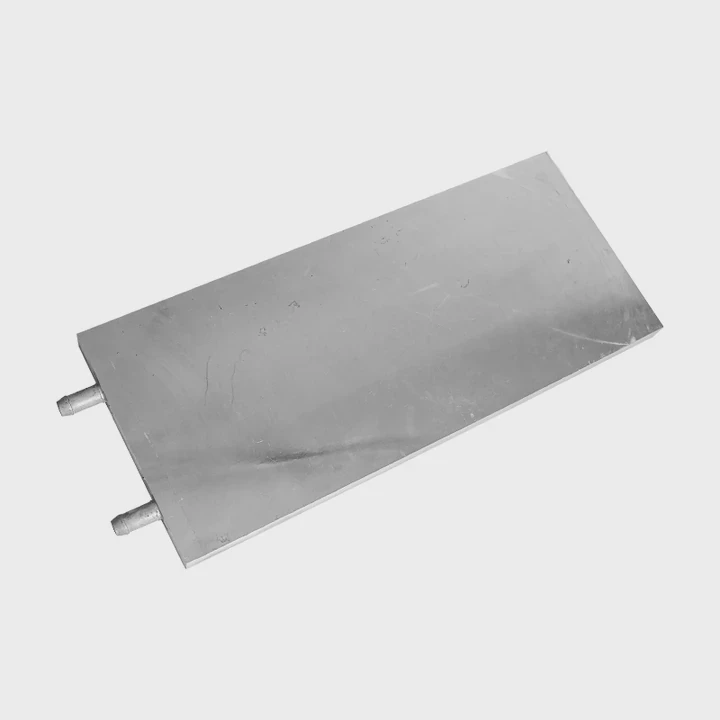
In high-power systems, liquid cooling often pairs with heat sink concepts in a different form. A cold plate absorbs heat from the device, and coolant removes that heat through internal channels. The coolant then carries it to a remote radiator or heat exchanger. This method works well in EV systems, energy storage, inverters, rail equipment, and laser devices.
Thermal interface materials and mounting design
Even the best heat sink can perform badly if the contact layer is poor. Thermal grease, pads, phase-change materials, or solder layers improve contact between the device and the sink. Mounting pressure also matters. Uneven pressure can create air gaps and hot spots.
Common combined cooling options
| Cooling system | How it works with a heat sink | Best use case |
|---|---|---|
| Fan | Pushes more air through fins | Medium to high heat loads with airflow access |
| Heat pipe | Moves heat from source to sink quickly | Small hot spots, remote sink placement |
| Vapor chamber | Spreads heat evenly before fin section | Dense layouts and high local heat flux |
| Cold plate | Uses liquid to absorb and carry heat | Very high heat loads or limited air cooling |
| TIM layer | Improves contact between source and sink | Almost every mounted heat sink application |
Choosing the right combination
The best cooling system is not always the most complex one. A passive extruded sink may be enough for a simple outdoor unit. A fan-cooled bonded fin sink may suit power conversion equipment. A vapor chamber plus fin stack may fit compact electronics. A liquid cold plate may be the only practical answer for very high heat density.
What matters most is system fit. I usually judge the solution by five simple questions: How much heat is generated? How small is the source area? How much space is available? What is the ambient condition? How reliable must the system stay over time? Those questions usually point to the right mix of heat sink and supporting cooling method. Once that match is correct, the product runs cooler, lasts longer, and performs more steadily in real use.
Conclusion
A heat sink works by guiding heat away from a source, spreading it through metal, and releasing it into air or liquid. When material, surface area, airflow, and system design work together, the whole thermal path becomes stronger and far more reliable.