How to calculate price terms for heat sinks?
- Yongxing
- 09 Jun ,2026
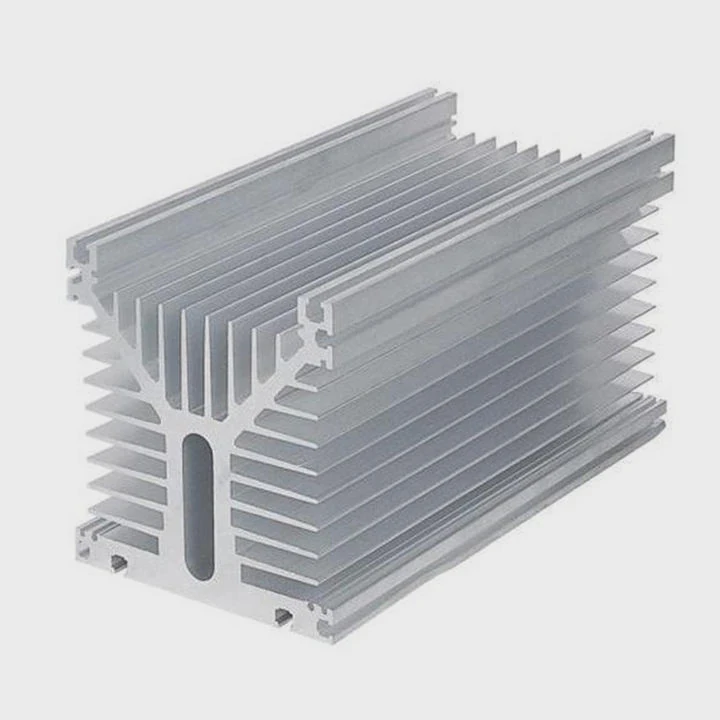
Heat sink prices often look confusing. Many buyers compare quotes from different suppliers and still cannot understand why the numbers change so much.
Heat sink price terms depend on material, manufacturing process, order quantity, surface treatment, tooling, shipping, taxes, and thermal performance requirements. Buyers should evaluate the full cost structure instead of only comparing unit prices.
Many sourcing problems start when buyers only focus on the lowest quotation. A low price may hide tooling fees, unstable thermal performance, long lead times, or extra logistics costs later. A better way is to understand how suppliers build their pricing model from the beginning. Once the cost structure becomes clear, it is easier to compare suppliers fairly and control project budgets.
Which factors influence heat sink pricing?
Heat sink quotations can change quickly even when the product looks similar. Many buyers only compare dimensions and weight. However, suppliers calculate pricing based on much more than raw material alone.
The main factors that influence heat sink pricing are material type, production method, thermal requirements, machining complexity, surface treatment, tooling cost, tolerance standards, and testing requirements.
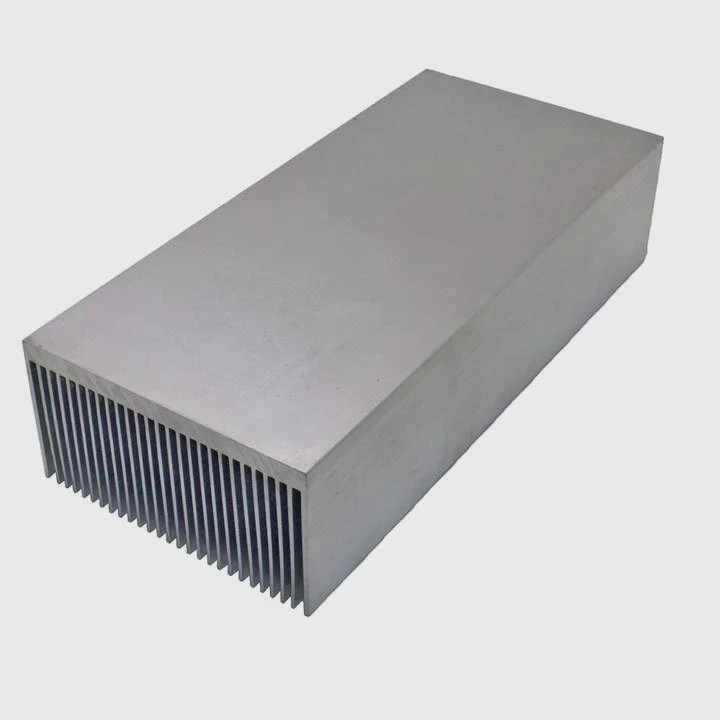
A simple aluminum extrusion heat sink and a vacuum brazed liquid cooling plate may both remove heat, but their manufacturing cost is completely different. The production process often changes the final price more than the product size itself.
Thermal Performance Requirements
Higher thermal performance usually means higher cost. Many industries such as rail transit, energy storage, and semiconductor systems require very low thermal resistance. This forces manufacturers to use more advanced structures and tighter quality control.
Here are common examples:
| Requirement | Cost Impact | Reason |
|---|---|---|
| Low thermal resistance | High | Needs advanced cooling structure |
| Lightweight structure | Medium | Requires optimized materials |
| High corrosion resistance | Medium | Needs special coating |
| Extreme environment testing | High | Adds validation cost |
| Tight tolerance machining | High | Slower production speed |
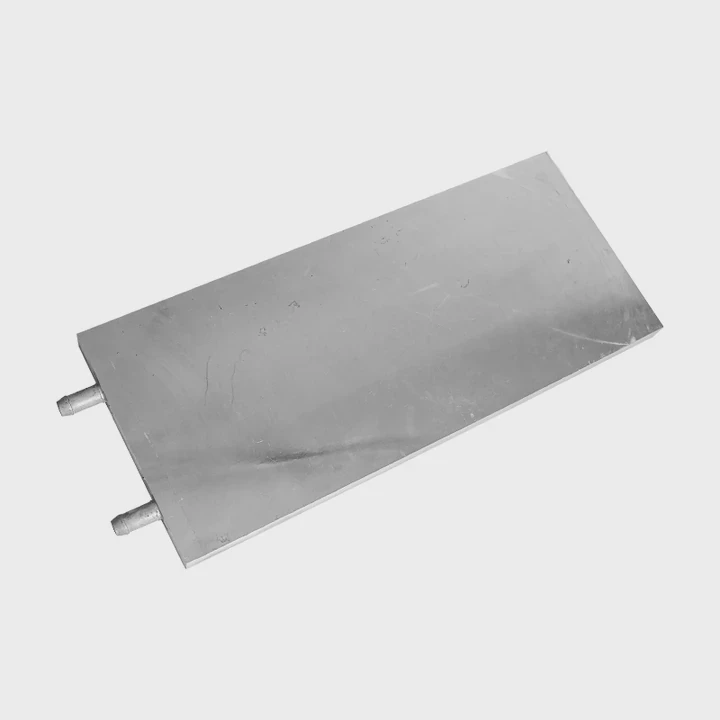
A standard extrusion heat sink may work for low-power electronics. Yet high-power IGBT systems often require liquid cooling plates or vapor chamber structures. These products involve welding, vacuum brazing, leak testing, and thermal simulation. Each process adds labor and equipment cost.
Manufacturing Method
The manufacturing process strongly affects price terms. Different methods require different machines, tooling, and labor.
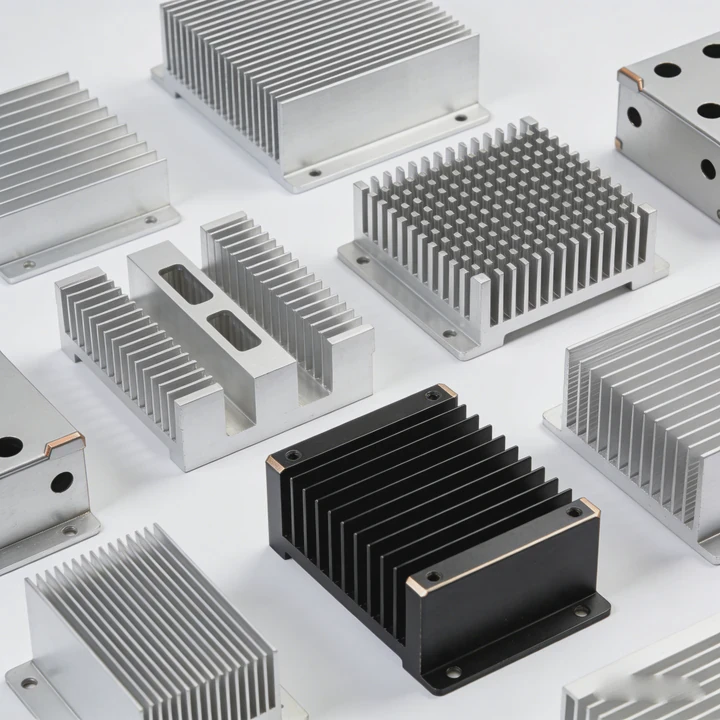
Common heat sink production methods
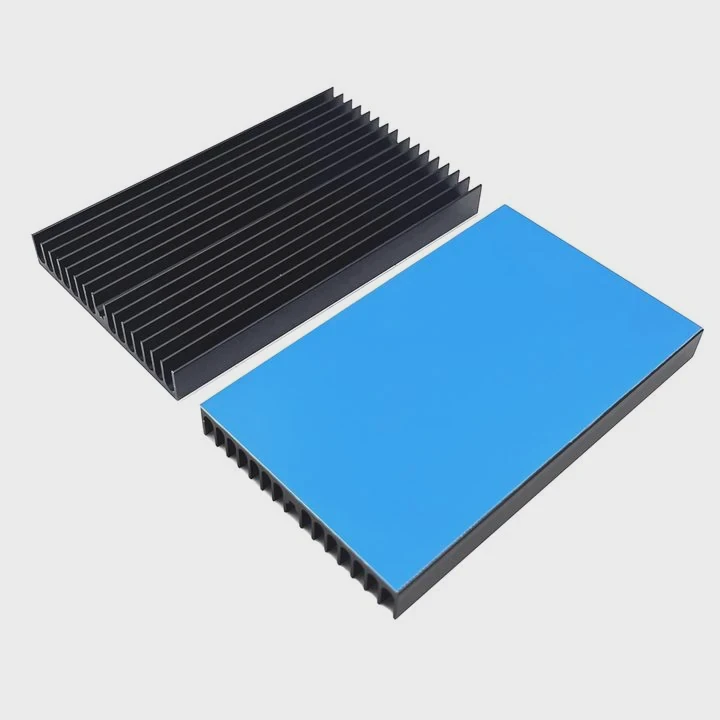
- Aluminum extrusion
- CNC machining
- Die casting
- Skiving
- Cold forging
- Vacuum brazing
- Friction stir welding
- Laser welding
Extrusion heat sinks usually have lower cost for medium and large volume orders. CNC machining gives more flexibility but increases processing time. Vacuum brazed products provide strong cooling performance but require expensive equipment and strict process control.
Surface Treatment and Finishing
Many buyers forget to include surface treatment in early budgeting. This later creates quotation gaps between suppliers.
Common treatments include:
- Anodizing
- Nickel plating
- Powder coating
- Chromate conversion
- Sandblasting
Black anodizing is very common because it improves corrosion resistance and appearance. Some industries also require insulation coatings or salt spray testing. These extra specifications increase processing time and inspection cost.
Engineering and Development Cost
Custom heat sinks usually need engineering support before mass production starts.
This may include:
- Thermal simulation
- Structural design
- Prototype sampling
- Reliability testing
- Tooling development
Complex projects need more communication between supplier and customer engineers. In many B2B projects, engineering hours become part of the quotation even if buyers only focus on unit price.
A good supplier usually explains these costs clearly instead of hiding them inside the final quote.
Do material types change cost significantly?
Material selection is one of the biggest pricing factors in heat sink manufacturing. Even small material changes can affect thermal performance, weight, machining difficulty, and final product cost.
Yes, material types can significantly change heat sink cost because aluminum, copper, vapor chamber materials, and composite structures have different raw material prices, machining requirements, and thermal conductivity levels.
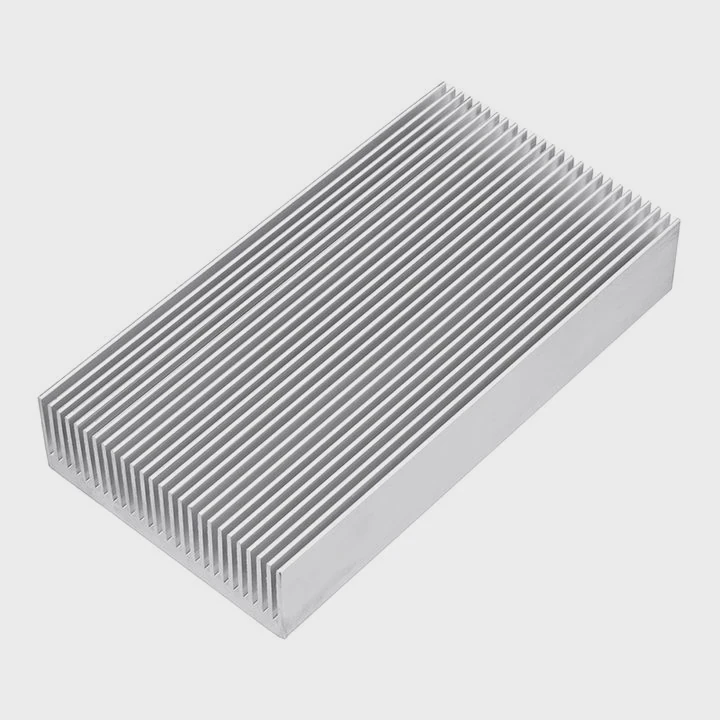
Many buyers ask why copper heat sinks cost much more than aluminum versions even when the size looks similar. The answer is not only the raw material price. Copper also increases machining wear, transportation weight, and processing difficulty.
Aluminum Heat Sinks
Aluminum is the most common heat sink material in the market. It gives a good balance between cost, weight, and thermal conductivity.
Advantages of aluminum
- Lower raw material cost
- Lightweight structure
- Easy extrusion processing
- Good corrosion resistance
- Suitable for large-volume production
6063 aluminum alloy is widely used for extrusion heat sinks. It supports stable mass production and lower tooling cost.
For many industrial projects, aluminum already provides enough cooling performance without creating excessive system weight.
Copper Heat Sinks
Copper has much higher thermal conductivity than aluminum. This makes it attractive for high-power electronics and compact thermal systems.
However, copper also creates several cost increases.
| Material | Thermal Conductivity | Relative Cost | Weight |
|---|---|---|---|
| Aluminum | Medium | Low | Light |
| Copper | High | High | Heavy |
| Vapor chamber structure | Very High | Very High | Medium |
| Aluminum-copper hybrid | High | Medium-High | Medium |
Copper heat sinks usually need slower machining speeds. Tool wear also increases. Shipping cost becomes higher because the product weight rises significantly.
In some projects, buyers use copper base plates with aluminum fins. This hybrid design balances thermal performance and total cost.
Vapor Chambers and Phase Change Components
Advanced cooling systems now use vapor chambers and phase change structures more often. These products are common in:
- 5G communication systems
- AI servers
- High-power laser equipment
- Medical imaging devices
- Semiconductor modules
These structures achieve excellent heat spreading performance. However, they involve more complicated sealing and vacuum processing steps.
The production environment must remain highly controlled. Leak testing also becomes critical. This explains why these products carry much higher prices compared with standard extrusions.
Material Availability and Market Changes
Raw material prices do not stay stable all year. Aluminum and copper prices move with global commodity markets.
Several factors affect pricing:
- Energy cost
- Global supply chain changes
- Import tariffs
- Exchange rates
- Mining output
This is why many quotations include validity periods such as 7 days or 15 days.
Experienced buyers usually lock pricing early during large projects to reduce market risk.
Can order quantity affect unit price?
Order quantity has a major effect on heat sink pricing. In most manufacturing projects, larger orders reduce unit cost because fixed production expenses spread across more products.
Yes, larger order quantities usually reduce heat sink unit price because tooling, setup, labor, and production overhead become distributed across higher production volumes.
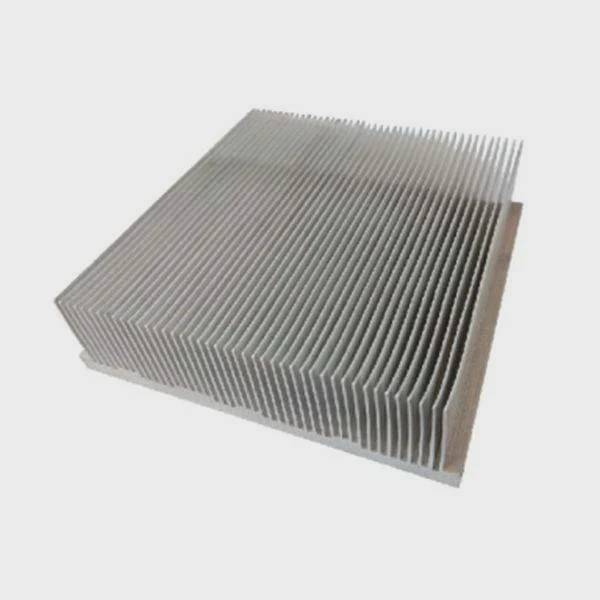
Many buyers become surprised when prototype pricing looks much higher than mass production pricing. This happens because early-stage samples still require engineering setup, machine preparation, and inspection time.
Prototype vs Mass Production
Prototype production is usually expensive for several reasons:
- Small material usage
- More manual processing
- Engineering adjustments
- Lower machine efficiency
- Additional testing requirements
A supplier may spend several hours setting up equipment for only five prototype units. The setup cost becomes very high when divided across a small quantity.
Mass production changes the situation completely.
Economies of Scale
Larger production volumes improve efficiency across the entire manufacturing process.
Benefits of higher order quantity
- Lower material waste
- Faster machine operation
- Reduced labor cost per unit
- Better tooling utilization
- Lower inspection cost per piece
For extrusion heat sinks, tooling cost becomes less important when spread across thousands of units.
Example:
| Order Quantity | Estimated Unit Cost Trend |
|---|---|
| 10 pcs | Very High |
| 100 pcs | High |
| 1,000 pcs | Medium |
| 10,000 pcs | Low |
This explains why long-term annual contracts often receive better pricing than single short-term orders.
MOQ and Tooling Charges
Some heat sink products require custom tooling. This is very common for:
- Extrusion profiles
- Die casting molds
- Forging tools
- Stamping dies
Tooling cost may range from hundreds to thousands of dollars depending on complexity.
Some suppliers refund tooling fees after reaching a target order volume. Others include tooling amortization inside the product price.
Buyers should always clarify:
- Whether tooling is charged separately
- Whether tooling ownership transfers to the customer
- Whether future modifications require new tooling
Inventory and Production Planning
Stable ordering schedules help suppliers optimize production planning. This often leads to better pricing.
For example, monthly blanket orders help manufacturers:
- Purchase raw materials in bulk
- Reserve machine capacity
- Reduce production interruptions
- Lower warehouse fluctuation
Many long-term OEM customers receive more competitive pricing not only because of quantity, but also because of predictable production schedules.
Are shipping and taxes included in price terms?
Many sourcing misunderstandings happen because buyers and suppliers interpret price terms differently. Some quotations only include factory pricing, while others include logistics and import taxes.
Shipping and taxes are not always included in heat sink price terms. Buyers must confirm Incoterms, freight responsibility, customs duties, insurance, and local taxes before comparing quotations.
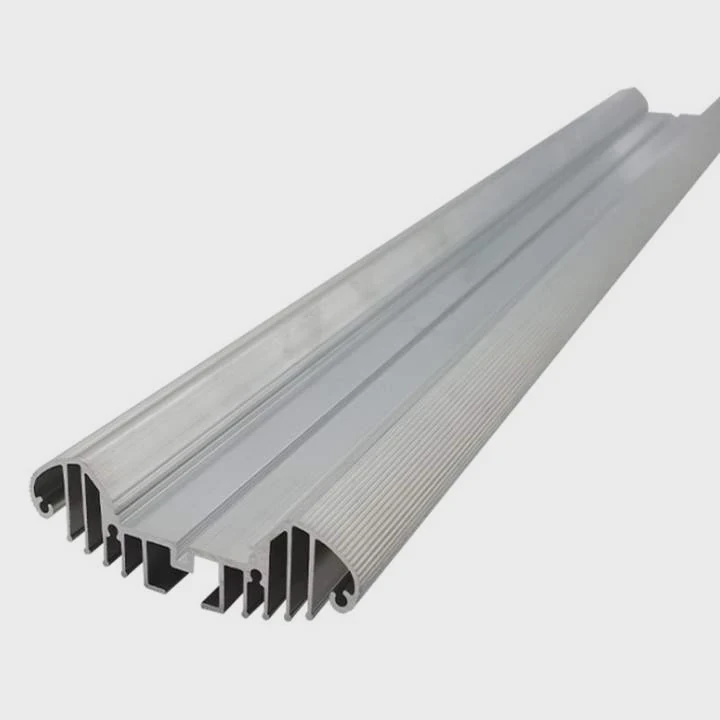
A supplier may offer a lower quotation under EXW terms, while another supplier offers DDP pricing. The second quote may actually provide lower total landed cost after logistics and taxes are calculated.
Understanding Common Incoterms
Incoterms define responsibility between buyer and seller during shipping.
Common trade terms
| Trade Term | Supplier Responsibility | Buyer Responsibility |
|---|---|---|
| EXW | Factory pickup only | Full shipping process |
| FOB | Delivery to port | Ocean freight and import |
| CIF | Freight and insurance | Import clearance |
| DDP | Full delivery | Minimal handling |
Many first-time buyers only compare product price and ignore these terms. This creates unexpected expenses later.
Shipping Method Impacts
Heat sink shipping cost depends heavily on product size and weight.
Copper heat sinks cost more to transport because they are heavier. Large liquid cooling plates may also require special packaging protection.
Common shipping methods include:
- Air freight
- Sea freight
- Railway transport
- Express courier
Air shipping is faster but expensive. Sea freight reduces cost for bulk orders but increases lead time.
Customs Duties and Import Taxes
Different countries apply different import rules for thermal management products.
Import cost may include:
- Customs duty
- VAT
- Anti-dumping tariffs
- Port handling charges
- Customs broker fees
These costs vary depending on:
- Product HS code
- Country of origin
- Material type
- Trade agreement status
Some buyers mistakenly assume suppliers control import taxes. In reality, tax responsibility depends on the agreed Incoterms.
Packaging and Compliance Costs
Industrial customers often require special packaging and certification documents.
Examples include:
- RoHS reports
- REACH compliance
- Material traceability
- Thermal testing reports
- PPAP documents
Export packaging may also require:
- Vacuum sealing
- Anti-corrosion protection
- Wooden crates
- Shock-resistant packaging
These details affect the final quotation even though they are not part of the heat sink itself.
Why Total Cost Matters More Than Unit Price
A lower product price does not always mean lower purchasing cost.
Buyers should evaluate:
- Product quality consistency
- Lead time stability
- Communication speed
- Engineering support
- Warranty handling
- Logistics reliability
A stable supplier with strong thermal engineering support often reduces long-term project risk. In many industrial projects, this creates more value than saving a few cents per unit.
Conclusion
Heat sink pricing depends on much more than raw material alone. Buyers should evaluate material, process, quantity, logistics, taxes, and engineering support together. A clear understanding of price terms helps reduce sourcing risk and improves long-term project success.