
how to increase heat sink performance?
- Yongxing
- 23 Apr ,2026
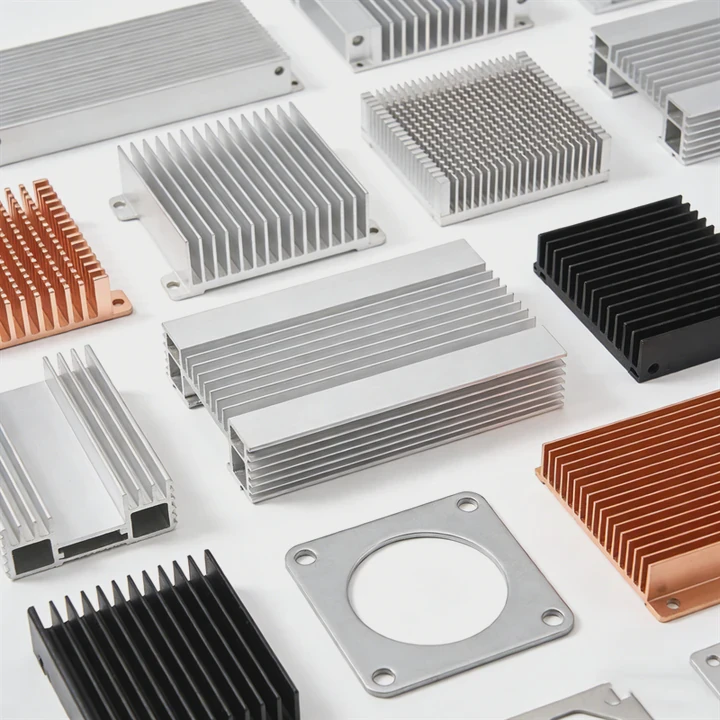
Heat problems slow systems down. Devices fail early. Many engineers feel stuck when cooling does not improve. Poor heat sink design often causes this issue.
Heat sink performance increases by improving material choice, surface area, airflow, and advanced cooling techniques. A well-designed system removes heat faster, keeps devices stable, and extends lifespan.
Many people think adding a bigger heat sink is enough. That is not true. Performance depends on many connected factors. Each part of the design affects the final result.
What design factors boost heat sink performance?
Heat sinks often underperform. Designers may copy old designs. This leads to poor thermal results and wasted cost.
Key design factors include material selection, fin structure, base thickness, and thermal interface quality. These directly affect heat transfer efficiency and system stability.
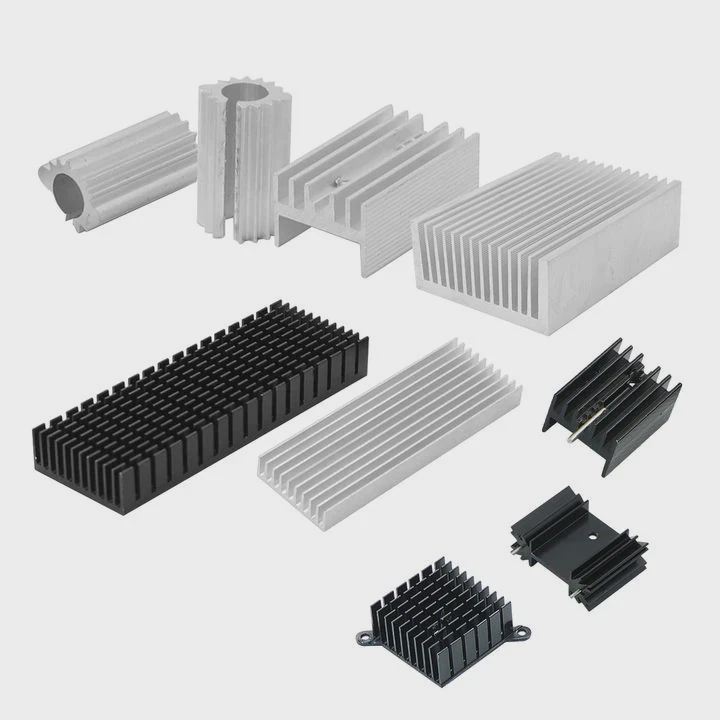
When I work on heat sink design, I always start from the basics. Every design factor connects to thermal resistance. If one part is weak, the whole system suffers.
Material selection matters
Different materials have different thermal conductivity. Aluminum is common because it is light and low cost. Copper performs better but costs more and is heavier.
| Material | Thermal Conductivity (W/m·K) | Cost Level | Weight |
|---|---|---|---|
| Aluminum | ~200 | Low | Light |
| Copper | ~400 | High | Heavy |
Copper spreads heat faster. But aluminum is easier to machine and extrude. In many cases, hybrid designs combine both.
Fin design affects airflow and heat transfer
Fins increase contact with air. But more fins do not always mean better cooling. If fins are too close, airflow drops.
Key fin parameters include:
- Fin height
- Fin thickness
- Fin spacing
Thin fins increase surface area. But they must keep enough strength. Spacing must allow air to pass through smoothly.
Base thickness controls heat spreading
The base connects the heat source to the fins. If the base is too thin, heat spreads unevenly. If too thick, it adds weight and slows response.
A balanced base thickness ensures:
- Uniform heat distribution
- Lower thermal resistance
- Faster heat transfer
Thermal interface quality is critical
The interface between the heat source and the heat sink often gets ignored. Small air gaps increase resistance.
Good solutions include:
- Thermal grease
- Thermal pads
- Phase change materials
Even a high-end heat sink fails if the interface is poor.
Manufacturing method also plays a role
Different processes affect performance:
- Extrusion: cost-effective, simple shapes
- Skiving: thin, dense fins
- Vacuum brazing: complex structures, high performance
Each method changes fin geometry and thermal efficiency.
In real projects, I often see designs fail not because of one issue, but because of small problems in many areas. Fixing these together brings real improvement.
Why is surface area critical for performance?
Many people underestimate surface area. They focus only on size or material. This leads to poor cooling results.
Surface area is critical because it determines how much heat can transfer to air. Larger effective area increases heat dissipation and improves cooling efficiency.
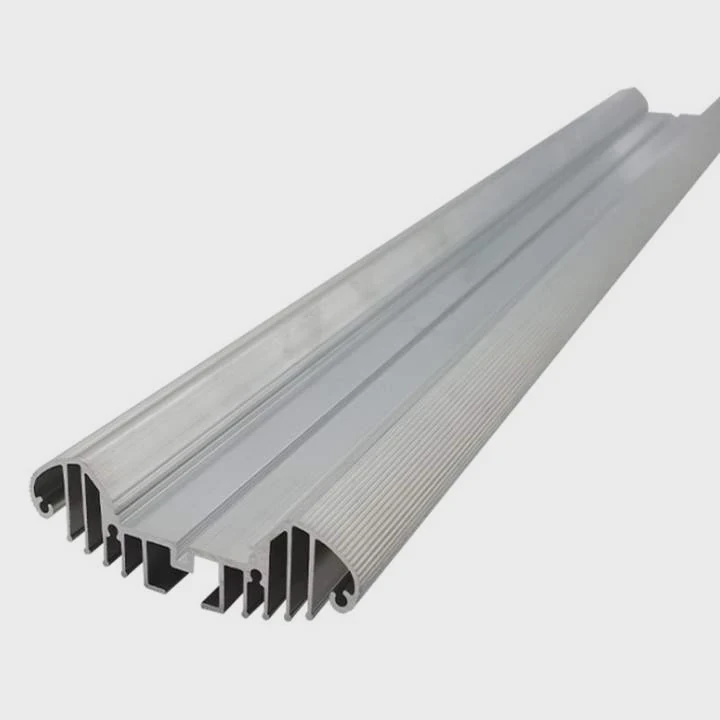
Surface area is the core of heat sink performance. Heat leaves the solid and enters the air through the surface. More area means more contact with air.
How surface area improves heat transfer
Heat transfer follows this idea:
- Heat moves from hot surface to cooler air
- Larger contact area allows more heat flow
If the area doubles, heat transfer can increase significantly, assuming airflow remains effective.
Fin structures increase area
Fins are used to expand surface area without adding too much volume.
Common fin types include:
- Straight fins
- Pin fins
- Folded fins
Each type has its use case.
| Fin Type | Advantage | Limitation |
|---|---|---|
| Straight | Easy to manufacture | Directional airflow |
| Pin | Works in all directions | Higher airflow resistance |
| Folded | Very high surface area | Complex manufacturing |
Trade-off between area and airflow
More surface area is not always better. If fins are too dense:
- Air cannot pass through
- Heat gets trapped
- Performance drops
This is a common mistake.
Effective vs total surface area
Not all surface area works equally. Some areas have poor airflow contact. These areas contribute less to cooling.
Effective surface area depends on:
- Air velocity
- Flow direction
- Fin arrangement
Surface treatment also helps
Surface finish can improve heat transfer:
- Anodizing increases emissivity
- Rough surfaces can enhance convection slightly
In some high-end designs, surface coating improves radiation heat transfer.
In my experience, optimizing surface area is not about adding more metal. It is about making sure every part of the surface works efficiently with airflow.
Where can airflow be optimized?
Many systems fail because airflow is not managed well. Even a good heat sink cannot perform without proper airflow.
Airflow can be optimized at the system level, including fan placement, duct design, and flow direction to ensure efficient heat removal.
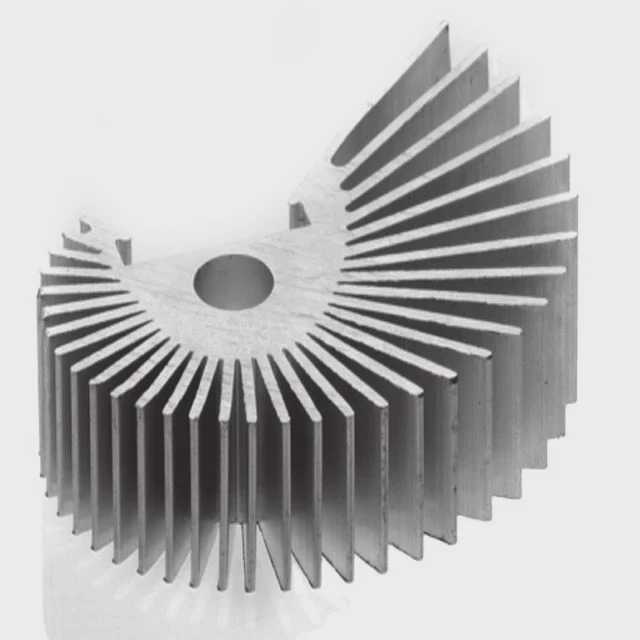
Airflow acts as the carrier of heat. Without it, heat stays trapped around the heat sink.
Airflow path design
Air must move smoothly across the heat sink. Poor path design creates dead zones.
Key points:
- Avoid sharp turns
- Reduce obstacles
- Guide air directly through fins
Fan placement is critical
Fan position changes performance:
- Push configuration: air is forced into fins
- Pull configuration: air is drawn through fins
Push is common. But pull can reduce turbulence in some designs.
Air velocity and pressure balance
High airflow speed improves heat transfer. But it also increases noise and power consumption.
Design must balance:
- Cooling performance
- Noise level
- Energy efficiency
Avoid airflow bypass
Air often takes the easiest path. If there are gaps, air may bypass the heat sink.
Solutions include:
- Sealing gaps
- Using air ducts
- Adding flow guides
System-level optimization
Heat sink performance depends on the full system:
- Enclosure design
- Component layout
- Vent placement
I have seen cases where changing enclosure vents improved performance more than redesigning the heat sink.
Natural vs forced convection
Natural convection relies on hot air rising. It needs vertical fin orientation.
Forced convection uses fans. It provides stronger and more stable cooling.
Choosing the right method depends on:
- Power level
- Space limits
- Noise requirements
Optimizing airflow is often the most cost-effective way to improve performance. It does not always require changing the heat sink itself.
Which techniques improve cooling results?
Many engineers rely on basic designs. But advanced techniques can greatly improve cooling.
Techniques such as heat pipes, vapor chambers, liquid cooling, and advanced manufacturing methods significantly enhance heat sink performance and efficiency.
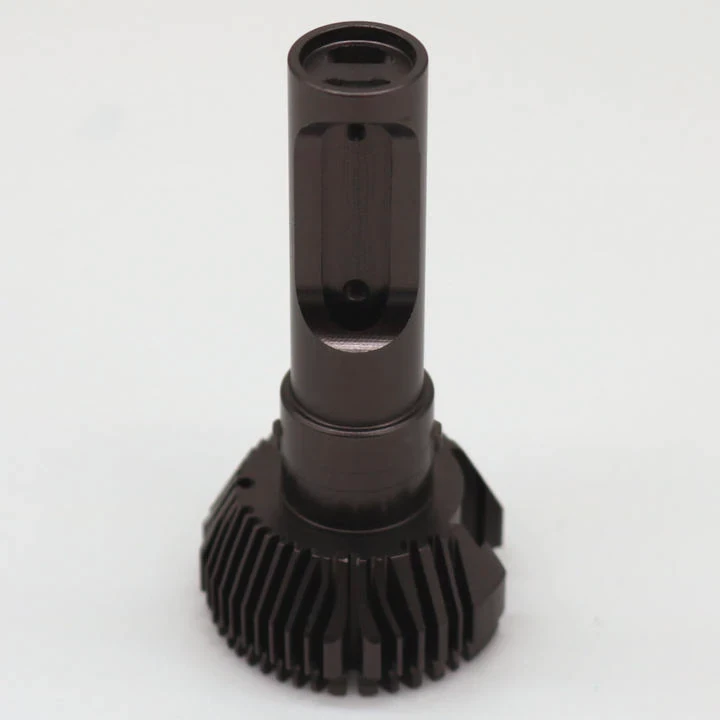
Modern systems generate more heat. Traditional heat sinks are sometimes not enough.
Heat pipes enhance heat transfer
Heat pipes move heat quickly using phase change.
Advantages:
- Very high thermal conductivity
- Fast heat spreading
- Passive operation
They are ideal for:
- CPUs
- Power electronics
- Compact systems
Vapor chambers improve uniformity
A vapor chamber spreads heat evenly across a surface.
Benefits:
- Reduces hot spots
- Improves fin efficiency
- Works well with large heat loads
Liquid cooling systems
Liquid cooling removes heat more efficiently than air.
Types include:
- Cold plates
- Closed-loop systems
Advantages:
- High cooling capacity
- Stable temperature control
Limitations:
- Higher cost
- More complex system
Advanced manufacturing techniques
Modern processes improve performance:
- Vacuum brazing: allows complex internal structures
- Friction stir welding: strong joints, low resistance
- Skiving: creates very thin fins
These methods enable designs that were not possible before.
Phase change materials
These materials absorb heat during phase change.
They help:
- Manage peak loads
- Stabilize temperature
Integrated thermal modules
Instead of a single heat sink, systems now use:
- Combined heat pipes
- Liquid plates
- Structural cooling parts
This approach improves overall efficiency.
Design comparison
| Technique | Performance Level | Cost | Complexity |
|---|---|---|---|
| Basic heat sink | Medium | Low | Low |
| Heat pipe | High | Medium | Medium |
| Vapor chamber | Very High | High | Medium |
| Liquid cooling | Extreme | High | High |
From my experience, the best solution depends on the application. There is no single perfect method. The right combination brings the best result.
Conclusion
Improving heat sink performance requires a balanced approach. Material, surface area, airflow, and advanced techniques must work together. Small design changes can create large improvements in real systems.




