how to select a heat sink?
- Yongxing
- 22 Apr ,2026
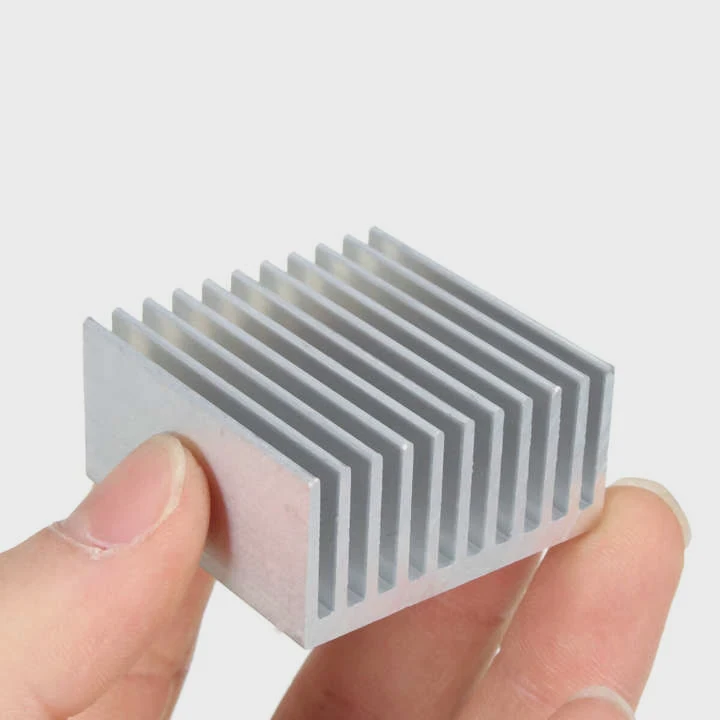
Many engineers struggle with heat issues. Devices overheat. Performance drops. Failure risks increase. This problem often starts with poor heat sink selection.
The right heat sink depends on power, airflow, material, and environment. A correct match ensures stable temperature, long life, and reliable system performance.
Choosing a heat sink is not only about size or shape. It is a system-level decision. Every factor connects. Missing one detail can lead to failure later.
What criteria guide heat sink selection?
Heat builds up fast in modern devices. Many designs fail because thermal limits are ignored. This leads to reduced lifespan and unstable operation.
Heat sink selection depends on thermal resistance, power load, material, size limits, and mounting method. These factors define how effectively heat moves away from the source.
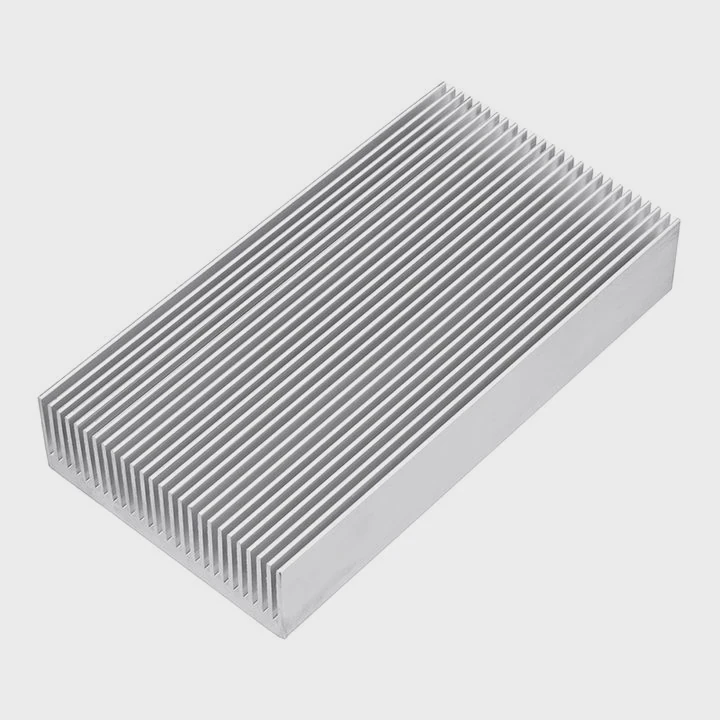
When selecting a heat sink, several key factors must be reviewed step by step. Each factor affects the final cooling performance.
Key Selection Criteria
1. Thermal Resistance (Rθ)
Thermal resistance is the most critical value. It shows how well heat flows from the device to air.
Lower thermal resistance means better cooling.
2. Power Dissipation
Every electronic device generates heat. This heat must be removed.
If a system produces 100W, the heat sink must handle at least that load.
3. Material Choice
Common materials include aluminum and copper.
- Aluminum: lightweight, cost-effective
- Copper: higher conductivity, but heavier and expensive
4. Space Constraints
Design space is always limited. A large heat sink may not fit.
So, compact and efficient designs are often needed.
Typical Selection Parameters
| Parameter | Description | Importance Level |
|---|---|---|
| Thermal Resistance | Heat transfer efficiency | Very High |
| Power Load | Total heat generated | Very High |
| Material | Conductivity and weight | High |
| Size & Volume | Space limitation | High |
| Mounting Method | Contact quality | Medium |
Deeper Insight
In real projects, these factors interact. For example, reducing size often increases thermal resistance. This creates a trade-off.
A good design balances all parameters. It does not focus on one single factor.
Also, surface treatment matters. Anodized surfaces improve radiation performance. This is often ignored, but it can improve efficiency.
Another important factor is contact resistance. Even a perfect heat sink fails if contact with the heat source is poor. Thermal interface materials (TIMs) help reduce this gap.
In high-power systems, simulation is necessary. Simple estimation is not enough. Engineers use thermal simulation tools to predict performance before production.
Finally, cost must be considered. A perfect design that is too expensive is not practical. So, engineers must balance performance and budget.
Why consider airflow and environment?
Many heat sink designs fail not because of the sink itself, but because airflow is ignored. Without proper airflow, even the best heat sink cannot work.
Airflow and environment determine how heat leaves the heat sink. Poor airflow or harsh conditions can greatly reduce cooling performance.
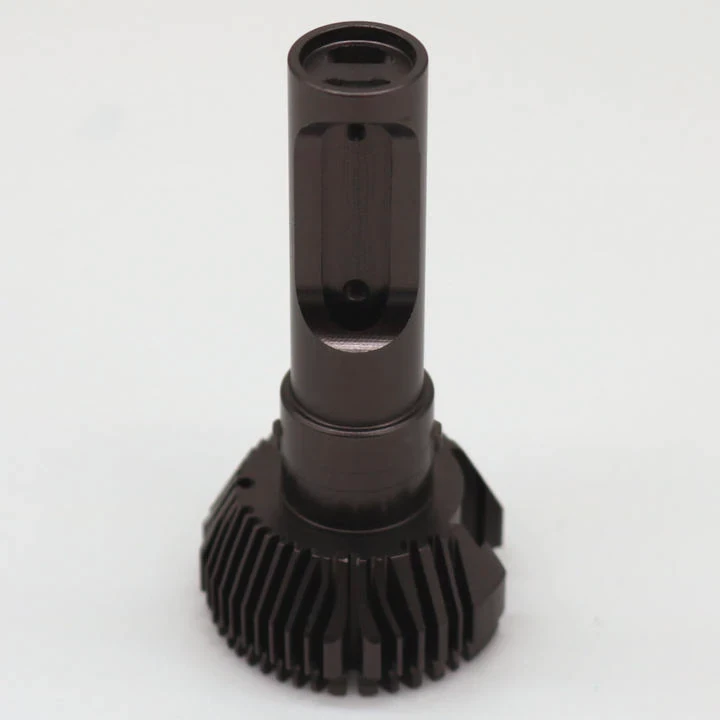
Airflow plays a direct role in heat transfer. Heat sinks rely on convection. Without moving air, heat builds up quickly.
Types of Cooling Conditions
Natural Convection
Air moves slowly without fans. This is simple but less efficient.
Forced Convection
Fans or blowers push air through fins. This improves cooling greatly.
Environmental Factors
1. Ambient Temperature
Higher ambient temperature reduces cooling capacity.
2. Dust and Contamination
Dust blocks airflow and reduces efficiency.
3. Humidity and Corrosion
Moist environments can damage materials over time.
Airflow vs Performance
| Airflow Type | Cooling Efficiency | Application Example |
|---|---|---|
| Natural | Low | Consumer electronics |
| Forced | High | Servers, power systems |
| Liquid-assisted | Very High | High-power systems |
Deeper Insight
Airflow design is often underestimated. Engineers focus on the heat sink but ignore the system layout.
Air must flow smoothly through the fins. Blocked airflow reduces efficiency. Even cable placement can affect airflow.
Fan selection is also important. A high-speed fan increases cooling but adds noise and power consumption.
In outdoor or industrial environments, dust becomes a serious issue. Fins can clog over time. This reduces heat transfer area.
To solve this, some designs use wider fin spacing. This reduces clogging but slightly lowers performance.
Another factor is orientation. In natural convection, vertical fins perform better. This helps hot air rise naturally.
In sealed systems, airflow is limited. In such cases, heat sinks must rely more on conduction and radiation.
So, airflow and environment are not secondary factors. They are core parts of the thermal design.
Where should thermal requirements be calculated?
Many projects fail because thermal calculations are done too late. By then, design changes are expensive and slow.
Thermal requirements should be calculated at the early design stage, during system planning and before hardware layout is finalized.
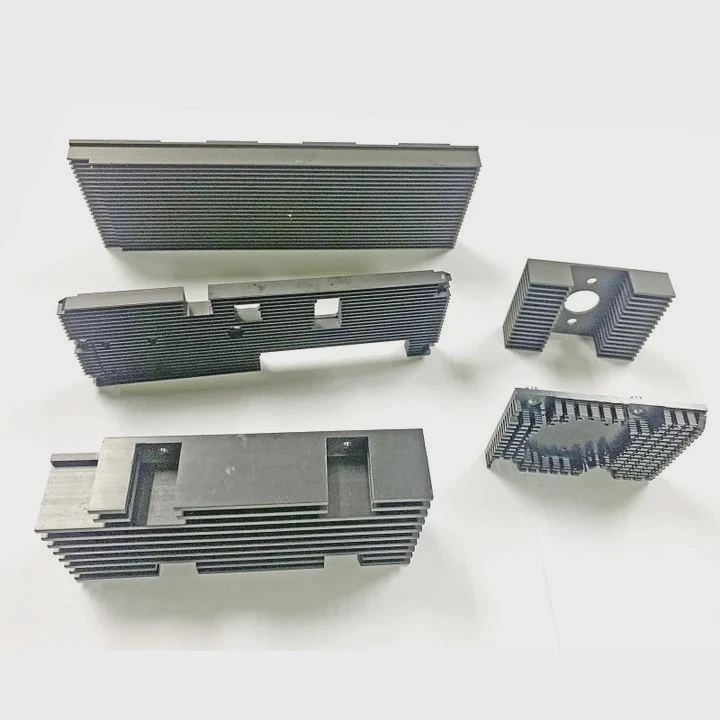
Thermal design must start early. It should be part of system architecture, not an afterthought.
Key Calculation Stages
1. Concept Design Phase
Initial power estimation is done here. Rough heat sink size is defined.
2. Detailed Design Phase
Accurate calculations and simulations are performed.
3. Validation Phase
Testing confirms real performance.
Basic Thermal Formula
Heat transfer can be simplified as:
Temperature Rise = Power × Thermal Resistance
This simple formula guides early decisions.
Thermal Design Workflow
| Stage | Task | Output |
|---|---|---|
| Concept | Estimate power | Initial heat sink size |
| Design | Simulation | Optimized structure |
| Testing | Measurement | Final validation |
Deeper Insight
Early calculation saves cost. Late fixes are expensive.
In many real cases, teams skip early thermal analysis. They focus on electrical design first. This creates problems later.
When thermal issues appear, redesign is required. This delays the project.
Thermal simulation tools are very useful. They allow engineers to test different designs quickly.
However, simulation must be accurate. Input data such as power and airflow must be realistic.
Another important point is safety margin. Designs should not operate at the limit. A margin of 10–20% is common.
Also, transient thermal behavior should be considered. Some devices heat up quickly during peak load.
Steady-state analysis is not enough in such cases.
Thermal design is not only about heat sinks. It includes PCB layout, component placement, and enclosure design.
So, calculations must be integrated into the whole system design process.
Which designs suit different applications?
Different applications need different heat sink designs. There is no universal solution. Each design serves a specific purpose.
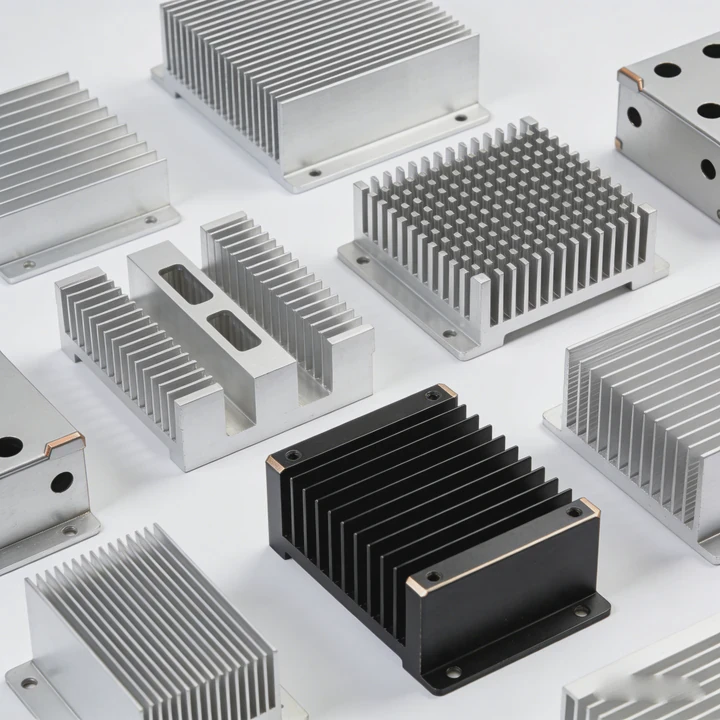
Heat sink designs vary based on power level, airflow, and application. Common types include extruded, skived, bonded, and liquid-cooled heat sinks.
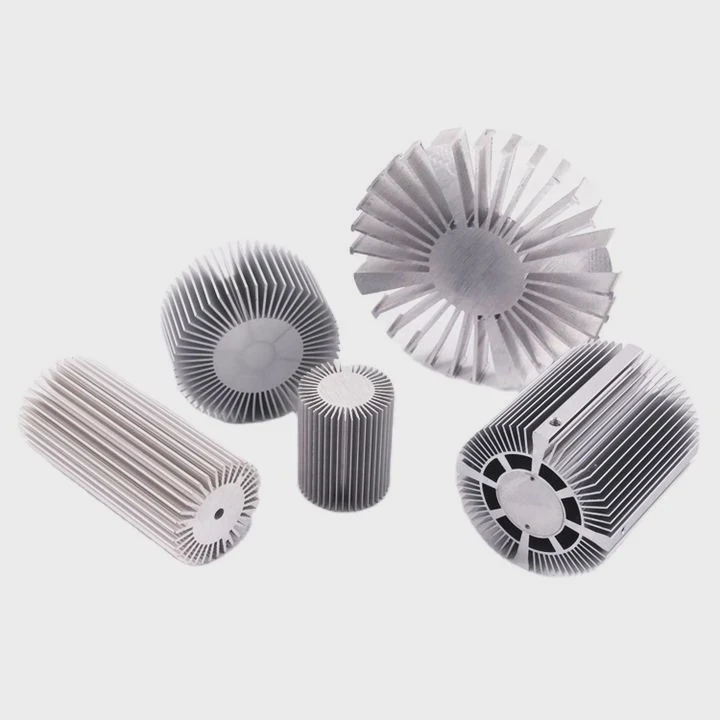
Choosing the right design improves both performance and cost efficiency.
Common Heat Sink Types
1. Extruded Heat Sinks
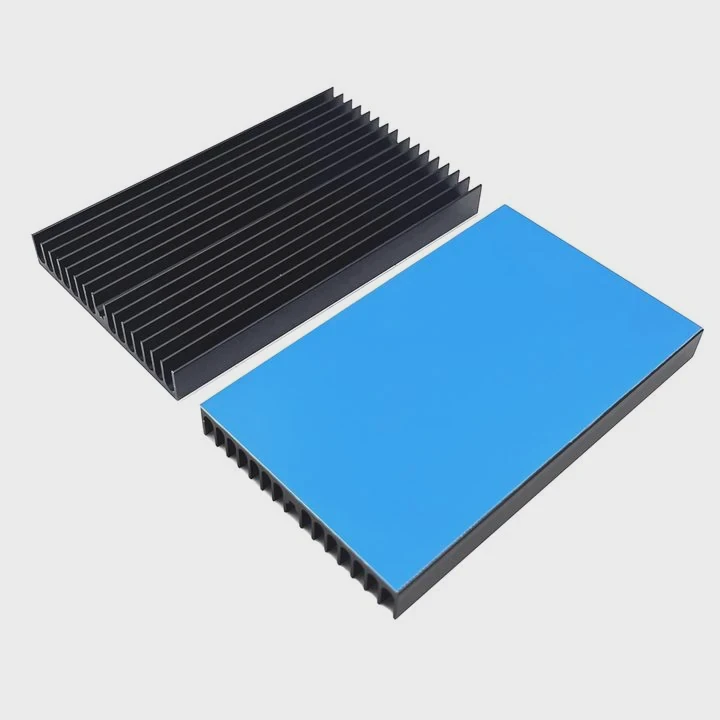
Most common type. Cost-effective. Suitable for medium power.
2. Skived Fin Heat Sinks
High fin density. Better performance. Used in compact systems.
3. Bonded Fin Heat Sinks
Flexible design. Good for high power.
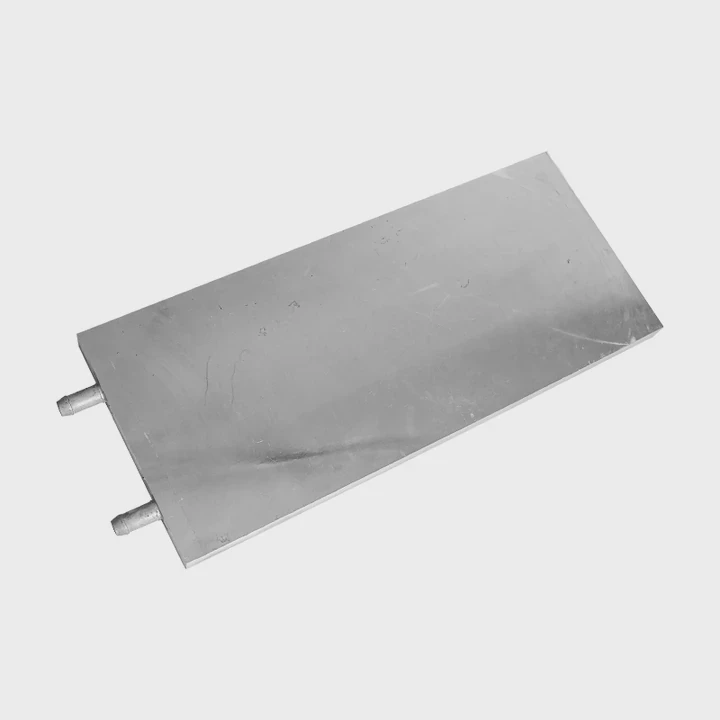
4. Liquid Cooling Plates
Used in very high heat systems. Excellent performance.
Design Comparison
| Type | Performance | Cost | Application |
|---|---|---|---|
| Extruded | Medium | Low | General electronics |
| Skived | High | Medium | Dense electronics |
| Bonded | High | High | Industrial systems |
| Liquid Cooling | Very High | Very High | EV, energy storage, servers |
Deeper Insight
Each design has strengths and limits.
Extruded heat sinks are simple. They are widely used because they are cheap and reliable. But they cannot achieve very high fin density.
Skived heat sinks allow thin fins. This increases surface area. So, they perform better in limited space.
Bonded fin heat sinks combine base and fins separately. This allows more flexible design. But manufacturing is more complex.
Liquid cooling is used when air cooling is not enough. It removes heat quickly. But it requires pumps, pipes, and maintenance.
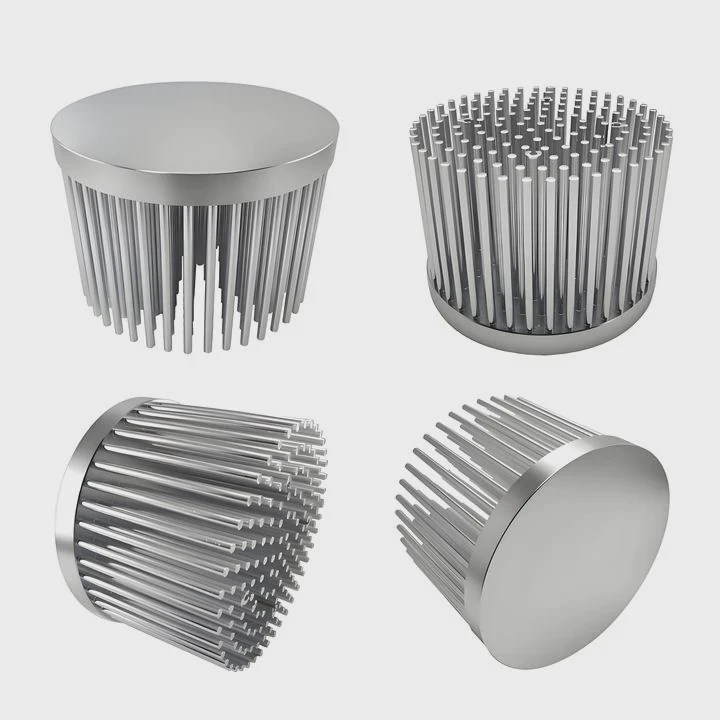
In real projects, hybrid solutions are also common. For example, combining heat pipes with fins.
Another factor is weight. In aerospace or rail systems, lightweight design is critical.
Manufacturing capability also matters. Not all suppliers can produce advanced designs with stable quality.
So, choosing a design is not only about performance. It also depends on cost, production, and reliability.
Conclusion
Selecting a heat sink requires a full system view. Power, airflow, environment, and design all matter. A balanced approach ensures stable performance, long life, and efficient thermal management.