Is Aluminum a Good Heat Sink?
- Yongxing
- 30 Apr ,2026
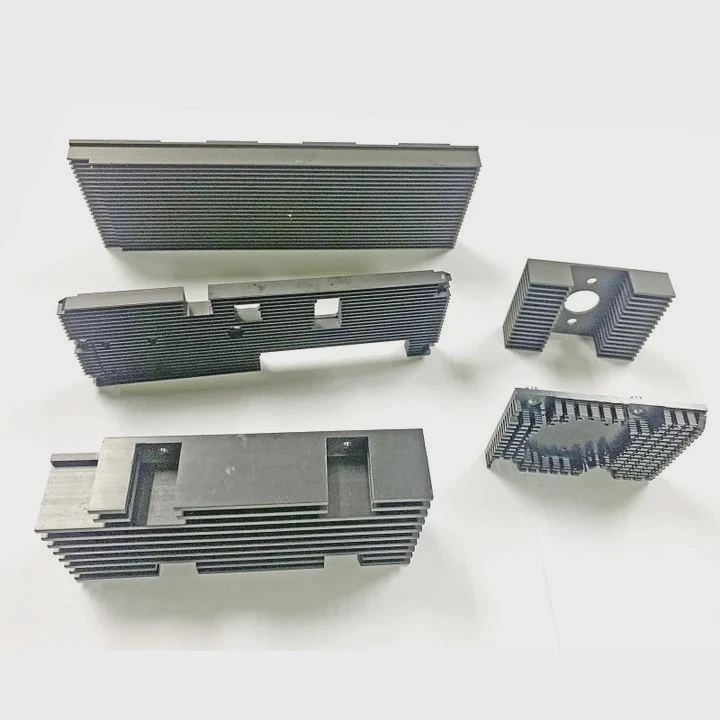
Many wonder if aluminum can handle high heat in electronics efficiently.
Aluminum is widely used for heat sinks because it balances cost, weight, and thermal conductivity, making it effective for most electronic cooling needs.
Choosing the right material matters for system reliability and performance.
How Does Aluminum Perform in Heat Dissipation?
Aluminum is not the highest thermal conductor, yet it works well in many applications.
Aluminum conducts heat efficiently enough to remove heat from CPUs, LEDs, and power devices, especially when designed with fins or spreaders to increase surface area.
Thermal Conductivity Basics
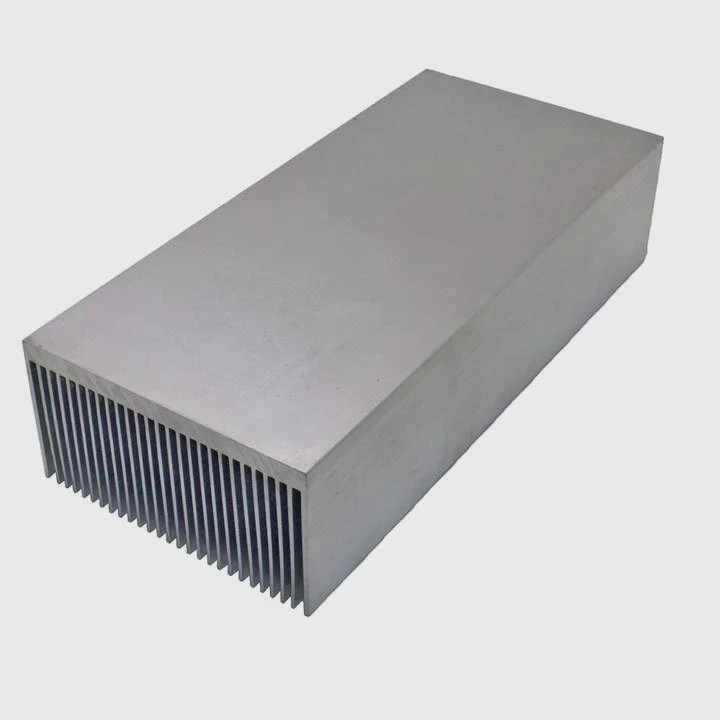
Aluminum has a thermal conductivity around 205 W/m·K. Copper is higher at 400 W/m·K. While copper removes heat faster, aluminum is lighter and easier to shape.
Performance in Finned Designs
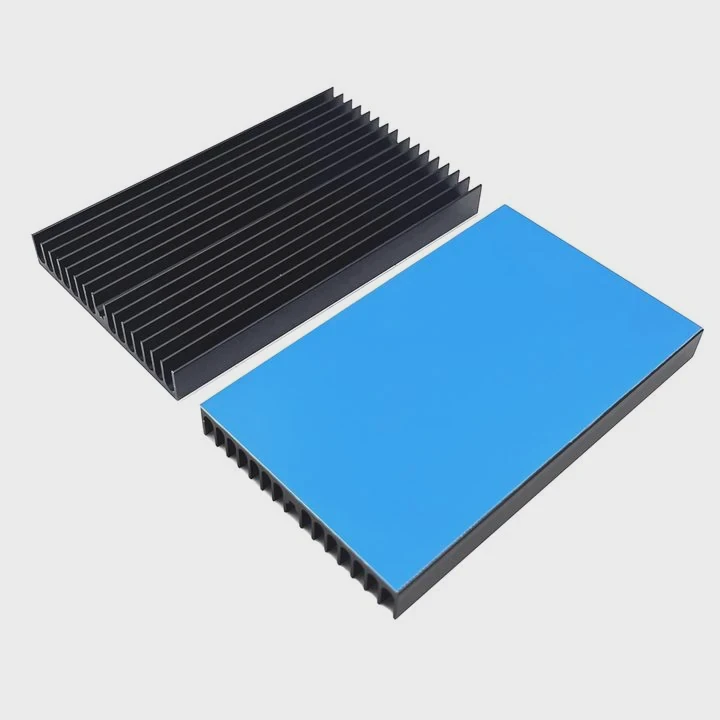
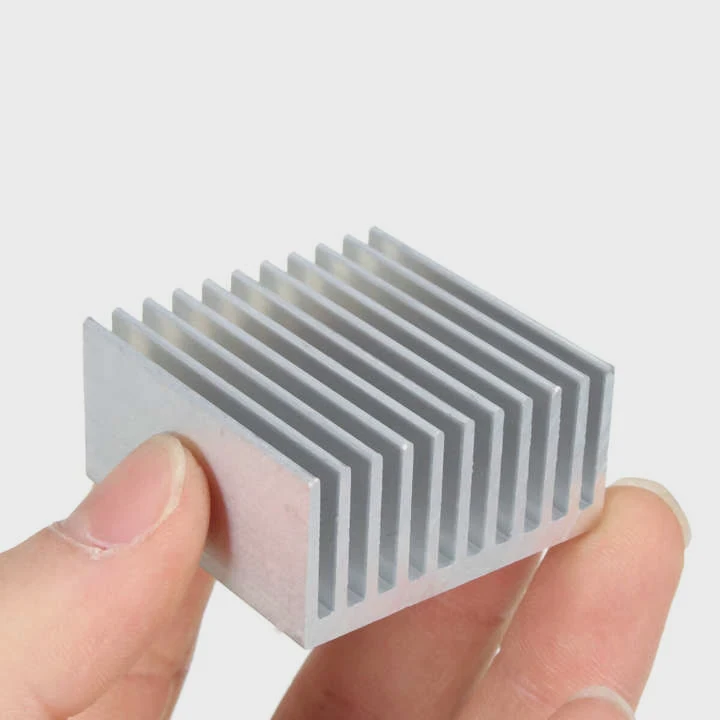
Fins multiply surface area, improving air contact and heat removal. Even with moderate conductivity, aluminum fins cool effectively in natural or forced airflow.
Practical Considerations
Aluminum allows larger heat sink sizes without excessive weight. This makes it suitable for CPUs, GPUs, and LED arrays where balance between performance and weight matters.
Table: Aluminum vs Copper Performance
| Material | Thermal Conductivity (W/m·K) | Weight | Cost | Typical Use |
|---|---|---|---|---|
| Aluminum | 205 | Low | Low | PCs, LED lights, general electronics |
| Copper | 400 | High | High | High-power LEDs, industrial modules |
| Aluminum-Copper combo | 205⁄400 | Medium | Medium | Compact electronics needing efficient cooling |
Aluminum performs well when surface area and airflow are optimized. Design often compensates for lower conductivity compared to copper.
Why Is Aluminum Widely Used for Heat Sinks?
Aluminum is popular because it is cheap, light, and easy to work with.
Its combination of weight, cost, and reasonable thermal conductivity makes it the most common choice for mass-produced heat sinks.
Cost Efficiency
Aluminum is less expensive than copper and easier to source. It also reduces shipping costs due to low weight.
Manufacturing Flexibility
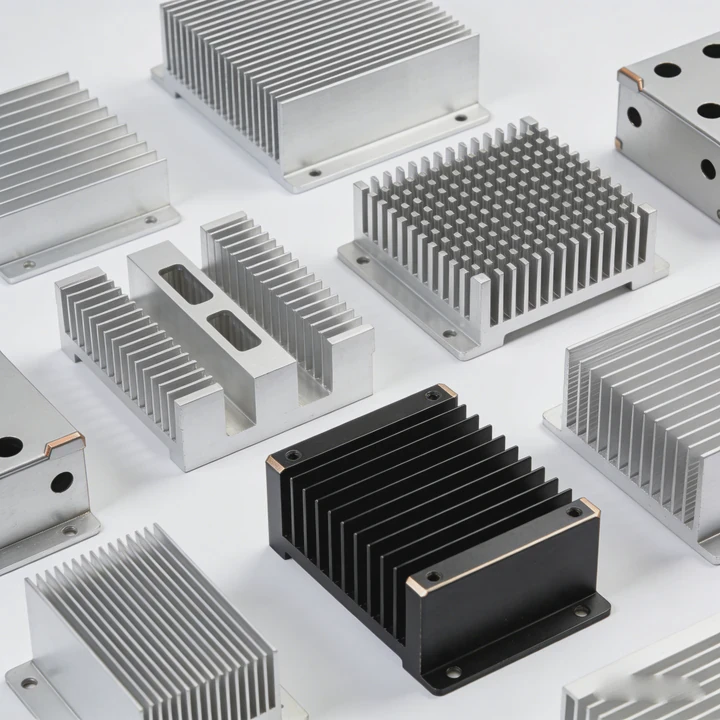
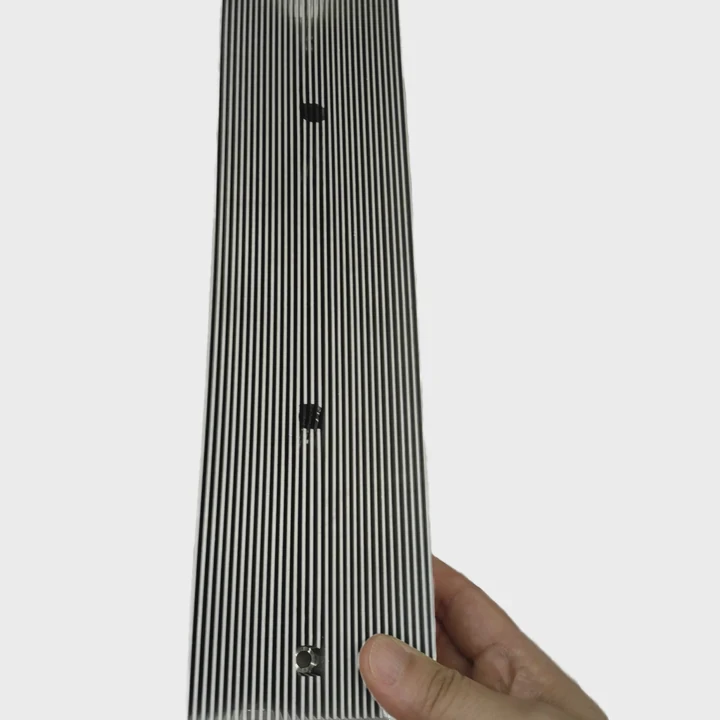
Aluminum can be extruded, stamped, or machined into complex fin shapes. This flexibility supports different heat sink designs.
Corrosion Resistance
Aluminum naturally forms a protective oxide layer, making heat sinks durable in most environments.
Table: Advantages of Aluminum
| Property | Benefit | Example Application |
|---|---|---|
| Lightweight | Easy handling and reduced system weight | Laptop heat sinks, LEDs |
| Affordable | Lowers production costs | Consumer electronics |
| Easy to shape | Supports diverse designs | Pin fins, flared fins, extrusions |
| Corrosion-resistant | Lasts in humid environments | Industrial electronics |
Its combination of benefits explains why aluminum dominates in heat sink production.
Where Is Aluminum Most Effective in Cooling?
Aluminum excels in moderate to high heat removal tasks but is not always the best for extreme power devices.
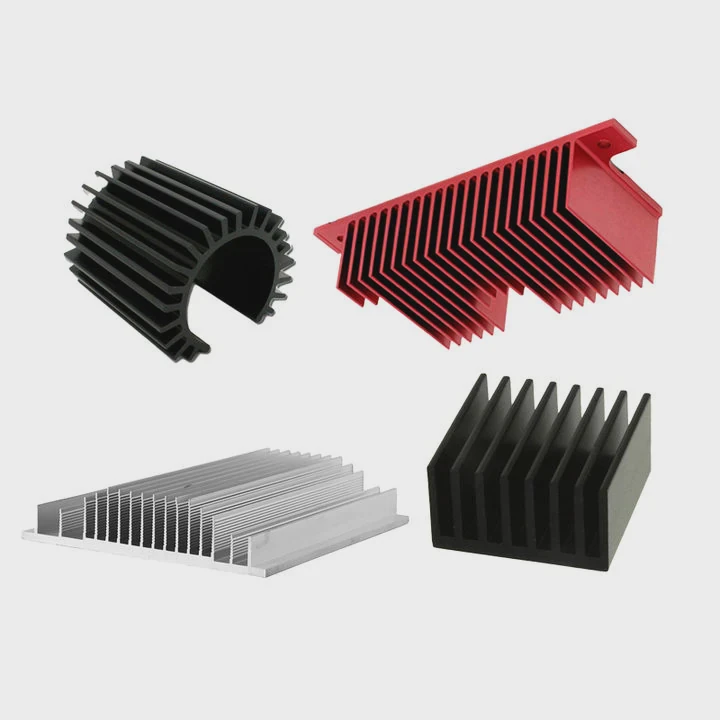
It is most effective in consumer electronics, LED lighting, and computer CPUs where weight, cost, and airflow design are important.
Consumer Electronics
Laptops, desktop CPUs, and GPUs use aluminum fins extensively. The weight savings help manage device mobility.
LED Lighting
Aluminum heat sinks efficiently dissipate LED heat, preventing overheating while keeping designs light.
Power Supplies and Industrial Electronics
Moderate heat loads benefit from aluminum extrusions and plate-fin heat sinks. Copper may be preferred for extremely high-power modules.
Example Applications
| Application | Aluminum Advantage | Design Form |
|---|---|---|
| CPU/GPU cooling | Lightweight and cost-effective | Extruded fin arrays |
| LED lighting | Efficient heat removal with low weight | Pin fins or plate fins |
| Power supply modules | Adequate cooling at moderate load | Flared fins or extrusions |
| Small industrial electronics | Durable and easy to mount | Stamped or machined plates |
Aluminum performs best when combined with good airflow or large surface areas. This ensures heat is carried away efficiently.
Which Properties Make Aluminum Suitable?
Aluminum’s material properties directly support effective heat dissipation.
Its combination of moderate thermal conductivity, low density, corrosion resistance, and ease of shaping makes it ideal for most heat sink applications.
Key Properties
- Thermal Conductivity – 205 W/m·K is sufficient for most electronics.
- Density – Light weight reduces system load.
- Malleability – Can form complex fins for improved airflow.
- Corrosion Resistance – Oxide layer protects against environmental damage.
- Cost – Affordable for mass production.
How Properties Translate to Design
- Finned Heat Sinks: Aluminum can be extruded into tall, thin fins for better surface area.
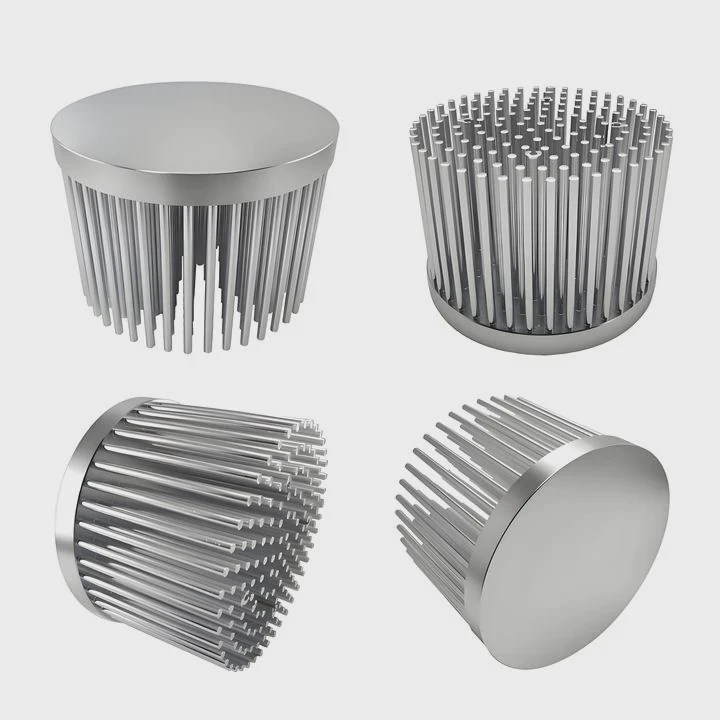
- Pin Fins: Lightweight pins increase airflow cooling efficiency.
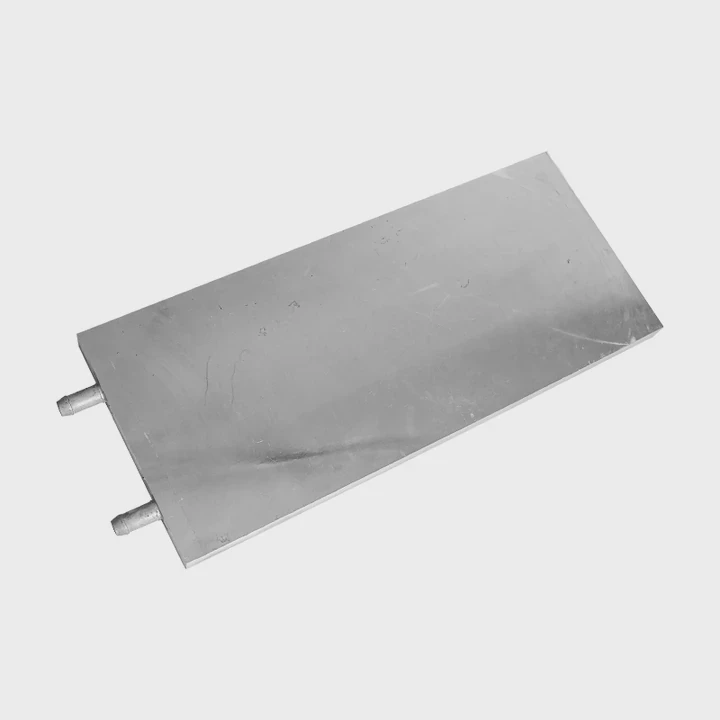
- Plate Spreaders: Aluminum spreads heat over wider areas in LED panels and power modules.
Table: Material Properties Comparison
| Property | Aluminum | Copper | Benefit for Heat Sink |
|---|---|---|---|
| Thermal Conductivity | 205 | 400 | Aluminum sufficient, copper better for extreme heat |
| Density | 2.7 g/cm³ | 8.96 g/cm³ | Lighter heat sinks |
| Cost | Low | High | Affordable mass production |
| Corrosion Resistance | High | Medium | Longer life in humid environments |
| Machinability | High | Medium | Complex shapes possible |
Aluminum balances these factors well. It is a practical choice for most applications while still delivering reliable cooling performance.
Conclusion
Aluminum is a good heat sink material. It provides moderate thermal conductivity, low weight, corrosion resistance, and cost-effectiveness, making it suitable for a wide range of electronic cooling needs.