What Do Heat Sinks Look Like?
- Yongxing
- 30 Apr ,2026
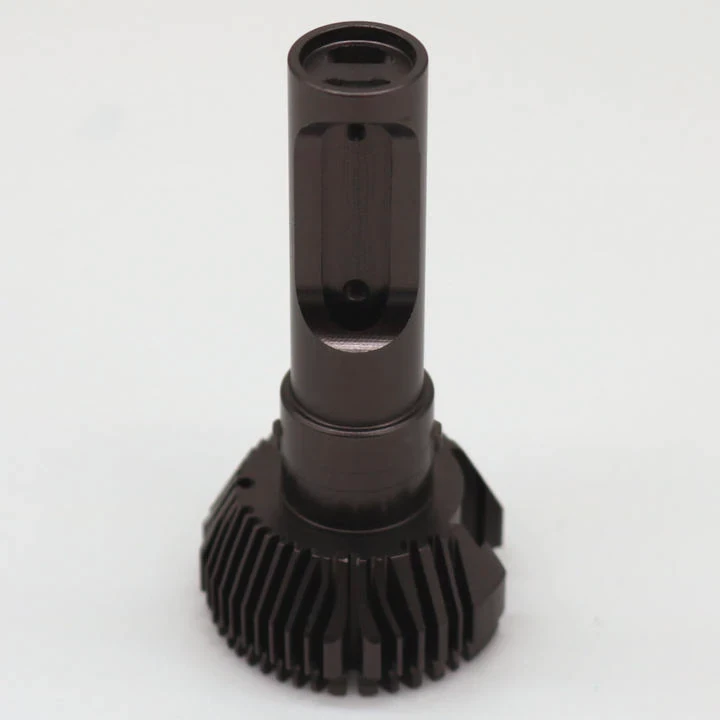
Heat sinks may seem simple, yet many struggle to recognize their designs at first glance.
Heat sinks are devices that manage heat, and they come in many forms, from simple flat plates to complex finned structures, all made to remove heat efficiently.
Understanding their shapes can help you choose the right cooling solution for electronics.
How Do Different Heat Sinks Vary in Design?
Heat sinks do not all look alike, which can confuse beginners.
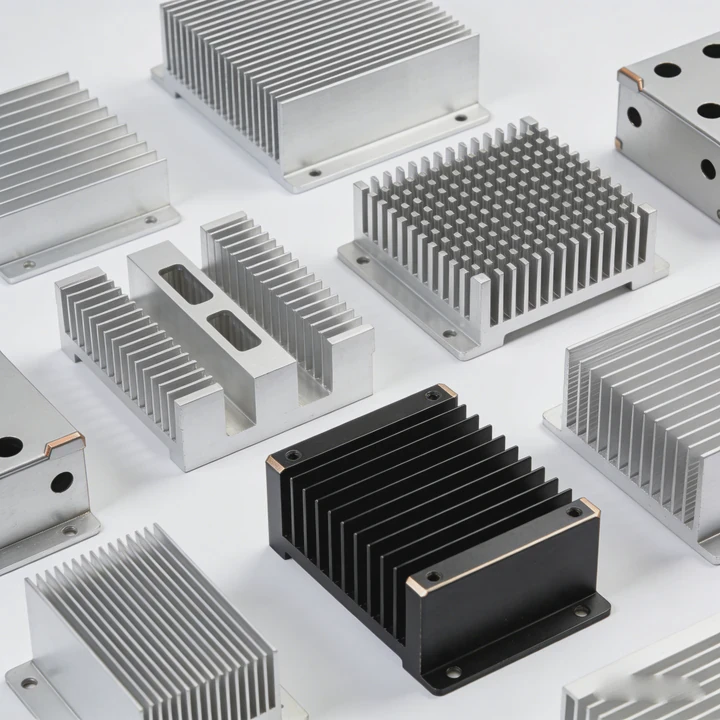
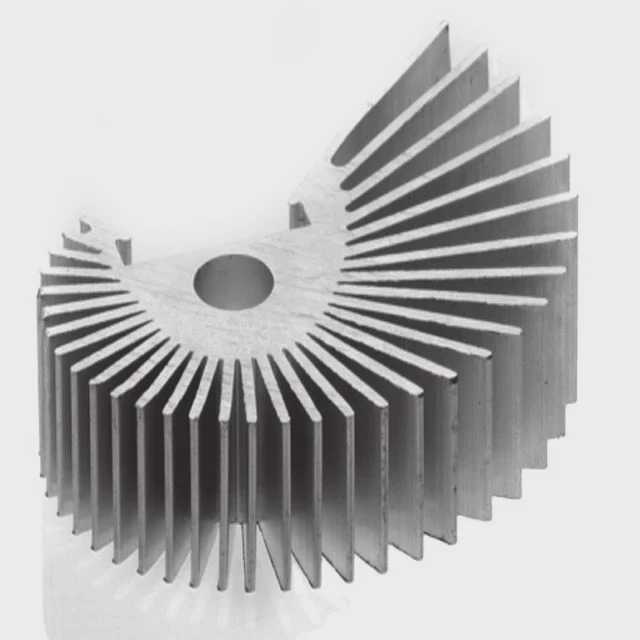
Different heat sinks vary in material, size, fin arrangement, and mounting type, making each suited for specific thermal tasks.
Material Differences
Aluminum and copper are most common. Aluminum is lighter and cheaper, while copper has higher thermal conductivity. This affects both performance and weight.
Fin Design
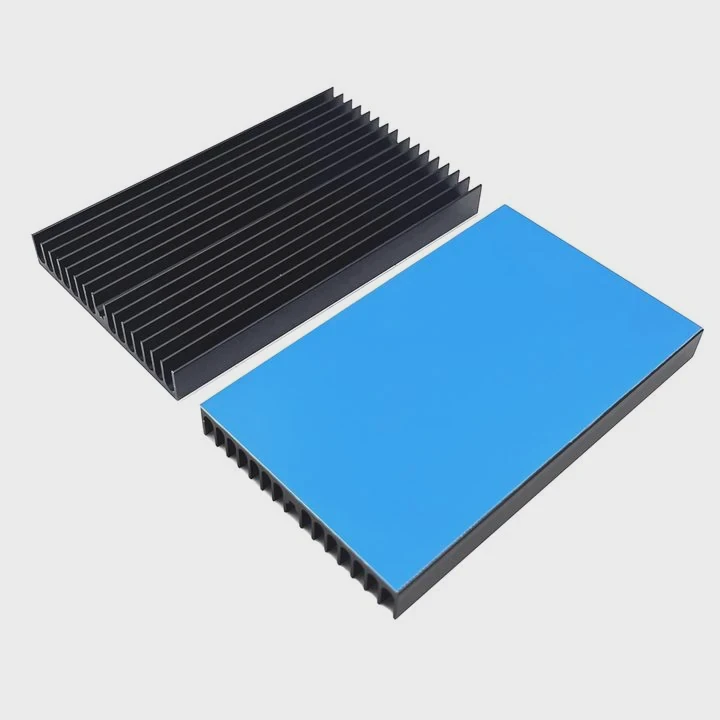
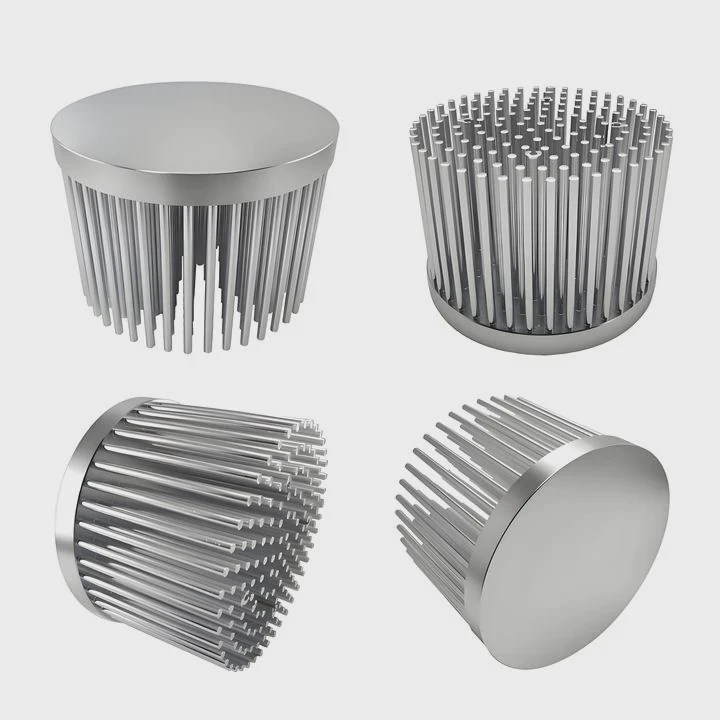
Fins can be thin or thick, tall or short, closely spaced or far apart. The design impacts airflow and heat transfer. Pin fins, straight fins, and flared fins all have different cooling efficiency.
Base and Mounting
Some heat sinks have flat bases, others have grooves or raised patterns. Mounting methods include clips, screws, or thermal adhesive. These factors ensure good contact with the heat source.
Example Table of Heat Sink Variations
| Material | Fin Type | Use Case | Weight Impact |
|---|---|---|---|
| Aluminum | Straight fins | CPUs, general electronics | Low |
| Copper | Pin fins | High-power LEDs, power modules | High |
| Aluminum | Flared fins | Power supplies, amplifiers | Medium |
| Copper | Plate fins | Industrial devices | High |
The choice of design depends on the thermal load, space constraints, and airflow availability. Designers often balance cost, performance, and physical limits.
Why Are There Multiple Heat Sink Shapes?
Multiple shapes exist because heat dissipation needs vary greatly.
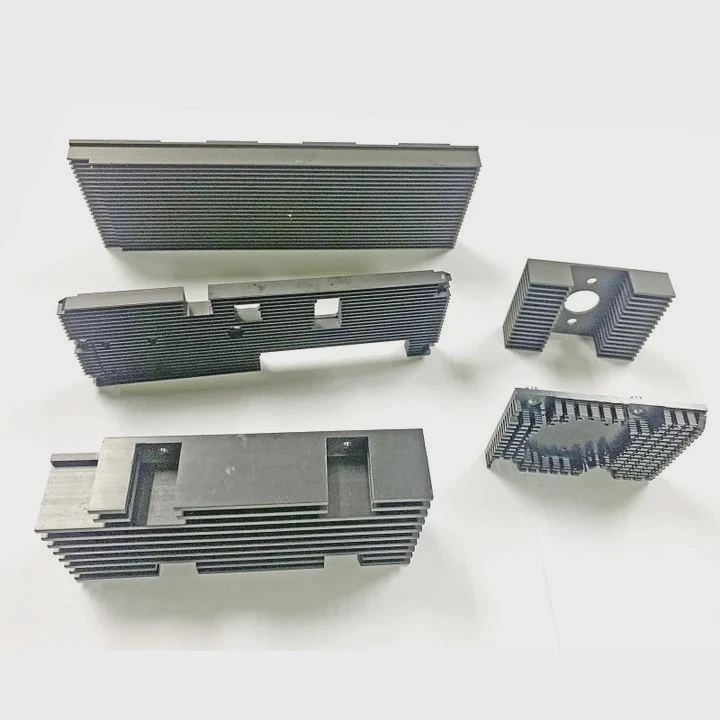
Different shapes allow heat sinks to match airflow, space, and power requirements, making each design more effective for its purpose.
Matching Airflow Patterns
Some systems use fans; others rely on natural convection. Tall thin fins work well in forced airflow, while short, spread fins perform better in still air.
Space Constraints
Small electronics may need flat or low-profile heat sinks. Large industrial devices can use tall fin arrays or pin-style designs.
Thermal Performance
More surface area usually means better cooling. Shapes like pin fins increase surface area in compact spaces. Spreaders and vapor chambers help move heat to larger surfaces.
Comparing Shapes
| Shape | Surface Area | Airflow Efficiency | Typical Use |
|---|---|---|---|
| Straight fins | Medium | Medium | CPUs, general electronics |
| Pin fins | High | High | High-power LEDs, GPUs |
| Flared fins | Medium | High | Amplifiers, power devices |
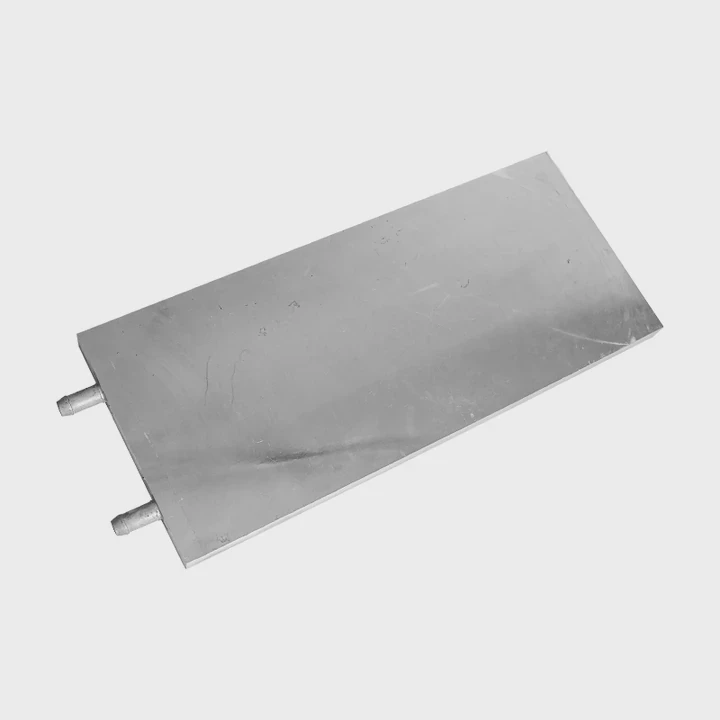
| Flat plates | Low | Low | Low-power devices, LEDs |
Each shape optimizes heat dissipation for specific conditions. Engineers choose based on space, cooling method, and heat generation.
Where Are Various Heat Sink Types Used?
Heat sinks appear everywhere electronics generate heat.
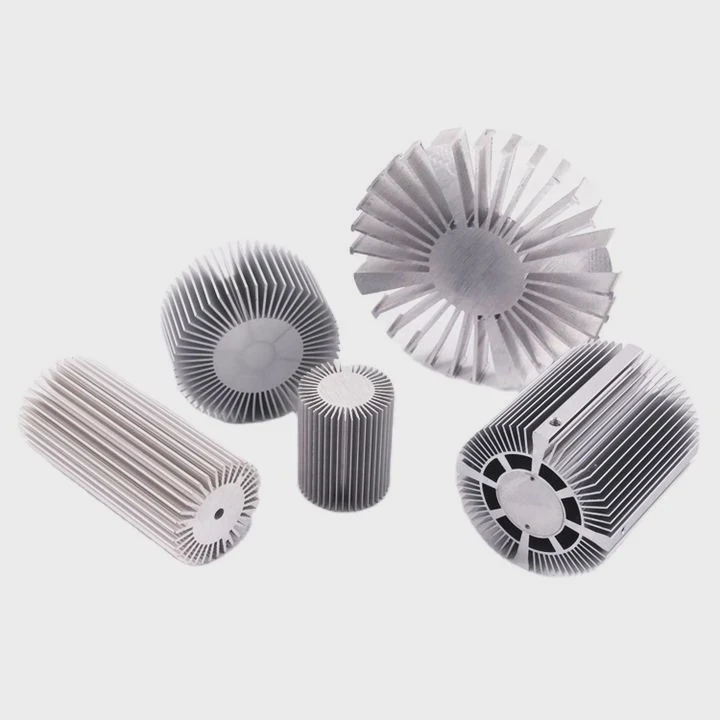
Electronics, power systems, and industrial machines use different heat sinks based on power levels, size, and cooling needs.
Consumer Electronics
CPUs, GPUs, and LED lights use aluminum finned heat sinks for cost-effective cooling. Pin fin arrays are common in laptops to fit tight spaces.
Industrial Applications
Power modules, motors, and inverters require copper or high-performance aluminum heat sinks. Large fin arrays handle high thermal loads reliably.
Automotive and Aerospace
Vehicles and aircraft use heat sinks in batteries, power electronics, and control units. Designs are compact but efficient, often combining liquid cooling with finned or plate heat sinks.
Table of Heat Sink Applications
| Application | Typical Material | Shape Used | Reason |
|---|---|---|---|
| CPUs/GPUs | Aluminum | Straight fins | Balance cost and airflow |
| Power LEDs | Copper/Aluminum | Pin fins | High surface area in compact space |
| Industrial devices | Copper | Plate fins | High thermal load handling |
| Electric vehicles | Aluminum/Copper | Spreaders | Combine cooling and compactness |
Different types reflect the need for efficiency, space optimization, and reliability. Each application drives the shape and material choice.
Which Designs Are Most Common Today?
Some heat sink designs are more popular due to manufacturing ease and broad application.
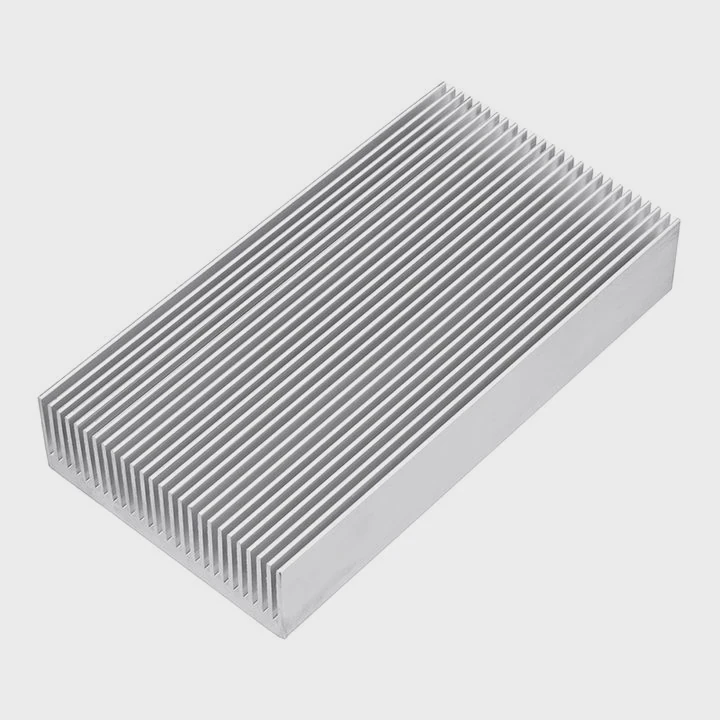
Straight fin aluminum heat sinks dominate PCs, while pin fins and copper-based designs appear in high-power or industrial devices.
Popular Design Features
- Aluminum straight fins: Cost-effective, lightweight, and easy to manufacture. Common for general electronics.
- Pin fins: Popular in GPUs, high-power LEDs, and devices with complex airflow.
- Copper bases: Used when thermal conductivity is critical. Often paired with aluminum fins to balance weight.
- Heat pipes and vapor chambers: Increasingly integrated in laptops and high-end electronics for compact high-efficiency cooling.
Market Trends
Manufacturers focus on balancing heat dissipation, size, and cost. Modular and hybrid heat sinks combining multiple materials or shapes are growing in popularity. This allows devices to handle higher power without increasing size significantly.
Table Comparing Common Designs
| Design Type | Material | Application Range | Advantages |
|---|---|---|---|
| Straight fin | Aluminum | PCs, consumer electronics | Cheap, lightweight, simple |
| Pin fin | Aluminum/Copper | High-power devices | High surface area, efficient |
| Heat pipe + fin | Copper/Aluminum | Laptops, compact electronics | Moves heat effectively in small spaces |
| Vapor chamber + fin | Copper | High-end electronics | Very efficient thermal spread |
Today’s electronics push heat sinks to evolve. Engineers mix designs and materials to maximize performance while minimizing size.
Conclusion
Heat sinks vary widely in shape, material, and design to meet different cooling needs. Understanding these differences helps select the right solution for any device.