What alloy types are available for heat sinks?
- Yongxing
- 14 May ,2026
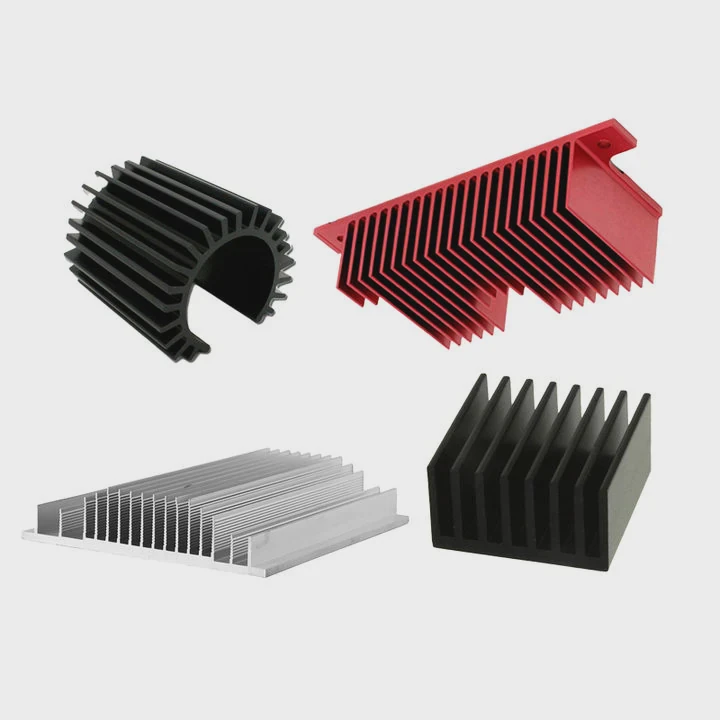
Heat sinks fail when devices overheat, costing time and money. Choosing the right alloy can prevent this problem.
Aluminum, copper, and composite alloys dominate the market for heat sinks, each offering different thermal performance, weight, and cost advantages.
Selecting the correct alloy is not simple. The choice affects device efficiency, longevity, and manufacturing costs. Understanding alloy options helps engineers make informed decisions and avoid thermal failures.
How do aluminum alloys compare to copper alloys?
Aluminum heat sinks often look cheaper, but cost alone hides performance differences. Overheating issues arise if the wrong metal is chosen.
Aluminum alloys are lightweight and easy to manufacture, while copper alloys offer higher thermal conductivity but come at higher weight and cost.
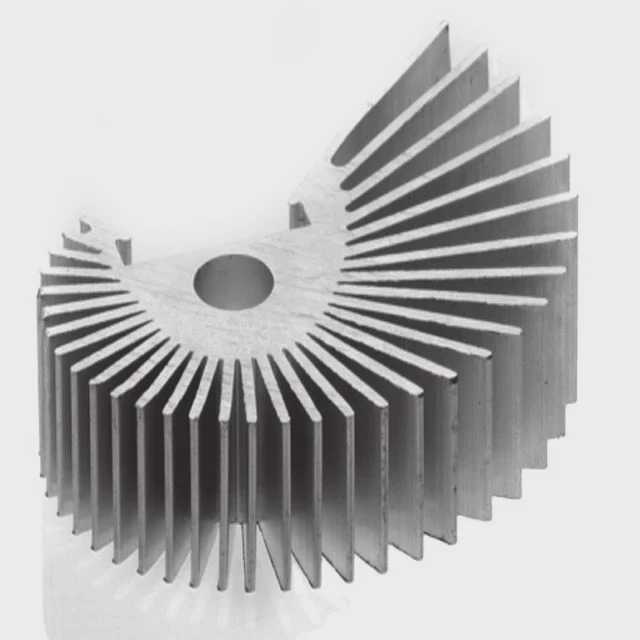
Aluminum alloys, such as 6061 or 6063, are widely used for heat sinks. They are easy to extrude or machine and are resistant to corrosion. Their thermal conductivity ranges around 160-200 W/m·K. Aluminum heat sinks are ideal when weight and cost matter, like in LED lighting, telecom devices, or automotive electronics.
Copper alloys, like C11000 or C10100, provide thermal conductivity above 390 W/m·K. They transfer heat more efficiently than aluminum but are heavier and more expensive. Manufacturing copper requires more energy, and the material is less forgiving during machining.
Table: Comparison of Aluminum and Copper Alloys
| Property | Aluminum Alloys | Copper Alloys |
|---|---|---|
| Thermal Conductivity | 160-200 W/m·K | 390-400 W/m·K |
| Density | 2.7 g/cm³ | 8.9 g/cm³ |
| Cost | Low | High |
| Machinability | Easy | Moderate |
| Corrosion Resistance | Good | Moderate |
Using aluminum allows designers to create large or complex shapes without adding much weight. Copper is often used in small, high-power devices where heat removal is critical. Engineers sometimes combine both metals, using aluminum fins with a copper base to balance weight and efficiency.
Which materials improve heat sink efficiency?
Many engineers focus on efficiency but ignore the effect of materials. Picking the wrong one can reduce cooling, even with a large surface area.
Metals like high-purity copper, aluminum alloys, and advanced composites enhance heat sink efficiency by conducting heat faster and spreading it evenly.
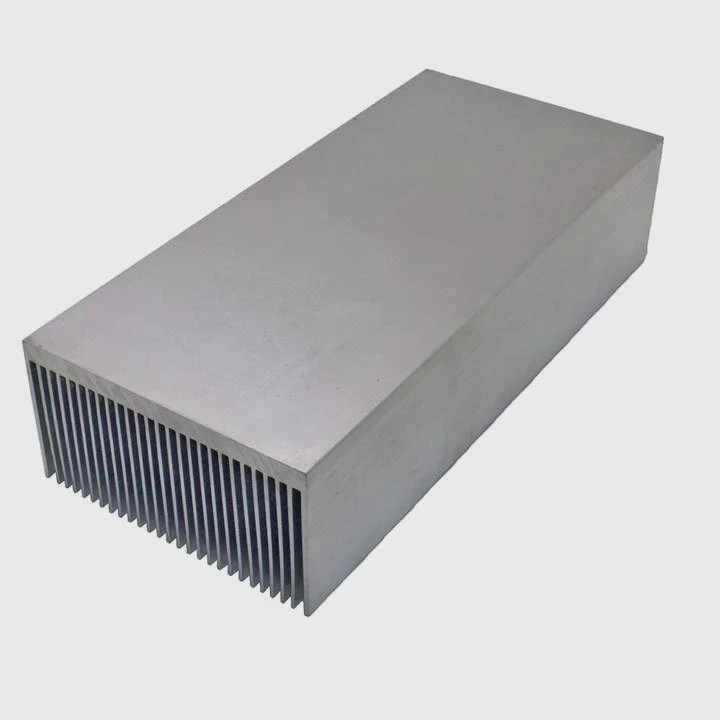
Thermal conductivity is key. Copper naturally outperforms aluminum, but designers often optimize aluminum shapes for better airflow and surface area. Some alloys contain small percentages of silicon, magnesium, or nickel, improving strength and heat transfer without much extra cost.
Composite materials are rising in popularity. Materials like graphite sheets, aluminum-graphite composites, or metal matrix composites combine high conductivity with low weight. They are especially useful in aerospace, LED lighting, and electronics with tight weight limits.
Table: Materials and Efficiency
| Material | Thermal Conductivity | Weight Impact | Typical Use |
|---|---|---|---|
| Pure Copper | 390-400 W/m·K | Heavy | High-power CPUs, LEDs |
| Aluminum Alloy 6061 | 160-200 W/m·K | Light | Telecom, automotive electronics |
| Aluminum-Graphite Composite | 200-300 W/m·K | Moderate | Aerospace, LEDs |
| Metal Matrix Composite | 220-350 W/m·K | Moderate | Industrial electronics |
Other factors like surface finish, fin spacing, and anodizing affect efficiency too. Polished surfaces improve radiative heat transfer, while anodized aluminum can slightly reduce conductivity but increases corrosion resistance and surface durability.
Are composite materials used in heat sinks?
Some engineers still believe metals alone handle heat well. However, composites are increasingly important in modern electronics, offering flexibility in design.
Composite materials combine metals and thermally conductive additives, providing a balance between weight, cost, and thermal performance.
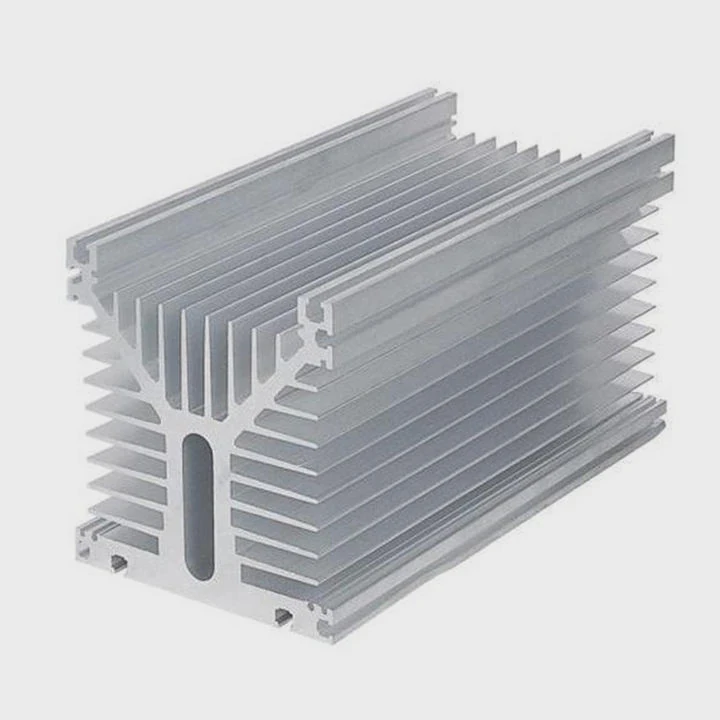
Graphite and carbon-based composites are often used with aluminum. They offer thermal conductivity between 200 and 350 W/m·K and reduce weight compared to pure copper. Metal matrix composites, combining aluminum or copper with ceramic particles, increase stiffness and reduce thermal expansion while maintaining conductivity.
Advantages of Composite Materials
- Weight Reduction: Lower density than pure copper, useful in portable devices.
- Thermal Management: Spread heat evenly, preventing hot spots.
- Mechanical Strength: Ceramics improve rigidity for structural applications.
- Design Flexibility: Easier to mold complex shapes without heavy machining.
Engineers must carefully select composites because production can be more complex and expensive. Some composites require specialized bonding, thermal interface materials, or precise alignment of fibers. Despite the extra complexity, they are ideal for applications where weight, space, and thermal control all matter.
What considerations affect alloy selection?
Selecting a heat sink alloy is more than picking the highest conductivity metal. Designers must balance cost, weight, manufacturability, and reliability.
Alloy selection depends on thermal requirements, mechanical constraints, production methods, and long-term performance under real conditions.
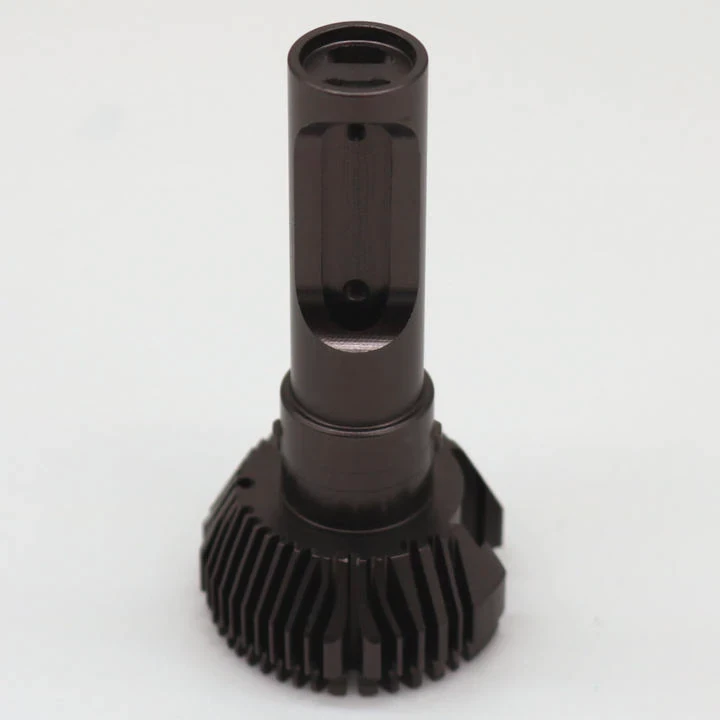
Several factors influence alloy choice:
Thermal Performance
The first consideration is how much heat the alloy can move. Copper is best for small, high-power devices, while aluminum alloys are adequate for medium-power and lightweight designs.
Mechanical Strength
The alloy must withstand bending, vibration, and assembly without deforming. Aluminum alloys with added magnesium or silicon increase stiffness without significant weight gain.
Weight
Applications like drones, aerospace, or electric vehicles demand lightweight solutions. Aluminum or aluminum composites are preferred over copper in these cases.
Cost and Manufacturing
Copper is expensive and harder to machine. Aluminum alloys can be extruded, cast, or CNC machined at lower cost. Production volume and required precision determine which metal is feasible.
Corrosion and Environment
Aluminum alloys resist corrosion naturally; copper may need coatings. For outdoor or humid environments, protective layers or anodizing can extend heat sink life.
Table: Alloy Selection Considerations
| Factor | Aluminum Alloys | Copper Alloys | Composites |
|---|---|---|---|
| Thermal Performance | Medium | High | Medium-High |
| Mechanical Strength | Good | Good | Excellent |
| Weight | Light | Heavy | Moderate |
| Cost | Low | High | Medium-High |
| Manufacturability | Easy | Moderate | Moderate |
| Corrosion Resistance | Good | Moderate | Variable |
By evaluating these factors together, engineers choose alloys that match both performance and practical constraints. Often, hybrid designs, like aluminum fins on a copper base, provide a balance between thermal efficiency, weight, and cost.
Conclusion
Heat sink alloy choice depends on thermal conductivity, weight, cost, and manufacturing needs. Aluminum, copper, and composites all serve specific applications. Understanding these factors helps engineers select the best solution for reliable thermal management.