Which industries commonly use heat sinks?
- Yongxing
- 14 May ,2026
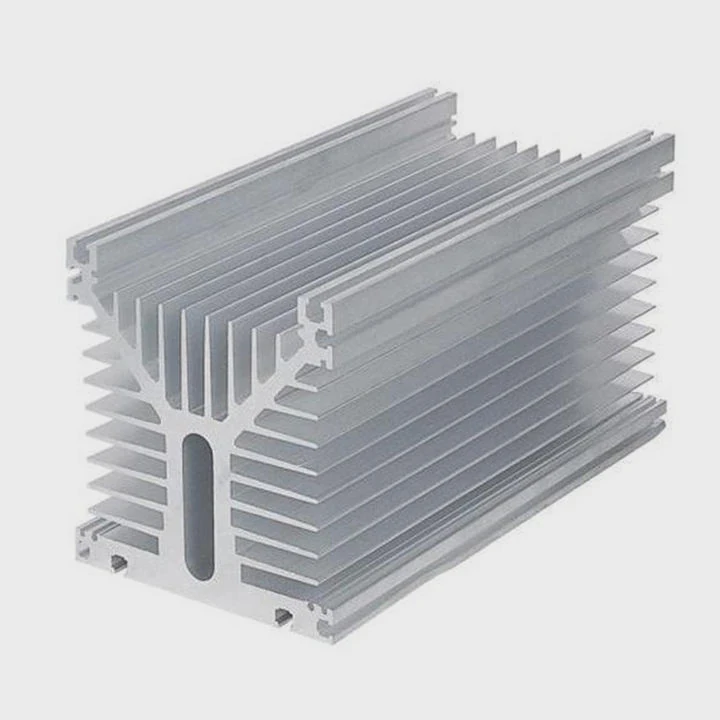
Electronics often overheat, causing failures. Many companies face cooling challenges that demand precise heat management solutions.
Heat sinks are used across electronics, automotive, renewable energy, and industrial manufacturing to manage device temperatures and ensure reliable operation.
Industries choose heat sinks based on power, environment, and space constraints. Understanding these applications helps in designing better thermal solutions.
How do electronics industries apply heat sinks?
Electronics generate heat from processors, chips, and power components. Overheating reduces lifespan and performance, making heat sinks essential.
In electronics, heat sinks cool CPUs, GPUs, power modules, and LED systems, improving reliability and preventing thermal shutdowns.
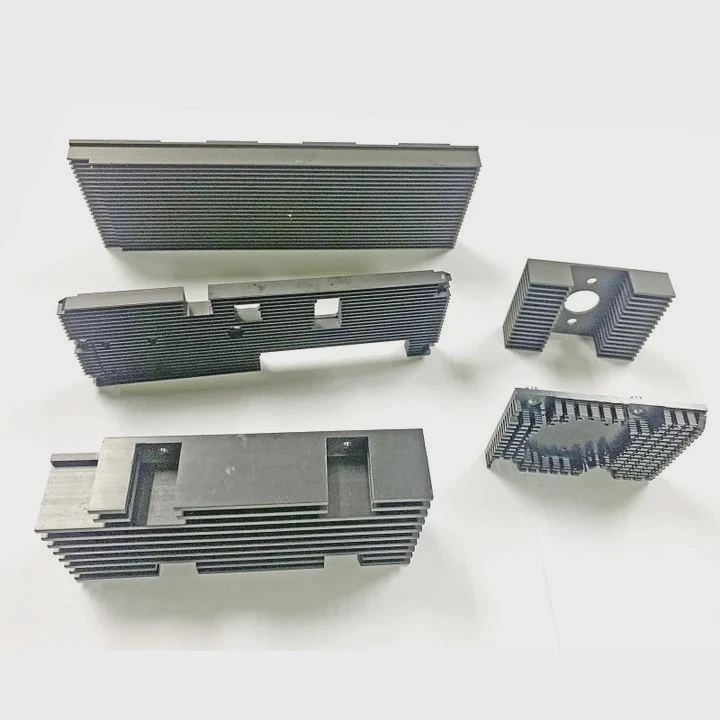
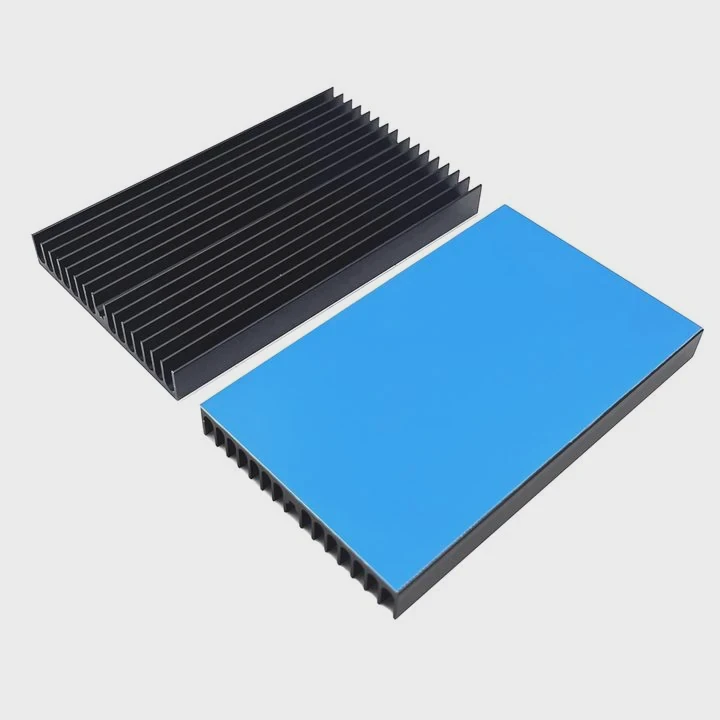
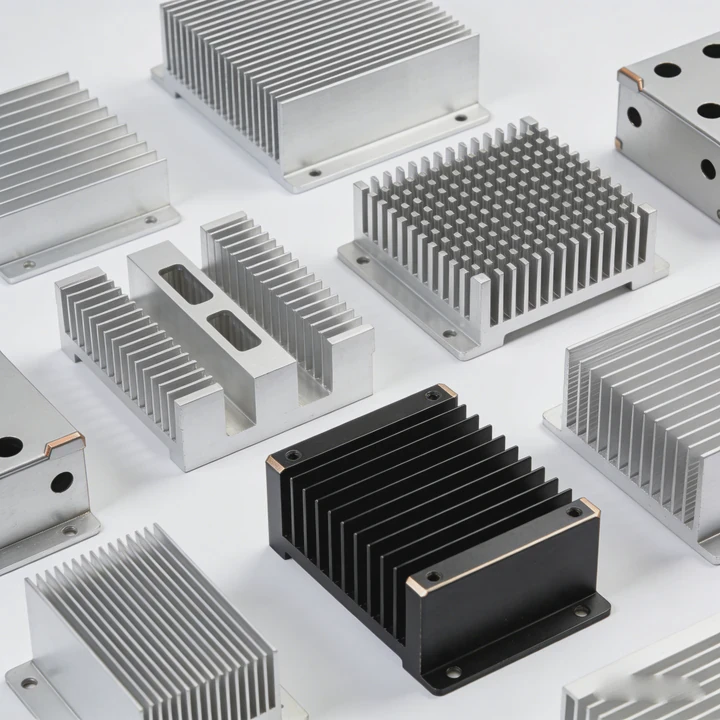
Electronics industries use heat sinks in many forms. Computers and servers rely on aluminum or copper heat sinks attached to CPUs and GPUs. Power electronics, like inverters and power supplies, use finned or liquid-cooled heat sinks. LED lighting systems use heat sinks to prevent brightness drop and color shift caused by heat. Portable electronics may use miniaturized heat sinks combined with thermal interface materials. The main goal is to remove heat quickly while fitting within device size constraints.
Electronics application table
| Device Type | Heat Sink Type | Purpose |
|---|---|---|
| CPU/GPU | Finned aluminum or copper | Maintain operating temperature |
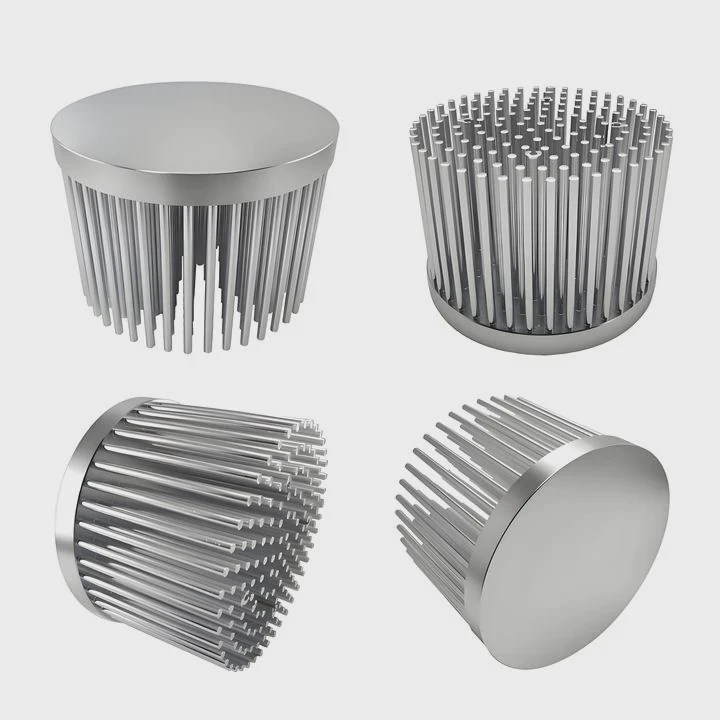
| LED lights | Extruded aluminum | Prevent lumen loss |
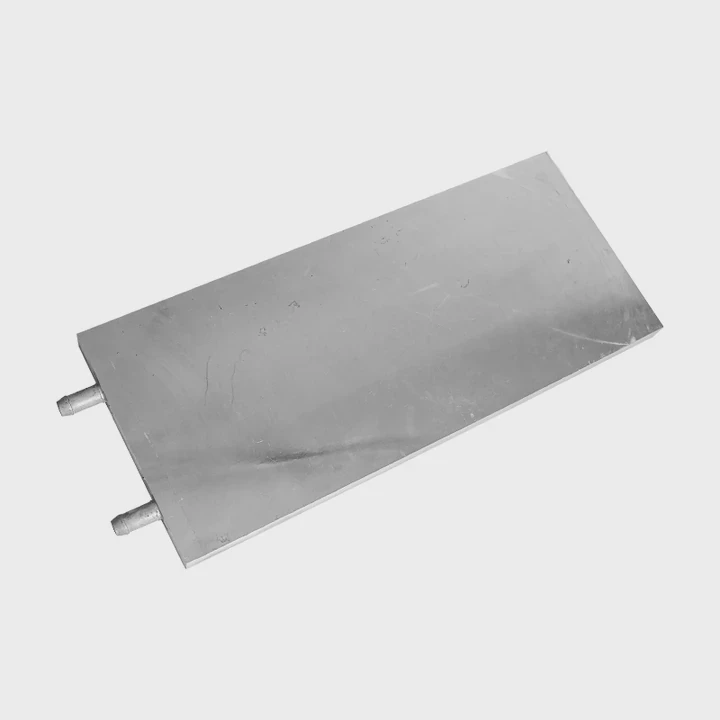
| Power modules | Liquid-cooled or fan-assisted | Avoid thermal shutdown |
| Portable devices | Mini heat sinks | Manage heat in tight spaces |
Engineers often simulate airflow and thermal distribution to choose the right heat sink. Thermal interface materials improve contact between the device and heat sink. In server farms, optimized airflow paths combined with heat sinks maintain high efficiency. Even small devices need careful design to avoid hotspots.
Design considerations
- Heat sink material affects thermal conductivity.
- Fin spacing must match airflow conditions.
- Mounting location impacts performance.
- Active cooling may reduce heat sink size.
Are automotive systems reliant on heat sinks?
Automotive electronics are exposed to vibration, high temperatures, and variable airflow. Heat sinks are critical for stability and safety.
Automotive systems use heat sinks in EV power electronics, control modules, and battery management to ensure thermal safety and longevity.
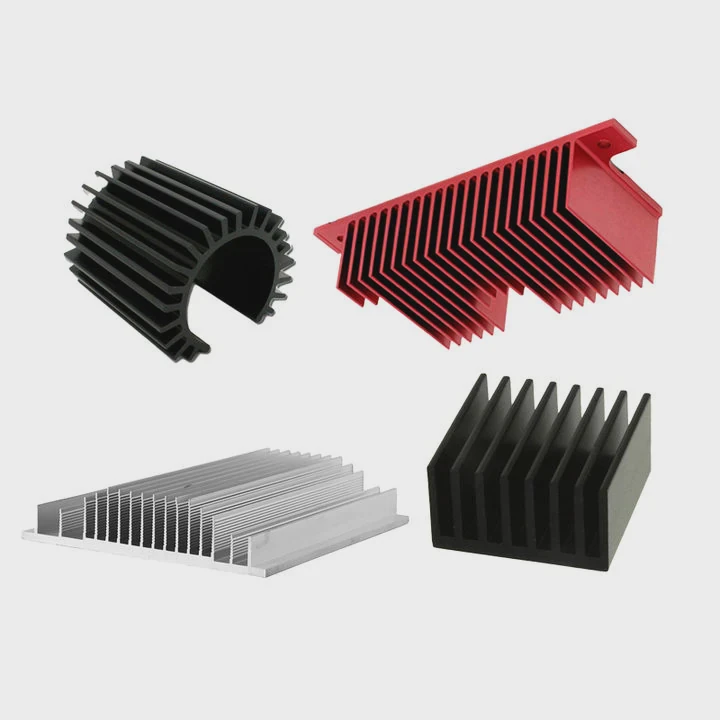
Electric vehicles (EVs) and hybrid cars rely heavily on heat sinks. Inverters and converters generate significant heat and use liquid-cooled or air-cooled heat sinks. Battery packs employ heat sinks to maintain consistent temperature, protecting cells from damage. Traditional vehicles also use heat sinks for LED lighting and infotainment systems. The automotive environment requires vibration-resistant designs, often using integrated or modular heat sinks.
Automotive heat sink examples
| Component | Heat Sink Type | Function |
|---|---|---|
| EV inverter | Liquid-cooled plate | Maintain efficiency and safety |
| Battery pack | Extruded aluminum modules | Prevent cell overheating |
| LED headlamps | Aluminum finned | Maintain light output |
| ECU | Compact heat sinks | Avoid thermal derating |
Automotive engineers focus on mechanical strength, corrosion resistance, and thermal performance. Heat sinks are combined with fans, heat pipes, or liquid loops for high-power modules. Reliability testing under vibration, temperature cycling, and humidity ensures long-term stability. Modular heat sink designs allow replacement or maintenance without affecting other systems.
Automotive best practices
- Use high-conductivity materials for high power.
- Integrate heat sinks with mechanical support.
- Test under real-world vibration and temperature.
- Match size with airflow or liquid cooling requirements.
Do renewable energy sectors use heat sinks?
Renewable energy devices, such as solar inverters and wind converters, handle high power and must stay cool. Heat sinks are vital in these systems.
Renewable energy industries use heat sinks in power electronics and converters to prevent overheating and maintain system efficiency.
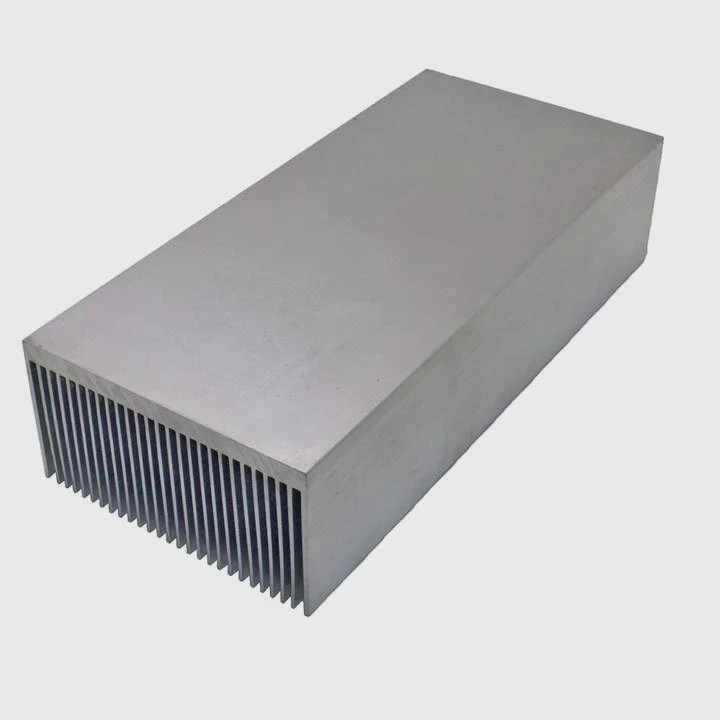
Solar inverters and wind turbine converters generate large amounts of heat. Finned aluminum heat sinks, liquid-cooled plates, and hybrid cooling methods are common. Thermal management ensures reliability over long operating periods and extreme weather. In photovoltaic (PV) systems, heat sinks prevent efficiency losses from high temperatures. In wind energy, converters and control modules require heat sinks for continuous operation. Reliability is crucial, as maintenance can be costly. Engineers balance size, airflow, and material choice to optimize cooling while keeping cost low.
Renewable energy heat sink table
| Device | Heat Sink Type | Cooling Method |
|---|---|---|
| Solar inverter | Aluminum extruded | Air cooling |
| Wind turbine converter | Liquid-cooled plate | Forced liquid flow |
| Battery storage system | Modular fins | Passive or forced air |
| PV junction boxes | Compact aluminum | Passive heat transfer |
Engineers also use hybrid cooling solutions, combining passive fins with liquid or active airflow. Materials must withstand UV exposure, moisture, and temperature swings. Heat sink placement within enclosures is important to avoid hotspots. Calculations for thermal resistance and temperature rise guide design choices. Optimization reduces downtime and extends system lifespan.
Renewable energy design tips
- Use corrosion-resistant materials for outdoor systems.
- Match heat sink size with expected power output.
- Include redundancy in cooling for critical components.
- Simulate airflow or liquid cooling efficiency before deployment.
Which manufacturing sectors prioritize heat dissipation?
High-power industrial devices generate heat that can affect productivity and safety. Many manufacturing sectors require heat sinks.
Industrial manufacturing sectors use heat sinks in robotics, laser systems, CNC machines, and high-power electronics to maintain performance and prevent downtime.
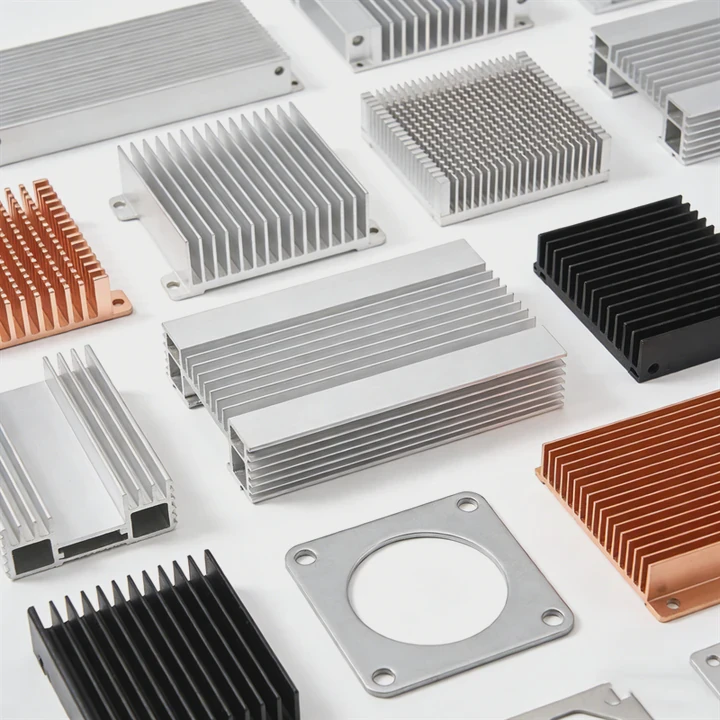
Robotics and automation equipment use heat sinks for motors, drives, and control electronics. Laser systems require precise cooling to maintain beam quality. CNC machines and industrial inverters generate heat during prolonged operation. Heat sinks prevent thermal drift, improve reliability, and protect sensitive electronics. Factories often combine heat sinks with fans or liquid loops. Proper placement within machine enclosures ensures effective airflow and reduces heat accumulation.
Manufacturing sector table
| Sector | Device | Heat Sink Type |
|---|---|---|
| Robotics | Servo drives | Aluminum finned or liquid-cooled |
| Laser systems | Laser diodes | Copper heat sink plates |
| CNC machinery | Motor drivers | Finned aluminum |
| Industrial inverters | High-power converters | Modular heat sink arrays |
Engineers consider vibration, dust, and chemical exposure when designing heat sinks for factories. Modular or removable heat sinks allow maintenance without machine downtime. Optimized heat sink design reduces energy consumption and improves system efficiency. Heat sinks are integrated into machine frames or enclosures for better thermal paths.
Industrial design considerations
- Ensure vibration-resistant mounting.
- Use corrosion-resistant materials if exposed to chemicals.
- Optimize airflow through enclosures.
- Provide easy access for maintenance and cleaning.
Conclusion
Heat sinks are critical across electronics, automotive, renewable energy, and industrial sectors. Each industry applies them based on power, environment, and reliability. Proper design ensures efficient cooling, safety, and long-term performance.