What Does Heat Sink Do?
- Yongxing
- 10 Mar ,2026
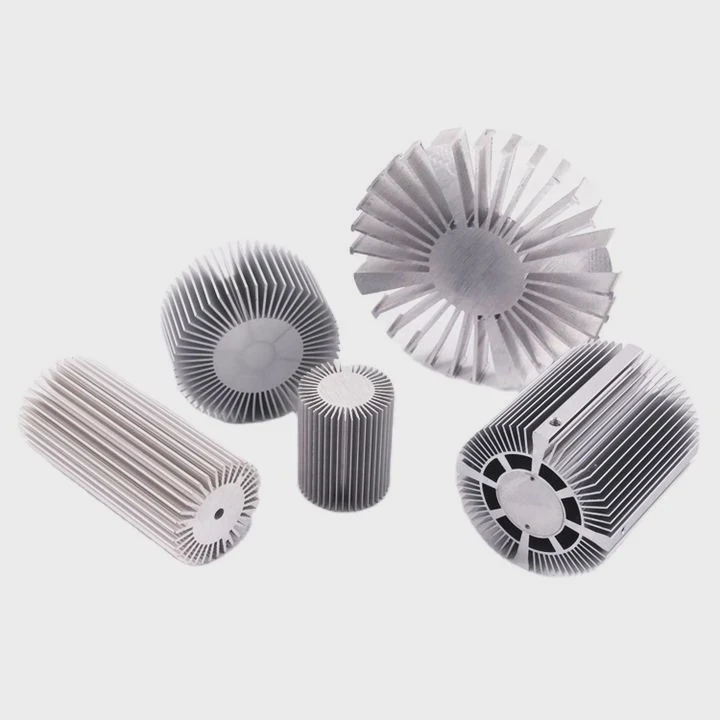
Electronic devices become more powerful every year. However, greater power means more heat inside circuits and chips. Excess heat can quickly damage sensitive components and reduce system stability.
A heat sink removes excess heat from electronic components by absorbing thermal energy and releasing it into the surrounding air or cooling medium. This process keeps devices within safe operating temperatures and ensures stable performance.
Heat control is a key part of modern electronic design. Without proper cooling, many devices would fail or slow down during operation. Heat sinks allow engineers to manage temperature and protect critical components.
How does a heat sink remove excess heat?
Excess heat is one of the biggest challenges in electronic systems. When electrical current flows through circuits, some energy becomes heat.
A heat sink removes excess heat by transferring thermal energy from a heat source into a metal structure and then releasing that heat into the surrounding air through conduction, spreading, and convection.
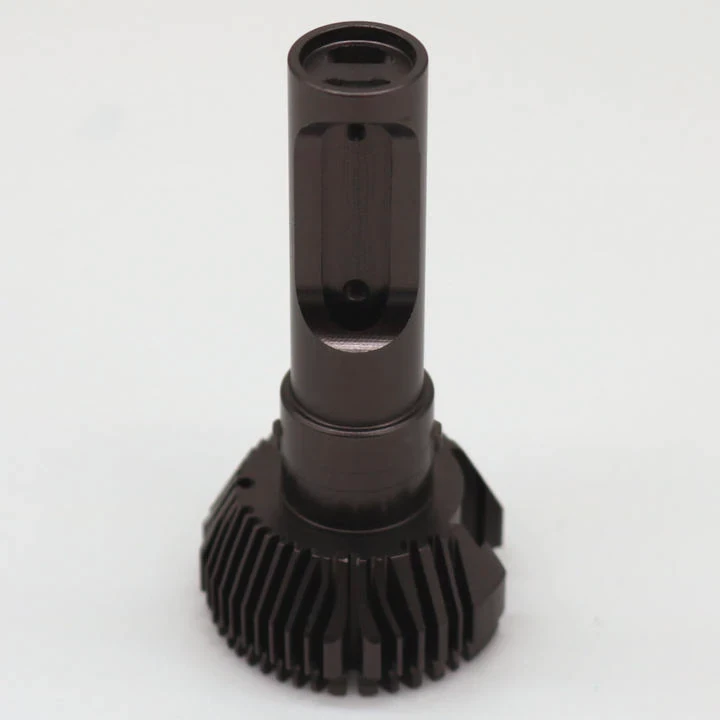
A heat sink works through a simple but effective chain of heat transfer processes. These processes move heat away from the electronic component and into the environment.
Step 1: Heat Conduction from the Device
The cooling process begins when heat leaves the electronic component. Components such as processors, power modules, and LEDs generate thermal energy during operation.
This heat moves into the heat sink through thermal conduction.
The heat sink is usually mounted directly on the device surface. A thin layer of thermal interface material fills tiny gaps between surfaces. This improves thermal contact and allows heat to transfer more efficiently.
Step 2: Heat Spreading Through the Heat Sink
After heat reaches the heat sink base, it spreads through the metal structure.
Most heat sinks use materials with high thermal conductivity such as aluminum or copper. These metals allow heat to move quickly across the heat sink body.
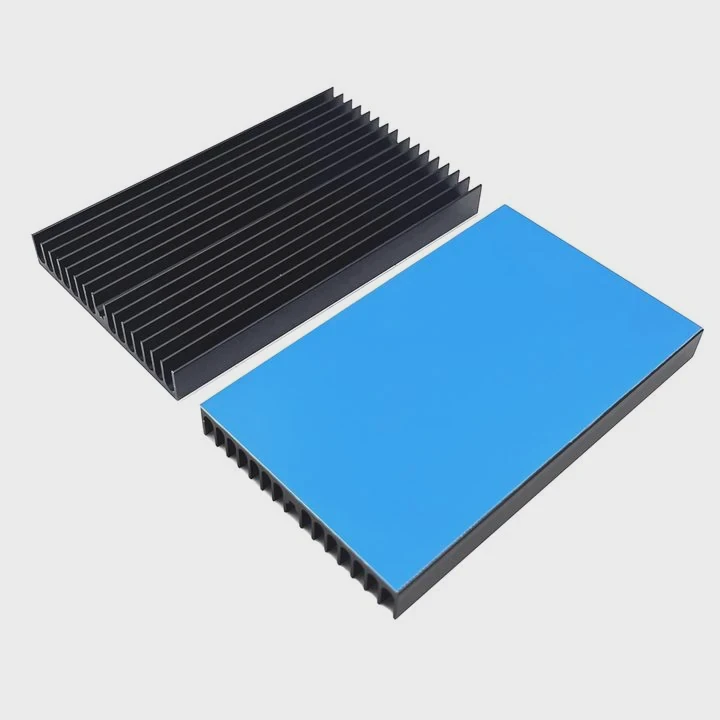
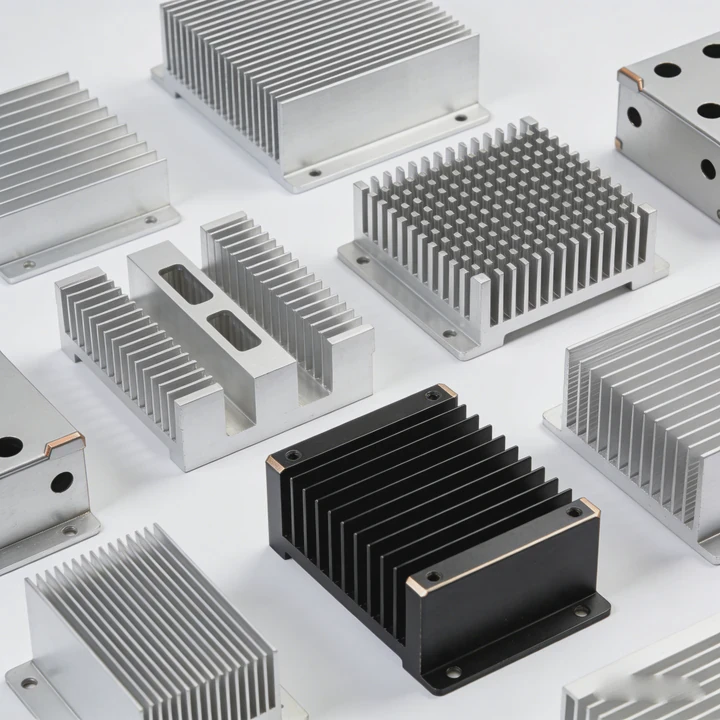
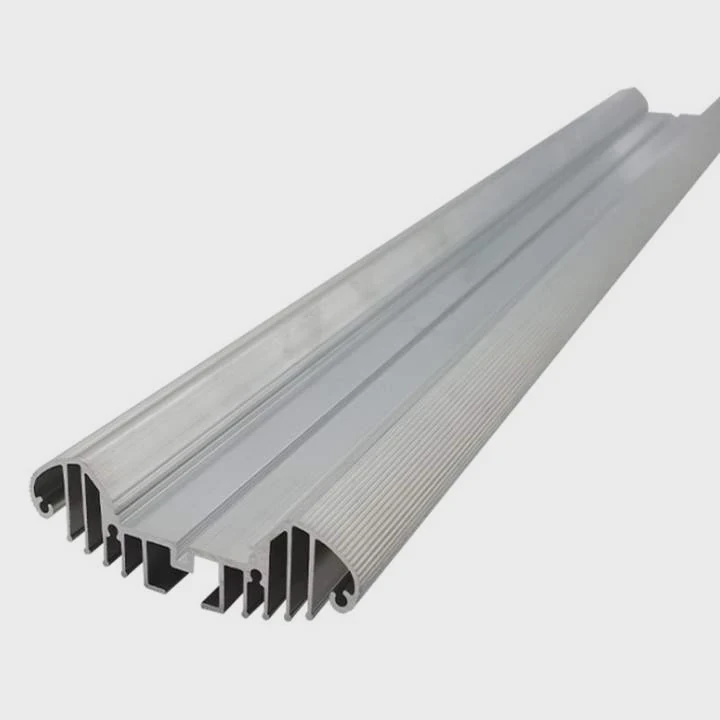
Fins attached to the heat sink significantly increase surface area.
| Heat Sink Section | Role in Cooling |
|---|---|
| Base plate | Receives heat from the device |
| Fins | Expand surface area for heat release |
| Heat pipes | Transport heat rapidly across the sink |
The increased surface area allows more heat to leave the metal surface.
Step 3: Heat Removal by Airflow
The final stage of cooling occurs through convection.
Air moves across the fins and carries heat away. This airflow may occur naturally or with the help of fans.
Two types of convection are commonly used.
| Cooling Method | Description | Example Use |
|---|---|---|
| Natural convection | Warm air rises naturally | LED lighting |
| Forced convection | Fans push air across fins | Servers, computers |
Forced airflow dramatically improves cooling performance. That is why many electronic systems include cooling fans near heat sinks.
Heat Sink Design Considerations
Engineers must carefully design the heat sink structure.
Several factors influence heat removal:
- Fin spacing
- Surface area
- Airflow direction
- Thermal resistance
Proper heat sink design ensures that heat moves efficiently from the device into the surrounding air.
Why do electronic devices require heat sinks?
Electronic devices convert electrical energy into useful work. However, not all energy becomes useful output. Some energy inevitably becomes heat.
Electronic devices require heat sinks to control operating temperature, prevent overheating, maintain system reliability, and extend component lifespan.
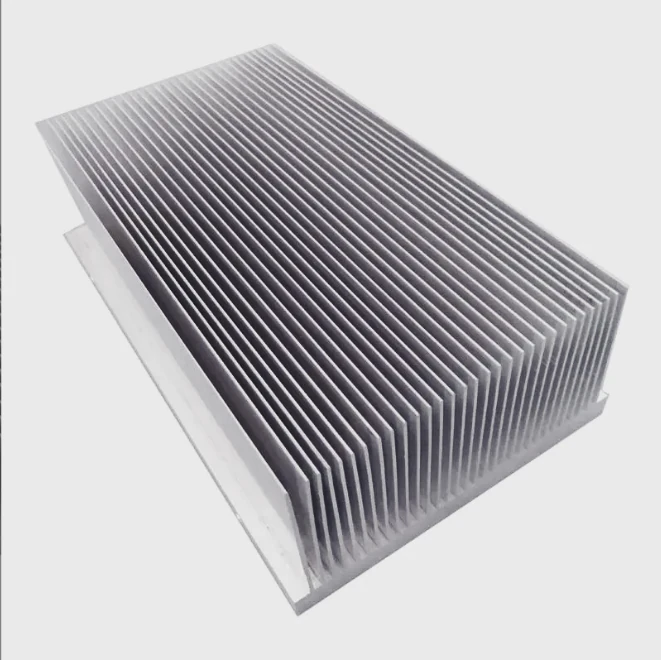
Heat management becomes critical as electronic power density increases.
Temperature Limits in Electronics
Most electronic components operate safely only within a specific temperature range.
For example:
- Silicon chips often operate below 85°C–125°C
- Power electronics may tolerate higher temperatures but still require cooling
When temperatures exceed safe limits, device performance declines.
Effects of Overheating
High temperatures can cause several problems.
Common issues include:
- Reduced processing speed
- Increased electrical resistance
- Signal instability
- Component degradation
Many processors automatically reduce their speed when temperatures rise too high. This process protects hardware but lowers performance.
Reliability and Lifespan
Heat strongly affects component reliability.
A commonly referenced rule in electronics states that every 10°C rise in temperature may reduce component life by roughly half.
This effect is especially important for:
- Capacitors
- Power semiconductors
- Integrated circuits
By removing heat effectively, heat sinks protect components and extend the operating life of devices.
Thermal Design in Product Development
Thermal management is a key stage of product design.
Engineers must evaluate several conditions when designing cooling systems.
| Thermal Factor | Importance |
|---|---|
| Power dissipation | Determines required cooling capacity |
| Ambient temperature | Influences heat sink efficiency |
| Device size | Limits cooling space |
| Airflow conditions | Affects convection performance |
Without proper thermal design, electronic systems may experience frequent failures or reduced lifespan.
Where are heat sinks applied in electronics?
Heat sinks appear in many different electronic systems. Any device that generates significant heat usually requires some form of thermal management.
Heat sinks are widely applied in computers, power electronics, LED lighting, communication equipment, industrial machines, and energy systems.
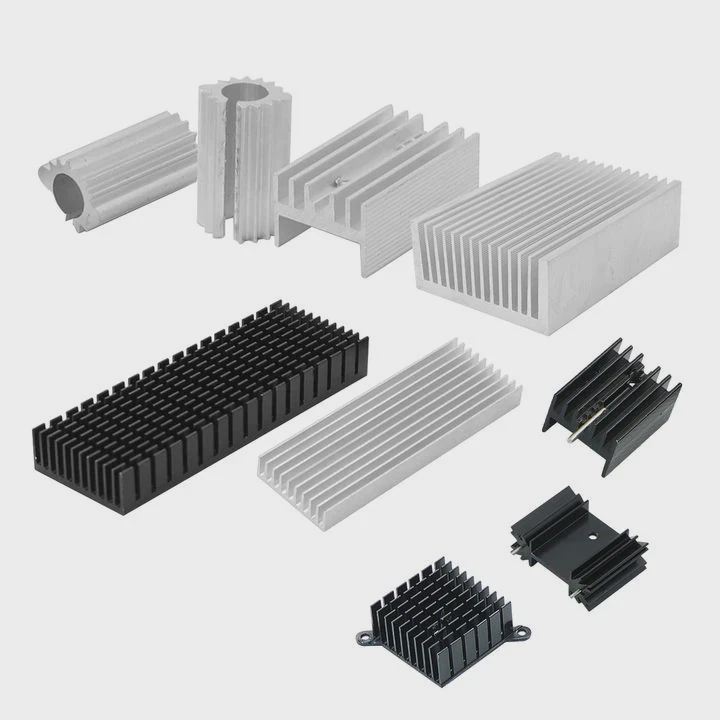
Each application uses heat sinks in slightly different ways depending on power levels and environmental conditions.
Computer and Data Processing Systems
Computers rely heavily on heat sinks to maintain stable operation.
Key components that use heat sinks include:
- Central processing units (CPUs)
- Graphics processing units (GPUs)
- Voltage regulation modules
- Storage devices
High-performance servers often use large heat sinks combined with fans or liquid cooling systems.
LED Lighting Systems
LED chips convert electrical power into light. However, a portion of the energy becomes heat.
Without effective cooling, LEDs experience:
- Reduced brightness
- Color shifting
- Shortened lifespan
Heat sinks help maintain stable LED temperatures and improve lighting reliability.
Power Electronics
Power electronics handle large electrical currents and voltages.
Examples include:
| Application | Heat Source | Cooling Approach |
|---|---|---|
| Inverters | Power modules | Aluminum heat sinks |
| Motor drives | Transistors | Fin heat sinks |
| Power supplies | Rectifiers | Forced air cooling |
These systems require strong thermal management to maintain efficiency.
Communication Infrastructure
Communication equipment operates continuously and generates constant heat.
Examples include:
- 5G base stations
- Network routers
- Signal processing systems
Heat sinks help maintain stable operation in these systems.
Transportation and Energy Systems
Heat sinks also play a major role in transportation and renewable energy equipment.
Common examples include:
- Electric vehicle power modules
- Battery management systems
- Rail transportation electronics
- Energy storage systems
These systems require durable heat sinks capable of handling high power loads and long service cycles.
Which factors affect heat sink performance?
Not all heat sinks perform the same way. Cooling effectiveness depends on several design and environmental factors.
Heat sink performance depends on material conductivity, surface area, airflow conditions, thermal resistance, and mounting quality.
Understanding these factors helps engineers select the right heat sink for a specific application.
Material Thermal Conductivity
The material used in the heat sink determines how quickly heat spreads.
Common materials include aluminum and copper.
| Material | Thermal Conductivity | Characteristics |
|---|---|---|
| Aluminum | ~205 W/m·K | Lightweight and cost-effective |
| Copper | ~400 W/m·K | Higher conductivity but heavier |
Many heat sinks combine both materials to balance performance and cost.
Surface Area
Surface area plays a major role in heat dissipation.
More surface area allows more contact between the heat sink and air.
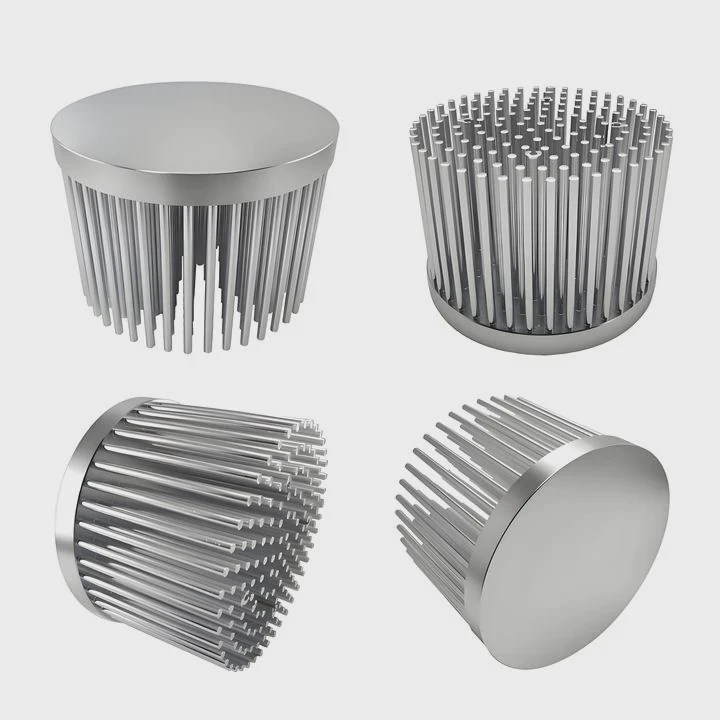
This is why heat sinks include fins, pins, or other extended surfaces.
Higher surface area improves convection cooling.
Airflow Conditions
Air movement strongly affects cooling efficiency.
When air flows smoothly across the heat sink fins, heat removal improves.
Cooling performance depends on:
- Fan speed
- Air direction
- System ventilation
Poor airflow can significantly reduce heat sink performance.
Thermal Resistance
Thermal resistance measures how easily heat moves through a cooling system.
Lower thermal resistance means heat flows more efficiently.
The total thermal resistance includes several stages:
- Device-to-heat-sink interface
- Heat sink conduction
- Air convection
Engineers often analyze thermal resistance during cooling system design.
Mounting and Contact Quality
Proper installation also affects performance.
If the heat sink does not contact the component surface evenly, heat transfer becomes inefficient.
Good mounting pressure and quality thermal interface materials improve heat transfer between the device and the heat sink.
Conclusion
A heat sink plays a crucial role in electronic systems by removing excess heat and maintaining safe operating temperatures. Through conduction, spreading, and convection, heat sinks protect electronic components, improve reliability, and enable modern devices to operate efficiently under increasing power demands.