What Happens If No Heat Sink?
- Yongxing
- 21 Apr ,2026
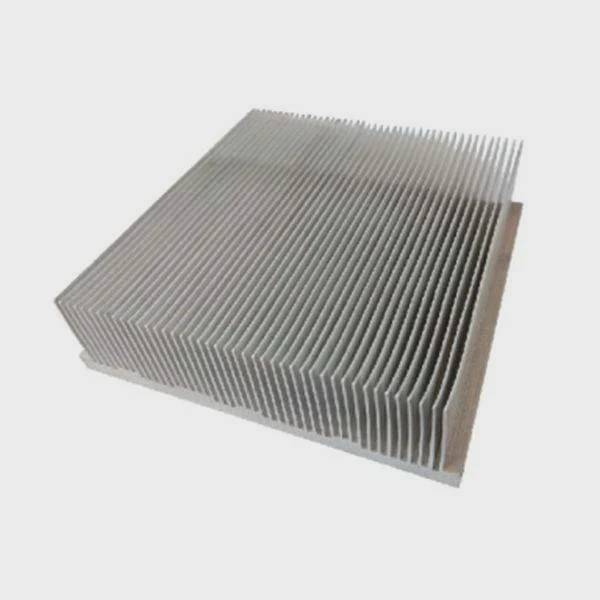
Heat builds silently inside electronics. Most users never see it. Yet it slowly destroys performance and reliability when ignored.
Without a heat sink, electronic components overheat quickly, leading to reduced efficiency, thermal throttling, permanent damage, or total system failure due to uncontrolled heat accumulation.
Heat is invisible, but its impact is real. Once it starts to rise, it spreads fast. Understanding this process helps avoid costly failures and design mistakes.
How does heat buildup affect components?
Heat rises inside devices before most people notice. Performance drops, signals become unstable, and parts begin to degrade without warning.
Heat buildup increases electrical resistance, reduces efficiency, and accelerates material degradation, causing components to perform poorly or fail prematurely.
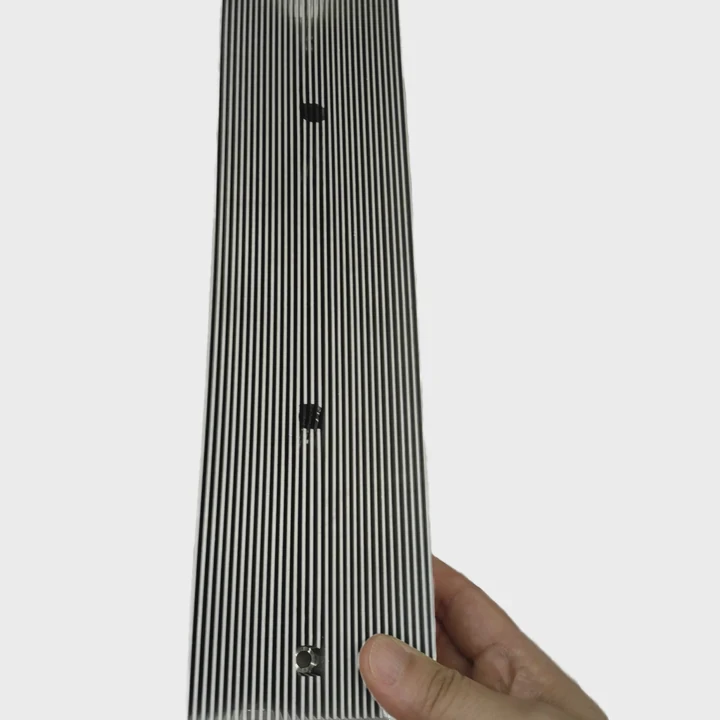
When heat starts to accumulate, the first thing that changes is electrical behavior. Every electronic component has an optimal temperature range. Once it moves outside that range, things start to go wrong.
Electrical Performance Degradation
As temperature increases, resistance inside circuits also increases. This leads to:
- Voltage drops
- Signal distortion
- Slower switching speeds
For example, in power electronics, even a small temperature rise can reduce efficiency by several percentage points. That loss turns into even more heat, creating a loop that worsens over time.
Material Expansion and Stress
Heat causes materials to expand. Different materials expand at different rates. This creates mechanical stress between:
- Silicon chips
- Solder joints
- PCB substrates
Over time, this stress leads to cracks, loose connections, or complete separation.
Thermal Runaway Risk
In some cases, especially in high-power systems, heat buildup triggers thermal runaway. This means:
- Heat increases current
- Increased current generates more heat
- The cycle continues until failure
Impact Overview
| Effect | Result |
|---|---|
| Increased resistance | Lower efficiency |
| Material expansion | Structural damage |
| Signal instability | System errors |
| Thermal runaway | Catastrophic failure |
Real Insight from Practice
In one project involving high-power converters, removing the heat sink for testing caused temperature to rise above safe limits within minutes. The system did not fail instantly. Instead, it slowly lost stability before shutting down.
This slow degradation is more dangerous than instant failure. It gives false confidence while damage is already happening inside.
Why is overheating dangerous for electronics?
Devices often look fine from the outside. Inside, overheating is quietly reducing lifespan and reliability.
Overheating damages internal structures, shortens component lifespan, and can lead to sudden or irreversible electronic failure.
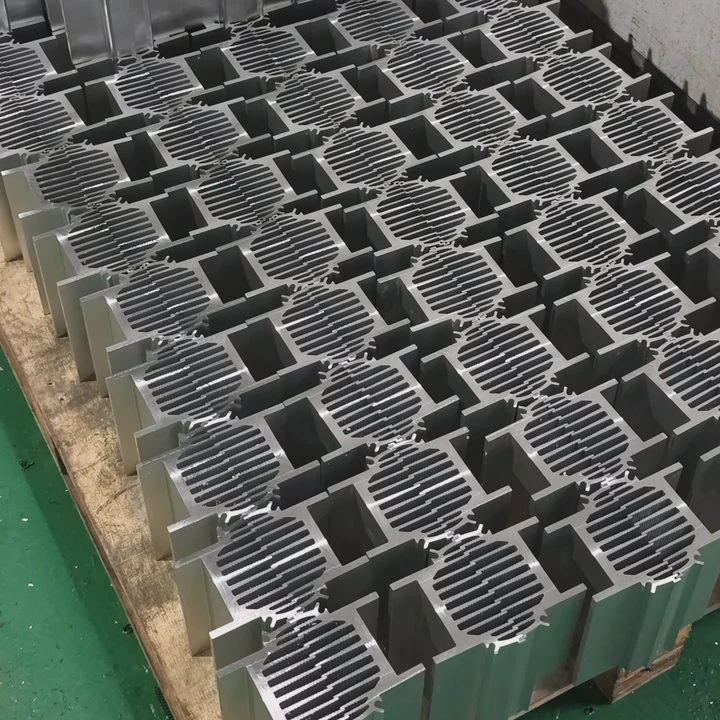
Overheating is not just about high temperature. It is about how long a component stays above its safe limit. Even small increases over time can cause serious problems.
Accelerated Aging
Every 10°C increase above the normal operating temperature can cut component lifespan by half. This is widely observed in:
- Capacitors
- Semiconductors
- Power modules
This means a device designed to last 10 years may fail in just 2–3 years under constant overheating.
Insulation Breakdown
Heat weakens insulation materials. This can lead to:
- Electrical leakage
- Short circuits
- Unexpected failures
Once insulation fails, the damage is often irreversible.
Fire and Safety Risks
In extreme cases, overheating can cause:
- Melting of components
- Burning of PCB materials
- Fire hazards
This is especially critical in high-power systems like:
- EV battery systems
- Industrial inverters
- Power supplies
System Instability
Before total failure, overheating causes instability:
- Random shutdowns
- Data corruption
- Communication errors
These issues are hard to diagnose because they appear inconsistent.
Risk Summary Table
| Risk Type | Description |
|---|---|
| Lifespan reduction | Faster component aging |
| Insulation failure | Electrical shorts |
| Fire hazard | Extreme overheating risks |
| Instability | Unpredictable system behavior |
A Practical Observation
During testing of a compact power module, removing airflow and heat sinks caused intermittent resets. The system still worked, but reliability dropped. Weeks later, permanent failure occurred.
This shows overheating does not always destroy instantly. It weakens systems until failure becomes unavoidable.
Where does damage occur without cooling?
Damage rarely happens in one place. Heat spreads, and multiple weak points begin to fail at the same time.
Without cooling, damage occurs in hotspots such as chips, power transistors, solder joints, and circuit boards due to uneven heat distribution.
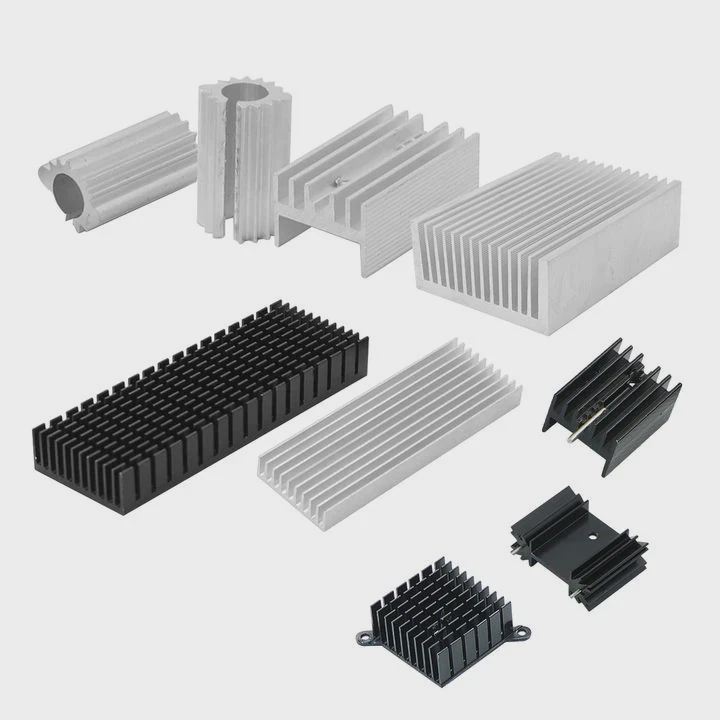
Heat is not evenly distributed across a device. Some areas generate more heat than others. These areas are called hotspots.
Common Hotspot Locations
- CPUs and GPUs
- Power MOSFETs and IGBTs
- Voltage regulators
- High-current traces
These components handle large amounts of energy, so they heat up quickly.
Solder Joint Failure
Solder joints are small but critical. Heat causes them to:
- Expand and contract repeatedly
- Develop micro-cracks
- Eventually fail
This leads to intermittent connections that are very difficult to detect.
PCB Damage
Printed circuit boards also suffer from heat:
- Warping due to uneven expansion
- Delamination of layers
- Burn marks in extreme cases
Once PCB structure is damaged, repair is often not possible.
Chip-Level Damage
Inside chips, overheating can cause:
- Gate oxide breakdown
- Electromigration (movement of metal atoms)
- Permanent transistor damage
These failures are invisible but fatal.
Damage Distribution Table
| Area | Type of Damage |
|---|---|
| Chips | Internal transistor failure |
| Solder joints | Cracking and disconnection |
| PCB | Warping and layer separation |
| Power devices | Burnout and thermal stress |
Engineering Insight
In thermal testing, it is common to see one small area reach critical temperature while the rest of the system looks normal. Without a heat sink, this hotspot becomes the failure point.
Heat sinks are designed not just to cool, but to spread heat evenly. Without them, heat concentrates and destroys the weakest point first.
Which devices fail fastest without heat sinks?
Not all devices react the same way. Some fail almost instantly without proper cooling.
High-power and high-density devices such as CPUs, GPUs, and power electronics fail fastest without heat sinks due to rapid heat generation.
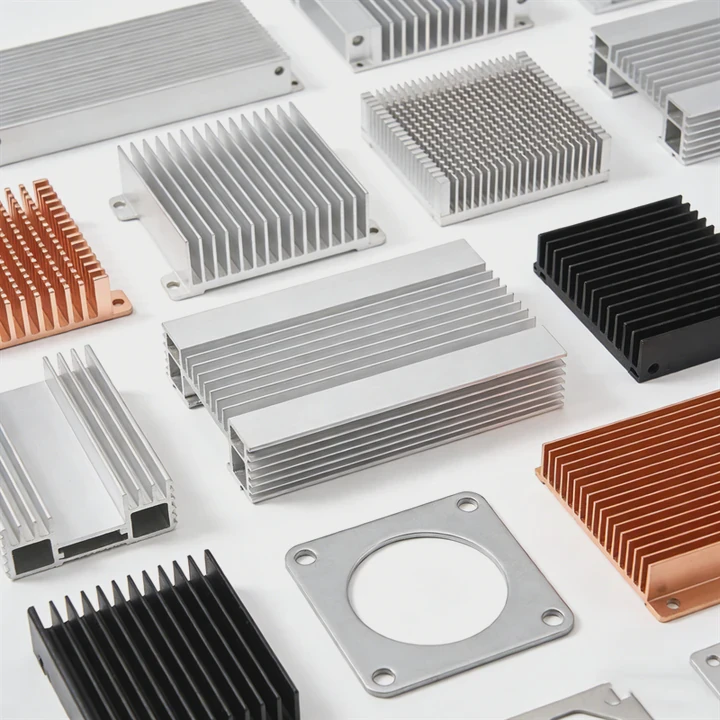
Some electronics are more sensitive to heat because they generate more of it in a smaller space.
Fastest Failing Devices
1. CPUs and GPUs
These components process massive data at high speed.
- Generate intense heat in small areas
- Depend heavily on heat sinks and fans
- Can overheat in seconds without cooling
2. Power Electronics (IGBTs, MOSFETs)
Used in:
- Inverters
- EV systems
- Industrial drives
They handle high current and voltage. Without cooling:
- Junction temperature rises quickly
- Failure can occur within minutes
3. LED High-Power Modules
LEDs are sensitive to temperature.
- Brightness drops with heat
- Color shifts occur
- Lifespan reduces drastically
4. Power Supplies
Switching power supplies generate heat continuously.
- Transformers and switching devices heat up
- Efficiency drops
- Failure risk increases
Device Failure Speed Comparison
| Device Type | Failure Speed Without Heat Sink |
|---|---|
| CPU / GPU | Seconds to minutes |
| Power modules | Minutes |
| LEDs | Minutes to hours |
| Power supplies | Hours |
Why These Devices Fail Faster
The key factors are:
- Power density (heat per area)
- Continuous operation
- Lack of natural cooling
Devices with high power density cannot rely on passive air cooling alone.
Real-World Example
In a test setup, a high-power IGBT module without a heat sink reached critical temperature in under 3 minutes. The device shut down automatically, but repeated tests led to permanent failure.
This shows how little margin exists without proper thermal design.
Conclusion
Without a heat sink, heat builds quickly, damages components, and shortens device life. Proper cooling is not optional. It is essential for performance, safety, and long-term reliability.