What Is the Purpose of a Heat Sink?
- Yongxing
- 13 Mar ,2026
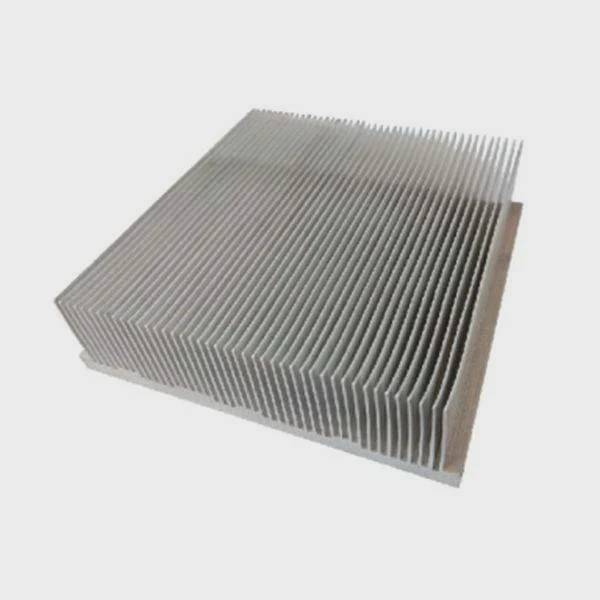
Modern electronics keep getting smaller, yet power keeps rising. Heat builds quickly inside devices. Without control, components fail early. Many engineers face this challenge every day.
A heat sink removes heat from electronic components and spreads it into the surrounding air or cooling system. This process lowers device temperature, prevents overheating, and keeps electronic systems stable, reliable, and long-lasting.
Heat control is one of the most important tasks in electronic design. Power density increases every year. Devices run faster and hotter. A simple piece of metal called a heat sink often becomes the difference between a stable product and a failed one.
How does a heat sink extend component lifespan?
Electronic components do not fail suddenly in most cases. Heat slowly damages them over time. Many engineers underestimate how strongly temperature affects reliability.
A heat sink extends component lifespan by lowering operating temperature. Lower temperature reduces material stress, slows chemical aging, and prevents thermal damage inside electronic components.
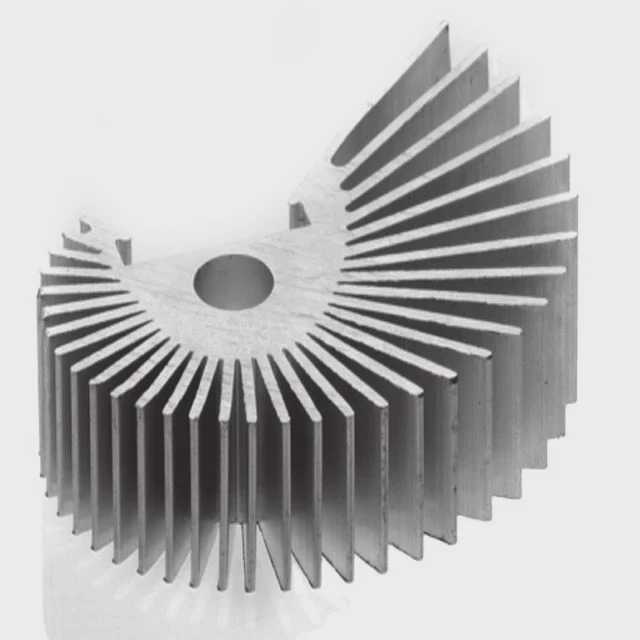
Heat is the silent enemy of electronics. Every semiconductor device generates heat when electrical current flows through it. Transistors, power modules, CPUs, LEDs, and voltage regulators all produce thermal energy. If this heat stays trapped inside the component, internal temperature rises quickly.
The Relationship Between Temperature and Device Life
Component reliability follows a simple rule in electronics engineering. A small rise in temperature can dramatically shorten lifespan.
| Temperature Increase | Estimated Impact on Component Life |
|---|---|
| +10°C | Lifespan may drop by ~50% |
| +20°C | Lifespan may drop by ~75% |
| +30°C | High probability of early failure |
This effect happens because high temperature accelerates physical and chemical changes inside materials.
Why Heat Damages Electronics
Several failure mechanisms occur when temperature becomes too high.
1. Material Expansion and Mechanical Stress
Different materials expand at different rates. Silicon chips, solder joints, and substrates expand unevenly when heated. Over time, this repeated expansion and contraction creates microscopic cracks.
These cracks weaken electrical connections. Eventually they cause intermittent faults or complete failure.
2. Faster Chemical Aging
Heat accelerates oxidation and chemical reactions inside electronic materials. Electrolytic capacitors are a good example. Their internal electrolyte dries faster at high temperatures.
When electrolyte dries out, capacitance drops. The device stops working properly.
3. Increased Electrical Leakage
Semiconductor leakage current rises as temperature increases. This creates more heat, which raises temperature even further. Engineers call this thermal runaway.
How Heat Sinks Solve the Problem
A heat sink increases the surface area that touches air or cooling fluid. More surface area allows heat to escape faster.
The process works in three steps:
- Heat moves from the component to the heat sink base.
- Heat spreads through the heat sink material.
- Heat transfers from fins to air through convection.
This chain lowers the junction temperature of the semiconductor.
Typical Temperature Improvements
| Cooling Method | Temperature Reduction |
|---|---|
| No heat sink | Baseline temperature |
| Passive heat sink | 10–30°C lower |
| Heat sink with fan | 20–50°C lower |
| Liquid cooling | 40–70°C lower |
Lower temperature directly improves reliability. Engineers often say:
Every degree of cooling adds life to electronics.
Why do high-power devices need heat sinks?
High-power electronics generate large amounts of heat. Without proper thermal control, their temperature can reach destructive levels within seconds.
High-power devices need heat sinks because electrical power lost during operation converts into heat. Heat sinks transfer this heat away, preventing overheating and maintaining safe operating temperatures.
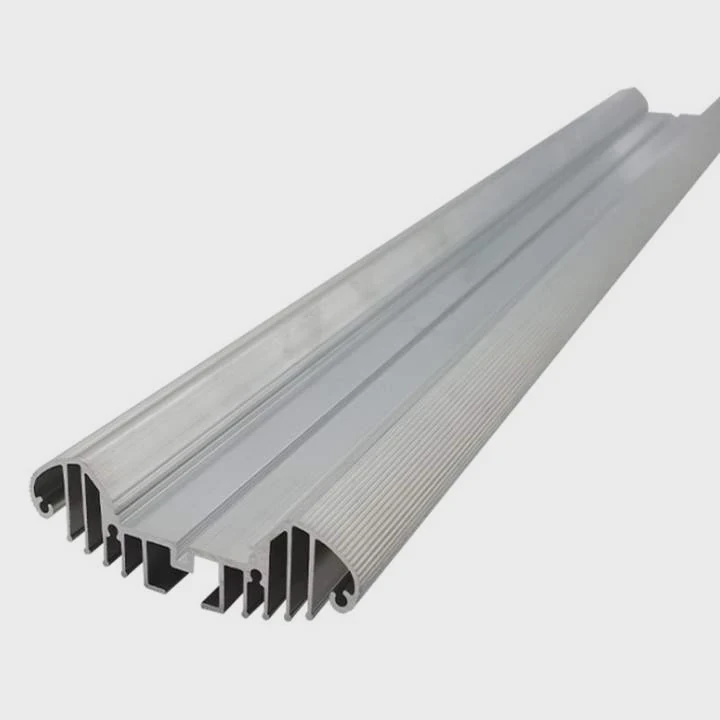
Whenever electricity flows through a device, part of the energy becomes heat instead of useful work. This heat is called power dissipation.
Understanding Power Dissipation
Electrical components rarely operate at 100% efficiency. Some energy always becomes thermal loss.
| Device Type | Typical Efficiency | Heat Produced |
|---|---|---|
| CPU processor | 80–90% | High |
| Power MOSFET | 85–95% | Medium–High |
| LED lighting | 30–40% | Very High |
| Power converter | 85–98% | Medium |
For example, a 100W power device with 90% efficiency still produces 10W of heat.
That heat must go somewhere.
Heat Density in Modern Electronics
Power density in electronics increases every year. Small chips now process massive electrical loads.
High heat density appears in many applications:
- Electric vehicle inverters
- 5G communication base stations
- AI servers and GPUs
- Industrial motor drives
- Renewable energy inverters
These systems may generate hundreds or even thousands of watts of thermal energy.
What Happens Without Cooling
When cooling is insufficient, several dangerous effects appear.
Thermal Shutdown
Many modern chips include temperature protection. If temperature rises above a safe limit, the system shuts down automatically.
This protects hardware but interrupts operation.
Performance Throttling
Processors often reduce clock speed when temperature rises. Performance drops to prevent overheating.
Users experience slower systems.
Permanent Damage
Extreme temperatures may permanently damage semiconductor junctions.
Once this happens, the component must be replaced.
How Heat Sinks Manage High Power
Heat sinks increase heat dissipation capacity by improving three key processes.
Conduction
Heat moves from the component into the heat sink base through thermal interface material.
Spreading
High conductivity metals spread heat evenly across the heat sink.
Convection
Fins increase surface area. Air carries heat away.
Heat Sink Design for High Power Systems
High-power electronics often require advanced cooling structures.
Common solutions include:
| Cooling Solution | Typical Power Range |
|---|---|
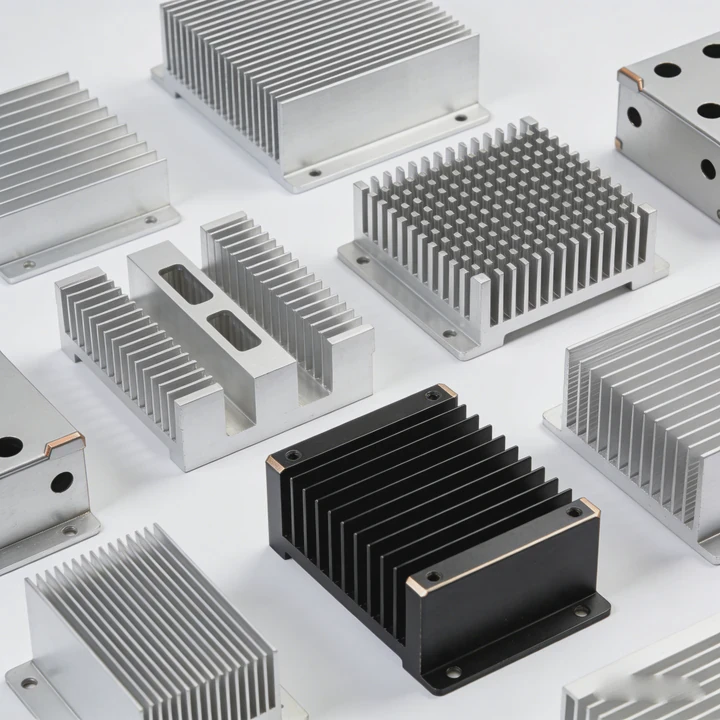
| Extruded aluminum heat sink | 10–200W |
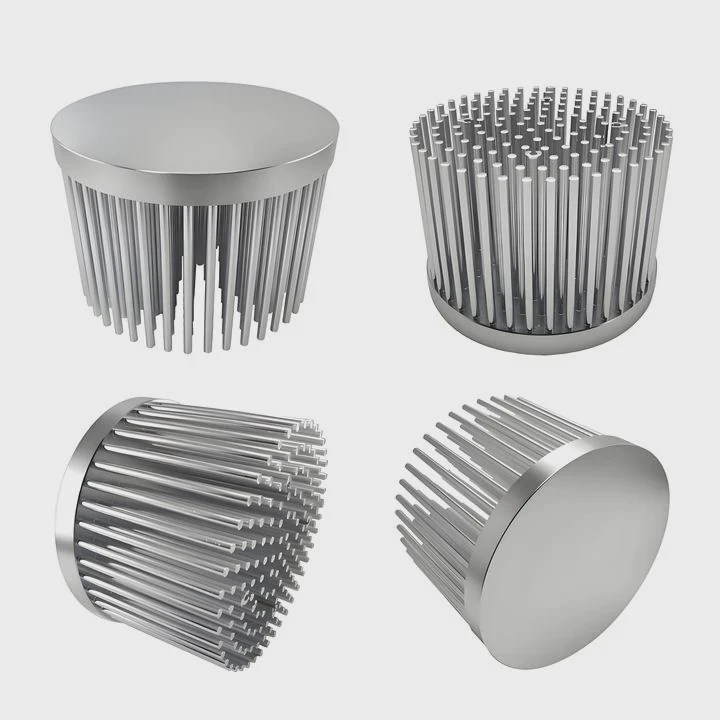
| Skived fin heat sink | 50–400W |
| Vapor chamber heat sink | 100–600W |
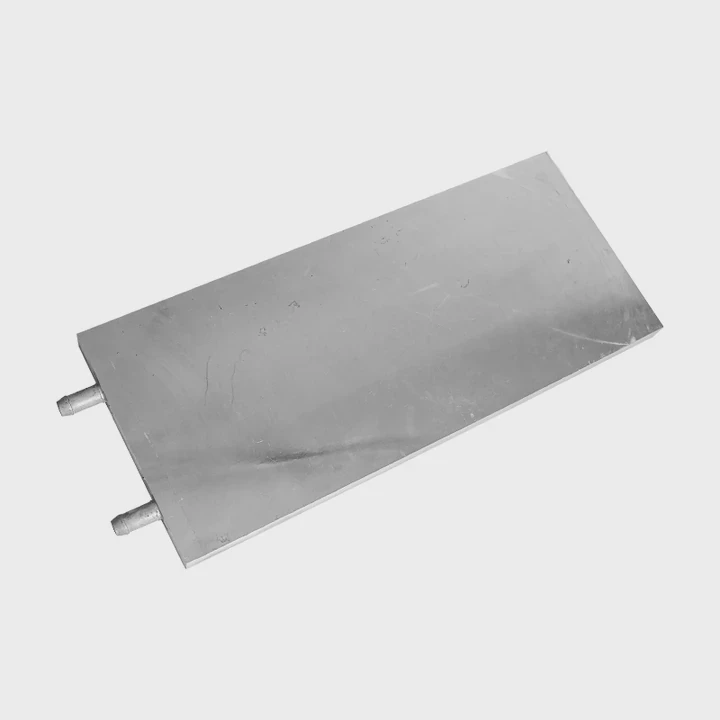
| Liquid cold plate | 300–3000W |
Each solution improves heat removal for higher power densities.
Where are heat sinks installed in electronics?
Many people imagine heat sinks only inside computers. In reality, they appear in nearly every electronic system that handles significant power.
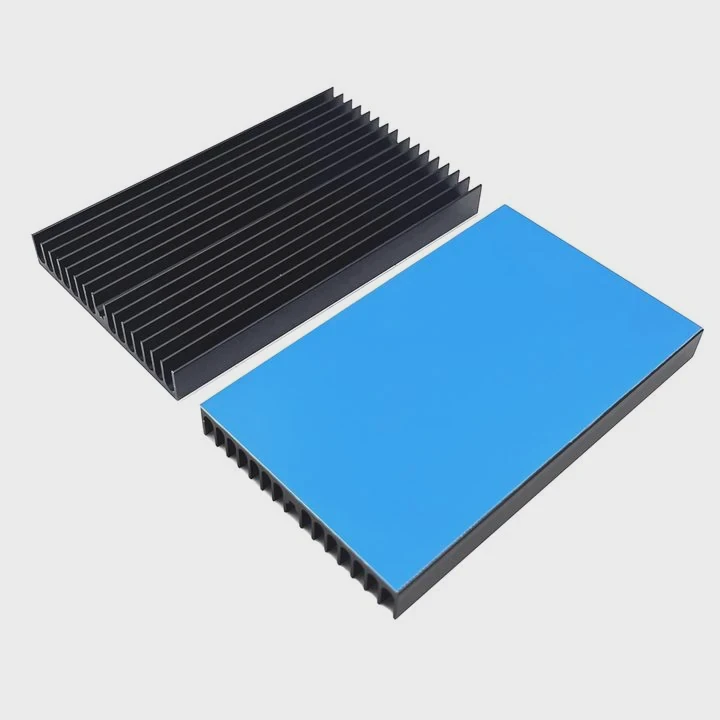
Heat sinks are installed directly on heat-generating components such as CPUs, power transistors, LEDs, power modules, and voltage regulators. They are widely used across computers, vehicles, energy systems, and communication equipment.
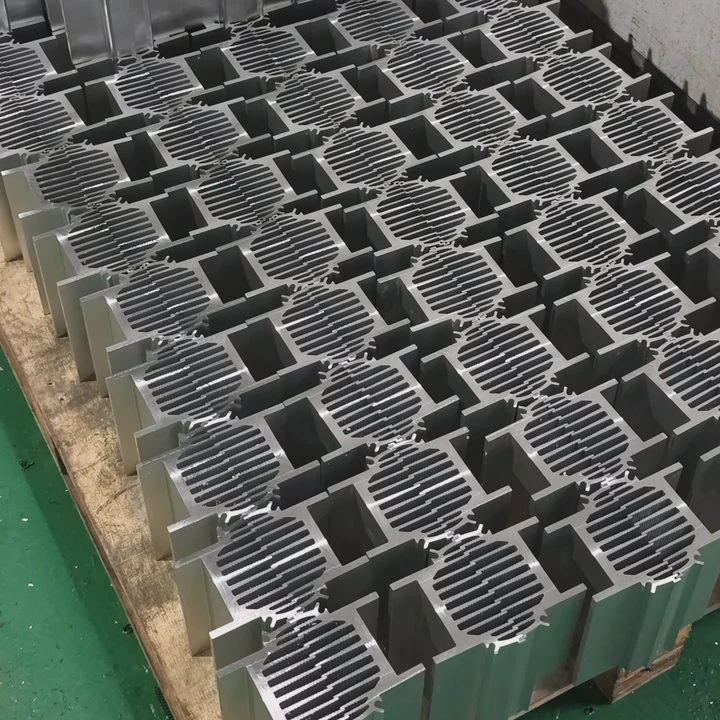
Heat sinks attach to components that produce heat. Engineers place them where thermal energy originates.
Common Electronic Components That Use Heat Sinks
| Component | Application |
|---|---|
| CPU / GPU | Computers and servers |
| Power MOSFET / IGBT | Power electronics |
| LED chips | Lighting systems |
| Voltage regulators | Power supply circuits |
| RF amplifiers | Communication equipment |
Each of these components converts electrical energy into heat during operation.
Heat Sink Locations Inside Devices
Heat sinks often appear in several locations within electronic systems.
Computer Hardware
Desktop computers and servers use heat sinks on processors and graphics cards. High-performance GPUs may include massive fin arrays and cooling fans.
Laptop computers also use heat sinks combined with heat pipes.
Power Electronics Systems
Power converters and motor drivers generate large thermal loads. Heat sinks mounted on power modules prevent overheating.
These systems appear in:
- Electric vehicles
- Industrial automation
- Solar inverters
LED Lighting
LEDs convert only part of electrical energy into light. The rest becomes heat.
Heat sinks remove this heat from the LED junction to maintain brightness and color stability.
Telecommunications Equipment
5G base stations and RF amplifiers generate high heat levels. Large aluminum heat sinks help maintain signal performance.
Mounting Methods for Heat Sinks
Engineers use several methods to attach heat sinks to devices.
| Mounting Method | Typical Use |
|---|---|
| Thermal adhesive | LEDs and small devices |
| Screws with thermal paste | CPUs and power modules |
| Spring clips | Consumer electronics |
| Solder attachment | High-power modules |
Thermal interface materials improve heat transfer between surfaces.
Which properties make metals good heat sinks?
Not every material works well for heat sinks. Metals dominate heat sink manufacturing because of their thermal performance and mechanical properties.
Metals make good heat sinks because they conduct heat efficiently, spread thermal energy quickly, and offer strong mechanical stability for electronic cooling structures.
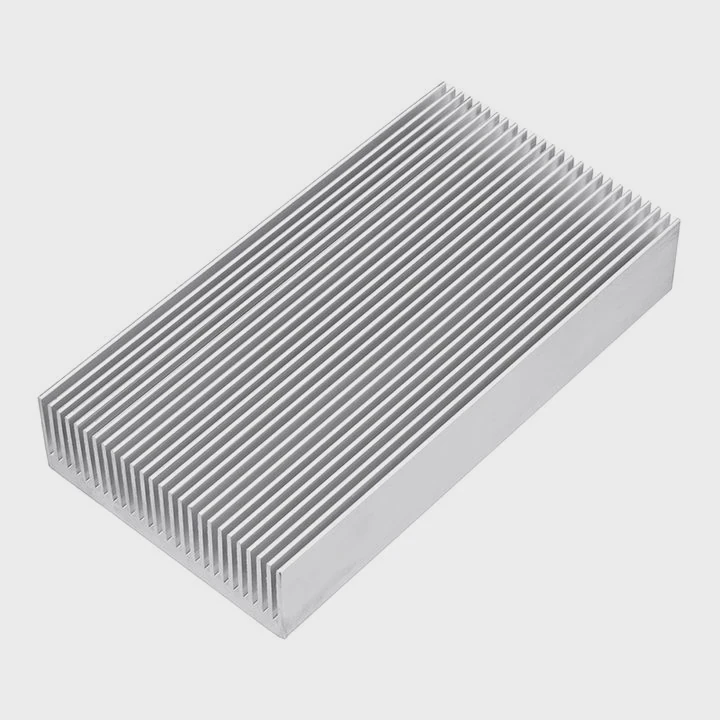
A heat sink material must move heat rapidly away from the source. This property is called thermal conductivity.
Thermal Conductivity of Common Materials
| Material | Thermal Conductivity (W/m·K) |
|---|---|
| Copper | ~400 |
| Aluminum | ~205 |
| Graphite | ~150–500 |
| Steel | ~50 |
| Plastic | <1 |
Higher conductivity means heat spreads faster through the material.
Why Aluminum Is Widely Used
Aluminum dominates heat sink manufacturing for several practical reasons.
Lightweight Structure
Aluminum has low density. This keeps electronic devices lighter.
Easy Manufacturing
Manufacturers can easily shape aluminum using extrusion, CNC machining, or die casting.
Complex fin structures are possible.
Good Thermal Performance
Although copper conducts heat better, aluminum still provides excellent performance for most applications.
Cost Efficiency
Aluminum costs much less than copper. Large heat sinks become affordable.
When Copper Heat Sinks Are Used
Copper offers the highest thermal conductivity among common metals. Engineers choose copper for extreme heat conditions.
Typical uses include:
- High-end CPUs
- High power laser systems
- Semiconductor manufacturing equipment
However, copper is heavier and more expensive.
Key Properties for Heat Sink Materials
A good heat sink material should provide several characteristics.
| Property | Why It Matters |
|---|---|
| High thermal conductivity | Moves heat quickly |
| Low thermal resistance | Improves cooling efficiency |
| Lightweight | Reduces system weight |
| Corrosion resistance | Ensures long life |
| Manufacturability | Allows complex designs |
Advanced Heat Sink Materials
Modern thermal engineering sometimes uses hybrid structures.
Examples include:
- Aluminum heat sinks with copper bases
- Vapor chambers
- Heat pipes
- Graphite sheets
These designs combine different materials to improve heat spreading.
Conclusion
Heat sinks protect electronics by removing excess heat and maintaining safe operating temperatures. They improve reliability, support high-power devices, and appear across nearly all modern electronic systems. Good thermal design keeps equipment stable, efficient, and durable.