Which Heat Sink Is Better Aluminum or Copper?
- Yongxing
- 29 Apr ,2026
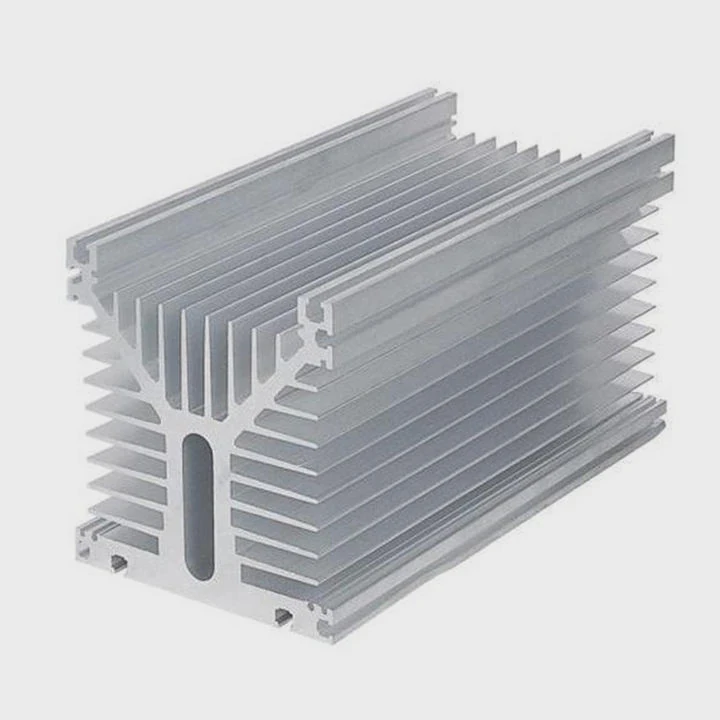
Many buyers face the same problem. They need better cooling, but they must also control cost, weight, and lead time.
Copper often gives better thermal performance, while aluminum usually gives better balance in cost, weight, machining, and scale production. The better choice depends on heat load, space limits, budget, and product goals.
This question sounds simple, but real projects rarely are simple. I have seen many designs fail because the team chose material first and system needs later. A heat sink works as part of a full thermal path. Material matters, but shape, airflow, mounting pressure, and surface area matter too.
How Do Aluminum and Copper Differ in Performance?
Small temperature rises can damage electronics. Many engineers compare only conductivity numbers and miss the full picture.
Copper moves heat faster than aluminum, but aluminum can still perform very well when design uses larger fins, better airflow, and smart geometry. Real performance depends on the whole thermal system.
When people compare metals, they often start with thermal conductivity. That is useful, but it is only one part of the story. Copper usually conducts heat around twice as well as common aluminum alloys. That means heat can spread faster from the base to the fins.
Basic Material Comparison
| Property | Aluminum | Copper |
|---|---|---|
| Thermal Conductivity | Good | Excellent |
| Weight | Light | Heavy |
| Cost | Lower | Higher |
| Machining Ease | Good | Moderate |
| Corrosion Resistance | Good with finish | Can oxidize |
A stronger conductivity number helps when heat is concentrated in a small area, such as a chip hotspot. In those cases, copper can lower base temperature and spread heat more evenly.
Why Conductivity Is Not Everything
A heat sink removes heat in two stages:
- Heat moves through the metal.
- Heat leaves the fins into air or liquid.
If airflow is poor, even the best copper block may not solve the problem. I have seen thick copper sinks underperform because fan flow was weak and fin spacing was wrong.
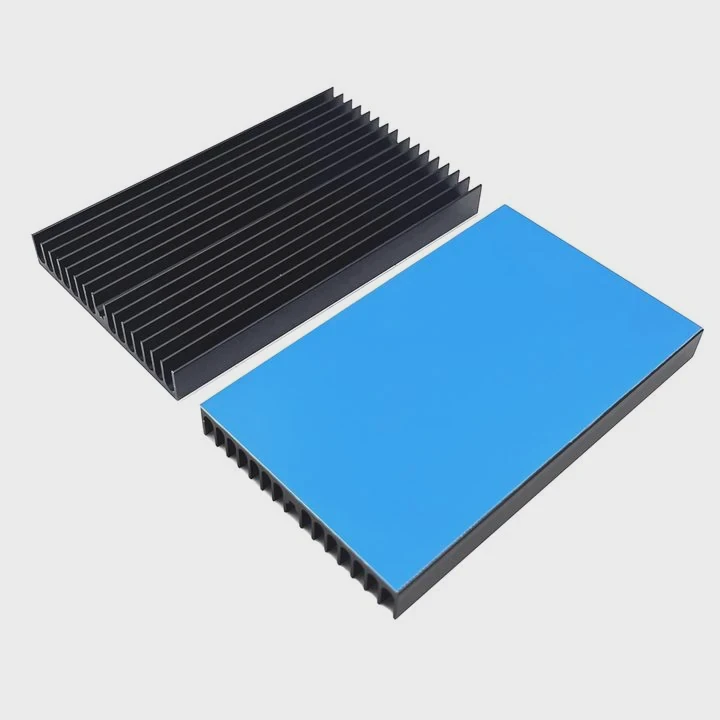
Aluminum helps because it is light and easy to extrude into tall, thin fins. More fin area can increase convection. In many fan-cooled systems, added surface area closes much of the gap with copper.
Weight Changes Performance Too
Heavy copper can stress boards, brackets, and solder joints during shipping or vibration. If mounting pressure changes, thermal interface quality may drop. Then theoretical copper gains may disappear.
Practical View
For many mid-power products, a well-designed aluminum sink performs close enough to copper at much lower cost. For dense hotspots, copper often wins.
The smartest comparison is not “metal A versus metal B.” It is “complete thermal solution A versus complete thermal solution B.” That is the test that matters in production.
Why Is Aluminum More Commonly Used?
Many buyers assume cheaper means weaker. That idea often causes overdesign and wasted budget.
Aluminum is more common because it offers low cost, light weight, easy manufacturing, strong corrosion resistance, and enough cooling performance for many products.
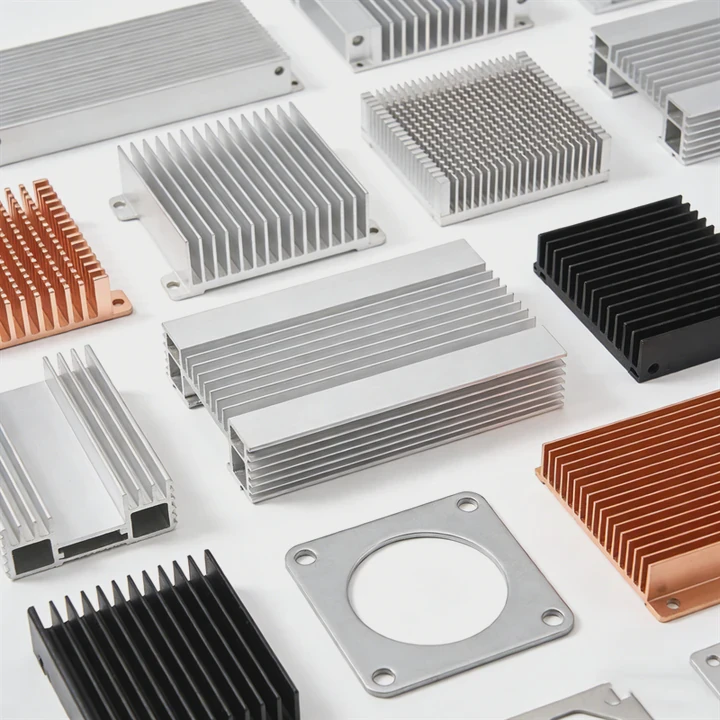
Walk through almost any electronics market and you will see aluminum heat sinks everywhere. There is a clear reason: aluminum solves many business and engineering needs at the same time.
Lower Total Cost
Raw material price is usually lower than copper. That is only the first layer. Aluminum also lowers:
- Shipping cost because it is lighter
- Machining cost in many cases
- Assembly handling effort
- Structural support cost
Many teams compare only metal price per kilogram. That can mislead decisions. Total landed cost often favors aluminum by a wide margin.
Easy Mass Production
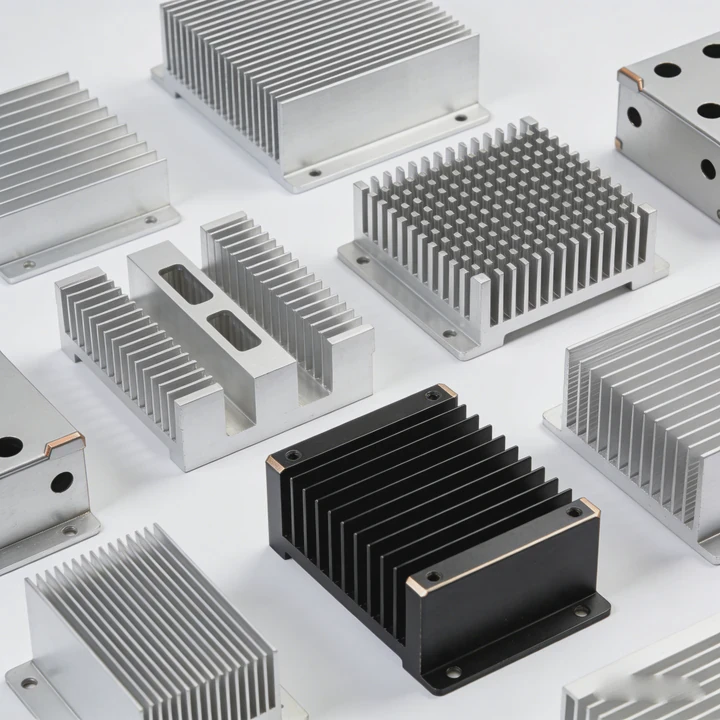
Aluminum extrusion is one of the biggest reasons it dominates the market. Extrusion can create long profiles with repeatable fin structures. Then factories cut them to size and machine details.
That process is fast and scalable. For standard shapes, lead times can be short.
Better Weight Balance
Consumer electronics, telecom boxes, EV modules, and industrial devices all care about weight. Lighter systems are easier to install and ship. In mobile equipment, lower weight can improve energy efficiency.
Surface Treatment Options
Aluminum accepts many finishes:
- Anodizing
- Powder coating
- Chromate treatments
- Custom cosmetic colors
Black anodized surfaces are common because they look clean and can help radiation slightly in some cases.
Why Engineers Keep Choosing It
| Decision Factor | Why Aluminum Wins Often |
|---|---|
| Budget | Lower material and system cost |
| Weight Limit | Much lighter than copper |
| Large Volumes | Extrusion supports scale |
| Design Flexibility | Many shapes and finishes |
| Adequate Cooling | Good enough for many loads |
Real-World Lesson
In many projects, “good enough cooling at better cost” is the winning answer. That is why aluminum is common. It does not mean it is always best. It means it often gives the best overall package.
Where Is Copper Preferred Over Aluminum?
Some devices run hot in tiny spaces. In those cases, average solutions stop working.
Copper is preferred when heat density is high, space is tight, hotspots must spread fast, or designers need maximum thermal performance in a compact volume.
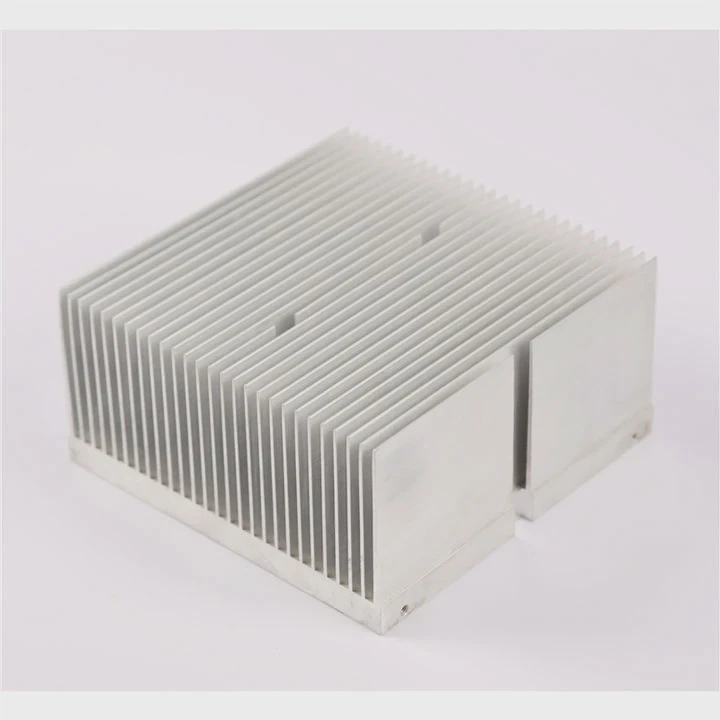
Copper becomes valuable when design limits are severe. If engineers cannot make the sink larger, then each cubic centimeter must work harder.
High Heat Flux Areas
Processors, power semiconductors, lasers, and some RF devices can create strong local hotspots. Heat must spread quickly before junction temperature rises too high.
Copper’s higher conductivity helps move that heat sideways across the base.
Tight Mechanical Space
Sometimes product size is fixed. A server blade, medical device, or rail control unit may have little free room. If fins cannot grow wider or taller, material performance matters more.
In those designs, copper can deliver more cooling from the same footprint.
Hybrid Designs
Many advanced solutions do not use pure copper or pure aluminum. They combine both.
Examples:
- Copper base + aluminum fins
- Vapor chamber + aluminum fin stack
- Copper heat pipe + aluminum body
This approach uses copper where spreading matters most and aluminum where weight and fin area matter most.
Where Copper Often Appears
| Application | Why Copper Helps |
|---|---|
| CPUs / GPUs | Dense hotspots |
| Power Modules | Fast heat spreading |
| Laser Systems | Stable thermal control |
| Telecom RF Units | Compact high load |
| Medical Electronics | Tight reliable cooling |
Important Trade-Offs
Copper is heavier and more expensive. It can also need stronger mounts. In vibration environments, structure review becomes important.
I remember one project where copper reduced chip temperature well, but the enclosure bracket failed vibration tests due to added mass. We changed to a copper base with aluminum fins. Thermal results stayed strong, and structure passed.
Key Buying Insight
Choose copper when temperature margin is critical and space is limited. Choose it for a reason, not for prestige. Metal should solve a measured problem.
Which Material Suits High-Power Applications?
High power sounds like an automatic win for copper. That is not always true.
High-power applications may use copper, aluminum, or hybrid systems. The best material depends on power density, cooling method, allowable weight, and reliability targets.
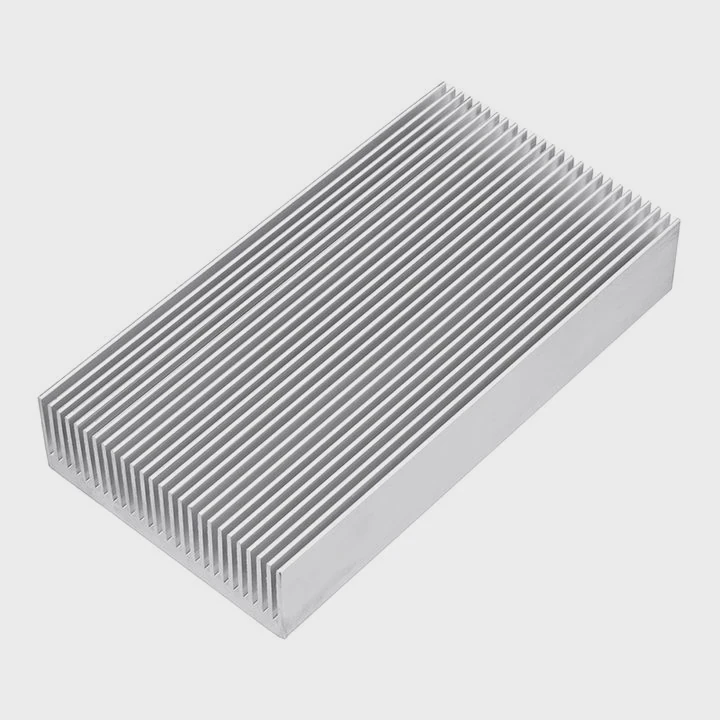
The phrase “high power” needs context. A 500-watt inverter with liquid cooling is different from a 500-watt air-cooled telecom unit. Material choice changes with system design.
When Copper Fits High Power
Copper often suits:
- Small footprints with large heat loads
- Direct contact to semiconductor modules
- Fast spreading near the heat source
- Systems with strict temperature margins
If the base plate is the bottleneck, copper can help greatly.
When Aluminum Fits High Power
Large aluminum assemblies can also manage high power when they use:
- Big fin area
- Strong forced airflow
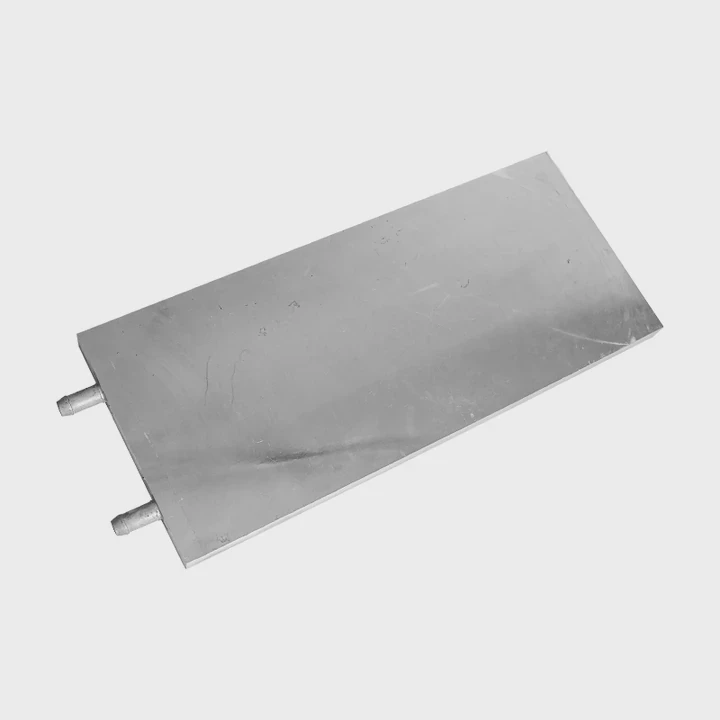
- Liquid cold plate structures
- Extruded or bonded fin designs
Many battery systems, drives, and industrial controllers use aluminum because the system can allocate enough area.
Hybrid Is Often Best
For serious power electronics, I often recommend reviewing hybrid solutions first. They can reduce cost and weight while keeping strong thermal results.
Examples include:
- Copper insert under IGBT or MOSFET zone
- Aluminum liquid cold plate body with copper contact patch
- Vapor chamber linked to aluminum fin pack
Decision Framework
| If Your Priority Is… | Better Direction |
|---|---|
| Lowest Junction Temperature in Small Space | Copper |
| Lowest Weight | Aluminum |
| Best Cost/Performance Ratio | Aluminum or Hybrid |
| Extreme Power Density | Copper or Hybrid |
| Easy Scale Production | Aluminum |
What I Would Ask First
Before choosing metal, I would ask:
- What is the real watt load?
- What is the hotspot size?
- Air or liquid cooling?
- Max allowed temperature?
- Weight limit?
- Annual volume and budget?
Those answers usually reveal the correct path quickly.
Final Engineering Truth
High power does not choose the metal. Physics and constraints choose the metal. Good teams test both options early and compare measured data, not assumptions.
Conclusion
Copper gives stronger thermal performance. Aluminum gives better cost, weight, and production value. For many products, aluminum wins overall. For compact hotspots, copper or hybrid designs often lead. The best heat sink is the one matched to your real operating conditions.