Which surface treatments are available for heat sinks?
- Yongxing
- 08 Aug ,2026
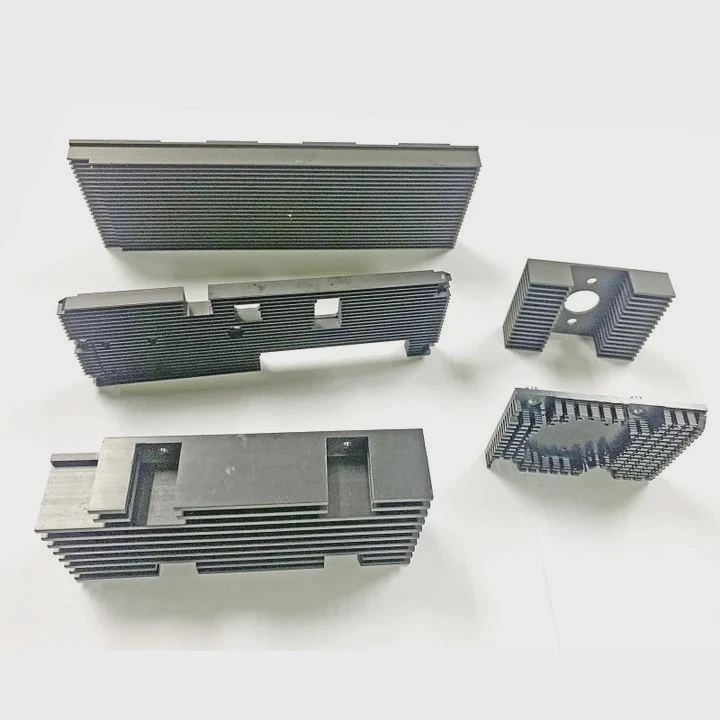
Heat sink performance often fails because surface protection is ignored. Corrosion and wear slowly damage thermal stability in real systems. This creates hidden risks in long-term operation.
Surface treatment is not just a finish layer. It directly affects durability, heat transfer, and system life in industrial applications.
Many engineering projects face early thermal degradation because coating choices are not matched with working environments. This topic needs deeper attention.
Do anodized coatings improve durability?
Anodized coatings often solve corrosion and wear problems in aluminum heat sinks. Many industries rely on them for long service life.
They build a hard oxide layer that protects the metal surface. This layer also improves resistance in harsh environments.
Anodizing is widely used in electronic cooling systems where stability matters more than cost.
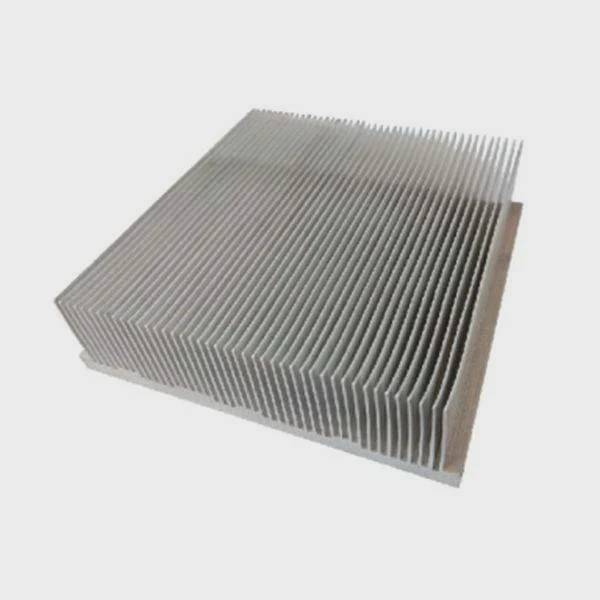
Anodized coatings improve durability in most aluminum heat sinks because they form a controlled oxide layer that resists corrosion and mechanical wear. This layer also keeps the surface stable under temperature cycling and humid environments, which makes it useful for long-term industrial use.
After years of working with thermal management systems, one clear pattern appears. Many failures do not come from core design but from surface degradation. When anodizing is applied correctly, aluminum heat sinks maintain structural stability for a much longer time. This is especially important in systems exposed to outdoor air, salt mist, or industrial dust. The anodized layer also reduces minor surface oxidation that can slowly increase thermal resistance.
Key benefits of anodizing
- Improves corrosion resistance
- Increases surface hardness
- Supports stable long-term thermal behavior
- Reduces oxidation in humid environments
Comparison of surface durability performance
| Surface Type | Corrosion Resistance | Wear Resistance | Thermal Stability |
|---|---|---|---|
| Raw Aluminum | Low | Low | Medium |
| Anodized Aluminum | High | High | High |
| Painted Surface | Medium | Medium | Medium |
From a manufacturing perspective, anodizing is also stable for mass production. It provides repeatable results when process control is strict. However, thickness control is important. Too thick a layer can slightly affect thermal transfer efficiency. Too thin a layer may reduce protection benefits.
In real engineering projects, anodized heat sinks are often used in telecom, power electronics, and outdoor LED systems. These systems require long maintenance cycles and stable performance. Surface protection becomes a critical design factor, not just a finishing step.
Can powder coating enhance corrosion resistance?
Powder coating is often used when both appearance and protection are required. It creates a thick protective layer on the heat sink surface.
This layer blocks moisture, dust, and chemical exposure. It is common in industrial and consumer applications.
Powder coating also supports color customization, which helps product branding.
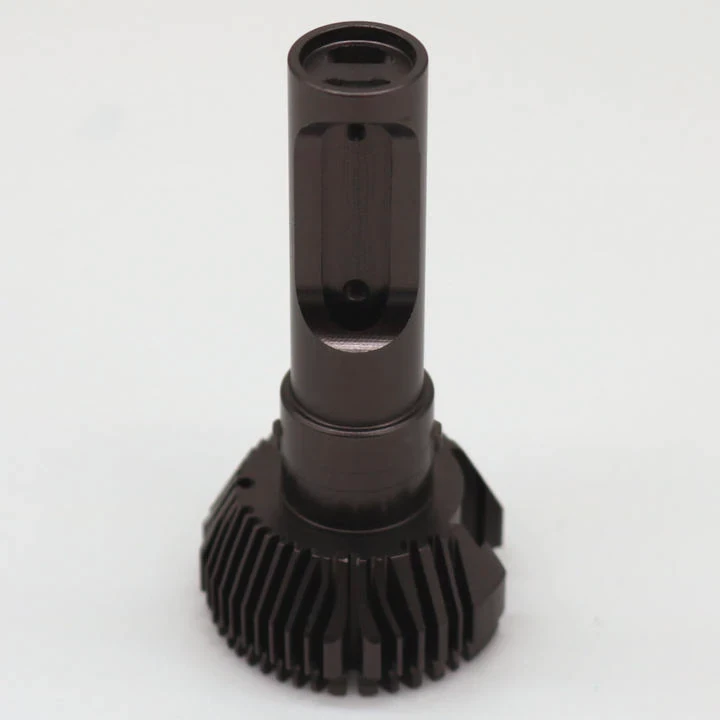
Powder coating enhances corrosion resistance by forming a dense polymer layer that isolates aluminum from air and moisture. It is effective in mild to moderate environments, but its thermal impact must be considered because the coating adds insulation to the surface.
In many projects, powder coating is selected not only for protection but also for visual design. This is important in commercial electronics where product appearance affects market value. However, thermal engineers must evaluate coating thickness carefully. A thick coating can slightly reduce heat transfer efficiency because it adds a thermal barrier between the aluminum surface and air.
When powder coating works best
- Indoor industrial equipment
- Consumer electronics housings
- Light outdoor applications
- Systems with moderate heat load
Common performance trade-offs
| Factor | Advantage | Limitation |
|---|---|---|
| Corrosion Protection | Strong barrier layer | Depends on coating integrity |
| Thermal Performance | Stable in low heat systems | Reduced convection efficiency |
| Aesthetics | High customization options | Surface roughness variation |
Powder coating is also widely used in OEM production. It supports flexible color control and scalable manufacturing. But process control is critical. Poor curing can lead to micro cracks, which reduce protection over time.
From a system design view, powder coating should be used carefully in high-power heat sinks. In those cases, even small thermal resistance changes can affect overall system reliability. Engineers often balance appearance and performance based on final application needs.
Are electropolished surfaces used?
Electropolishing is less common for aluminum heat sinks but is widely used for copper and stainless steel parts.
It improves surface smoothness by removing microscopic peaks. This creates a cleaner and more uniform surface.
It is often used in high-precision thermal and medical systems.
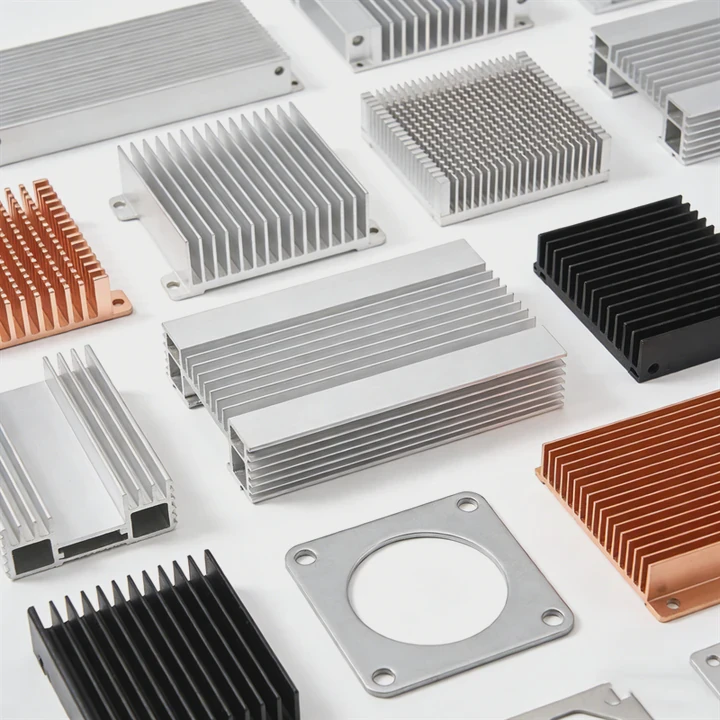
Electropolished surfaces are used in heat sinks when ultra-smooth surfaces are required for performance stability. The process reduces surface roughness and removes micro defects that can increase airflow resistance or local thermal resistance. It is more common in copper-based heat sinks and high-end thermal modules where precision matters more than cost.
In advanced thermal design, surface roughness plays a hidden but important role. Airflow around a heat sink depends on surface texture. A smoother surface can reduce turbulence in some controlled systems, while in others, a slightly rough surface improves heat dissipation by increasing surface interaction with air. This balance depends on application design.
Where electropolishing is applied
- Medical cooling devices
- High-end semiconductor cooling modules
- Precision copper heat spreaders
- Aerospace thermal systems
Surface effect comparison
| Material Type | Before Electropolish | After Electropolish | Thermal Impact |
|---|---|---|---|
| Copper | Rough micro peaks | Smooth surface | More stable |
| Stainless Steel | Irregular texture | Uniform finish | Improved flow |
| Aluminum | Rare usage | Limited benefit | Minimal change |
Electropolishing also helps in cleaning residual contaminants from manufacturing processes. This improves long-term reliability in sensitive environments. However, it is not widely used for large aluminum heat sinks because cost and process limitations are higher.
In industrial production, electropolishing is usually reserved for special components rather than mass heat sink structures. It is selected when precision thermal control is more important than production cost.
Which finishes improve thermal performance?
Surface finish affects both heat transfer and airflow behavior. It is not only about protection but also thermal efficiency.
Different finishes create different airflow patterns around heat sinks.
Engineers must balance protection, airflow, and conductivity.
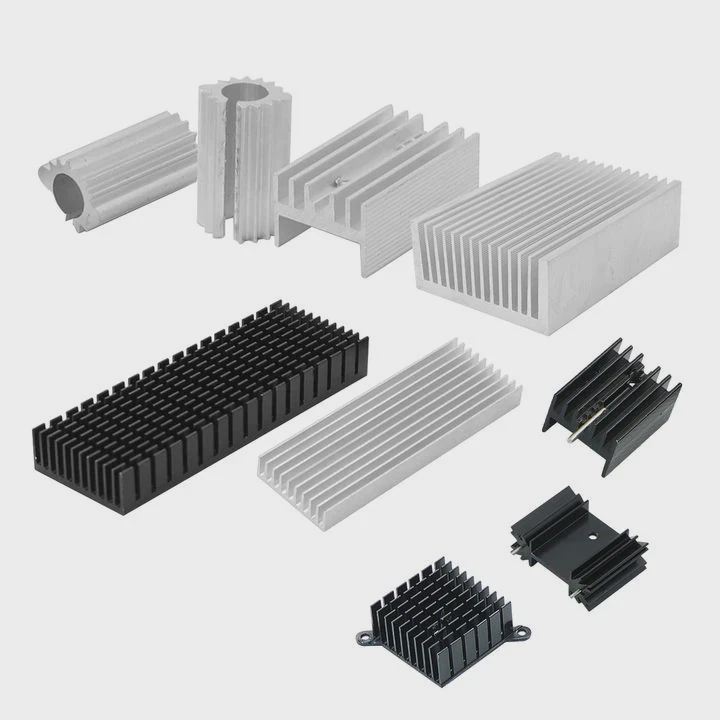
Surface finishes improve thermal performance when they are designed to optimize heat transfer and airflow interaction. The best finish depends on whether the system relies on natural convection, forced air cooling, or liquid-assisted heat transfer. In real engineering systems, surface treatment is always part of the thermal design strategy.
In high-power applications, even small surface changes affect system temperature. A rough surface can increase turbulence and improve air mixing. A smooth surface can reduce resistance but may lower heat exchange in some airflow conditions. This makes surface selection a design decision, not just a manufacturing step.
Common finish types and thermal impact
- Raw machined surface: direct metal contact, high variability
- Anodized finish: stable but slightly insulating
- Powder coated finish: protective but reduces heat transfer
- Micro-textured surface: improves airflow in forced cooling systems
Thermal performance comparison
| Finish Type | Airflow Efficiency | Heat Transfer | Protection Level |
|---|---|---|---|
| Machined Aluminum | Medium | High | Low |
| Anodized Surface | Medium | Medium | High |
| Powder Coating | Low | Medium-Low | High |
| Micro-texture | High | High | Medium |
In real applications, the best finish depends on system environment. For example, telecom base stations often use anodized finishes because they need long-term outdoor durability. Data center cooling systems may prefer optimized surface textures for airflow efficiency.
From a manufacturing perspective, surface finish must also match production capability. Processes like vacuum brazing, extrusion, and CNC machining all create different base surfaces. These surfaces are then modified depending on performance targets.
At a system level, surface finish is part of thermal resistance chain. It interacts with interface materials, airflow design, and structural layout. A well-designed finish can reduce system temperature by improving heat exchange efficiency without changing core geometry.
Conclusion
Surface treatment defines both durability and thermal behavior in heat sinks. The right finish balances corrosion resistance, heat transfer, and system reliability in real applications.
- Pre Which Payment Options Are Available for Heat Sinks?
- Next: Sorry!