why is my heat sink hot?
- Yongxing
- 20 Apr ,2026
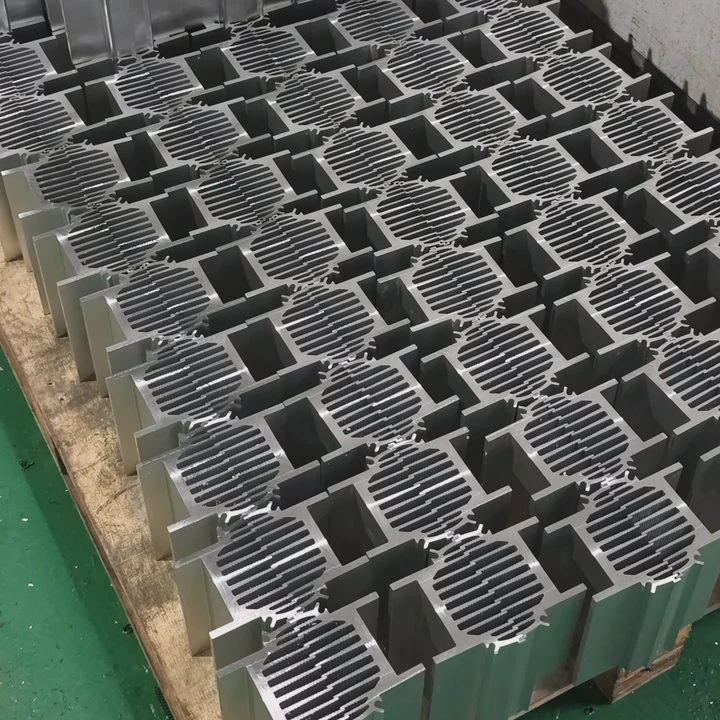
Heat sinks are designed to remove heat. Yet many users feel confused when the heat sink itself becomes hot. This often creates doubt about system safety and performance.
A heat sink becomes hot because it absorbs and transfers heat away from electronic components. This is usually normal, but excessive heat may signal design flaws, poor airflow, or thermal resistance issues.
Understanding this behavior helps avoid wrong assumptions. A hot heat sink is not always a problem. But sometimes it is a warning sign that should not be ignored.
What causes excessive heat in heat sinks?
When a heat sink becomes too hot, many people assume it has failed. That is not always correct. The real issue often comes from the system around it.
Excessive heat in heat sinks is caused by high thermal load, poor airflow, insufficient surface area, or weak thermal contact between components and the heat sink.
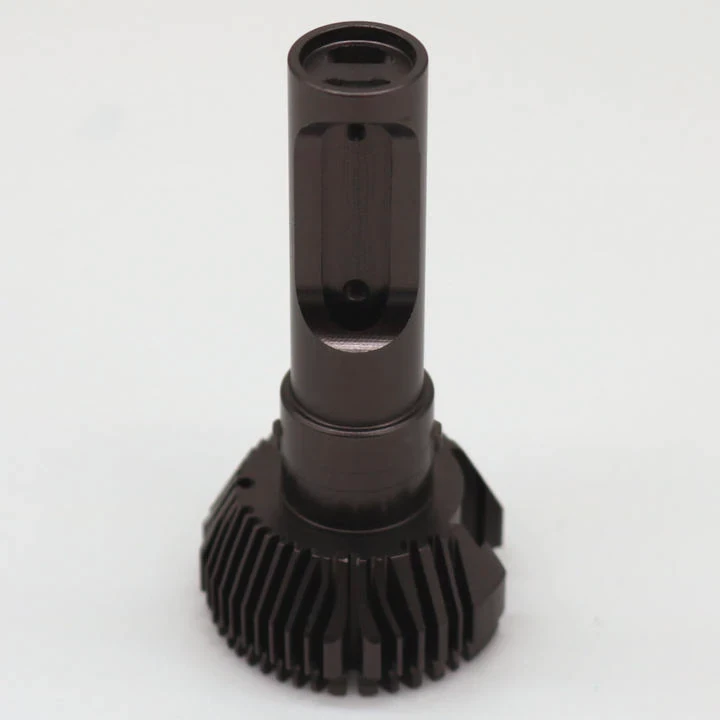
A heat sink works by moving heat from a source into the air. If this process is blocked at any stage, heat builds up quickly.
Heat Load vs Heat Dissipation
The first factor is simple. The device may produce more heat than the heat sink can handle.
| Factor | Description | Impact |
|---|---|---|
| Power density | High watt per area | Rapid heat rise |
| Duty cycle | Continuous operation | Heat accumulation |
| Ambient temperature | Hot environment | Reduced cooling ability |
If the generated heat is higher than the dissipation capacity, the heat sink temperature will rise until equilibrium is reached. In some cases, this temperature becomes unsafe.
Airflow Limitations
Airflow plays a major role. Without enough air movement, heat cannot leave the surface efficiently.
Common airflow issues include:
- Blocked vents
- Weak or failed fans
- Poor enclosure design
Even a well-designed aluminum heat sink will fail if air cannot carry heat away.
Thermal Interface Problems
Another hidden issue is poor contact between the heat source and the heat sink.
This usually comes from:
- Uneven mounting pressure
- Low-quality thermal paste
- Surface roughness
When thermal resistance increases, heat gets trapped at the interface. The heat sink then becomes hotter because it receives delayed and concentrated heat.
Surface Area and Design Limits
Heat sinks rely on surface area to exchange heat with air.
A small or poorly designed heat sink may:
- Have insufficient fin density
- Lack optimized fin spacing
- Use low conductivity material
Quick Comparison
| Design Type | Heat Transfer Efficiency | Risk of Overheating |
|---|---|---|
| Extruded aluminum | Medium | Moderate |
| Skived fin | High | Low |
| Vapor chamber integrated | Very high | Very low |
From experience, many overheating issues are not from material failure but from design mismatch. The heat sink simply does not match the real thermal load.
Why is some heat normal for heat sinks?
Many users expect a heat sink to stay cool. This expectation is incorrect. A working heat sink must be warm or even hot.
Some heat is normal because the heat sink absorbs thermal energy from components and transfers it to the surrounding air as part of its core function.
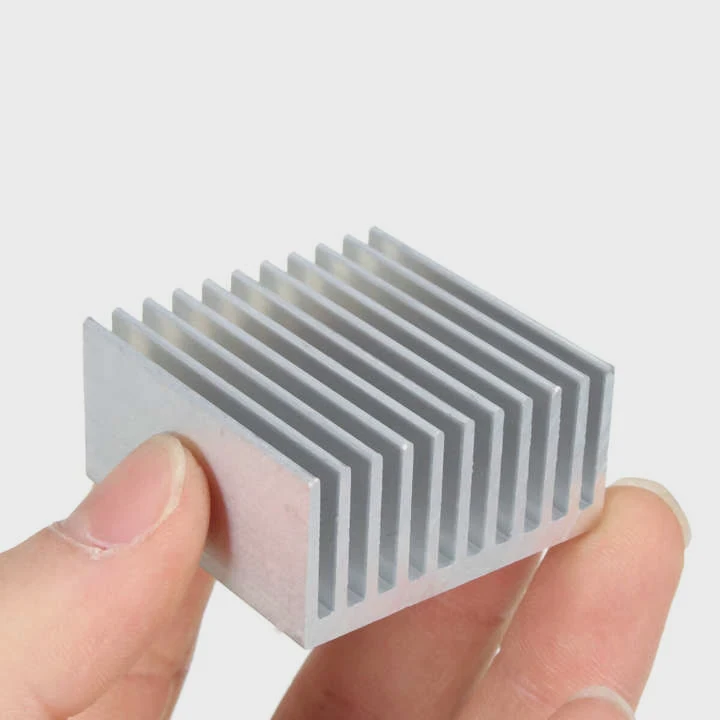
A completely cold heat sink often indicates poor heat transfer, not good performance.
Heat Transfer Principle
Heat moves from high temperature to low temperature. The heat sink sits between the hot component and cooler air.
The process follows three steps:
- Conduction from chip to heat sink
- Spreading inside the heat sink base
- Convection to surrounding air
If the heat sink is not warm, step one may not be working well.
Temperature Gradient Is Necessary
A heat sink needs a temperature difference to push heat flow.
| Component | Typical Temperature |
|---|---|
| CPU / power module | 70–120°C |
| Heat sink surface | 40–80°C |
| Ambient air | 20–35°C |
This gradient drives heat movement. Without it, thermal transfer slows down.
Real-World Observation
In many projects, a slightly hot heat sink often indicates:
- Good thermal contact
- Effective heat transfer
- Stable system operation
On the other hand, a cool heat sink combined with an overheating chip usually means poor contact or interface failure.
Misconception Correction
Some users think:
“Hot heat sink = bad”
In reality:
“Hot heat sink = working heat sink (within limits)”
Safe Temperature Range
| Application | Safe Heat Sink Temperature |
|---|---|
| Consumer electronics | < 70°C |
| Industrial systems | < 90°C |
| High-power modules | < 110°C |
The key is not whether the heat sink is hot, but whether it stays within a safe range.
Where does heat originate in the system?
To solve overheating, it is necessary to understand where heat starts. The heat sink is only the receiver, not the source.
Heat originates from electrical losses inside components, mainly due to resistance, switching, and inefficiencies in energy conversion.
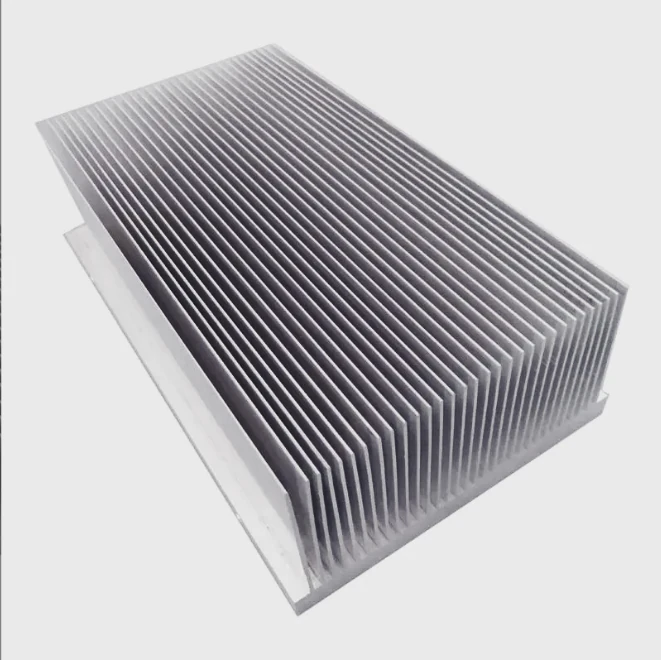
Every electronic system generates heat during operation.
Main Heat Sources
The most common sources include:
- CPUs and GPUs
- Power MOSFETs
- Voltage regulators
- Batteries
- Transformers
These components convert electrical energy. During this process, some energy becomes heat.
Types of Heat Generation
1. Resistive Loss (Joule Heating)
When current flows through resistance, heat is produced.
Example:
- PCB traces
- Semiconductor junctions
2. Switching Loss
In power electronics, switching creates heat.
This includes:
- Turn-on loss
- Turn-off loss
3. Leakage and Inefficiency
No system is 100% efficient. Some energy always converts to heat.
Heat Flow Path
Understanding the full path helps identify bottlenecks:
| Stage | Description |
|---|---|
| Heat generation | Inside chip |
| Interface | Thermal paste / pad |
| Heat sink base | Heat spreading |
| Fins | Heat dissipation |
| Air | Final removal |
If any step fails, heat accumulates upstream.
Hidden Heat Sources
Sometimes, unexpected components create heat:
- Connectors with high resistance
- Poor solder joints
- Overloaded cables
These small issues can increase total system heat significantly.
System-Level View
From practical experience, heat issues rarely come from a single point. Instead, they come from combined effects:
- High power density
- Compact design
- Limited airflow
That is why thermal design must be considered at the system level, not just at the heat sink level.
Which issues lead to overheating?
Overheating does not happen by accident. It is usually the result of multiple small problems adding up.
Overheating is caused by design flaws, poor material choices, airflow restrictions, incorrect installation, or aging components that reduce thermal performance over time.
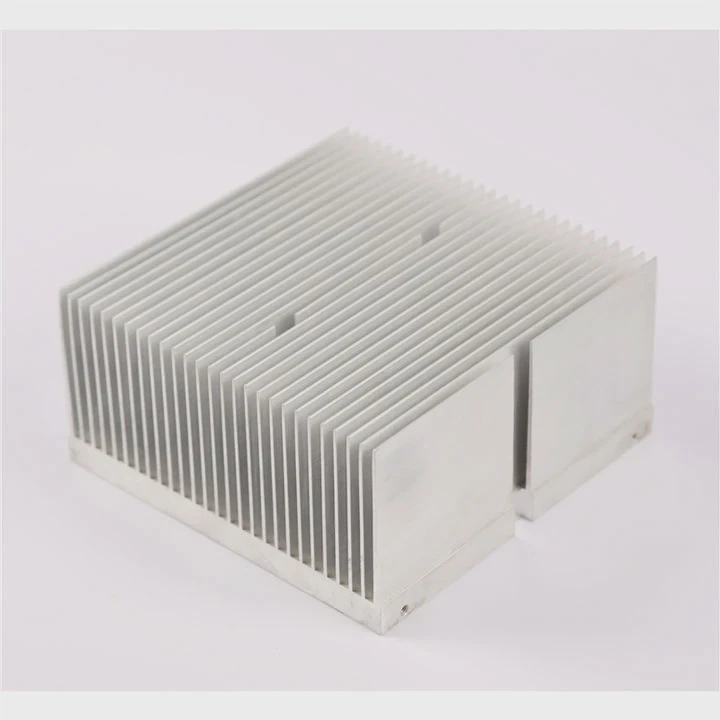
Identifying the root cause requires a structured approach.
Common Design Issues
Undersized Heat Sink
A heat sink that is too small cannot handle the load.
Poor Fin Design
- Too dense → airflow blocked
- Too sparse → low surface area
Installation Problems
Improper installation is a very common issue.
Examples include:
- Uneven mounting pressure
- Missing thermal paste
- Misalignment
These problems increase thermal resistance dramatically.
Environmental Factors
The operating environment matters a lot.
| Condition | Effect |
|---|---|
| High ambient temperature | Reduces cooling efficiency |
| Dust accumulation | Blocks airflow |
| Humidity | Affects material performance |
Aging and Degradation
Over time, materials degrade.
- Thermal paste dries out
- Fans wear out
- Surfaces oxidize
This leads to gradual performance loss.
System Integration Mistakes
Many overheating cases come from poor system integration.
Typical mistakes:
- Heat sources placed too close together
- No airflow path planning
- Ignoring worst-case scenarios
Practical Diagnostic Approach
When facing overheating, the process should be:
- Measure temperature at multiple points
- Check airflow conditions
- Inspect thermal interface
- Compare with design specs
Quick Troubleshooting Table
| Symptom | Possible Cause | Action |
|---|---|---|
| Heat sink very hot, device stable | Normal operation | Monitor |
| Heat sink cool, chip overheating | Poor contact | Reinstall |
| Entire system hot | Airflow issue | Improve cooling |
| Temperature rising over time | Aging | Replace materials |
Real Insight
In many real cases, overheating is not caused by a single failure. It is often:
- 40% design limitation
- 30% airflow issue
- 20% interface problem
- 10% environment
Fixing just one part may not solve the problem completely.
Conclusion
A hot heat sink is often a sign of proper heat transfer, not failure. The real concern is excessive temperature caused by system-level issues. Understanding heat sources, airflow, and thermal design helps prevent overheating and ensures long-term reliability.