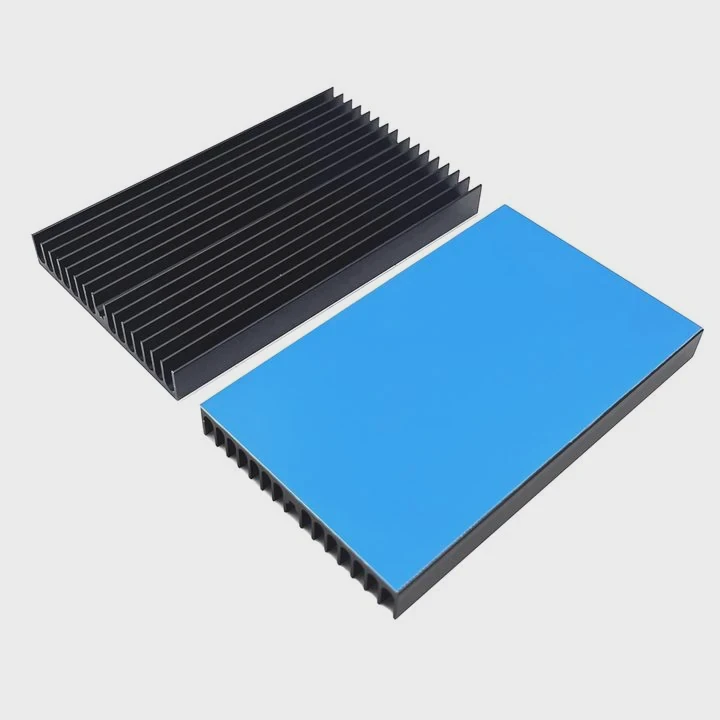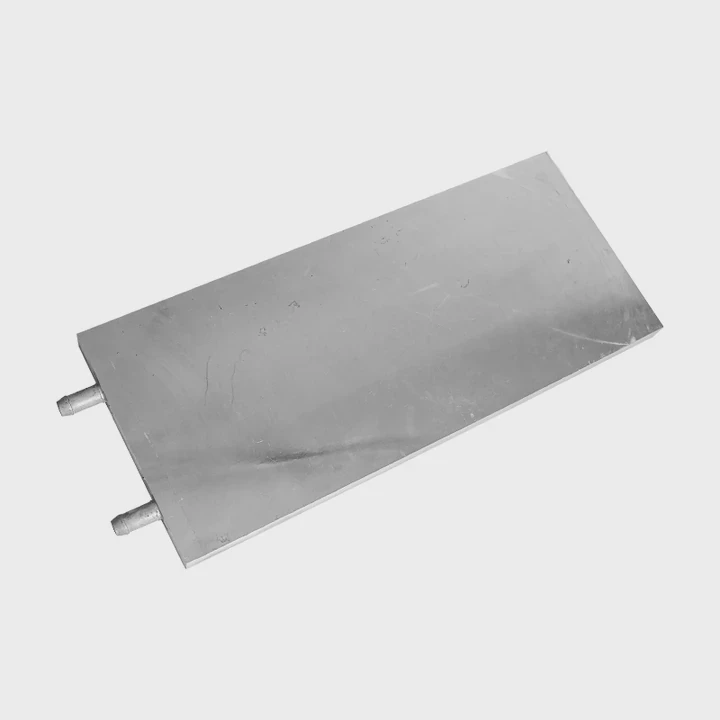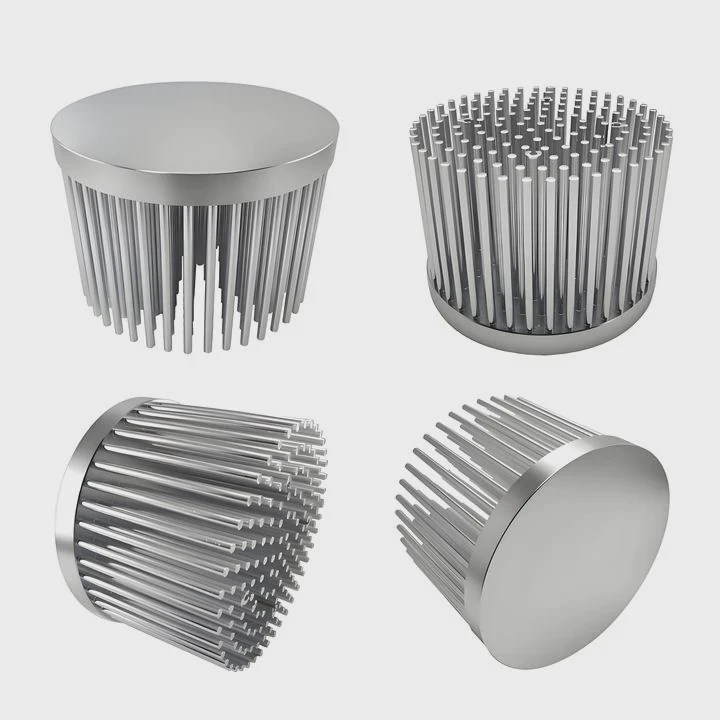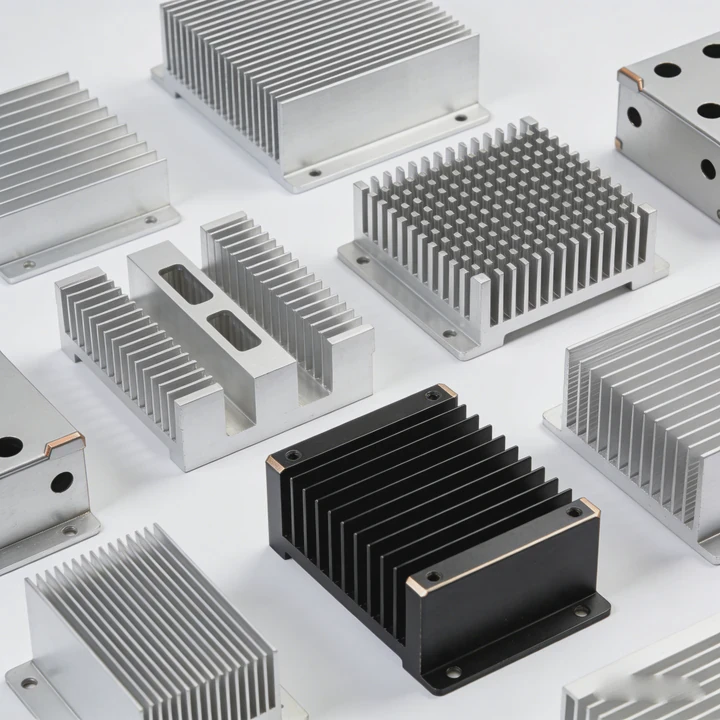
Products Details
| Grade | 6000 Series |
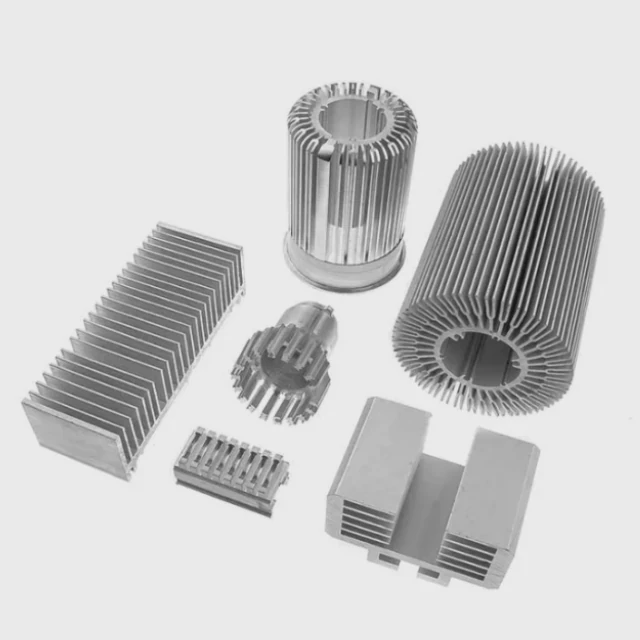
| Shape | Customized |
| Temper | T3~T8 |
| Tolerance | ±1% |
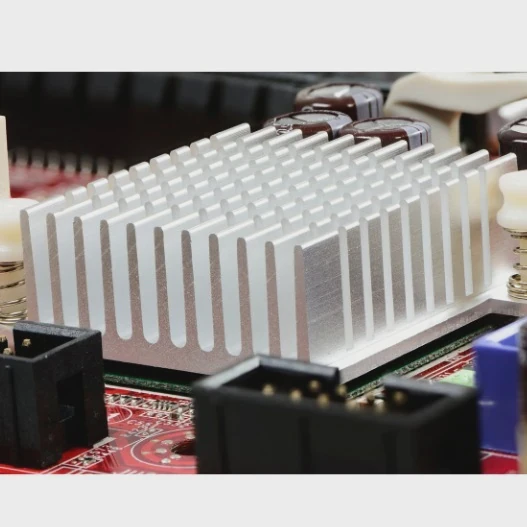
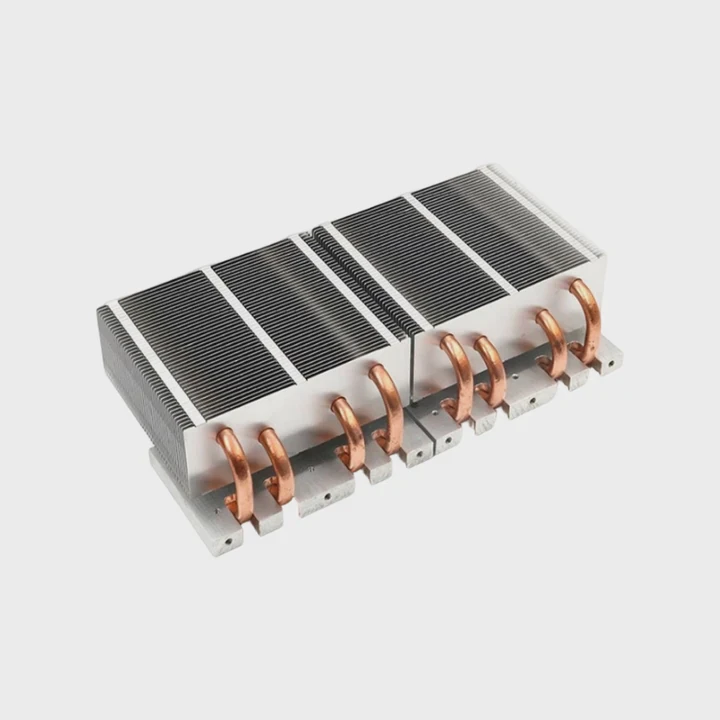
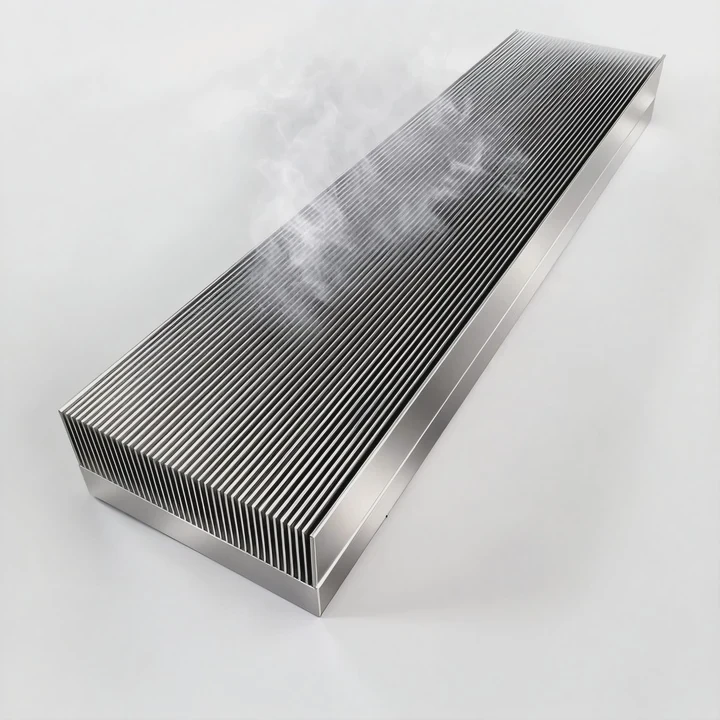
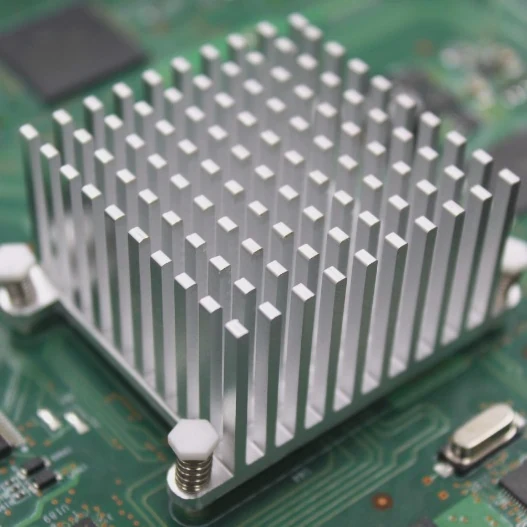
| Application | Heat Sink |
| Processing Service | Welding, Cutting |
| Delivery Time | 22 ~ 30 days |
| Alloy Or Not | Is Alloy |
 +
+
FAQ
1. What is a 6000 Series aluminum heat sink service?
A 6000 Series aluminum heat sink service provides custom aluminum heat sink design, extrusion, and machining for efficient thermal management in electronic and industrial applications.
2. Why choose 6000 Series aluminum for heat sinks?
6000 Series aluminum offers strong thermal conductivity, lightweight performance, corrosion resistance, and excellent machinability for heat sink manufacturing.
3. What applications can use 6000 Series aluminum heat sinks?
6000 Series aluminum heat sinks are widely used in LED lighting, power supplies, automotive electronics, industrial equipment, and communication devices.
4. Can you provide custom aluminum heat sink design?
Yes, custom aluminum heat sink design is available to match your thermal requirements, dimensions, mounting needs, and production goals.
5. Do you support CNC machining for aluminum heat sinks?
Yes, CNC machining for aluminum heat sinks includes cutting, drilling, tapping, milling, and surface finishing for precise assembly.
6. What surface finishes are available for aluminum heat sinks?
Common aluminum heat sink finishes include anodizing, powder coating, polishing, and other protective treatments to improve durability and appearance.
7. Is prototype production available for heat sink projects?
Yes, prototype production is available for aluminum heat sink projects to validate design, thermal performance, and fit before mass production.
8. Can you handle bulk aluminum heat sink manufacturing?
Yes, bulk aluminum heat sink manufacturing is available for stable supply, consistent quality, and cost-effective production at scale.
9. How does a 6000 Series aluminum heat sink improve performance?
A 6000 Series aluminum heat sink improves performance by dissipating heat efficiently, reducing overheating, and helping components operate more reliably.