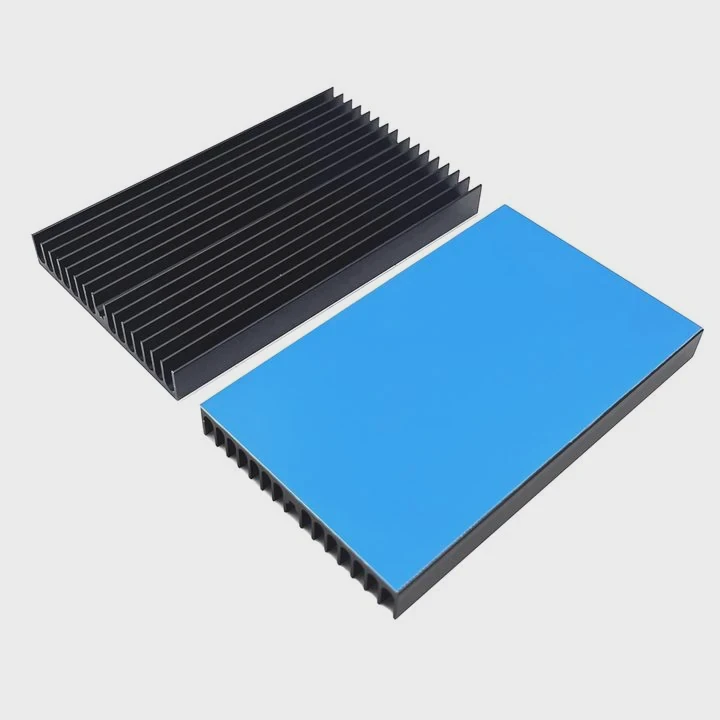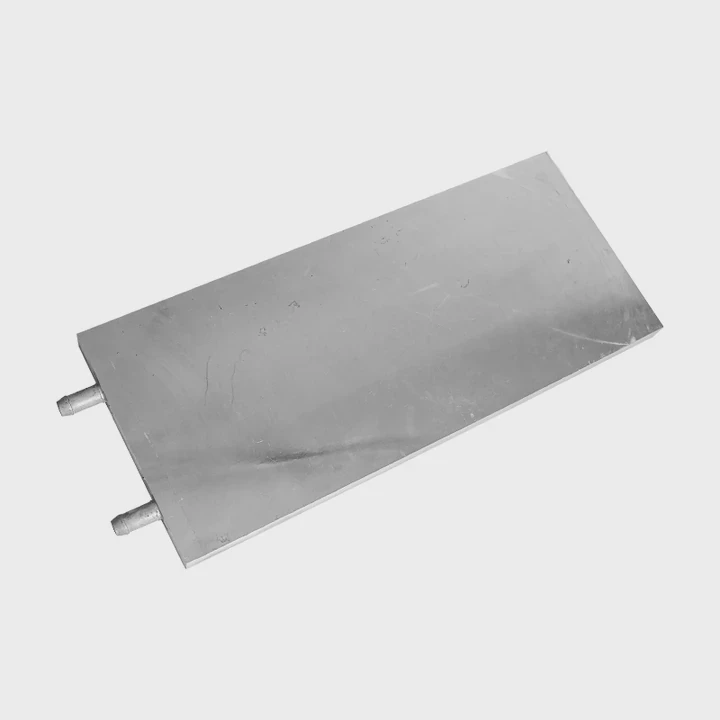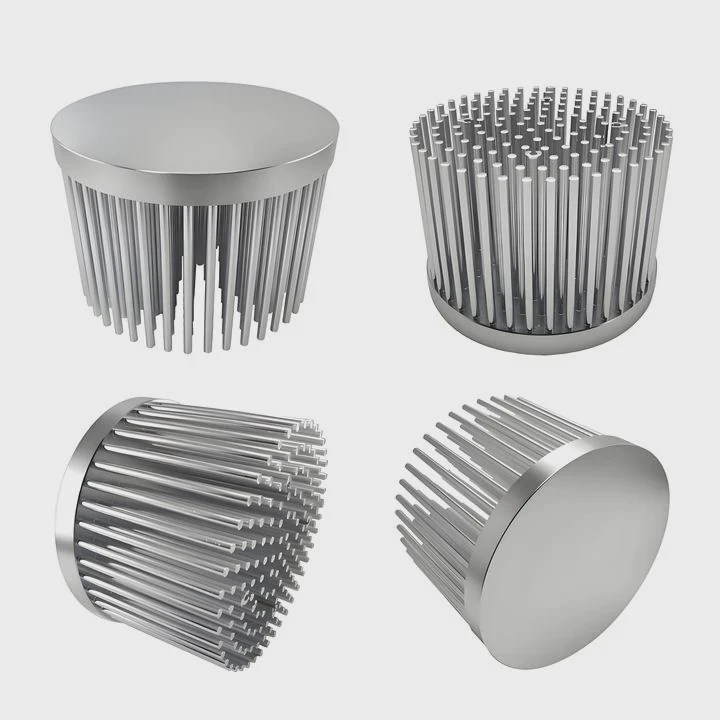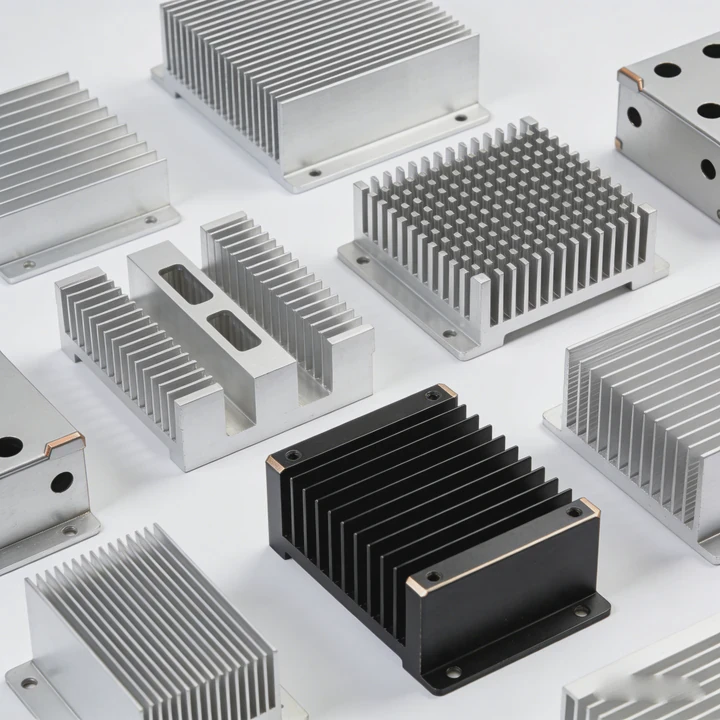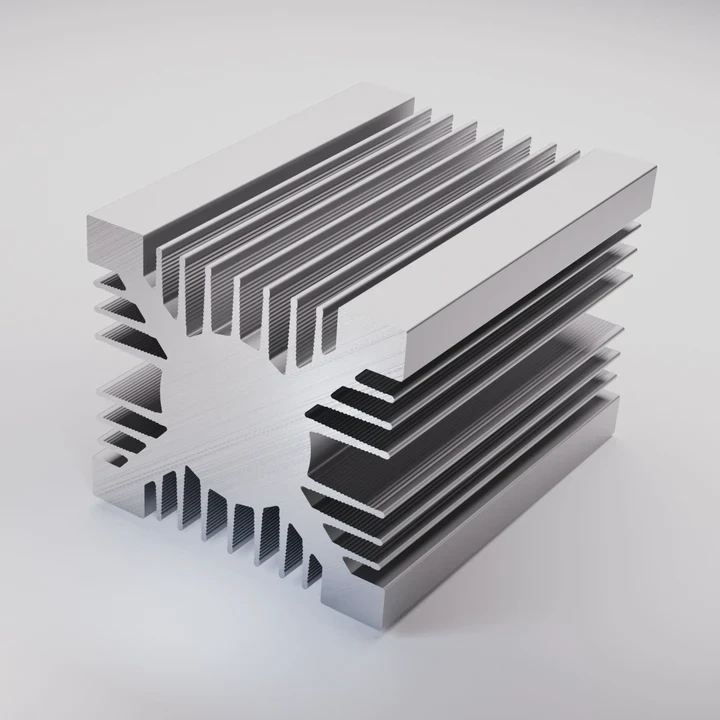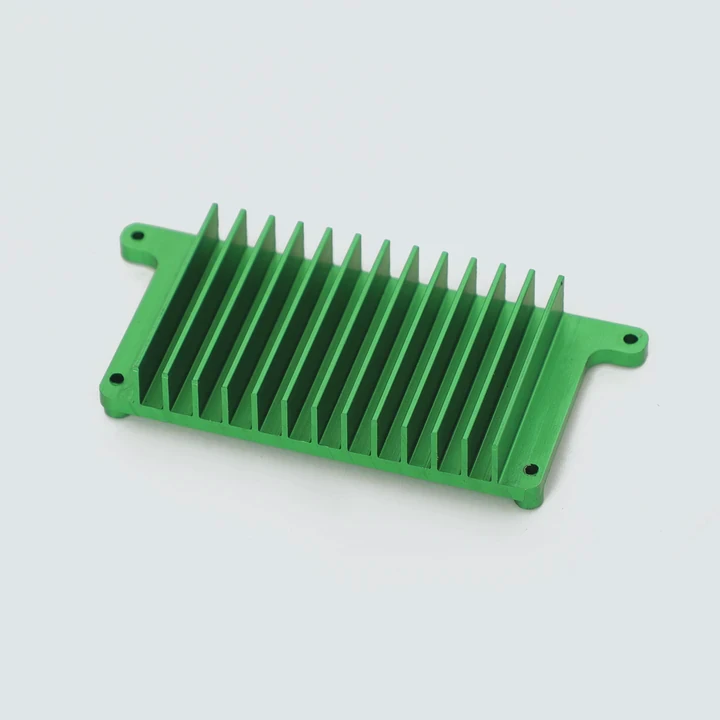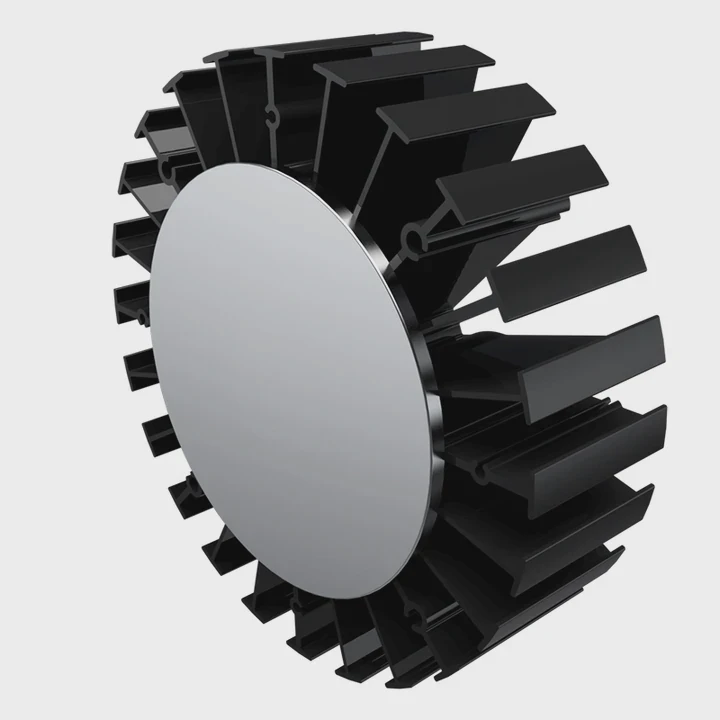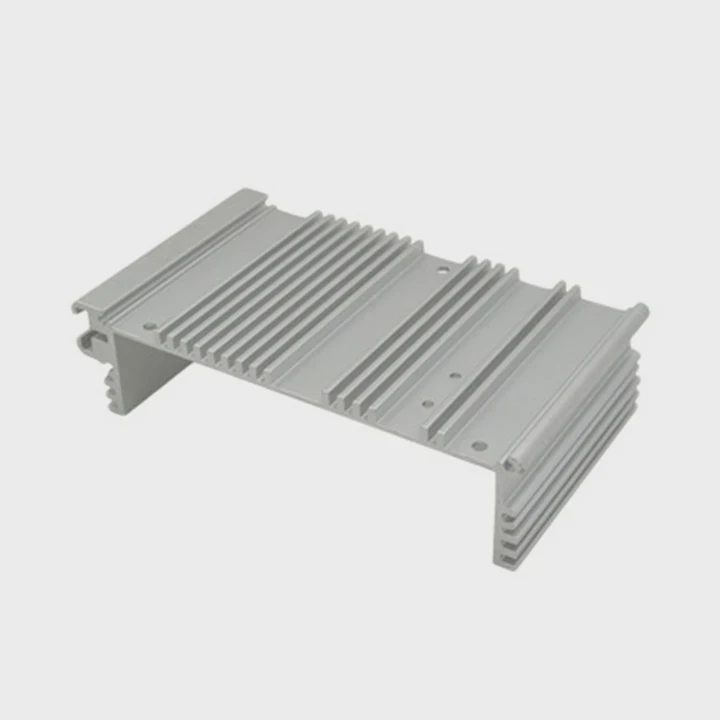
Products Details
| Grade | 6000 Series |
| Shape | Square |
| Temper | T3~T8 |
| Tolerance | ±5% |
| Application | Transportation Tools |
| Processing Service | Bending, Welding, Punching, Cutting |
| Delivery Time | 31 ~ 45 days |
| Alloy Or Not | Is Alloy |
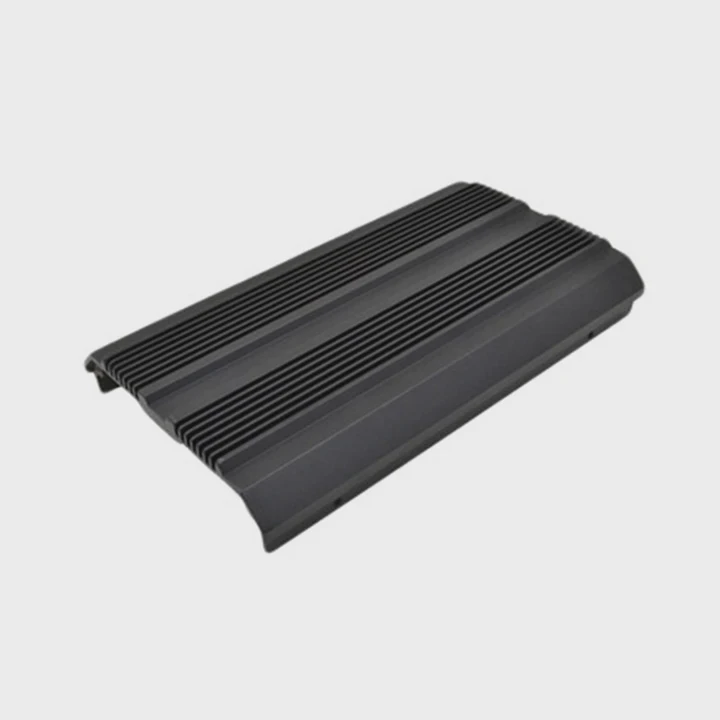
| Product name | Extruded Aluminum Profile |
| Application | 6061 6063 Aluminum Extrusion Profile |
| Color | Customized Color |
| Deep process | Punching Driling Precison Cutting CNC |
| Surface treatment | Anodizing |
| Feature | Durable |
| Service | OEM ODM Customised |
| Packing | Poly Bag + Inner Box + Carton |
| Function | Enclosure Heat Sink |
| Style | Personalized Customization |
 +
+
FAQ
1. What is an aluminum heat sink used for?
An aluminum heat sink is used to dissipate heat from industrial machines, power electronics, and other components to improve thermal management.
2. Why choose an aluminum heat sink for industrial machines?
An aluminum heat sink offers excellent thermal conductivity, lightweight construction, and durable performance for industrial machine cooling.
3. How does an aluminum heat sink improve machine performance?
An aluminum heat sink improves machine performance by reducing overheating, stabilizing temperatures, and protecting critical components.
4. Can this aluminum heat sink be customized?
Yes, custom aluminum heat sink designs can be made for specific industrial machines, thermal loads, and installation requirements.
5. Is aluminum a good material for heat sink applications?
Yes, aluminum is a strong choice for heat sink applications because it is lightweight, cost-effective, and highly conductive.
6. What industries use aluminum heat sinks?
Aluminum heat sinks are widely used in automation, manufacturing, power electronics, industrial control systems, and machinery cooling.
7. How do fins help an aluminum heat sink work better?
Fins increase the surface area of the aluminum heat sink, allowing more heat to dissipate into the surrounding air.
8. Can aluminum heat sinks help extend equipment life?
Yes, an aluminum heat sink helps extend equipment life by lowering operating temperatures and reducing thermal stress on components.