Products Details
| Grade | 6000 Series |
| Shape | Square |
| Temper | T3~T8 |
| Tolerance | ±1% |
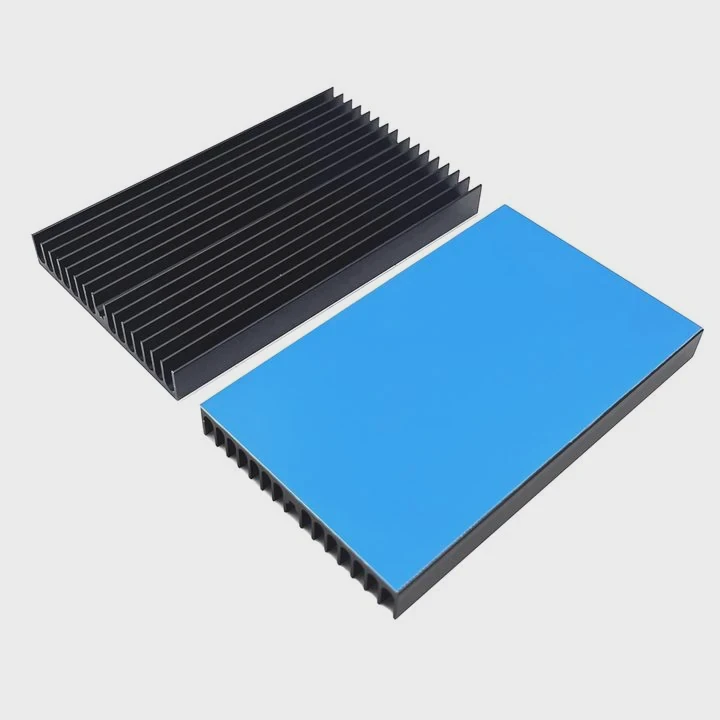
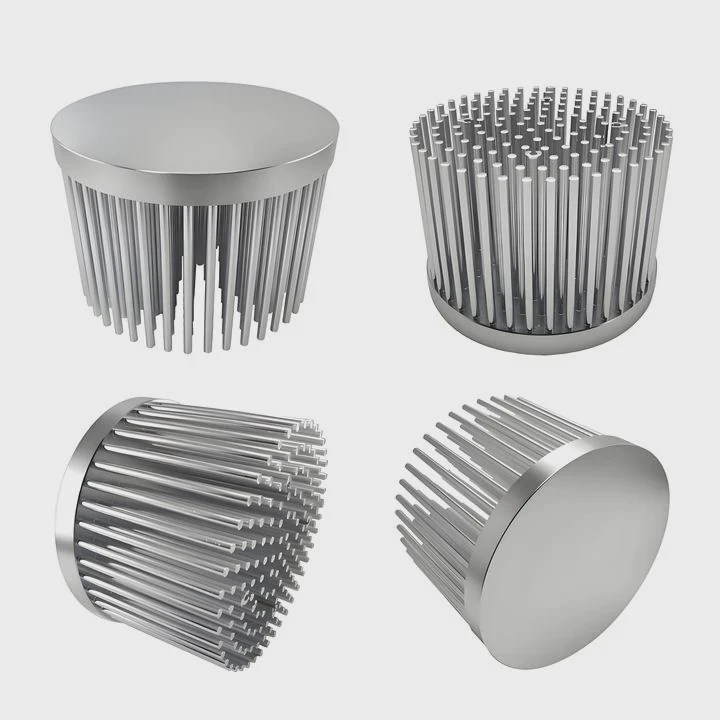
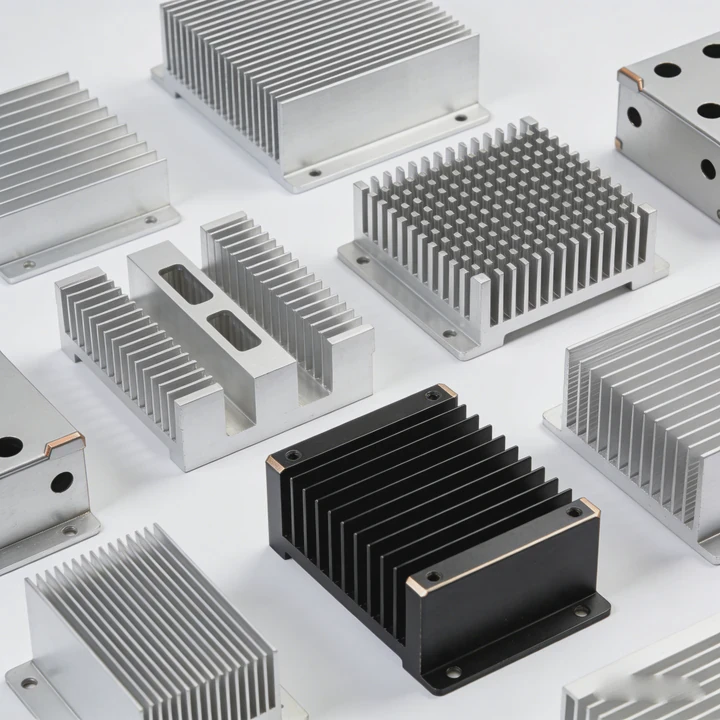
| Application | Heat Sink |
| Processing Service | Bending, Decoiling, Welding, Punching, Cutting, Skiving fin, Roll fin, Epoxy, Flying |
| Delivery Time | 15-21 days |
| Alloy Or Not | Is Alloy |
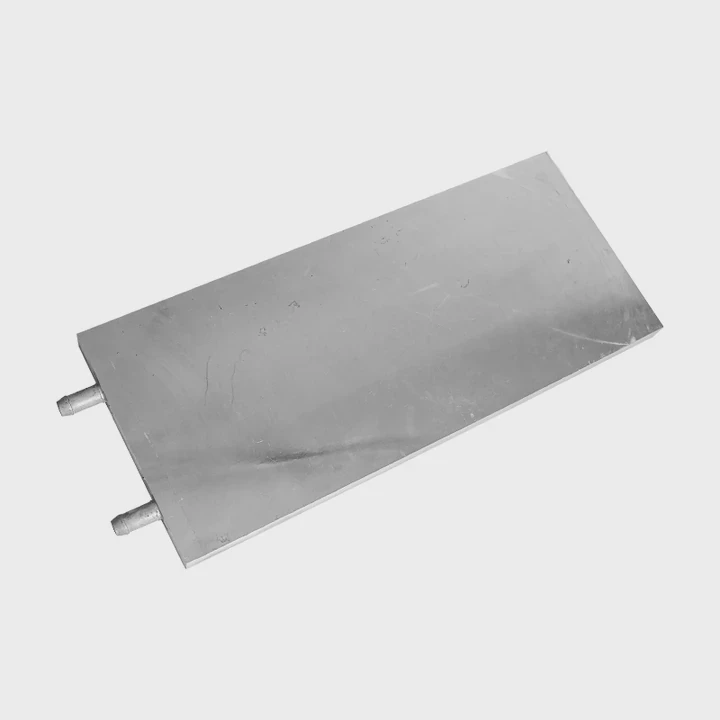
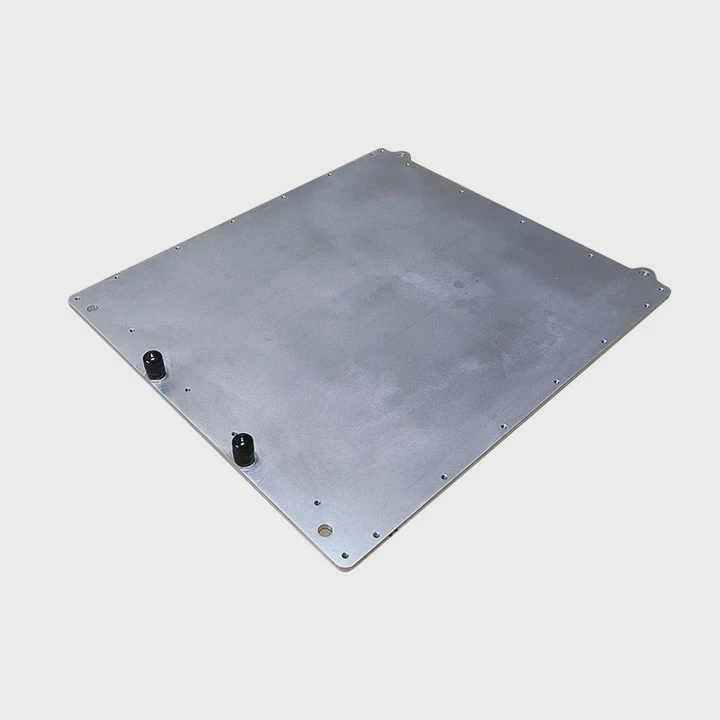
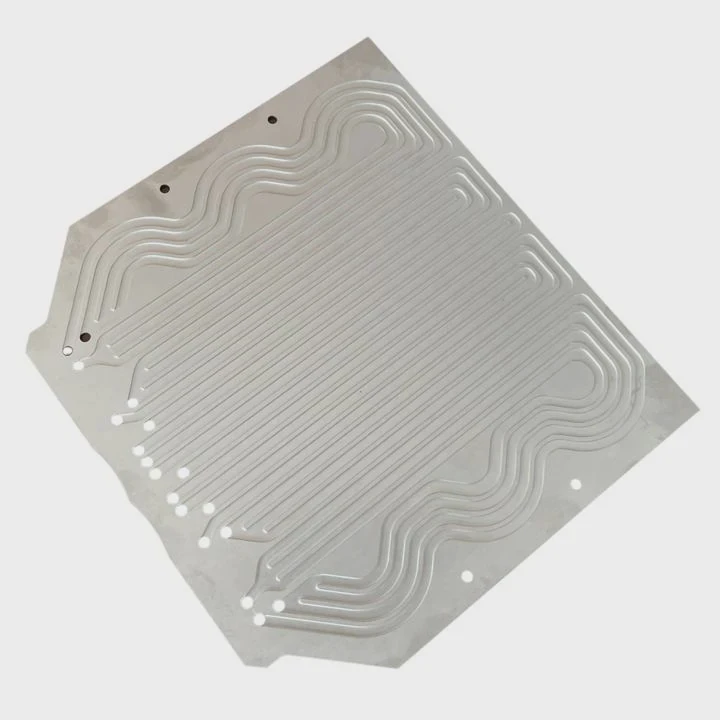
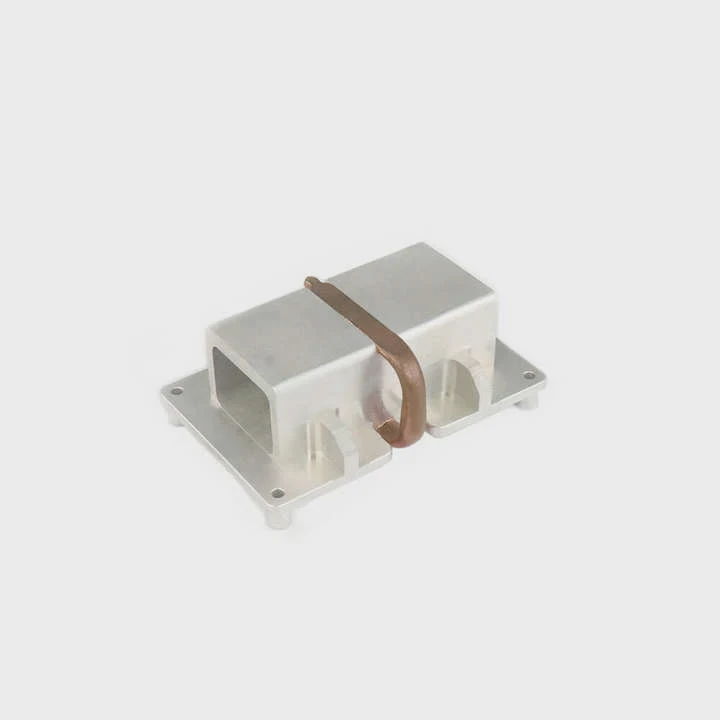
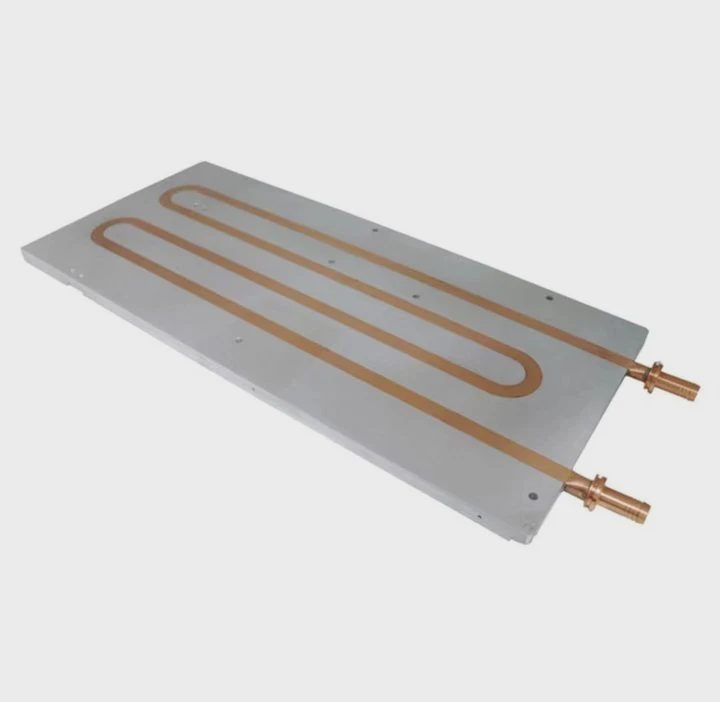
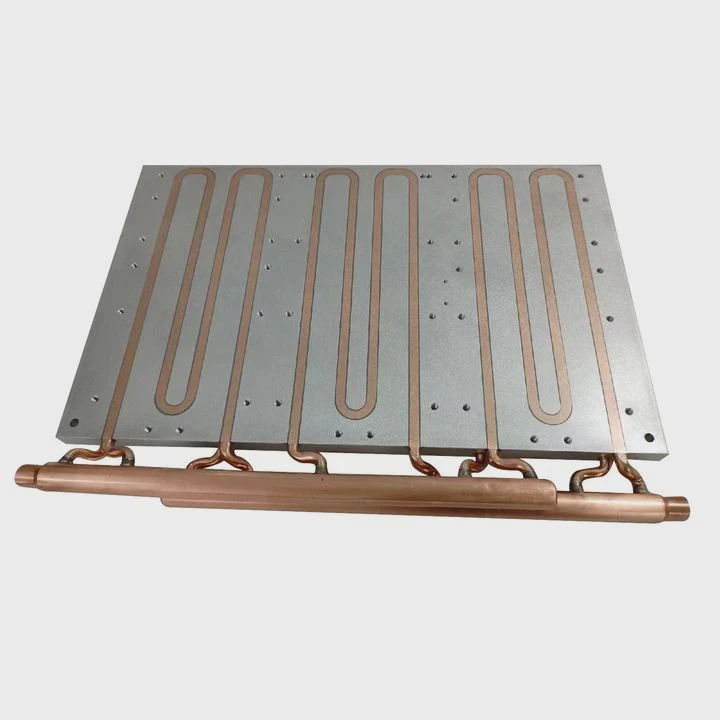
| Product Name | Liquid Cold Plate |
| Process | Vacuum Brazing |
| Usage | Assembly |
| Color | Silver |
| Surface Treatment | Clean |
| MOQ | 2pcs |
| Material | Alloy/Copper |
| Package | Foam + Carton |
| Dimension | Customized |
| Tolerance | 0.01-0.05mm |
| Selling Units | Single item |
| Package size per batch | 35X30X25 cm |
| Gross weight per batch | 2.000 kg |
 +
+
FAQ
1. What is vacuum brazing?
Vacuum brazing is a process that joins metals using a filler metal, offering superior joint strength and heat resistance.
2. Why is heat dissipation important for EV batteries?
Effective heat dissipation prevents overheating, enhancing battery performance and longevity.
3. How does the cold plate improve battery performance?
The cold plate improves battery performance by providing efficient thermal management.
4. Is the cold plate compatible with all battery types?
Yes, our cold plate is customizable to fit different battery configurations.
5. What materials are used in the cold plate?
The cold plate is made from corrosion-resistant materials to ensure durability.
6. Can the cold plate handle high power densities?
Yes, it supports high power densities, making it suitable for demanding applications.
7. How does the lightweight design benefit EVs?
A lightweight design reduces vehicle weight, improving efficiency and range.
8. Is integration with existing systems easy?
Yes, the cold plate is designed for easy integration with current battery systems.