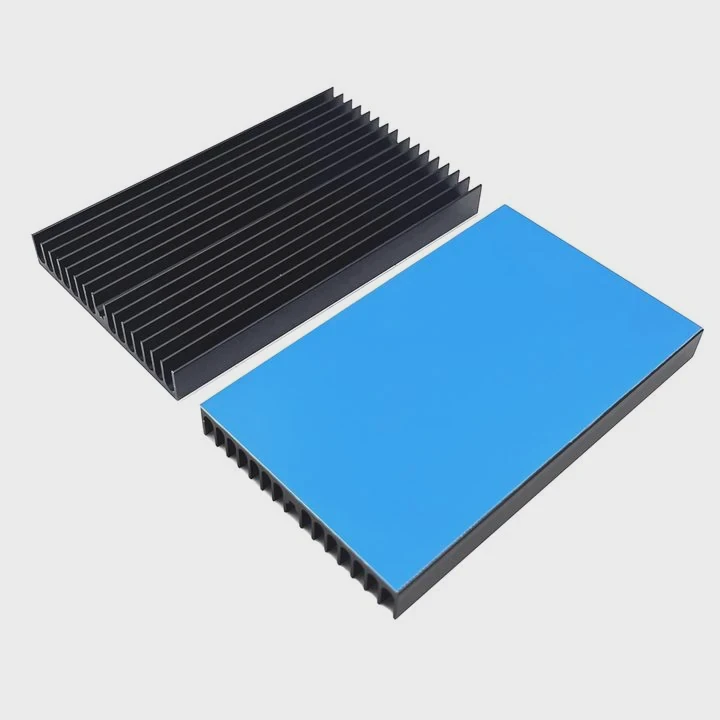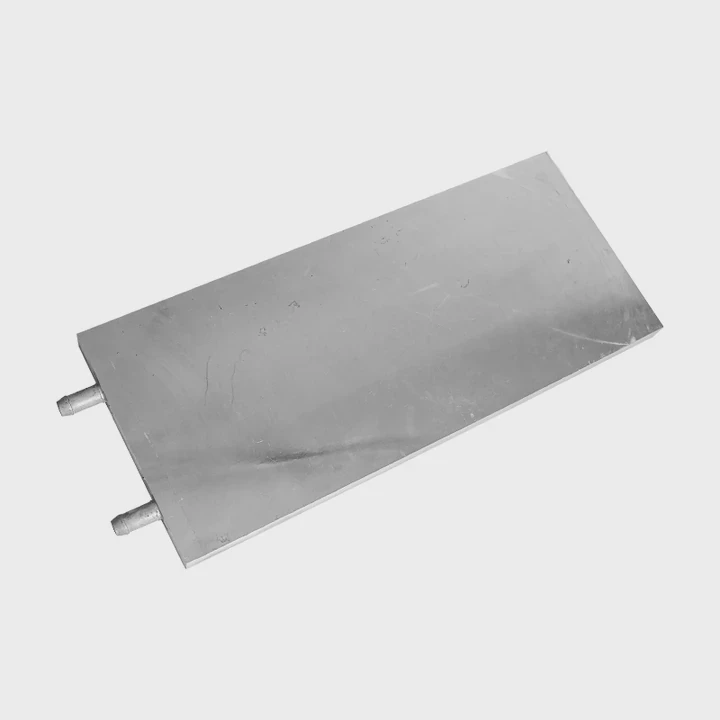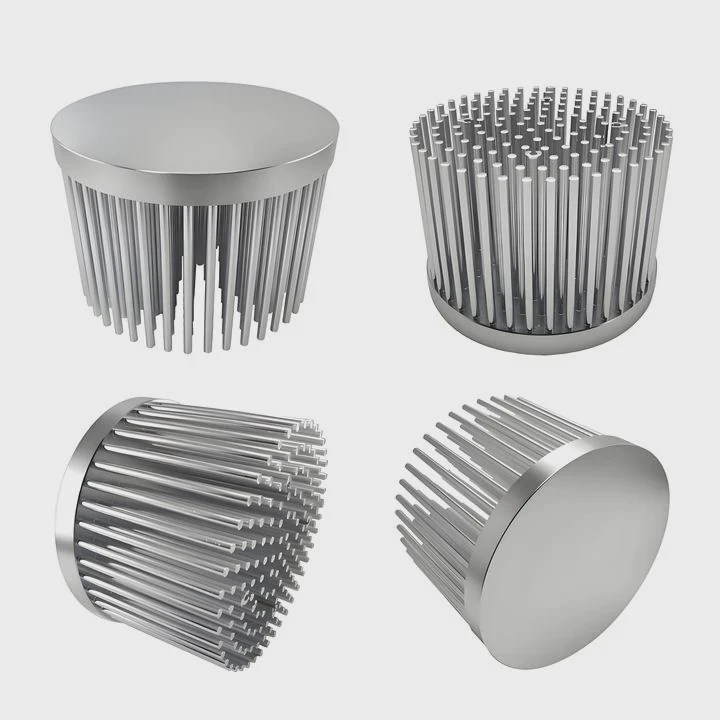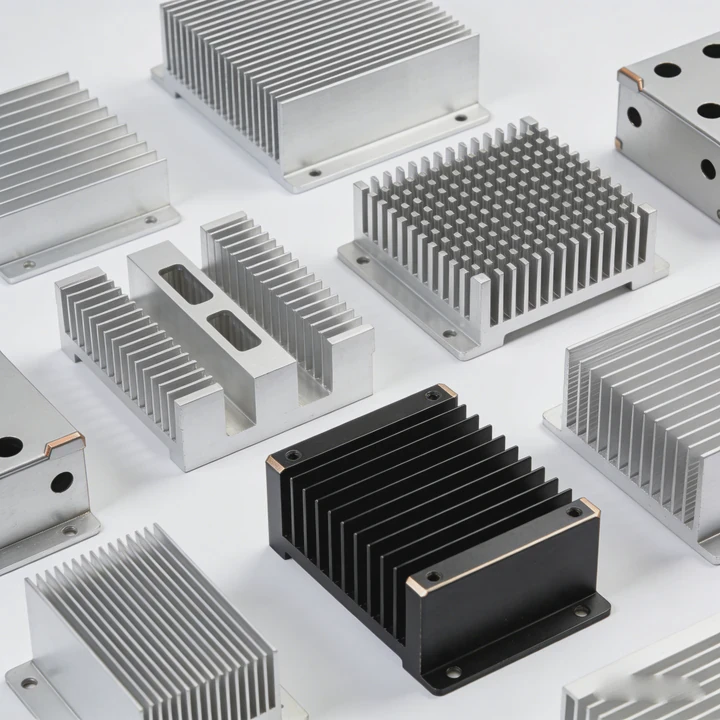
Products Details
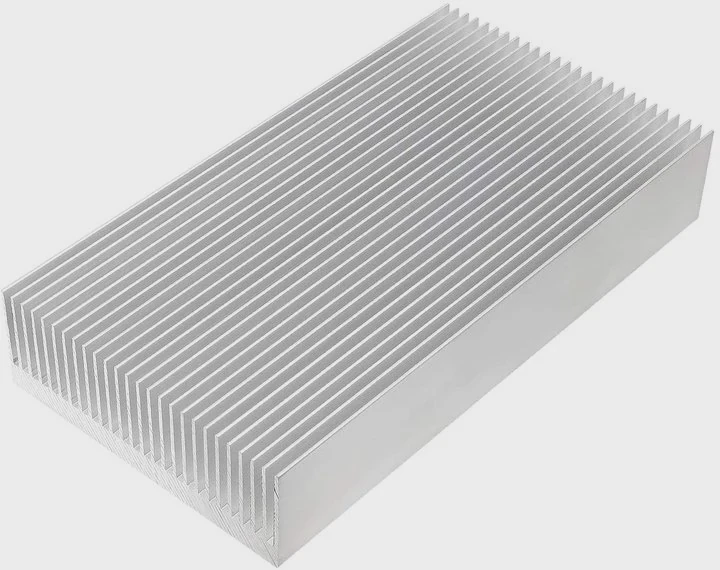
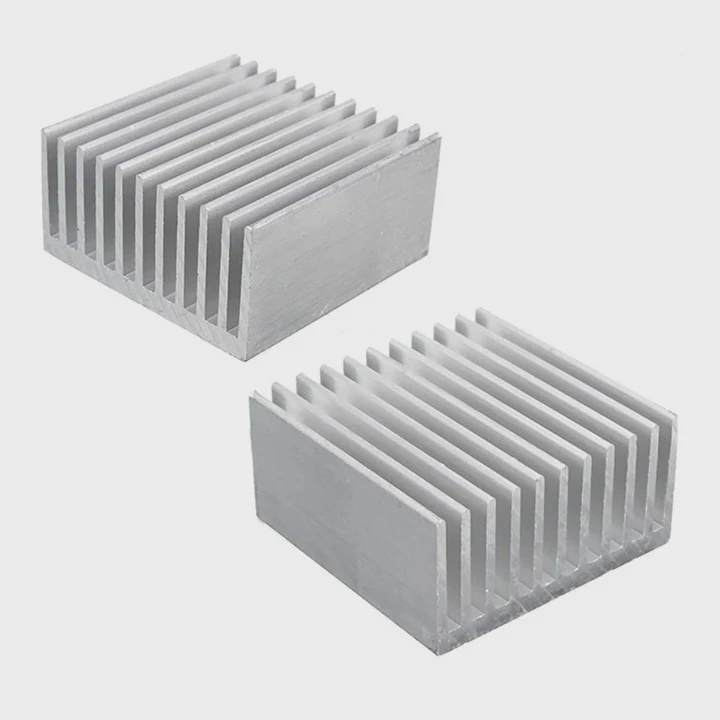
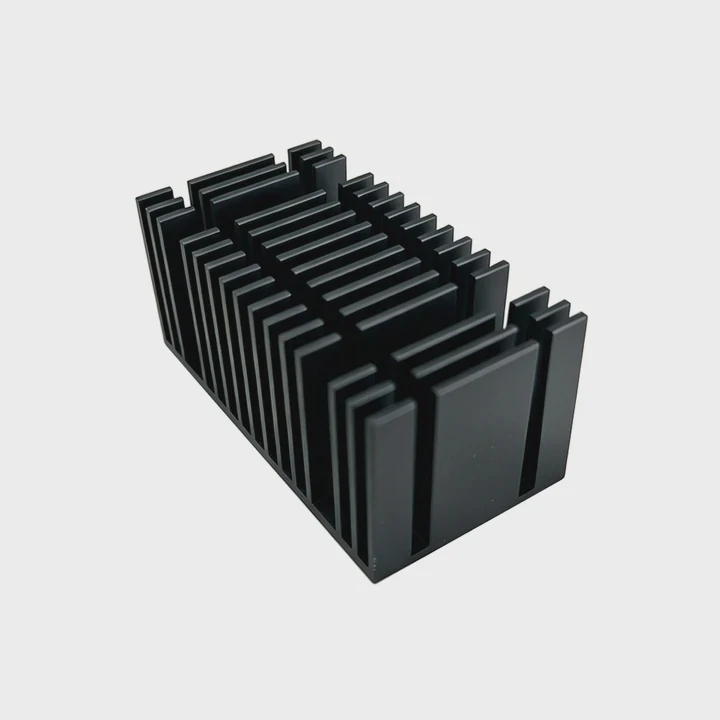
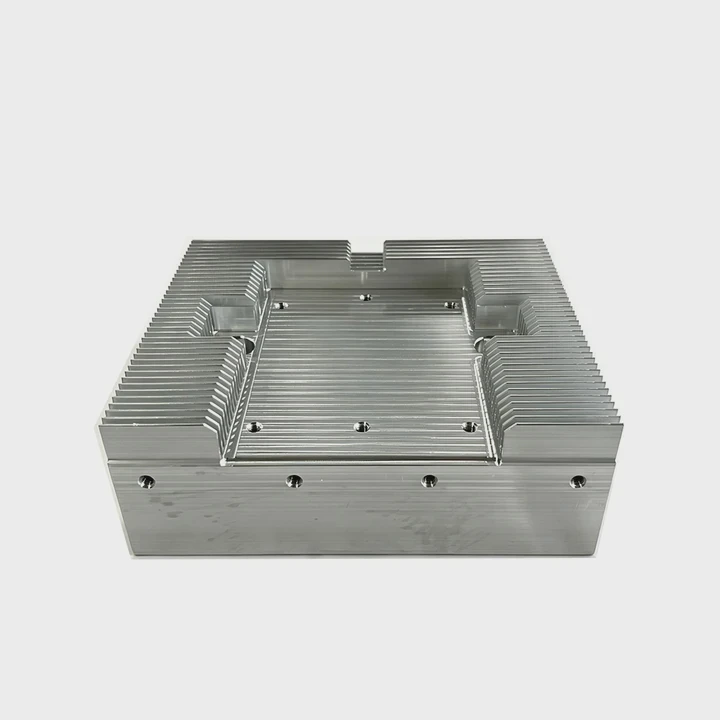
| Grade | 6063 & 6061 6000 Series Aluminum Alloy |
| Shape | Custom Extruded Fin Profile |
| Temper | NO |
| Tolerance | ±0.02mm |
| Application | Energy storage PCS, Solar inverter, EV motor controller |
| Processing Service | Aluminum Extrusion, CNC Machining, Cutting, Drilling, Tapping, Hard Anodizing, Conductive Anodizing, Nickel Plating |
| Delivery Time | 22 ~ 30 days |
| Alloy Or Not | Is Alloy |
| Extrusion Grade | 6061 Aluminum Alloy, 6063 Aluminum Alloy |
| Thermal Conductivity | 201 W |
| Extrusion Process | Aluminum Extruded Molding |
| Surface Treatment | Hard Anodized / Nickel Plated / Conductive Anodization |
| Fin Parameter | Custom Fin Height & Fin Thickness |
| Applicable Power Device | IGBT, SiC, MOSFET Power Module |
 +
+
FAQ
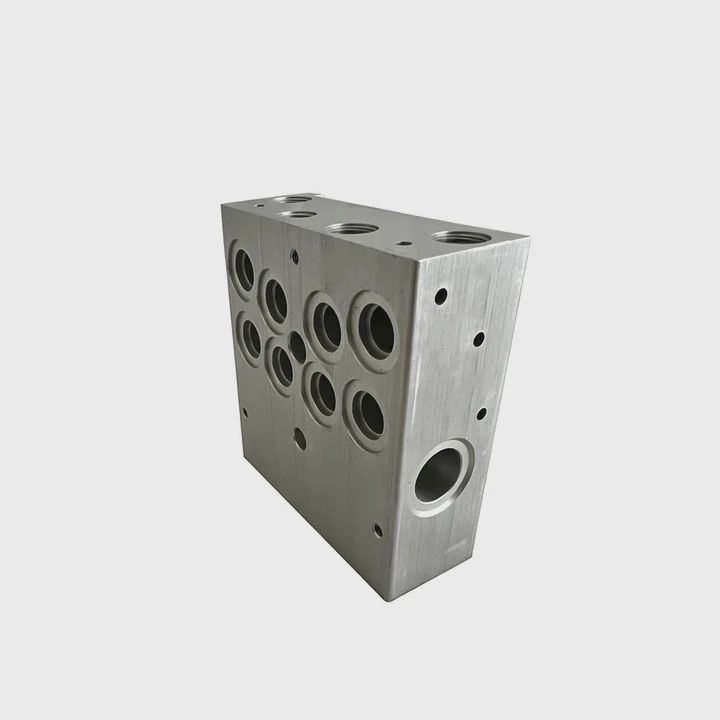
1. What is an Industrial Hydraulic Aluminum Cold Plate?
An Industrial Hydraulic Aluminum Cold Plate is a liquid cooling component designed to remove heat from high-power equipment using aluminum construction and hydraulic channel design.
2. What industries use an aluminum cold plate?
An aluminum cold plate is widely used in power electronics, industrial automation, EV batteries, lasers, medical devices, and energy systems.
3. Why choose aluminum for a hydraulic cold plate?
Aluminum offers excellent thermal conductivity, low weight, and strong corrosion resistance, making it ideal for an industrial hydraulic cold plate.
4. How does a hydraulic cold plate improve cooling?
A hydraulic cold plate uses internal liquid channels to transfer heat efficiently away from critical components and maintain stable operating temperatures.
5. Can this cold plate be customized?
Yes, the Industrial Hydraulic Aluminum Cold Plate can be customized in size, thickness, inlet and outlet design, and flow channel layout.
6. Is an aluminum cold plate suitable for high-power equipment?
Yes, an aluminum cold plate is suitable for high-power equipment that requires reliable and efficient thermal management.
7. What are the benefits of liquid cooling cold plates?
Liquid cooling cold plates provide high heat dissipation, lower noise, improved temperature control, and better system reliability.
8. How is an industrial cold plate maintained?
An industrial cold plate typically requires periodic inspection of coolant flow, sealing, and surface condition to ensure consistent performance.
9. Does the hydraulic cold plate support continuous operation?
Yes, the hydraulic cold plate is engineered for continuous industrial operation and long-term cooling stability.