Products Details
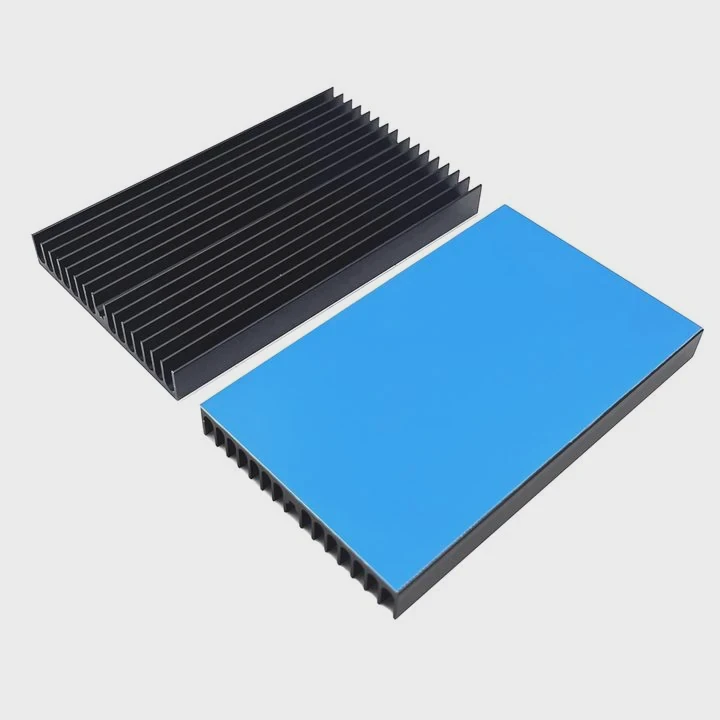
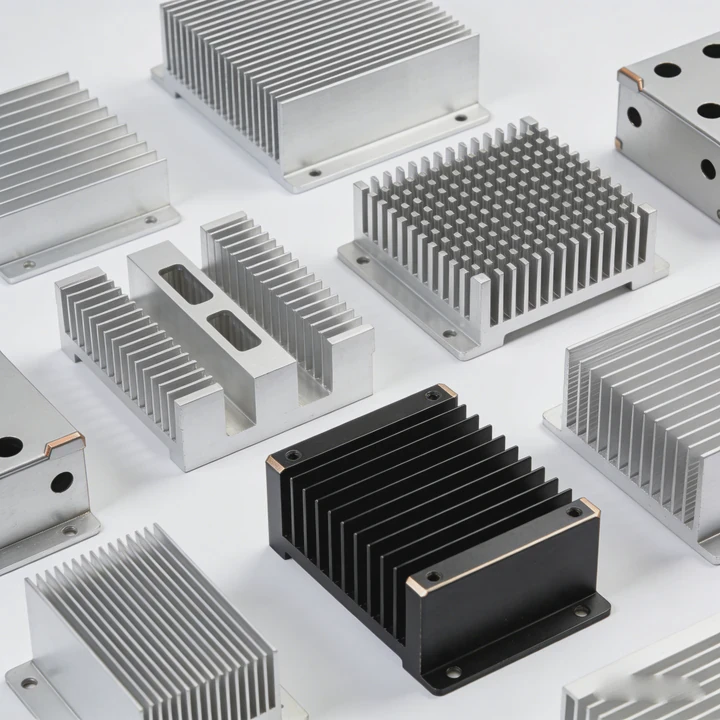
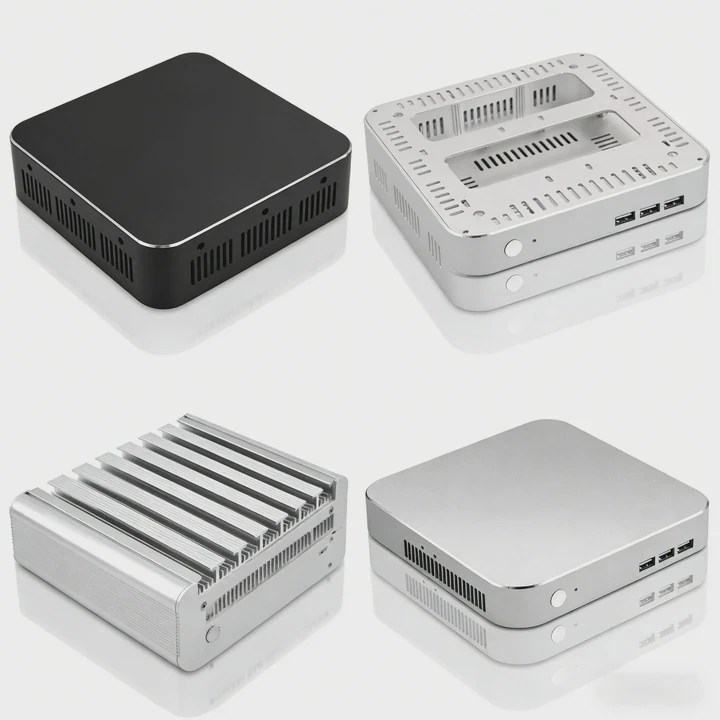
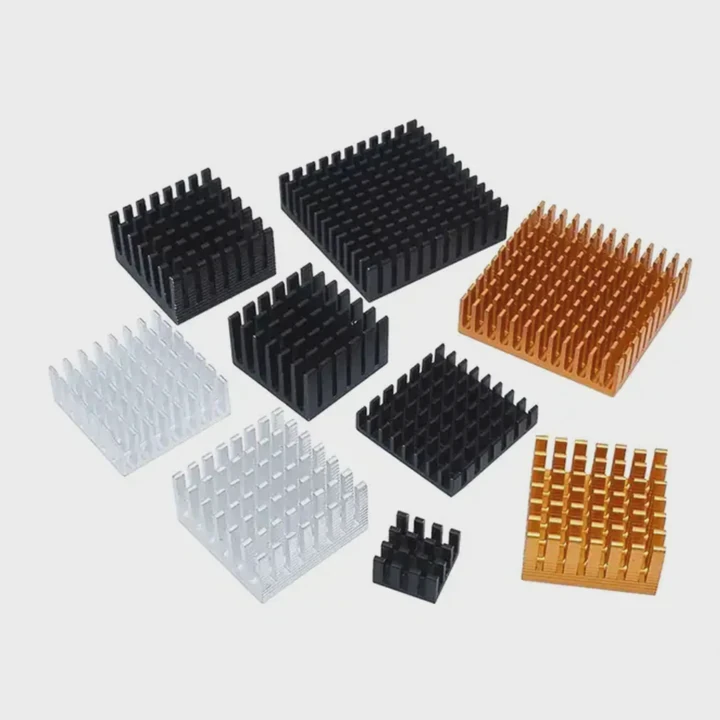
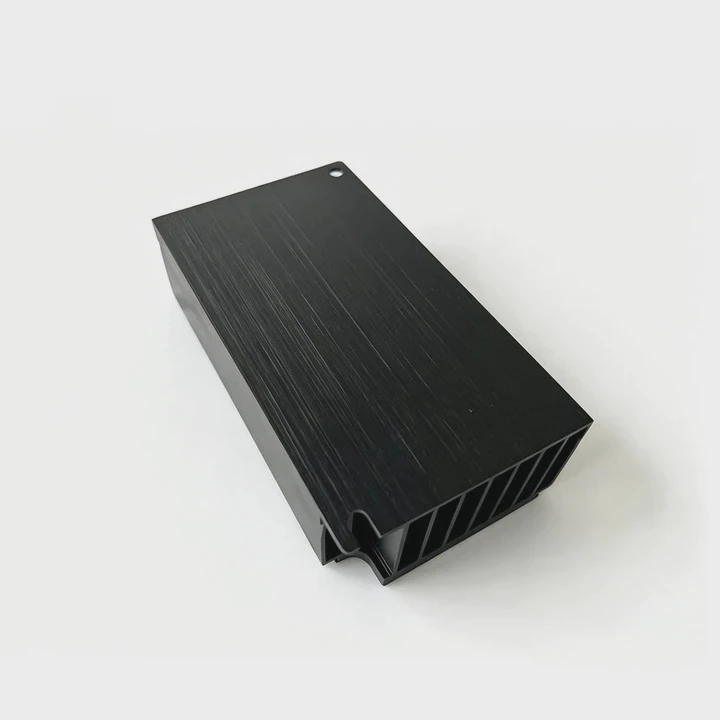
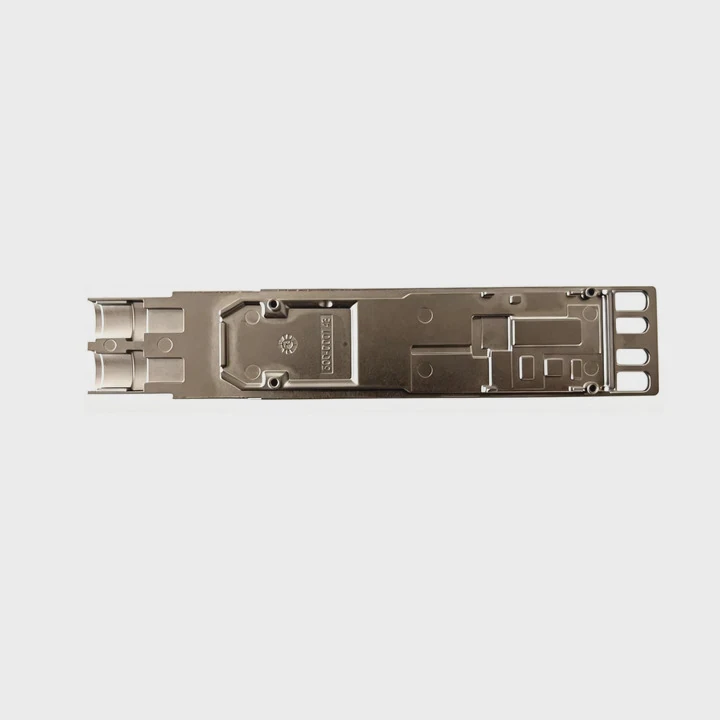
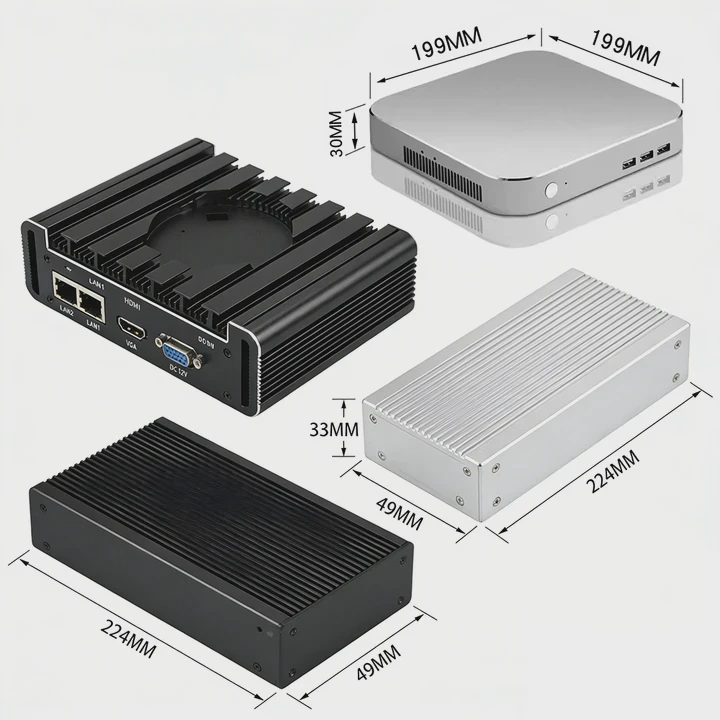
| Product Name | Brushed Anodized Aluminum Industrial PC Case |
| Dimension | Customized Size / As per drawing |
| Material | Aluminum Alloy |
| Processing | Aluminum Stamping, Extrusion, Anodizing |
| inspection machines | CMM / Projector / Vision System / Hardness Tester |
| QC system | 100% Inspection / ISO9001 / Full Dimension Report |
| Application | Mini PC, Industrial Control, PCB & Electronic Enclosure |
| Packing | Standard Export Carton / Wooden Case / Custom Packaging |
| Size | As per customer drawing (CAD/PDF/STEP) |
| Surface treatment | Anodizing process |
 +
+
FAQ
1. What is a Mini PC Aluminum Heat Sink Case?
A Mini PC aluminum heat sink case is a metal enclosure designed to protect the device while improving passive cooling and heat dissipation.
2. Why use an aluminum heat sink case for a Mini PC?
An aluminum heat sink case helps lower operating temperatures, improve thermal management, and enhance Mini PC stability.
3. Does an aluminum heat sink case improve cooling performance?
Yes, the aluminum heat sink case improves cooling performance by transferring heat away from internal components efficiently.
4. Is this Mini PC case suitable for industrial applications?
Yes, the Mini PC aluminum heat sink case is suitable for industrial, embedded, and commercial applications that require reliable thermal control.
5. What are the benefits of passive cooling in a Mini PC case?
Passive cooling reduces noise, improves energy efficiency, and provides dependable thermal management without fans.
6. Can this heat sink case help protect the Mini PC?
Yes, the heat sink case provides a durable aluminum housing that helps protect the Mini PC from physical damage.
7. Is the Mini PC aluminum heat sink case good for OEM projects?
Yes, it is a strong choice for OEM Mini PC projects, embedded systems, and customized hardware solutions.
8. What material is used for this heat sink case?
This Mini PC heat sink case is made from aluminum, a material known for high thermal conductivity and durable construction.