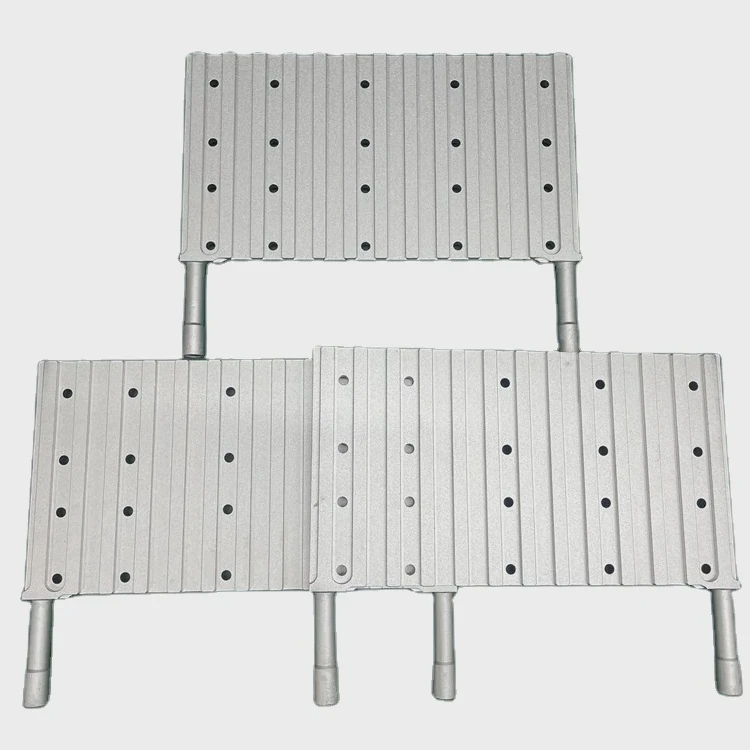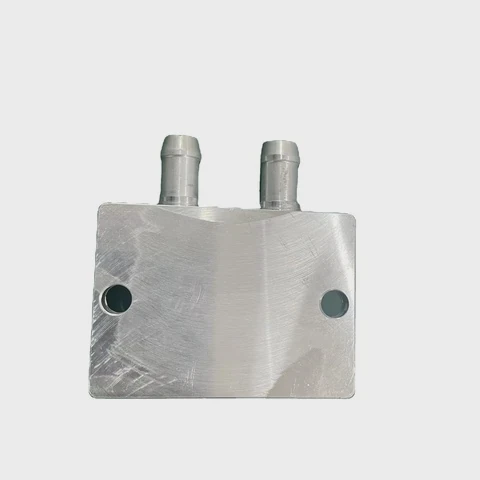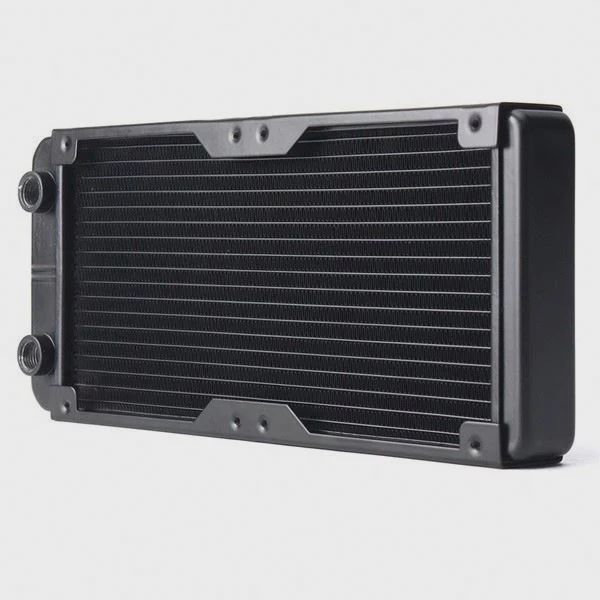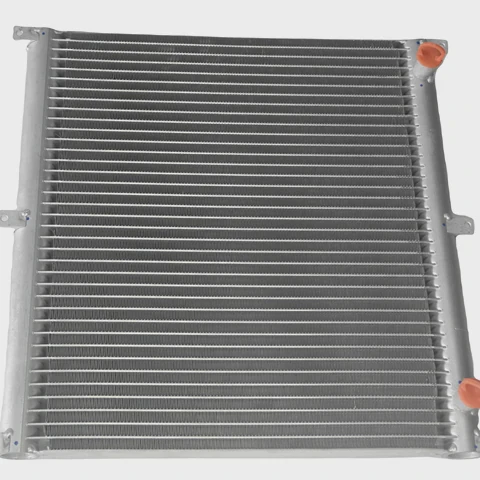
Products Details
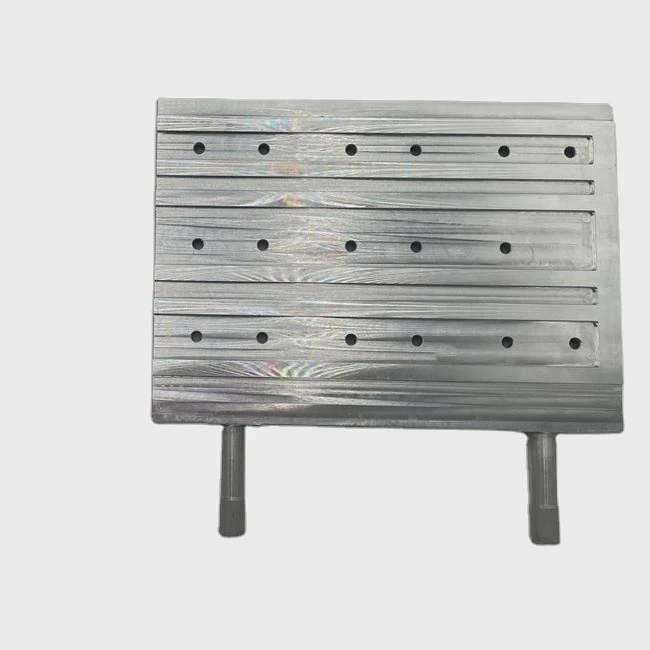
| application | Refrigeration Parts |
| type | Refrigeration Compressor Parts |
| machinery test report | Provided |
| video outgoing-inspection | Provided |
| weight (kg) | 2 |
| Material | Aluminum alloy |
| Cooling method | Liquid Cooling |
| Working pressure | At least 1 bar |
| Joining method | Brazing or welding or others |
| Surface finish | Mill finish or anodization |
| Coolant | Deionized Water,Inhibited Glycol and Water,Dielectric fluid |
 +
+
FAQ
1. What is an OEM liquid cold plate?
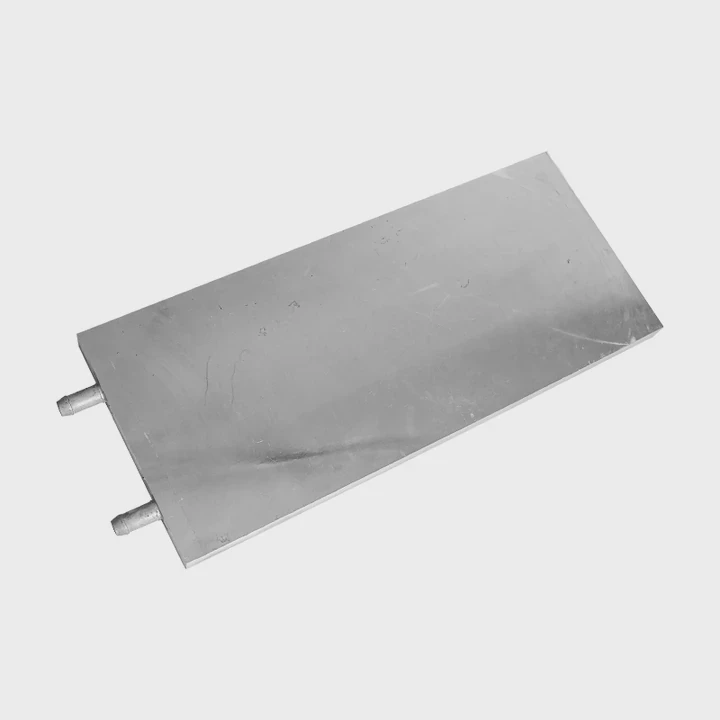
An OEM liquid cold plate is a custom liquid cooling plate designed for OEM thermal management applications in electronics, power systems, and industrial equipment.
2. What does a liquid cold plate do?
A liquid cold plate transfers heat away from components using coolant flow, improving heat dissipation and system reliability.
3. Which industries use OEM liquid cold plates?
OEM liquid cold plates are used in electronics, power electronics, EV batteries, medical devices, lasers, telecom, and industrial cooling systems.
4. Can the liquid cold plate be customized?
Yes, the OEM liquid cold plate can be customized for size, material, flow channel design, mounting, and thermal performance.
5. What materials are used for liquid cold plates?
Common liquid cold plate materials include aluminum and copper for high thermal conductivity and durable liquid cooling performance.
6. Is an OEM liquid cold plate suitable for high-power applications?
Yes, an OEM liquid cold plate is ideal for high-power applications that require efficient thermal management and stable operating temperatures.
7. How does a cold plate improve thermal performance?
A cold plate improves thermal performance by spreading heat efficiently and removing it through liquid cooling.
8. Can OEM liquid cold plates be used in EV battery cooling?
Yes, OEM liquid cold plates are widely used for EV battery cooling and electric vehicle thermal management.
9. Do you offer custom OEM manufacturing for cold plates?
Yes, OEM manufacturing is available for custom liquid cold plates to support product integration and mass production.
10. Why choose a liquid cold plate over air cooling?
A liquid cold plate offers higher heat dissipation capacity than air cooling, making it better for compact, high-heat-density systems.