Can ODM Services Modify Heat Sinks?
- Yongxing
- 17 Jul ,2026
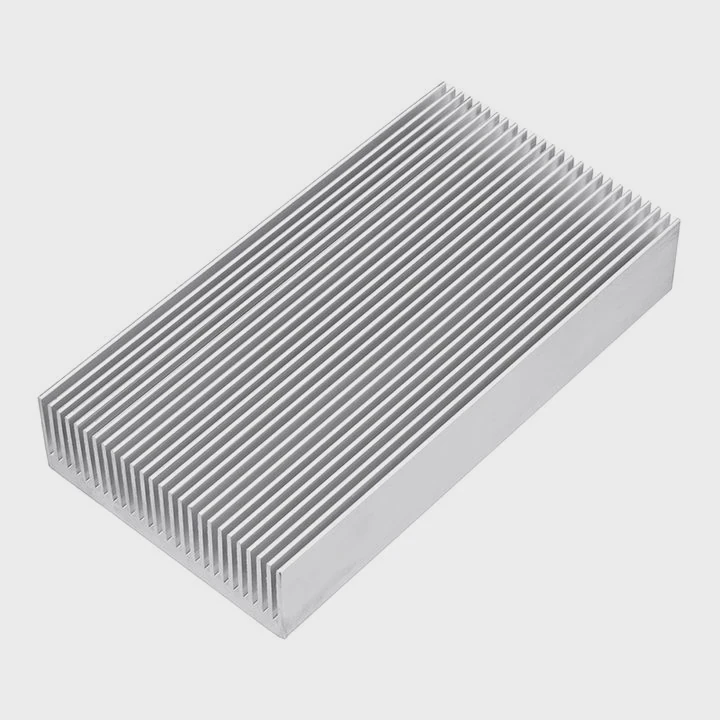
Many standard heat sinks cannot meet modern thermal demands. A fixed design may increase temperatures, waste installation space, and limit future product upgrades.
Yes. ODM heat sink services can modify materials, structures, cooling methods, and manufacturing processes to match specific thermal requirements. They also support prototype development, design optimization, and industry-specific improvements that increase cooling efficiency and product reliability.
A custom heat sink is more than a different shape. It is a complete engineering process that starts with thermal requirements and ends with a manufacturable solution. ODM services allow engineers to improve existing products without starting from scratch, making development faster and reducing technical risks.
Do ODM Solutions Support New Materials?
Many thermal problems cannot be solved by changing the shape alone. In many cases, selecting a better material creates the biggest improvement.
Yes. ODM services support a wide range of thermal materials, including aluminum, copper, vapor chambers, heat pipes, graphite, liquid cooling components, and hybrid structures. Material selection depends on heat load, weight, cost, and manufacturing requirements.
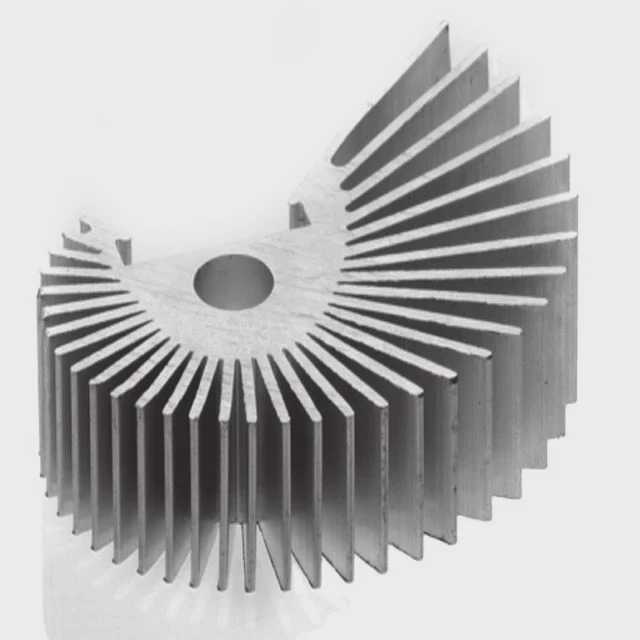
Material selection is one of the first decisions during an ODM project because it affects almost every aspect of thermal performance.
Aluminum Remains the Most Common Choice
Aluminum offers an excellent balance between cost and performance.
Its advantages include:
- Low weight
- Good thermal conductivity
- Easy machining
- High corrosion resistance
- Cost-effective production
For many industrial products, aluminum provides enough cooling without increasing manufacturing expenses.
Copper Delivers Higher Thermal Conductivity
Copper transfers heat much faster than aluminum.
It is often selected for:
- High-power processors
- Power electronics
- Semiconductor modules
- Medical equipment
- Laser systems
Copper is heavier and more expensive, but it performs well when heat density becomes very high.
Hybrid Material Solutions
Many modern heat sinks combine different materials instead of relying on only one.
Examples include:
- Copper base with aluminum fins
- Vapor chamber plus aluminum extrusion
- Heat pipes inside machined aluminum
- Copper inserts for hot spots
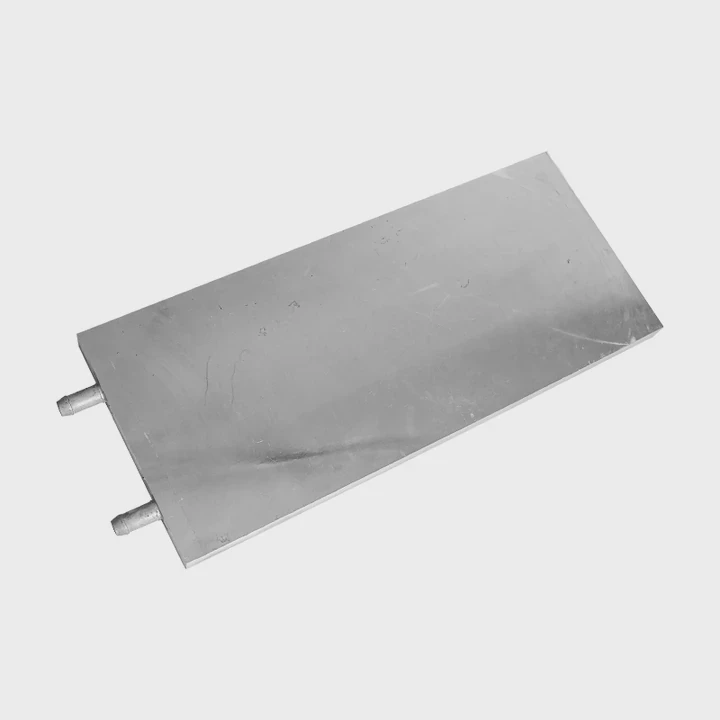
- Liquid cooling plates with aluminum structures
These combinations improve thermal performance while controlling weight and production costs.
Advanced Thermal Materials
ODM development also supports newer technologies.
These include:
| Material | Primary Advantage | Typical Applications |
|---|---|---|
| Vapor chamber | Rapid heat spreading | CPUs, GPUs |
| Heat pipe | Fast heat transport | Servers, telecom |
| Graphite | Lightweight heat spreading | Consumer electronics |
| Copper | High conductivity | Power electronics |
| Aluminum | Cost-effective cooling | Industrial equipment |
Material selection should always match the operating environment. A material that performs well inside a desktop computer may not be the best option for outdoor communication equipment or railway electronics. During an ODM project, engineers evaluate temperature, vibration, humidity, weight limits, and manufacturing cost before recommending the final material combination. This balanced approach produces a design that performs well throughout the product’s service life.
Are Prototype Iterations Offered?
Many engineers worry that the first prototype will become the final product. In reality, thermal design usually improves through several testing cycles.
Yes. ODM services typically include multiple prototype iterations. Each version is tested, analyzed, and refined until thermal performance, manufacturability, reliability, and cost meet the project requirements.
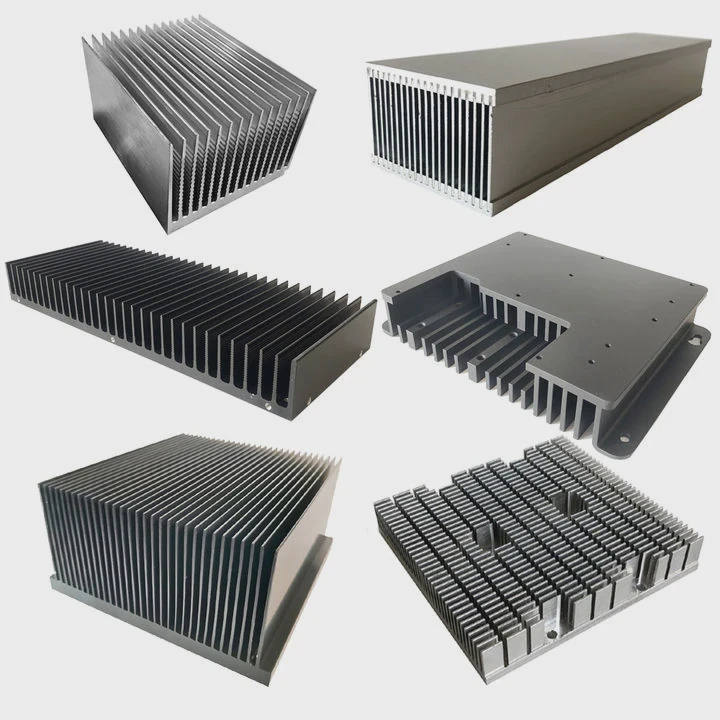
Few successful heat sinks are perfect during the first design stage.
The First Prototype
The initial prototype validates the basic concept.
Engineers typically evaluate:
- Overall dimensions
- Installation compatibility
- Airflow
- Contact pressure
- Temperature distribution
- Mechanical strength
This stage identifies major design issues before production tooling begins.
Thermal Testing
Prototype testing generates valuable performance data.
Common evaluations include:
- Thermal resistance
- Junction temperature
- Surface temperature
- Airflow measurements
- Pressure drop
- Long-term operating stability
The collected data often reveals opportunities for further improvement.
Design Optimization
Based on test results, engineers may adjust:
- Fin spacing
- Fin height
- Base thickness
- Material selection
- Surface finish
- Mounting structure
Even small changes may produce measurable improvements.
Multiple Development Cycles
Several iterations are common for demanding applications.
A typical process may follow this sequence:
| Development Stage | Main Goal |
|---|---|
| Prototype 1 | Validate concept |
| Prototype 2 | Improve thermal performance |
| Prototype 3 | Optimize manufacturing |
| Pilot production | Verify production consistency |
| Mass production | Stable volume manufacturing |
Each iteration reduces technical uncertainty and improves product quality.
Prototype development also creates confidence for customers before large production investments begin. Design teams can compare measured data with simulation results, verify installation procedures, and confirm manufacturing feasibility. Instead of treating prototype revisions as delays, many companies view them as valuable engineering steps that reduce future risks and improve final product performance.
Can Design Changes Improve Efficiency?
Many people assume that making a heat sink larger automatically increases cooling. In practice, smarter design often delivers better results than simply adding more material.
Yes. ODM design changes can significantly improve cooling efficiency by optimizing airflow, heat spreading, fin geometry, mounting pressure, and manufacturing methods. Small structural improvements often produce measurable thermal gains without increasing overall size.
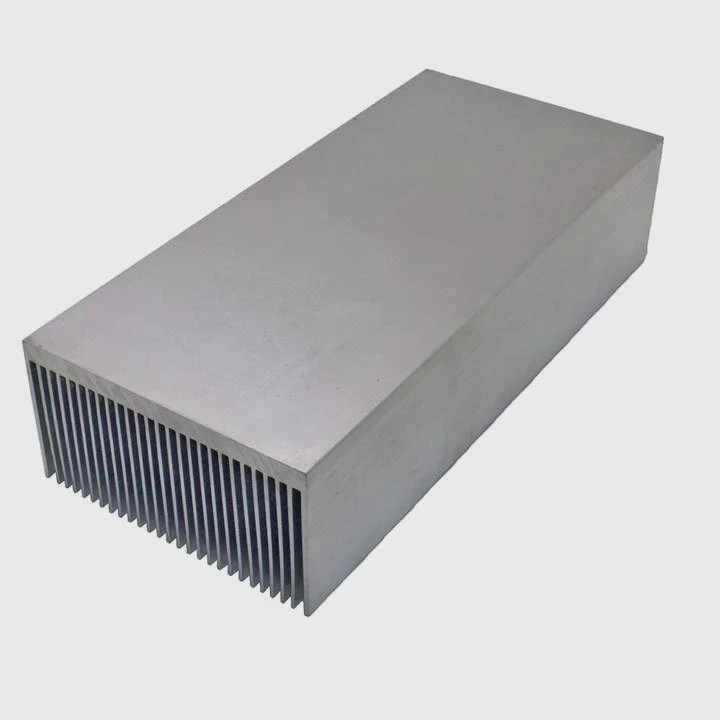
Thermal efficiency depends on how effectively heat moves through every part of the cooling system.
Optimizing Fin Geometry
The fin structure controls airflow and heat exchange.
Possible improvements include:
- Taller fins
- Wider fin spacing
- Thinner fins
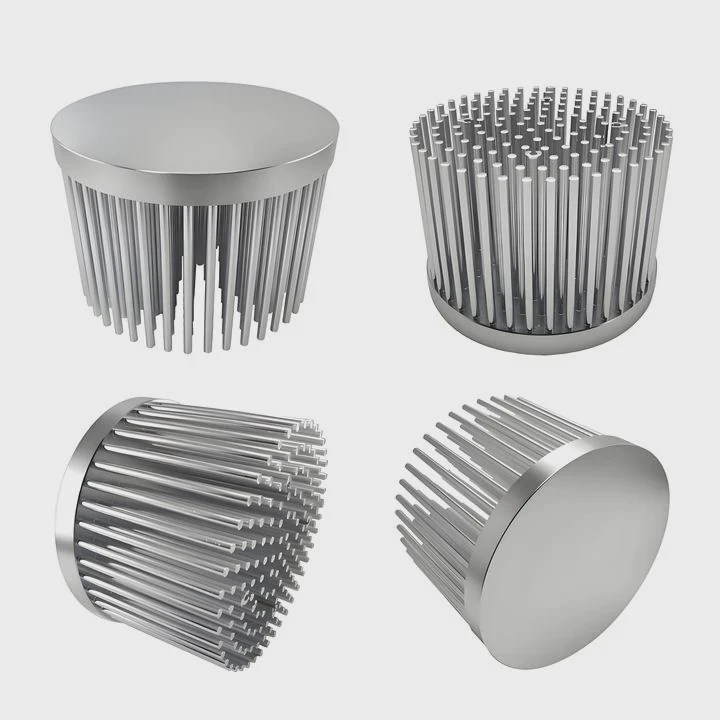
- Pin fin layouts
- Skived fin structures
- Folded fin assemblies
Each design suits different airflow conditions.
Improving Heat Distribution
Heat rarely spreads evenly across the entire base.
ODM engineers often redesign:
- Base thickness
- Heat pipe locations
- Vapor chamber placement
- Copper inserts
- Contact surfaces
Better heat spreading lowers hot spot temperatures.
Reducing Airflow Resistance
Adding more fins does not always improve cooling.
If airflow becomes restricted:
- Fan efficiency decreases.
- Air velocity drops.
- Temperature rises.
- Dust accumulation increases.
Good thermal design balances airflow with surface area.
Manufacturing Improvements
Better manufacturing methods also improve efficiency.
Examples include:
- Vacuum brazing
- Friction stir welding
- Laser welding
- Diffusion bonding
- Precision CNC machining
These processes reduce thermal resistance between components.
A successful ODM project usually examines the entire thermal system instead of only the heat sink itself. Airflow paths, fan placement, enclosure layout, and component spacing all influence cooling performance. When engineers optimize these factors together, the final product often achieves higher efficiency without increasing weight or manufacturing complexity. This system-level thinking creates better long-term thermal stability and supports future product upgrades.
Which Industries Benefit from ODM Upgrades?
Not every industry has the same thermal challenges. Different applications require different cooling strategies, reliability levels, and manufacturing methods.
Industries with high heat density, continuous operation, or demanding environmental conditions benefit the most from ODM heat sink upgrades. Custom thermal solutions improve equipment reliability, operating efficiency, and product lifespan across many sectors.
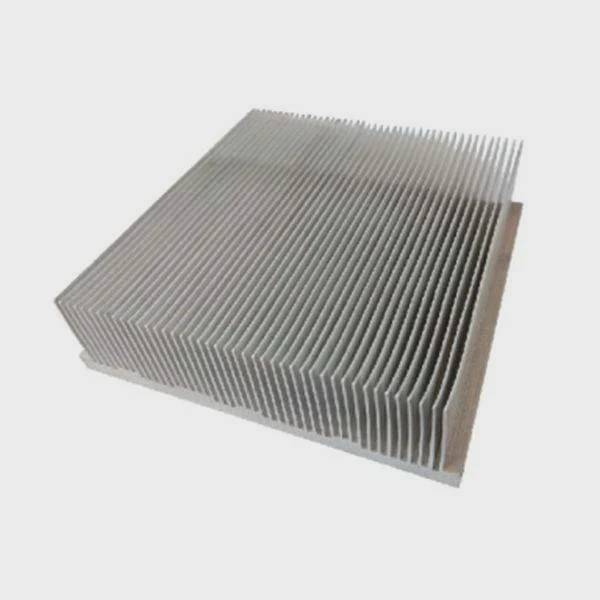
ODM development has become increasingly important as electronic systems continue to generate more power within smaller spaces.
Renewable Energy
Solar and energy storage systems generate significant heat.
ODM upgrades improve:
- Inverter cooling
- Battery management systems
- Power conversion
- Long-term reliability
Better cooling also increases operating efficiency.
Electric Vehicles
Modern electric vehicles contain many high-power electronic systems.
Applications include:
- Motor controllers
- On-board chargers
- DC-DC converters
- Battery systems
- Power modules
These systems require reliable thermal management throughout long operating cycles.
Telecommunications
5G infrastructure produces much higher heat loads than previous communication equipment.
ODM improvements help optimize:
- Outdoor cabinets
- Base stations
- Network switches
- Power supplies
- RF modules
Thermal stability supports uninterrupted network performance.
Medical Equipment
Medical devices demand both precision and reliability.
Heat sink upgrades improve:
- Imaging systems
- Laser equipment
- Diagnostic instruments
- Laboratory automation
- Patient monitoring devices
Stable temperatures help maintain measurement accuracy.
Industrial Automation
Factories increasingly rely on electronic control systems.
ODM solutions support:
- Servo drives
- Industrial computers
- Robotics
- Automation controllers
- Machine vision systems
Reliable cooling reduces maintenance and extends equipment life.
Aerospace and Railway Systems
These industries operate under demanding environmental conditions.
Heat sinks must withstand:
- Continuous vibration
- Large temperature variations
- Long operating life
- Strict safety standards
ODM services help engineers develop products that satisfy both thermal and mechanical requirements.
As electronics continue to become smaller and more powerful, custom thermal management becomes valuable across even more industries. Standard catalog products often cannot balance performance, size, weight, and reliability for specialized equipment. ODM upgrades provide the flexibility to optimize each design according to real operating conditions instead of forcing products to adapt to standard heat sinks. This engineering approach improves performance today while allowing easier upgrades as future technologies continue to evolve.
Conclusion
ODM heat sink services provide far more than simple dimensional changes. They combine material selection, prototype development, thermal optimization, and industry-specific engineering to create cooling solutions that improve efficiency, reliability, manufacturability, and long-term product performance.