Can Mass-Produced Heat Sinks Maintain Uniform Quality?
- Yongxing
- 17 Jul ,2026

Mass production creates a common challenge for heat sink manufacturers. A small quality difference between batches can affect thermal performance, equipment reliability, and customer satisfaction.
Yes. Mass-produced heat sinks can maintain uniform quality when manufacturers use strict production controls, advanced inspection methods, automated testing systems, and complete documentation processes. A strong quality management system ensures every batch meets the required standards.
Large-scale heat sink production is not only about increasing output. It is about keeping every product consistent. From material selection to final inspection, every manufacturing stage influences the final thermal performance. Professional manufacturers use engineering methods and quality systems to reduce variation and maintain stable production.
Which Inspection Methods Ensure Consistency?
Mass production requires more than visual checks. Heat sink quality depends on many factors, including dimensions, materials, surface conditions, and thermal performance.
Manufacturers ensure heat sink consistency through dimensional inspection, material testing, surface analysis, thermal testing, and process monitoring. These inspection methods help identify production variations before products reach customers.
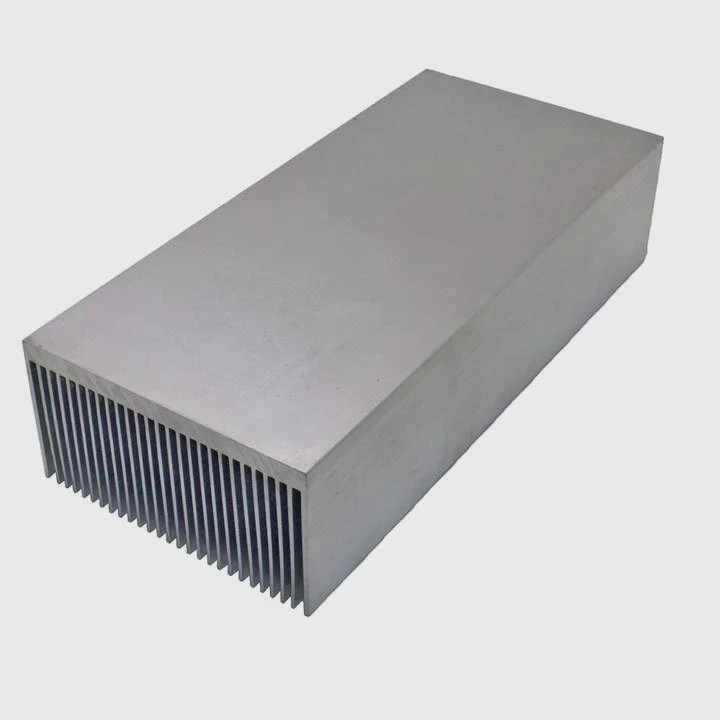
A reliable inspection system checks both the manufacturing process and the final product.
Dimensional Inspection
Heat sinks often contain critical dimensions that directly affect assembly and cooling performance.
Important measurements include:
- Overall dimensions
- Fin height
- Fin spacing
- Base thickness
- Mounting hole position
- Surface flatness
Common inspection equipment includes:
- Coordinate measuring machines (CMM)
- Digital calipers
- Micrometers
- Laser measurement systems
These tools help manufacturers confirm that every product matches engineering drawings.
Material Inspection
Material quality affects heat transfer ability.
Manufacturers usually verify:
- Aluminum alloy grade
- Copper purity
- Material hardness
- Mechanical properties
- Material certificates
For example, an aluminum heat sink made from the wrong alloy may have lower thermal conductivity and reduced performance.
Surface Quality Inspection
Surface treatment also influences reliability.
Inspection may include:
- Surface roughness measurement
- Coating thickness testing
- Anodizing quality checks
- Corrosion resistance testing
These checks help ensure stable performance in different environments.
Thermal Performance Testing
Some heat sinks require direct thermal validation.
Testing methods may measure:
- Thermal resistance
- Temperature distribution
- Heat dissipation capacity
- Airflow performance
Thermal testing is especially important for:
- Power electronics
- Electric vehicle systems
- Industrial controllers
- Semiconductor equipment
Inspection Method Comparison
| Inspection Method | Main Purpose | Quality Benefit |
|---|---|---|
| Dimensional inspection | Check size accuracy | Ensures assembly fit |
| Material testing | Verify raw materials | Maintains conductivity |
| Surface testing | Check finishing quality | Improves durability |
| Thermal testing | Verify cooling ability | Confirms performance |
A strong inspection system does not depend on one method. It combines multiple checks throughout production. This approach helps manufacturers detect problems early instead of discovering failures after delivery.
Consistent quality comes from controlling the entire manufacturing process. When suppliers monitor materials, machines, operators, and final products together, mass production becomes more stable and predictable.
Do Automated Tests Improve Reliability?
As heat sink designs become more complex, manual inspection alone cannot provide enough control. Automated testing has become an important part of modern thermal manufacturing.
Yes. Automated tests improve heat sink reliability by reducing human error, increasing inspection speed, and providing consistent measurement results. Automated systems help manufacturers identify defects quickly and maintain stable quality during large-volume production.
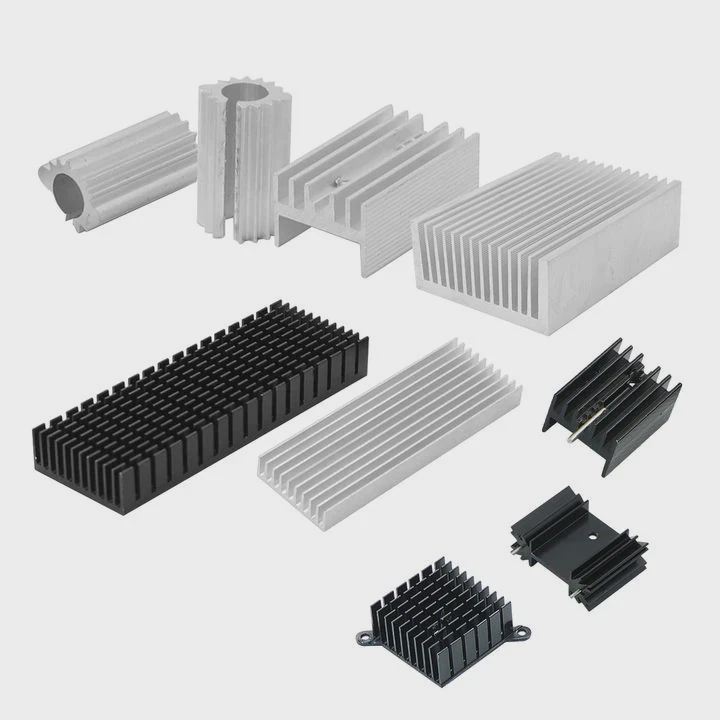
Automation improves both efficiency and accuracy.
Reducing Human Error
Manual inspection depends heavily on operator experience.
Possible problems include:
- Different measurement methods
- Missed defects
- Inconsistent recording
- Fatigue-related mistakes
Automated systems provide repeatable results because machines follow the same inspection process every time.
Faster Production Inspection
Large production orders may include thousands of heat sinks.
Automated equipment can quickly inspect:
- Dimensions
- Surface defects
- Assembly conditions
- Thermal performance
This allows manufacturers to maintain production speed without reducing quality.
Data Collection and Analysis
One major advantage of automation is production data.
Automated systems can record:
- Measurement results
- Machine conditions
- Production times
- Defect information
Manufacturers can analyze this data to identify trends.
For example:
| Data Finding | Possible Action |
|---|---|
| Fin dimensions changing | Adjust machining process |
| Surface defects increasing | Check tooling condition |
| Thermal performance dropping | Review material or assembly |
This creates a continuous improvement cycle.
Automated Thermal Testing
Advanced heat sink manufacturers may use automated thermal testing systems.
These systems evaluate:
- Temperature rise
- Cooling efficiency
- Thermal resistance
- Performance stability
Automated thermal tests are valuable because they directly measure whether the product meets cooling requirements.
Combining Automation and Human Expertise
Automation does not replace engineers.
The best production systems combine:
- Automated inspection
- Skilled technicians
- Engineering analysis
- Quality management systems
Machines provide accurate data. Engineers use that information to improve processes and solve problems.
For high-volume heat sink production, automation creates a stronger connection between manufacturing and quality control. It allows suppliers to move from simple defect detection toward prevention. Instead of only finding problems after production, manufacturers can identify process changes before quality issues appear.
Are Random Samples Sufficient for Quality Control?
Sampling inspection is common in manufacturing because checking every single product may increase cost and production time.
Random sampling can support quality control, but it is not always sufficient for high-performance heat sinks. Critical applications often require additional inspections, process monitoring, and functional testing to ensure complete reliability.
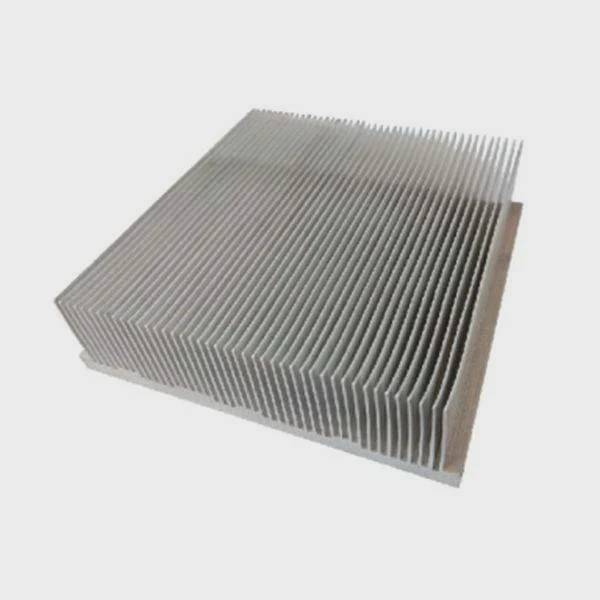
The right inspection strategy depends on product requirements.
Benefits of Random Sampling
Random sampling provides several advantages:
- Lower inspection cost
- Faster production flow
- Basic quality verification
- Statistical quality evaluation
For simple heat sinks with stable production processes, sampling can be effective.
Limitations of Sampling
Sampling cannot detect every defect.
Problems may occur when:
- Defects appear randomly
- Production conditions change
- Machines become unstable
- Material quality varies
A small sample may not represent the entire production batch.
When Full Inspection Is Needed
Some products require 100% inspection.
Examples include:
- Aerospace thermal components
- Railway cooling modules
- Medical equipment heat sinks
- High-power semiconductor cooling systems
These applications have strict reliability requirements.
Combining Sampling and Process Control
Many manufacturers use a mixed approach.
A typical strategy includes:
| Quality Control Method | Application |
|---|---|
| 100% visual inspection | Detect obvious defects |
| Sampling measurement | Verify dimensions |
| Automated testing | Confirm performance |
| Process monitoring | Prevent variation |
This method balances cost and reliability.
Statistical Process Control
Statistical Process Control, or SPC, helps manufacturers monitor production stability.
Engineers analyze:
- Dimension changes
- Defect rates
- Machine performance
- Process trends
If data shows abnormal changes, corrective action can happen before large numbers of defective products are produced.
Random sampling is useful, but it should be part of a larger quality system. A professional manufacturer does not depend only on final inspection. The goal is to control the process from the beginning so that defects become less likely.
Strong quality control combines prevention, monitoring, and verification. This approach allows mass-produced heat sinks to achieve consistent thermal performance across thousands or millions of units.
How to Document Production Standards?
Consistent production requires clear documentation. Without proper records, manufacturers cannot maintain the same quality level over long production periods.
Manufacturers document production standards through engineering drawings, process instructions, inspection reports, material records, and quality management systems. These documents create clear requirements and support long-term production consistency.
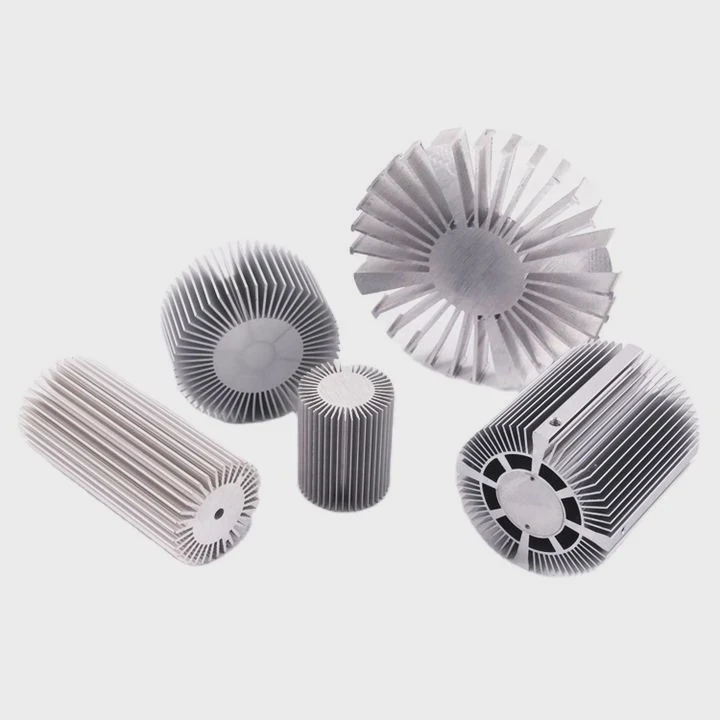
Documentation creates a common language between engineers, production teams, and customers.
Engineering Documents
The foundation of production quality starts with technical documents.
Important files include:
- Product drawings
- 3D models
- Material specifications
- Tolerance requirements
- Surface treatment standards
These documents define what the final product should be.
Manufacturing Process Documents
Production teams need clear instructions.
Process documents may describe:
- Machine settings
- Production sequence
- Welding parameters
- Cleaning procedures
- Assembly methods
Standard processes reduce variation between operators.
Inspection Records
Inspection data provides proof of quality.
Records may include:
- Measurement reports
- Testing results
- Material certificates
- Batch information
- Traceability records
These records help manufacturers investigate problems quickly.
Quality Management Systems
Professional manufacturers often follow international quality systems.
Examples include:
- ISO9001 quality management
- IATF16949 automotive quality requirements
- ISO14001 environmental management
These systems create structured methods for controlling production.
Document Control Benefits
| Document Type | Main Function |
|---|---|
| Engineering drawing | Defines product requirements |
| Process instruction | Controls manufacturing steps |
| Inspection report | Confirms quality results |
| Material record | Tracks raw materials |
| Quality procedure | Maintains management standards |
Good documentation also supports customer communication. Buyers can review testing reports, production records, and quality procedures before starting large projects.
For customized heat sinks, documentation becomes even more important. Every design change, material adjustment, or manufacturing improvement should be recorded. This creates traceability and ensures future production remains consistent.
A strong documentation system allows manufacturers to scale production without losing quality. It turns individual manufacturing knowledge into a repeatable process that supports stable long-term supply.
Conclusion
Mass-produced heat sinks can maintain uniform quality when manufacturers combine advanced inspection, automated testing, smart sampling strategies, and complete documentation. A strong quality system helps ensure every heat sink delivers stable thermal performance, reliable assembly, and long-term customer value.