Can heat sinks be used in building HVAC systems?
- Yongxing
- 16 Jul ,2026
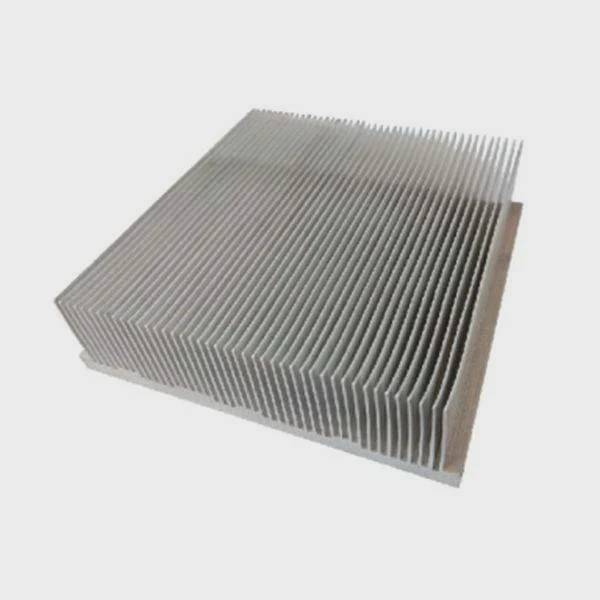
Modern buildings consume more energy because equipment creates more heat than before. Poor heat control can increase operating costs, reduce system life, and affect comfort.
Heat sinks can be used in building HVAC systems because they help move heat away from high-temperature components and improve thermal control. They are especially useful in smart buildings, data centers, industrial facilities, and systems with electronic equipment.
When I study heat management solutions, I find that buildings are no longer only about traditional air conditioning. Modern HVAC systems include sensors, controllers, power electronics, communication devices, and energy management systems. These components generate heat and need reliable cooling methods.
Heat sinks provide a simple and effective way to manage heat. They can work with air cooling, liquid cooling, and passive cooling designs. With proper design, heat sinks can improve equipment reliability and support more efficient building operations.
Do office HVAC systems integrate heat sinks?
Office HVAC systems can integrate heat sinks when electronic components, control systems, and energy management equipment need additional thermal protection. Heat sinks help maintain stable temperatures and improve the reliability of HVAC control devices.
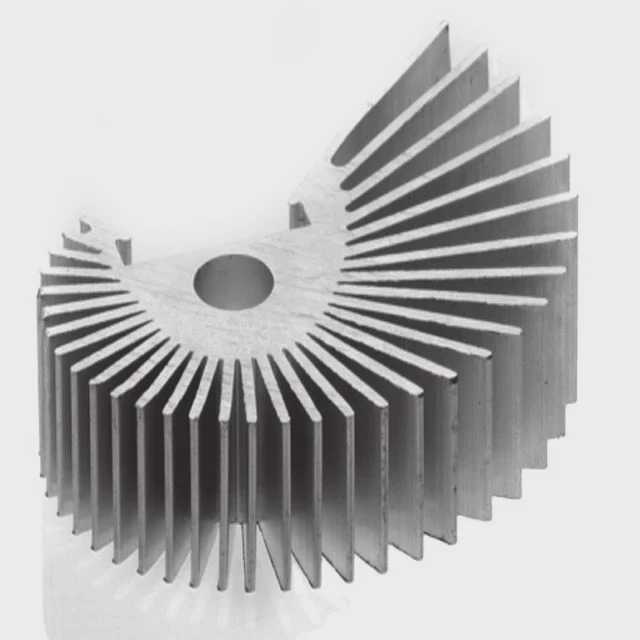
Traditional office HVAC systems mainly focus on cooling indoor spaces. However, modern office buildings use many electronic devices inside HVAC equipment. These devices include variable frequency drives, smart controllers, sensors, and power modules.
These electronic parts produce heat during operation. If the heat cannot leave the system properly, the equipment may lose efficiency or experience shorter service life.
A heat sink helps solve this problem by transferring heat from hot components to the surrounding air. The design is simple, but the result can be important for long-term operation.
| HVAC component | Heat source | Heat sink application |
|---|---|---|
| Variable frequency drive | Power conversion process | Aluminum heat sink for electronic cooling |
| Smart HVAC controller | Processor and circuit operation | Compact heat dissipation structure |
| Sensor control module | Electronic components | Small passive heat sink |
| Building automation system | Communication and processing units | Custom thermal management parts |
Office buildings are also becoming smarter. Many systems now use digital controls to improve energy efficiency. These control units require stable temperatures because electronic performance can change when temperatures rise.
A customized heat sink can support these systems in several ways. Engineers can adjust the size, material, and structure based on the available installation space. This is important because HVAC equipment often has limited internal space.
Aluminum heat sinks are common in office HVAC applications because they provide a good balance between weight, cost, and thermal performance. For higher-power components, copper materials or hybrid solutions may provide better heat transfer.
Another advantage is reducing maintenance problems. When electronic components operate at lower temperatures, the risk of failure can decrease. This helps building operators reduce repair frequency and improve system availability.
I believe heat sinks are becoming more important in office HVAC systems because buildings are becoming more connected. Smart HVAC equipment needs reliable thermal control, and heat sinks provide a practical solution without adding complicated cooling systems.
The key point is that heat sinks do not replace HVAC systems. Instead, they support the smaller components inside HVAC equipment. They improve the thermal environment of important parts and help the complete system operate more effectively.
Are data centers benefiting from heat sinks?
Data centers benefit greatly from heat sinks because servers, power supplies, and network equipment generate large amounts of heat. Efficient heat management helps data centers improve reliability, reduce energy waste, and maintain stable operation.
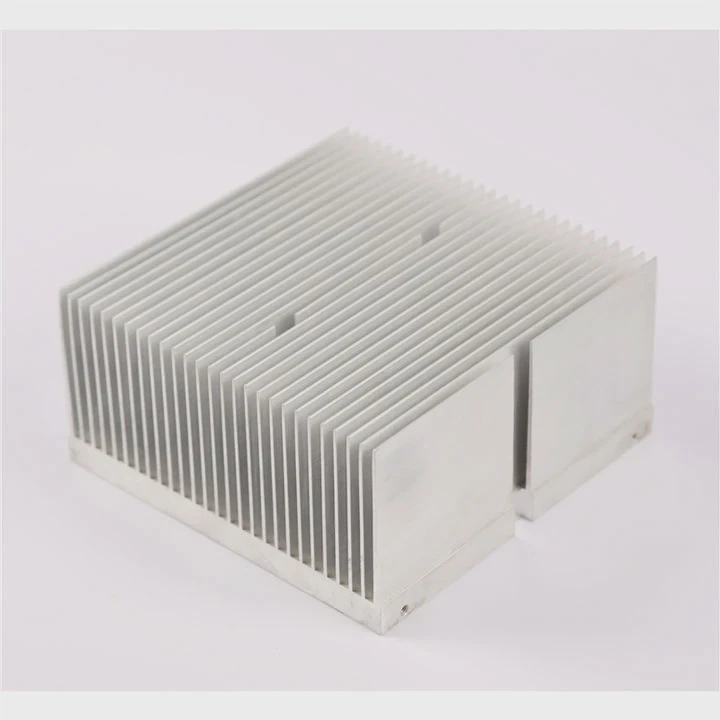
Data centers are one of the most heat-sensitive building types. Thousands of electronic components run continuously inside these facilities. Even a small increase in temperature can affect performance and equipment life.
Heat sinks are widely used inside data center equipment. They are installed on processors, power modules, voltage regulators, and other high-temperature components.
A modern data center needs more than room cooling. The cooling system must also control heat at the component level. This is where heat sinks provide value.
| Data center equipment | Thermal challenge | Heat management solution |
|---|---|---|
| Server processors | High local heat density | Advanced aluminum or copper heat sinks |
| Power supply modules | Continuous power heat generation | Custom thermal structures |
| Network switches | Compact high-power design | Small efficient heat sinks |
| Battery backup systems | Heat during charging and operation | Thermal management modules |
One major benefit of heat sinks is improving cooling efficiency. When heat is removed directly from electronic components, the overall cooling system does not need to work as hard.
This can reduce energy consumption. Data centers already use large amounts of electricity for cooling, so every improvement in thermal efficiency can create meaningful savings.
High-performance computing systems create even bigger challenges. Artificial intelligence servers, cloud computing equipment, and advanced processing systems produce more heat than traditional servers.
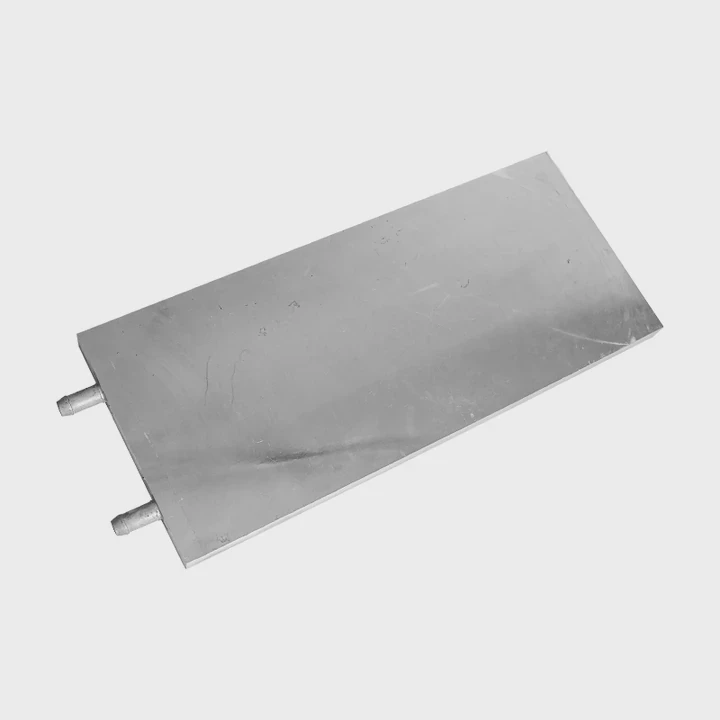
For these applications, standard heat sinks may not be enough. Engineers may combine heat sinks with vapor chambers, heat pipes, or liquid cooling plates to handle higher thermal loads.
The design process requires careful analysis. Engineers need to consider airflow, component layout, operating temperature, and reliability requirements.
A good heat sink design can also improve equipment density. When cooling becomes more effective, data centers can install more powerful equipment in limited spaces.
From my experience, thermal design has become a key factor in data center development. Companies no longer only ask how to install more computing power. They also ask how to remove the heat created by that power.
Heat sinks provide one important answer. They are not the only cooling technology, but they remain a reliable and flexible solution for many data center applications.
Can passive cooling designs be applied?
Passive cooling designs can be applied in building systems because heat sinks can transfer heat naturally without using additional power. This approach can improve energy efficiency and support sustainable building designs.
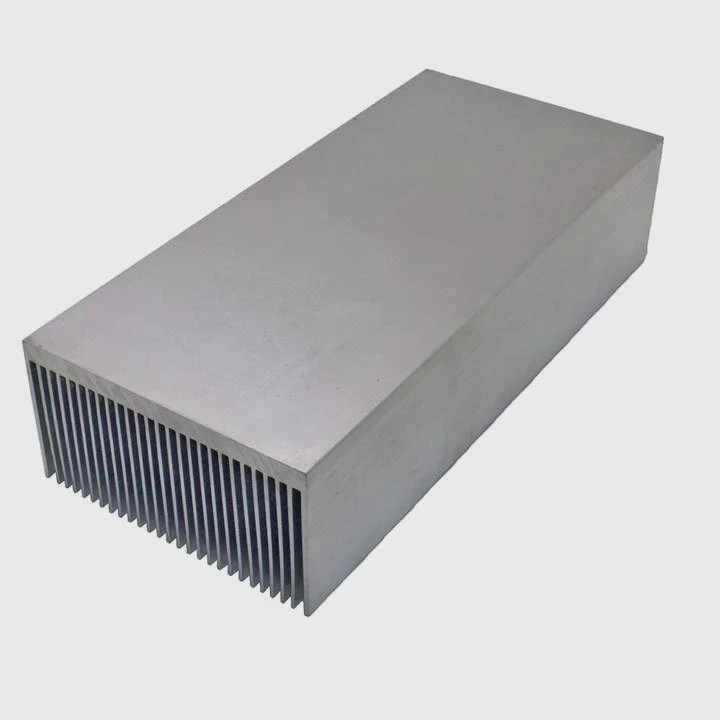
Passive cooling focuses on natural heat movement. It uses materials, structures, airflow, and environmental conditions to reduce temperature without active mechanical cooling.
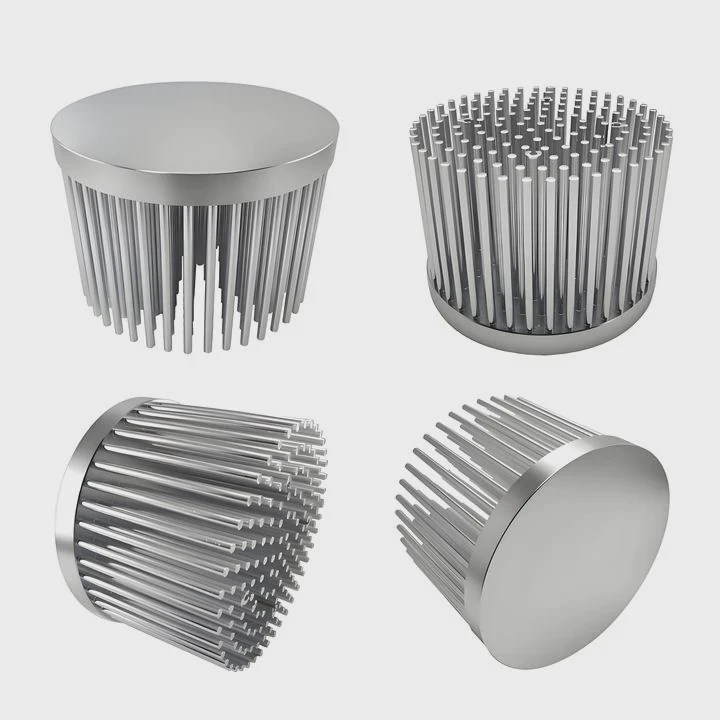
Heat sinks are useful in passive cooling because they increase the surface area available for heat transfer. More surface area allows heat to move into the surrounding environment more effectively.
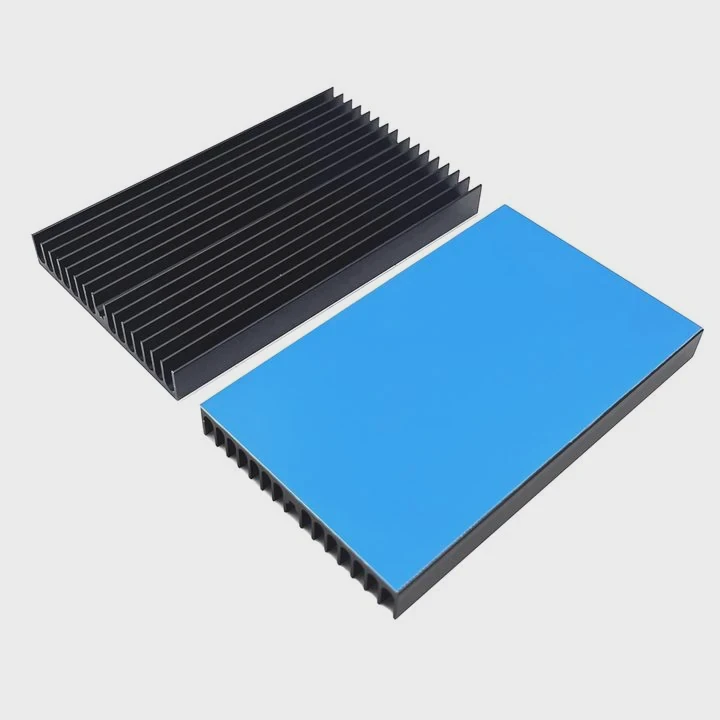
A simple example is an aluminum heat sink attached to an electronic component. The component produces heat, and the heat sink spreads this heat through its fins. Air movement then removes the heat naturally.
Main advantages of passive heat sink designs
| Advantage | Description |
|---|---|
| Lower energy use | No additional cooling power is required |
| Higher reliability | Fewer moving parts reduce failure risks |
| Lower maintenance | Simple structures need less service |
| Flexible design | Can fit different building applications |
Passive cooling is useful for many building systems. Small HVAC controllers, lighting systems, sensors, and communication equipment can benefit from this approach.
However, passive cooling also has limits. It depends on environmental conditions. If the surrounding temperature is too high or airflow is poor, the cooling effect may become weaker.
Engineers must carefully design the heat sink structure. Fin size, material choice, installation position, and airflow direction all affect performance.
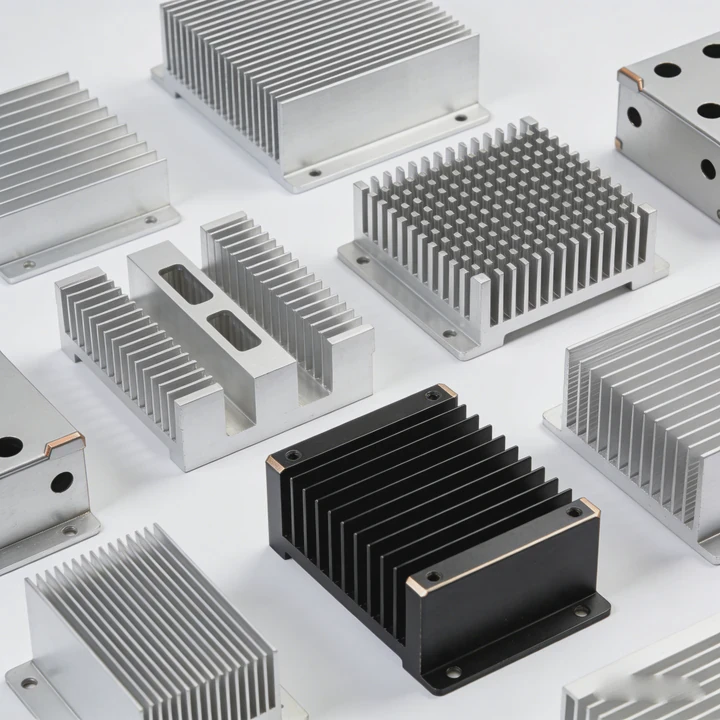
Aluminum is often selected for passive cooling because it is lightweight and has good thermal properties. Extruded aluminum heat sinks are especially common because they are easy to produce and customize.
In sustainable buildings, passive cooling is becoming more attractive. Building owners want solutions that reduce energy consumption while maintaining equipment reliability.
I see passive heat sink designs as part of a larger thermal management strategy. They work best when combined with good building design, proper ventilation, and efficient equipment placement.
The goal is not simply removing heat. The goal is creating a balanced system where heat moves naturally and energy use stays controlled.
Which building types require heat management?
Many building types require heat management because modern equipment creates more heat and needs stable operating conditions. Offices, data centers, factories, hospitals, and transportation facilities all need effective thermal solutions.
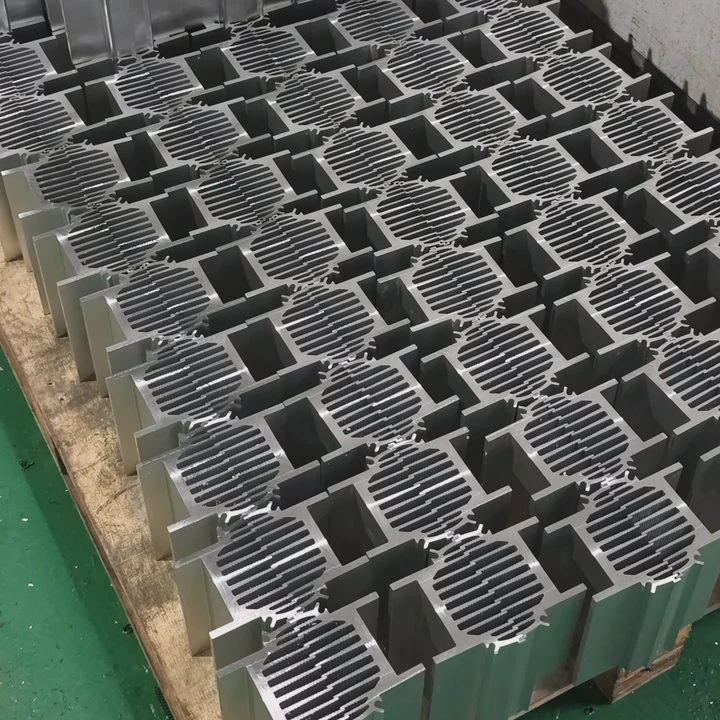
Buildings today contain more electronic systems than before. These systems improve efficiency and convenience, but they also create additional heat challenges.
Different building types have different thermal requirements. A small office may only need basic heat management for control equipment. A large industrial facility may need advanced cooling systems for high-power machines.
| Building type | Main heat source | Possible heat sink application |
|---|---|---|
| Office buildings | Smart controls and HVAC electronics | Controller cooling |
| Data centers | Servers and power systems | High-performance heat sinks |
| Hospitals | Medical devices and monitoring systems | Equipment thermal control |
| Factories | Automation equipment and power electronics | Industrial heat management |
| Transportation facilities | Control systems and communication devices | Reliable cooling modules |
Industrial buildings often need strong thermal solutions because production equipment operates for long periods. Heat buildup can affect machine accuracy and production stability.
Hospitals also require reliable heat management. Medical equipment must maintain stable performance because temperature changes can affect operation.
Transportation buildings, such as railway stations and airports, use many electronic systems. These systems need reliable cooling because they often operate continuously.
Smart buildings create another challenge. More sensors, communication systems, and automation devices mean more small heat sources throughout the building.
Heat sinks help manage these local heat problems. They provide targeted cooling where it is needed instead of increasing the cooling capacity of the entire building.
I believe future buildings will need more detailed thermal management. Traditional HVAC systems mainly control room temperature, but modern buildings also need to control equipment temperature.
Heat sinks provide a bridge between building systems and electronic thermal management. They allow buildings to become smarter, more efficient, and more reliable.
Conclusion
Heat sinks can support building HVAC systems by improving equipment cooling and thermal reliability. They are valuable in offices, data centers, and many modern buildings where efficient heat management is becoming increasingly important.