Are Heat Sinks Widely Used in Industrial Cooling?
- Yongxing
- 16 Jul ,2026
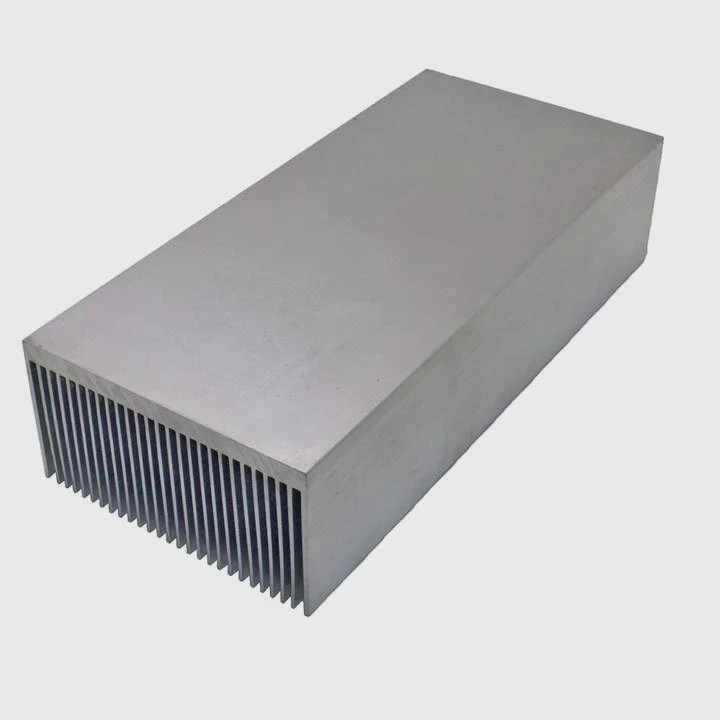
Industrial equipment creates more heat than ever before. Too much heat lowers performance, shortens equipment life, and causes costly downtime. Many engineers still wonder whether heat sinks can solve these problems in demanding industrial environments.
Yes. Heat sinks are widely used in industrial cooling because they move heat away from critical components, improve system reliability, reduce maintenance, and support both passive and active thermal management across many industries.
Industrial cooling is much more than adding a fan or installing an air conditioner. Every application has different heat loads, operating conditions, and reliability targets. That is why choosing the right heat sink design requires a clear understanding of the equipment, the environment, and the thermal goals.
Which Systems Benefit Most?
Heat problems often appear long before equipment fails. Rising temperatures reduce efficiency, increase energy consumption, and shorten component life. Many industrial systems depend on reliable thermal management to keep production running.
Power electronics, communication equipment, renewable energy systems, medical devices, industrial automation, transportation, and semiconductor manufacturing benefit the most from properly designed heat sinks because these applications generate continuous heat that must be removed safely.
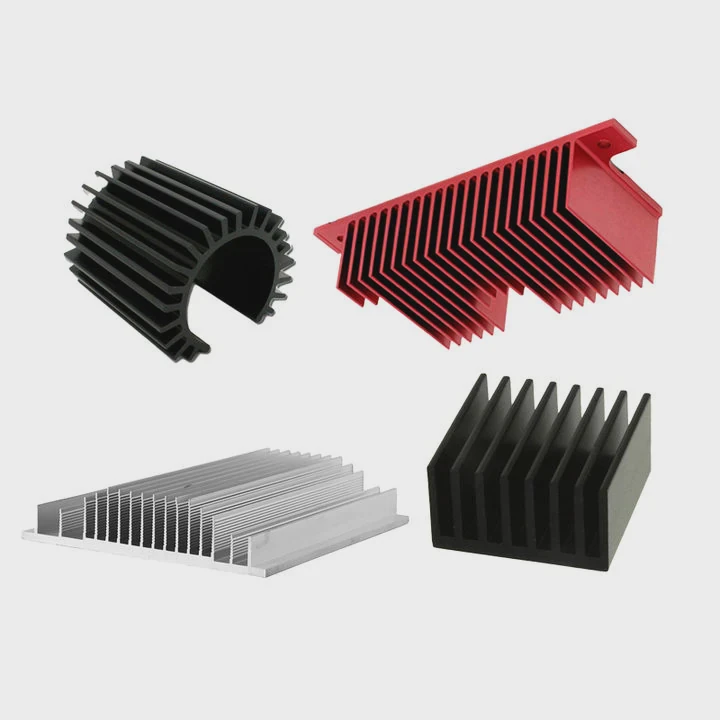
Industrial cooling covers many different markets. Each market creates heat in its own way. Some systems produce constant heat all day. Others experience sudden temperature spikes during heavy workloads. A heat sink helps stabilize temperatures and keeps important components within their safe operating range.
Common Industrial Applications
The demand for high-performance heat sinks continues to grow because modern equipment becomes smaller while power density becomes higher. This combination creates more heat in less space.
| Industry | Main Heat Source | Typical Heat Sink Solution | Primary Goal |
|---|---|---|---|
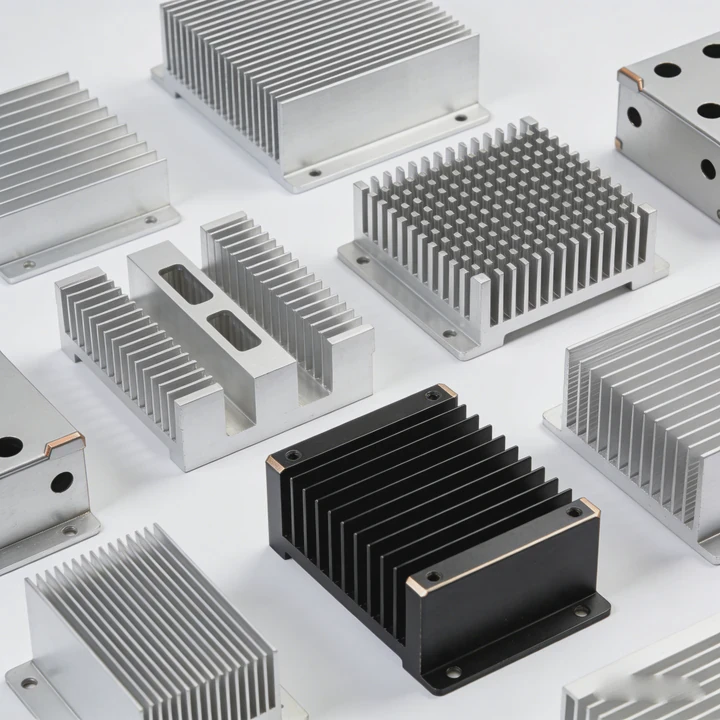
| Renewable Energy | Inverters | Aluminum extruded heat sinks | Stable efficiency |
| Rail Transit | Power modules | Vacuum brazed heat sinks | Long service life |
| 5G Communication | RF amplifiers | Vapor chamber heat sinks | Fast heat spreading |
| Medical Equipment | Power supplies | Custom aluminum heat sinks | Reliable operation |
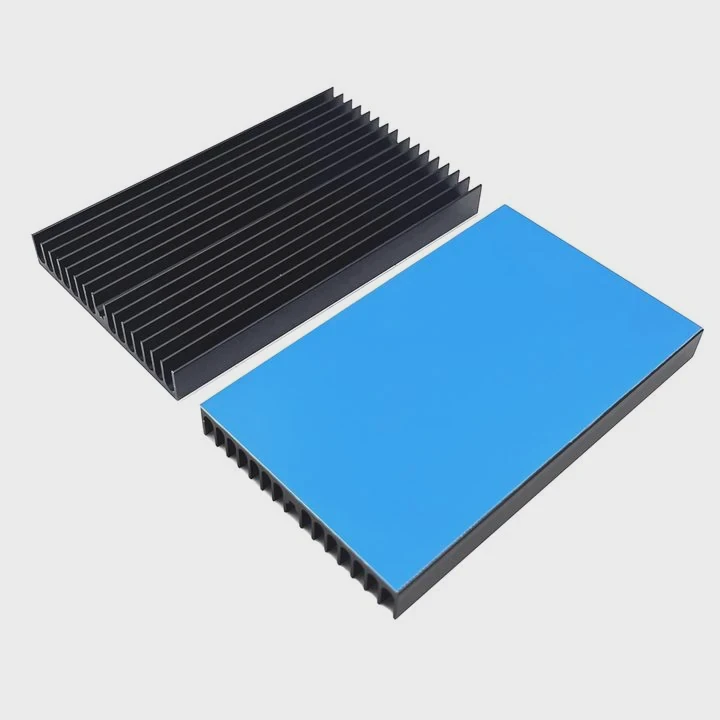
| Industrial Automation | Servo drives | Fin heat sinks | Continuous production |
| Semiconductor Equipment | High-power modules | Copper heat sinks | Precise temperature control |
Many engineers first think about computers when they hear the words “heat sink.” In reality, industrial cooling systems often use much larger and more advanced heat sinks than consumer electronics.
Large power converters, motor drives, battery storage systems, laser equipment, and industrial controllers all depend on efficient thermal management. Many of these products operate twenty-four hours a day. Even a small increase in operating temperature can reduce the expected lifetime of electronic components.
Why Heat Stability Matters
Temperature changes affect every material differently. Aluminum expands. Copper expands. Electronic packages expand as well. When these materials heat and cool repeatedly, mechanical stress increases. Over time, solder joints weaken, seals age, and performance drops.
A properly designed heat sink reduces these temperature swings. Lower thermal resistance means heat leaves the device faster. This creates a more stable operating environment for the entire system.
Many industrial customers also look beyond thermal performance alone. They often evaluate manufacturing consistency, corrosion resistance, mechanical strength, surface treatment, and production repeatability. A well-designed heat sink is not only about cooling. It is also about reliability over many years of operation.
In many projects, thermal simulation, prototype testing, and real operating measurements work together. This process helps engineers optimize fin spacing, base thickness, airflow direction, and material selection before production begins. Small design improvements often create meaningful gains in cooling performance without increasing manufacturing cost.
Do Large-Scale Machines Require Heat Sinks?
Large industrial machines generate enormous amounts of heat. Without effective cooling, equipment can slow down, lose accuracy, or fail unexpectedly. Heat management becomes more important as machine power increases.
Yes. Large-scale machines often require heat sinks because electronic controls, power modules, drives, converters, and control cabinets generate concentrated heat that must be transferred efficiently before other cooling systems remove it.
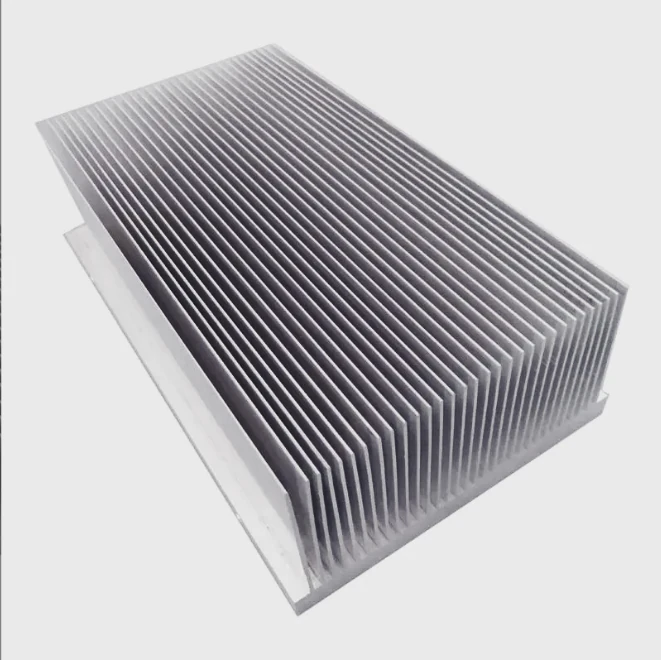
Many people assume that very large machines only depend on liquid cooling or large ventilation systems. That is only part of the picture. Inside these machines, many individual components still require dedicated heat sinks.
Where Large Machines Use Heat Sinks
A modern production line may contain dozens or even hundreds of heat sinks. Some cool motor drives. Others cool power supplies, communication modules, LED lighting, industrial computers, or high-current electrical connections.
Heat sinks often work together with fans or liquid cooling instead of replacing them.
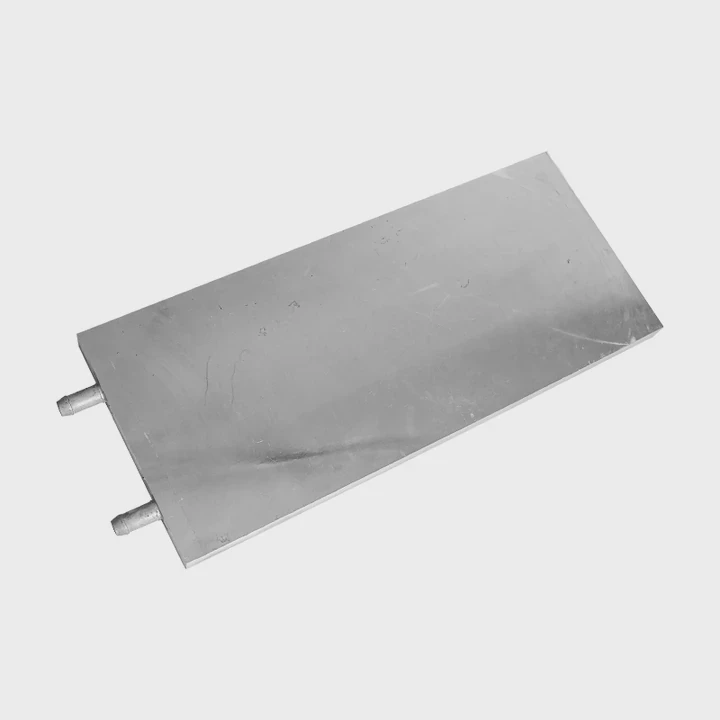
For example, a liquid cooling plate removes heat from a high-power module. That module still needs good thermal contact with a heat sink or cooling plate. The complete thermal path includes thermal interface materials, mounting pressure, metal surfaces, and coolant flow.
Heat Sink Integration Inside Large Equipment
| Machine Type | Heat Source | Cooling Method |
|---|---|---|
| CNC Machine | Servo drives | Aluminum heat sink + fan |
| Energy Storage System | Power converter | Liquid cooling plate |
| Railway Equipment | IGBT module | Vacuum brazed heat sink |
| Industrial Robot | Motor controller | Extruded heat sink |
| Laser Machine | Power electronics | Copper heat sink |
| Data Center Power Unit | Rectifier module | Heat sink + forced air |
Many industrial machines also operate in difficult environments. Dust, vibration, moisture, oil mist, and high ambient temperatures all influence cooling performance.
This is why industrial heat sinks usually have stronger mechanical designs than consumer products. Surface treatments such as anodizing improve corrosion resistance. Structural optimization increases rigidity. High-quality machining improves flatness for better thermal contact.
Another important factor is maintenance. Large factories prefer cooling systems that continue operating with minimal service. Heat sinks contain no moving parts, so they often become one of the most reliable parts of the thermal management system.
As machine power continues to rise, engineers often combine multiple technologies. Extruded aluminum, skived fins, vapor chambers, heat pipes, and liquid cooling plates can all appear inside one integrated thermal solution. Each part performs a different job, but the overall goal remains the same: move heat away as quickly and safely as possible.
Can HVAC or Process Equipment Integrate Them?
Industrial facilities already use large cooling systems like HVAC equipment. It may seem unnecessary to install heat sinks as well. In practice, these technologies solve different thermal problems.
Yes. HVAC systems and industrial process equipment frequently integrate heat sinks because localized heat removal protects sensitive electronics while the HVAC system controls the overall environmental temperature.
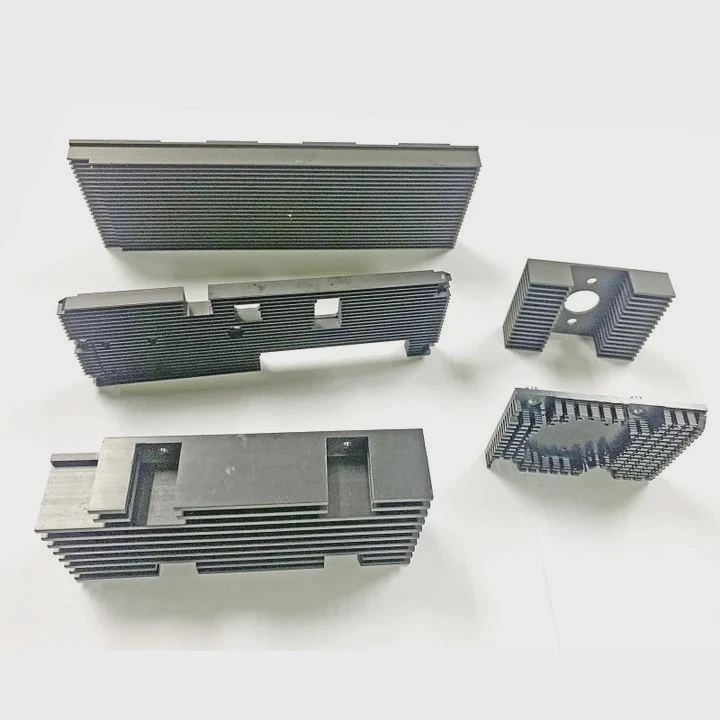
HVAC systems cool entire rooms or buildings. Heat sinks cool individual components. These two systems complement each other instead of competing.
Different Levels of Cooling
Imagine an electrical cabinet inside a manufacturing plant. The building air conditioning keeps the room at a comfortable temperature. Inside the cabinet, however, power modules may still generate hundreds or thousands of watts of heat.
Without a heat sink, the internal temperature quickly rises above the surrounding air temperature.
Heat sinks provide a direct thermal path from the heat source to the surrounding air or to another cooling medium.
Process equipment follows the same idea. Chemical processing, food production, battery manufacturing, and semiconductor fabrication all contain electronic control systems that require stable operating temperatures regardless of the ambient environment.
Typical Integration Methods
Several integration methods are common across industrial systems.
Cabinet Cooling
Large electrical cabinets often mount heat sinks directly onto power modules. Fans circulate air across the fins, while cabinet cooling units remove the accumulated heat.
Liquid Cooling Systems
High-power equipment frequently uses liquid cooling plates attached directly to electronic modules. Internal channels carry coolant through the plate while the heat sink spreads heat evenly across the cooling surface.
Heat Pipe Assemblies
Some equipment has very limited installation space. Heat pipes transfer heat from confined locations to larger external heat sinks where airflow is available.
Vapor Chamber Designs
Power density continues increasing in many industrial products. Vapor chambers spread heat rapidly across a wide surface before the heat reaches the cooling fins. This creates lower temperature differences across the entire assembly.
Good thermal integration starts early during product development. Engineers evaluate airflow, installation space, maintenance access, vibration levels, and manufacturing methods before selecting the final cooling solution.
Mechanical design also affects thermal performance. Fastener locations, mounting force, surface flatness, and thermal interface materials all influence heat transfer efficiency. Even the best heat sink cannot perform well if the interface between the heat source and the heat sink contains excessive thermal resistance.
This is why successful industrial thermal management usually combines mechanical engineering, materials science, manufacturing technology, and thermal simulation into one coordinated design process.
Are Passive Solutions Sufficient for Factories?
Many factories want lower maintenance costs and higher reliability. Passive cooling sounds attractive because it eliminates moving parts. The real answer depends on how much heat must be removed.
Passive heat sinks are sufficient for many factory applications with moderate heat loads, but high-power equipment usually combines passive heat sinks with forced air or liquid cooling to achieve reliable long-term performance.
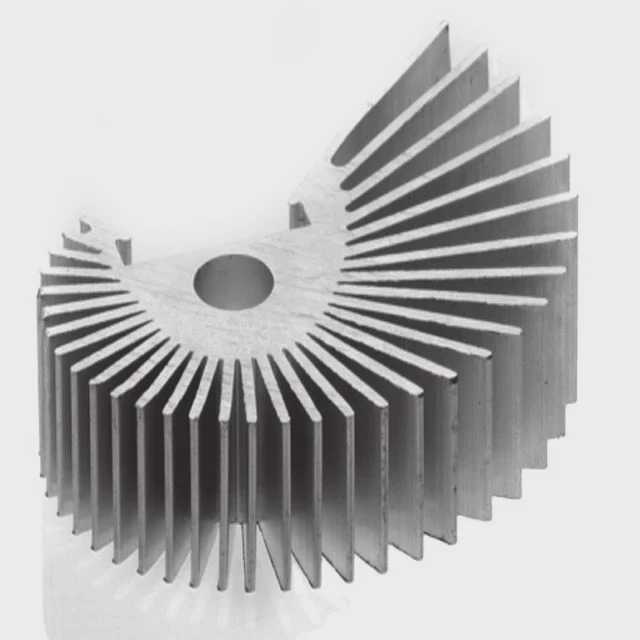
Passive cooling relies on natural convection and radiation. Heat leaves the heat sink without fans or pumps. This makes passive systems simple, quiet, and highly reliable.
Advantages of Passive Cooling
Passive heat sinks offer several important benefits.
- No moving parts
- Very low maintenance
- High long-term reliability
- Silent operation
- Lower operating cost
- Simple installation
These advantages make passive cooling attractive for outdoor communication cabinets, industrial control systems, lighting equipment, and many monitoring devices.
When Passive Cooling Is Not Enough
Some industrial systems generate several kilowatts of heat. Natural airflow cannot remove heat fast enough under these conditions.
High-power inverters, energy storage systems, railway traction equipment, AI computing hardware, and large power converters often require active cooling.
Engineers normally compare several design factors before making a decision.
The first factor is total heat generation. Higher power usually means stronger cooling requirements.
The second factor is ambient temperature. A heat sink performs differently in a cool factory than inside a hot outdoor enclosure.
The third factor is available installation space. A larger passive heat sink may cool as effectively as a smaller active solution if enough space exists.
The final factor is reliability. Some critical systems accept slightly higher manufacturing cost to reduce maintenance over many years of operation.
Modern thermal design often combines multiple cooling methods instead of selecting only one. A passive heat sink may spread heat away from the electronic device. Fans improve airflow across the fins. Liquid cooling removes heat from the highest power components. Heat pipes distribute heat evenly throughout the assembly.
This layered approach gives engineers more flexibility while maintaining reliability and efficiency.
As industrial equipment becomes more powerful, thermal management will continue evolving. Advanced manufacturing methods, improved materials, and optimized thermal simulation allow modern heat sinks to achieve much higher cooling performance than previous generations.
For many industrial applications, the best solution is not choosing between passive and active cooling. It is finding the right balance between thermal performance, manufacturing cost, maintenance requirements, available space, and long-term reliability.
Conclusion
Heat sinks have become a core part of modern industrial cooling. They support everything from automation and renewable energy to transportation and semiconductor manufacturing. When matched with the right thermal design, they improve efficiency, extend equipment life, and help industrial systems operate reliably for many years.