Are Heat Sinks Suitable for Solar Panel Cooling?
- Yongxing
- 15 Jul ,2026
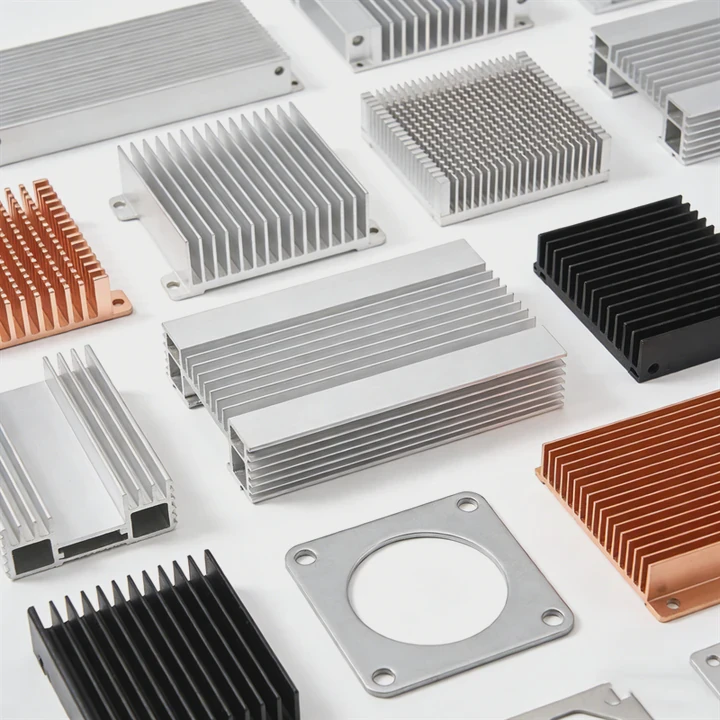
Solar panels work outdoors under strong sunlight, but high temperature can reduce their performance and shorten component life. Without proper thermal control, solar systems may lose efficiency during hot days.
Heat sinks are suitable for solar panel cooling because they remove excess heat, reduce operating temperature, protect sensitive components, and improve long-term system reliability. They are especially useful in photovoltaic inverters, power electronics, and advanced solar modules.
Many people think solar panels only need sunlight to generate power. However, heat management is also important. Every photovoltaic system faces thermal challenges because solar radiation creates both electricity and unwanted heat. A good cooling solution helps maintain stable performance and protects expensive electronic parts.
Which Solar Components Need Thermal Management?
Solar systems contain several components that generate or absorb heat during operation. Photovoltaic inverters, power modules, batteries, and advanced solar panels need thermal management because excessive heat can reduce efficiency and damage important components.
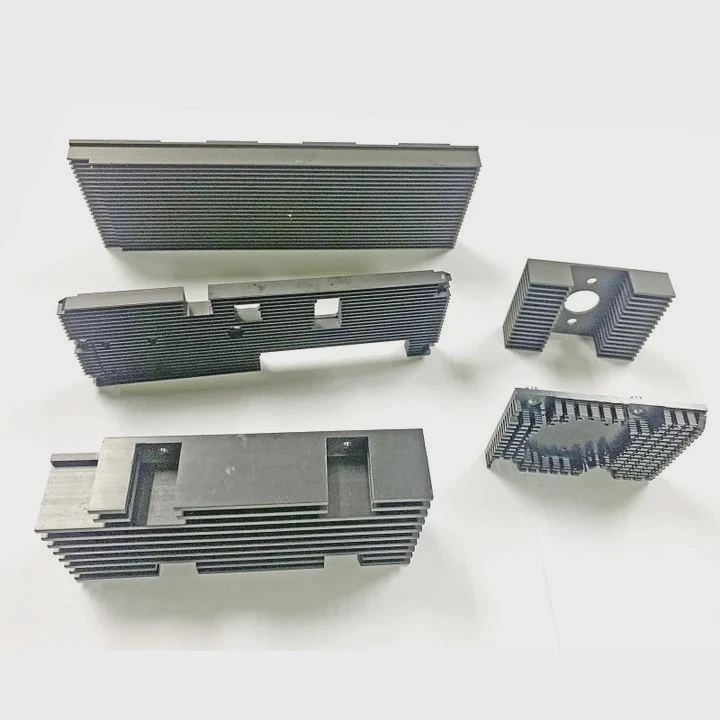
The solar industry has focused on increasing power output for many years. However, higher power density also creates more thermal challenges. Modern solar equipment contains compact electronic systems that require effective cooling.
Photovoltaic Panels
Solar panels convert sunlight into electricity, but they also absorb a large amount of solar energy as heat.
Only part of sunlight becomes electrical energy. The remaining energy increases the temperature of the panel.
High panel temperature can affect:
- Solar cell efficiency
- Material aging
- Electrical performance
- Long-term reliability
Traditional solar panels usually release heat through natural air movement and radiation. However, large commercial systems may require additional thermal solutions.
Solar Inverters
Solar inverters are one of the most important components requiring cooling.
An inverter converts DC electricity from solar panels into AC electricity for homes, factories, or power grids. During this conversion process, electronic components generate heat.
Important heat sources include:
| Component | Heat Source | Cooling Requirement |
|---|---|---|
| IGBT modules | Switching losses | High |
| MOSFET devices | Electrical resistance | Medium to high |
| Capacitors | Internal losses | Medium |
| Control boards | Electronic operation | Low |
If inverter temperatures become too high, the system may reduce power output automatically. In extreme cases, overheating can cause component failure.
Solar Energy Storage Systems
Many modern solar installations include batteries.
Battery systems require careful temperature control because excessive heat affects:
- Battery lifespan
- Charging efficiency
- Safety performance
Heat sinks, liquid cooling plates, and thermal management modules are increasingly used in solar storage applications.
Power Distribution Equipment
Large solar farms use many electrical control devices.
These systems include:
- DC combiner boxes
- Power converters
- Charging equipment
- Grid connection systems
These devices often operate continuously in outdoor environments. Reliable cooling helps maintain stable operation.
Why Thermal Management Is Becoming More Important
Solar systems are becoming more powerful and more compact.
Higher power density means more heat in smaller spaces. At the same time, customers expect longer service life and lower maintenance costs.
Thermal management is no longer only a design improvement. It has become an important part of solar system reliability.
Manufacturers now consider cooling solutions during early product design instead of adding them after overheating problems appear.
Do Photovoltaic Systems Benefit From Passive Heat Sinks?
Passive cooling solutions are widely used in photovoltaic systems because they operate without additional power consumption. Passive heat sinks benefit solar systems by using natural airflow and thermal conduction to remove heat without fans, pumps, or extra energy costs.
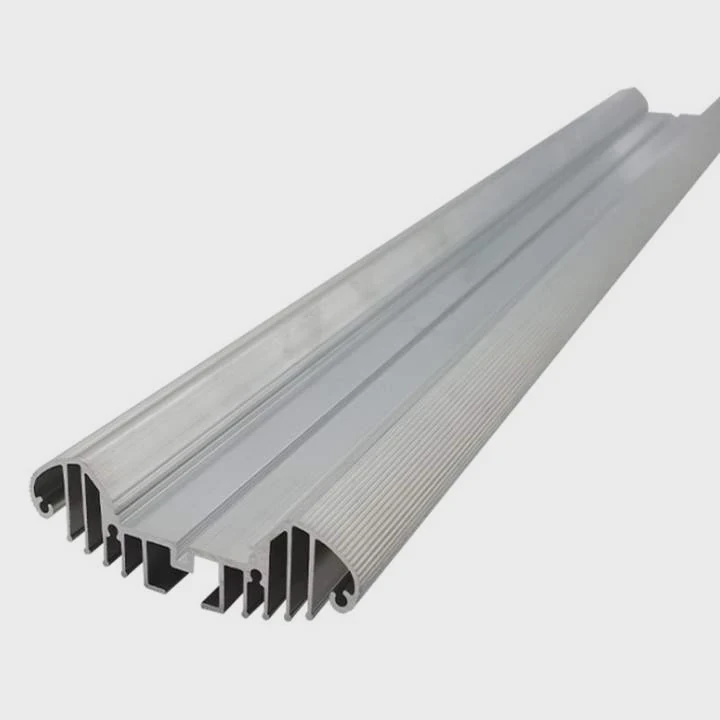
Passive heat sinks are attractive for solar applications because solar systems usually operate in remote outdoor locations. Additional active cooling equipment can increase maintenance requirements and energy consumption.
A passive heat sink uses simple physical principles.
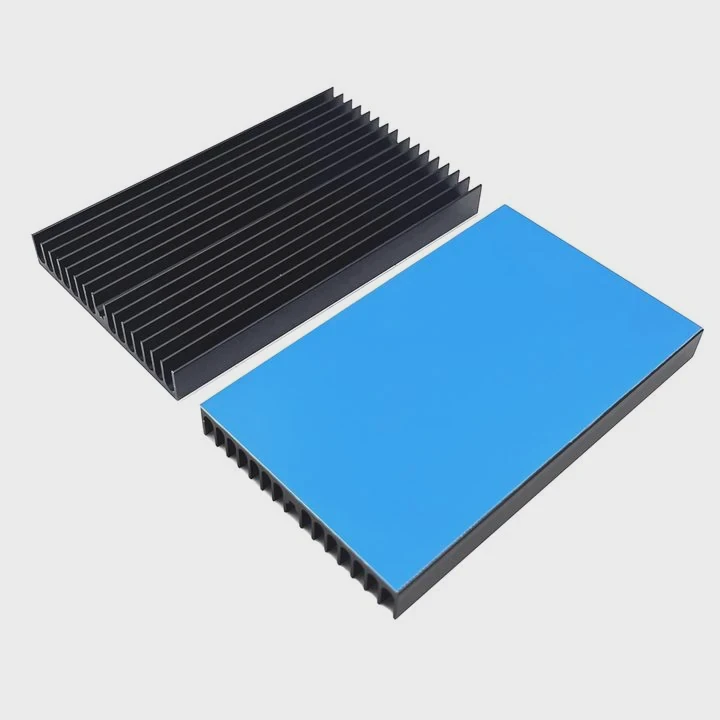
Heat moves from a hot component to the heat sink base. Then, the heat spreads through the fins and transfers into surrounding air.
Advantages of Passive Heat Sinks
Passive heat sinks provide several benefits:
| Benefit | Explanation |
|---|---|
| No extra power use | Cooling works without electricity |
| Low maintenance | No fans or moving parts |
| Long service life | Simple structure improves reliability |
| Quiet operation | No mechanical noise |
| Easy installation | Suitable for outdoor equipment |
These advantages make passive heat sinks suitable for many solar applications.
Aluminum Heat Sinks for Solar Systems
Aluminum is one of the most common materials used for solar cooling.
It provides:
- Good thermal conductivity
- Low weight
- Corrosion resistance
- Easy manufacturing
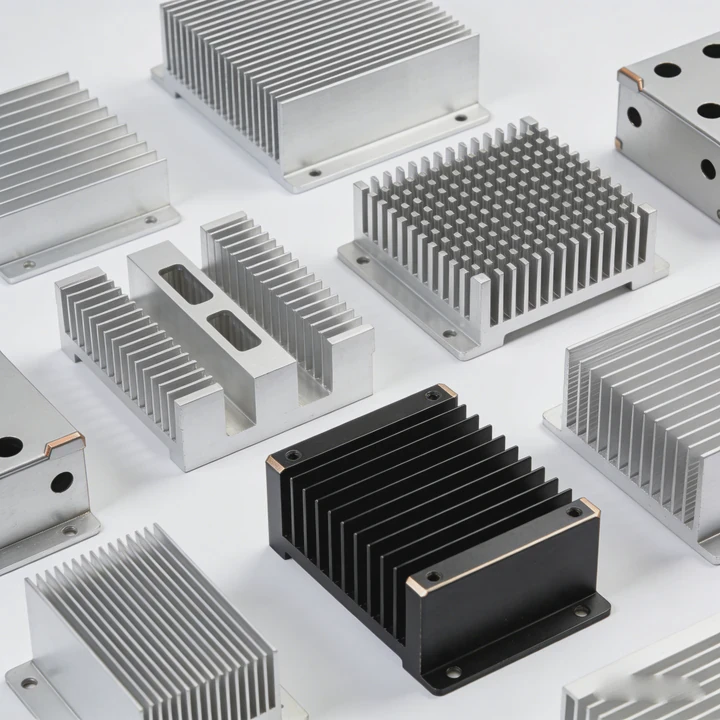
Extruded aluminum heat sinks are often used because they provide a balance between performance and cost.
For outdoor solar systems, aluminum also provides strong weather resistance when combined with proper surface treatment.
Design Factors Affecting Performance
Passive heat sink performance depends on several factors.
Important design elements include:
Fin Structure
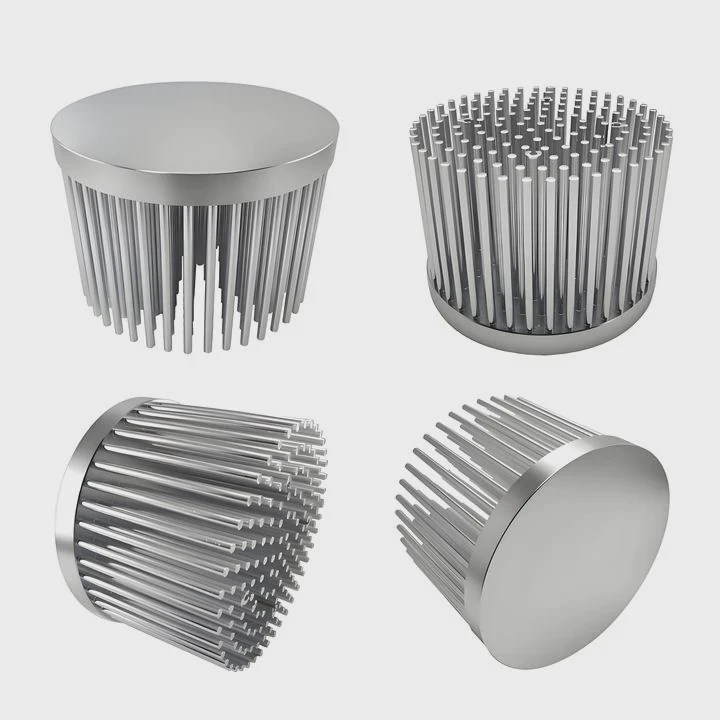
More fins can increase surface area, but too many fins may reduce airflow.
Material Thickness
A thicker base plate improves heat spreading but increases weight.
Installation Position
Vertical installation usually improves natural convection because warm air can rise freely.
Environmental Conditions
Dust, humidity, and outdoor temperature affect cooling performance.
Engineers must consider the actual installation environment instead of only testing in laboratory conditions.
Limits of Passive Cooling
Passive heat sinks are not always enough.
Large solar power systems may produce too much heat for natural cooling alone. In these cases, active or hybrid cooling methods may become necessary.
The best solution depends on:
- Power level
- Operating temperature
- Installation location
- Maintenance requirements
- Product lifetime goals
Passive cooling remains a valuable solution because it offers reliable performance with minimal complexity.
Can Heat Sinks Improve Energy Efficiency?
High temperatures reduce the performance of many electronic components. Heat sinks can improve solar system energy efficiency by maintaining lower operating temperatures, reducing thermal losses, and helping electronic devices operate closer to their designed performance range.
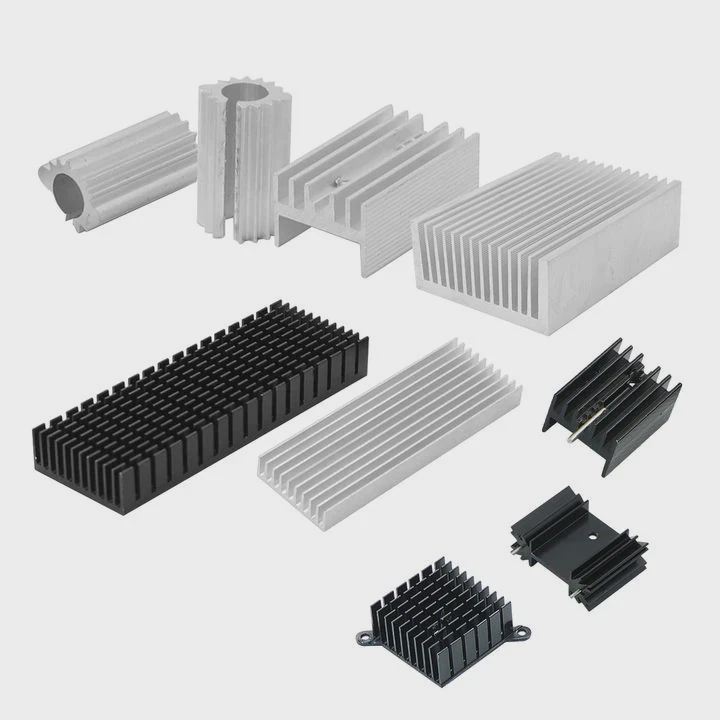
Temperature has a direct relationship with electrical performance.
For photovoltaic systems, higher temperatures often reduce conversion efficiency. For electronic components, excessive heat increases electrical resistance and accelerates aging.
Lower Temperature Supports Better Performance
When electronic components operate within a suitable temperature range, they usually perform more efficiently.
Heat sinks help by:
- Moving heat away from sensitive parts
- Reducing thermal stress
- Maintaining stable operation
- Preventing automatic power reduction
Heat Sink Impact on Solar Inverters
Solar inverters operate under changing power conditions throughout the day.
During strong sunlight periods, inverter power output increases. This also increases heat generation.
Without proper cooling, the inverter may activate thermal protection. This process reduces output power to prevent damage.
A well-designed heat sink helps maintain normal operation during high-power periods.
Long-Term Energy Benefits
The value of heat sinks is not only short-term efficiency improvement.
Better thermal control can extend equipment life.
| Without Effective Cooling | With Effective Cooling |
|---|---|
| Higher operating temperature | Lower temperature |
| Faster component aging | Longer service life |
| More maintenance needs | Better reliability |
| Higher failure risk | Stable operation |
Longer equipment life reduces replacement frequency. This improves the total economic value of the solar system.
Thermal Design and System Cost
Some designers focus only on initial equipment cost. However, thermal problems can create larger expenses later.
A small investment in heat management may reduce:
- Repair costs
- Production losses
- Downtime
- Warranty issues
For commercial solar projects, reliability often matters more than minimizing initial cost.
The Role of Advanced Heat Sink Technologies
Modern solar applications may require more advanced cooling structures.
Examples include:
- High-density fin heat sinks
- Vapor chamber cooling
- Heat pipe solutions
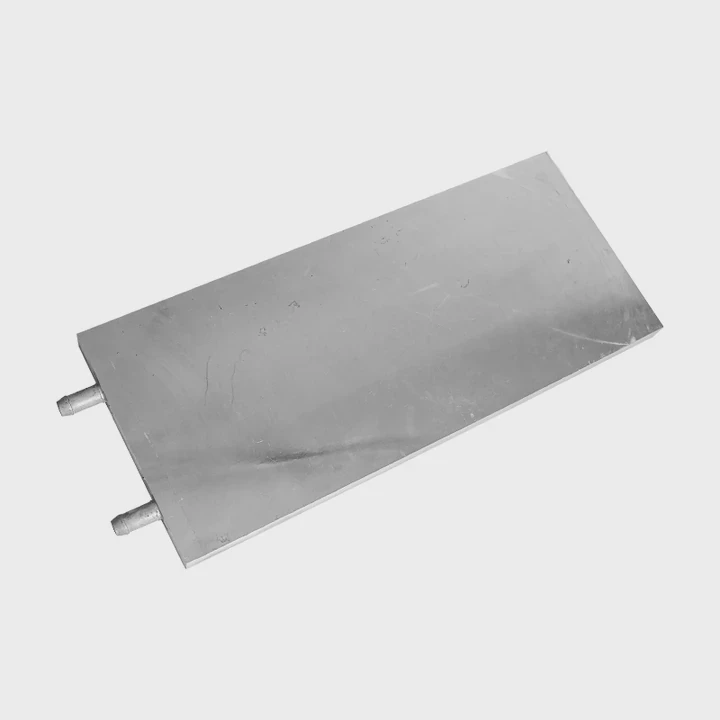
- Liquid cooling plates
These technologies help manage higher power levels in compact designs.
Are Hybrid Cooling Solutions Applied?
Solar systems with higher power density often require more than one cooling method. Hybrid cooling solutions combine passive heat sinks with active cooling technologies to improve thermal performance in demanding solar applications.
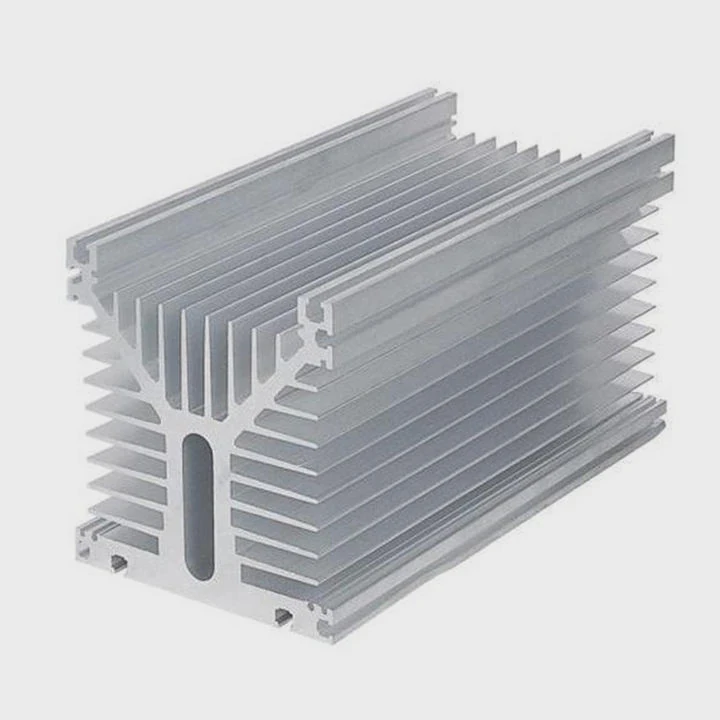
Hybrid cooling means using two or more thermal management methods together.
This approach provides better flexibility than using only passive or only active cooling.
Common Hybrid Cooling Methods
| Hybrid Method | Application | Advantage |
|---|---|---|
| Heat sink + fan | Solar inverter cabinets | Higher airflow |
| Heat sink + heat pipe | Compact systems | Better heat spreading |
| Heat sink + liquid cooling | High-power systems | Excellent heat removal |
| Heat sink + phase change material | Energy storage | Temperature stability |
Heat Sink and Fan Combination
Fans increase airflow across heat sink fins.
This solution improves cooling performance when natural airflow is limited.
It is commonly used in:
- Indoor inverter systems
- Compact power converters
- Industrial solar equipment
However, fans require maintenance and consume some energy.
Heat Sink and Liquid Cooling
Large solar storage systems may generate significant heat.
Liquid cooling plates can remove heat more effectively than air cooling in high-power applications.
They are often considered for:
- Battery energy storage systems
- Large power electronics
- High-density solar equipment
Liquid cooling requires more complex design, including pumps, channels, and monitoring systems.
Heat Sink and Phase Change Materials
Phase change materials absorb heat during temperature increases.
They can reduce sudden temperature changes and provide additional thermal protection.
This method is useful when:
- Temperature fluctuations are large
- Space is limited
- Maintenance access is difficult
Future Solar Thermal Management Trends
The solar industry continues to move toward higher efficiency and higher power density.
Future systems may combine:
- Advanced aluminum heat sinks
- Liquid cooling technology
- Smart temperature monitoring
- AI-based thermal control
Thermal management will become an important factor in solar system design.
The best cooling method depends on the specific application. Small residential systems may only need passive cooling. Large commercial systems may require advanced hybrid solutions.
A carefully designed cooling system helps solar equipment work more efficiently and operate safely for many years.
Conclusion
Heat sinks are valuable cooling solutions for solar systems because they improve thermal control, protect electronic components, and support long-term efficiency. Passive and hybrid cooling methods help modern photovoltaic systems achieve better reliability in demanding environments.