Are Heat Sinks Suitable for Industrial Machine Cooling?
- Yongxing
- 15 Jul ,2026
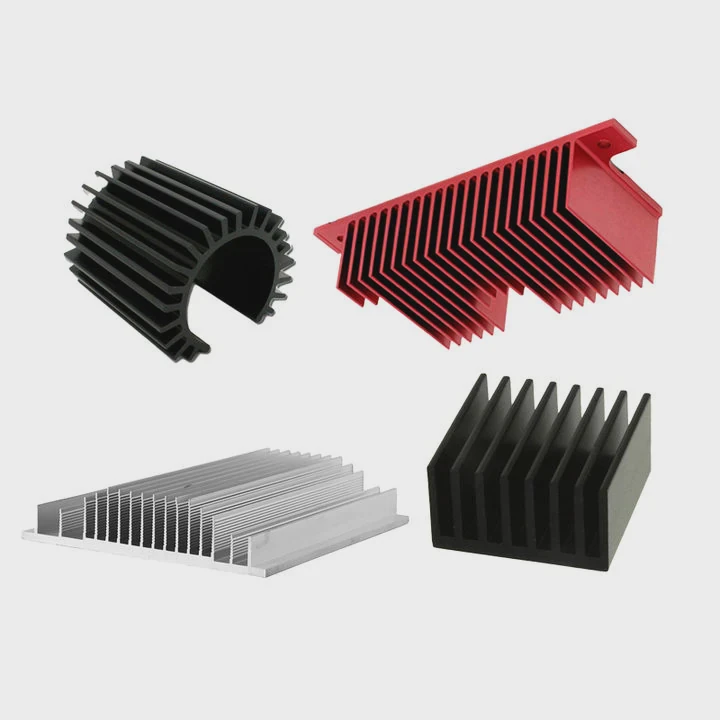
Industrial machines often work under heavy loads for long periods. Heat from electronic components can reduce performance, create failures, and increase maintenance costs.
Yes, heat sinks are suitable for industrial machine cooling because they remove heat from power electronics, controllers, motors, and high-performance equipment. They help machines maintain stable temperatures and improve operational reliability.
Modern industrial equipment uses more electronic systems than before. CNC machines, automation systems, HVAC equipment, and manufacturing lines all depend on electronic components. These components generate heat during operation, so thermal management has become an important part of machine design.
Heat sinks provide a simple and reliable cooling method. They transfer heat away from sensitive parts and release it into the surrounding environment. For many industrial applications, heat sinks are one of the most practical cooling solutions.
Do CNC and Manufacturing Machines Benefit?
CNC machines and manufacturing equipment require stable operation and high accuracy. Temperature changes can affect electronic performance, machine precision, and production efficiency.
Yes, CNC and manufacturing machines benefit from heat sinks because they cool servo drives, controllers, power modules, and other electronic components that generate heat during operation.
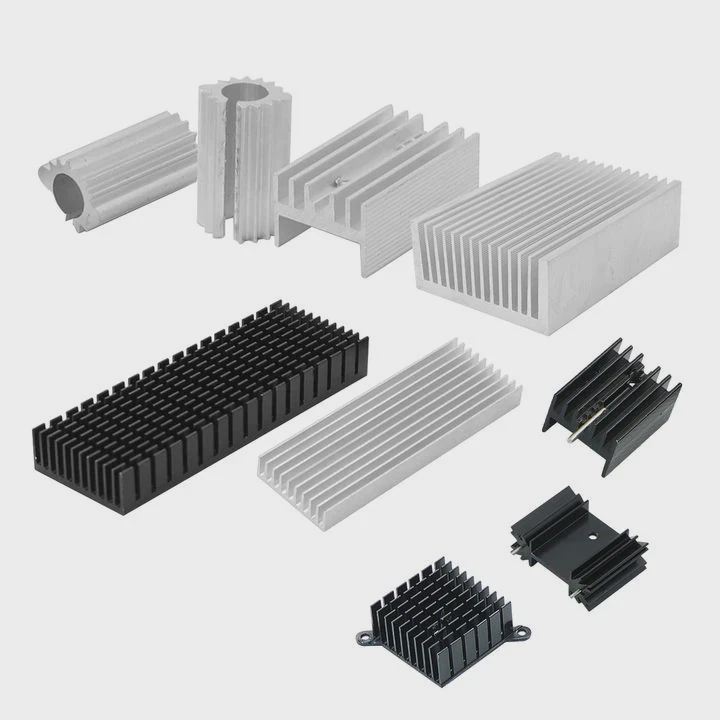
CNC machines often operate continuously in factories. During cutting, drilling, grinding, and processing operations, electrical components inside the machine create heat.
If this heat cannot be removed effectively, the machine may experience performance problems.
Common Heat Sources Inside CNC Machines
| Component | Cooling Purpose |
|---|---|
| Servo drive | Removes electrical heat |
| Motor controller | Maintains stable operation |
| Power supply | Prevents overheating |
| PLC controller | Protects control performance |
| Inverter module | Improves service life |
Heat sinks help these components maintain suitable working temperatures.
Why CNC Machines Need Thermal Control
Manufacturing equipment depends on accuracy and repeatability.
High temperatures may cause:
- Electronic component aging
- Signal instability
- Reduced machine accuracy
- Increased maintenance costs
For example, a CNC machine producing precision components needs stable electronic control. If internal electronics become too hot, production quality may become inconsistent.
A properly designed heat sink helps reduce these risks.
Common Heat Sink Solutions for CNC Equipment
Industrial machines may use different cooling solutions based on their power level and working conditions.
Common options include:
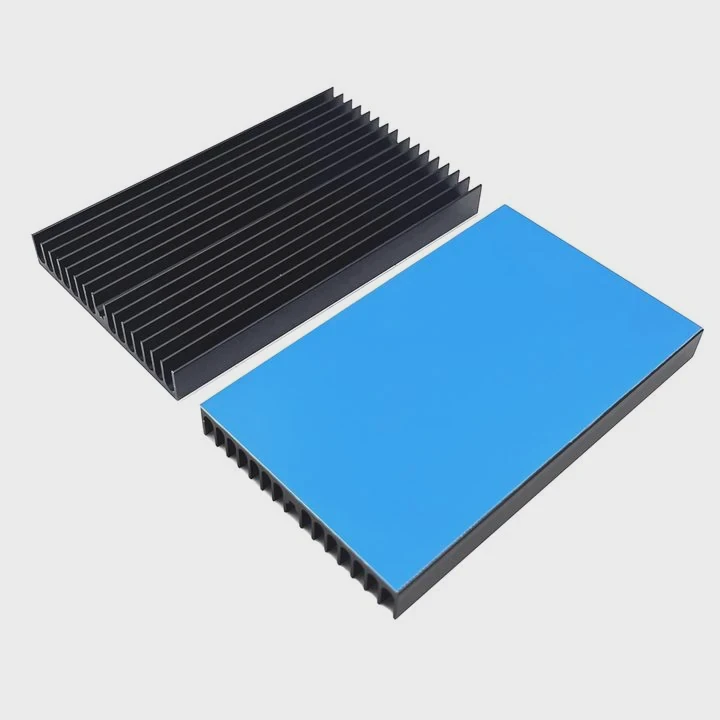
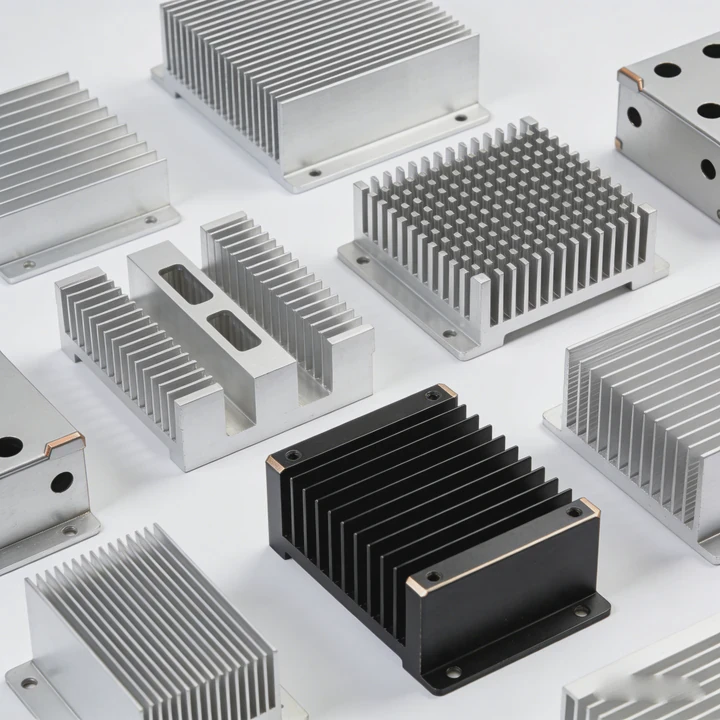
- Aluminum extrusion heat sinks
- CNC machined heat sinks
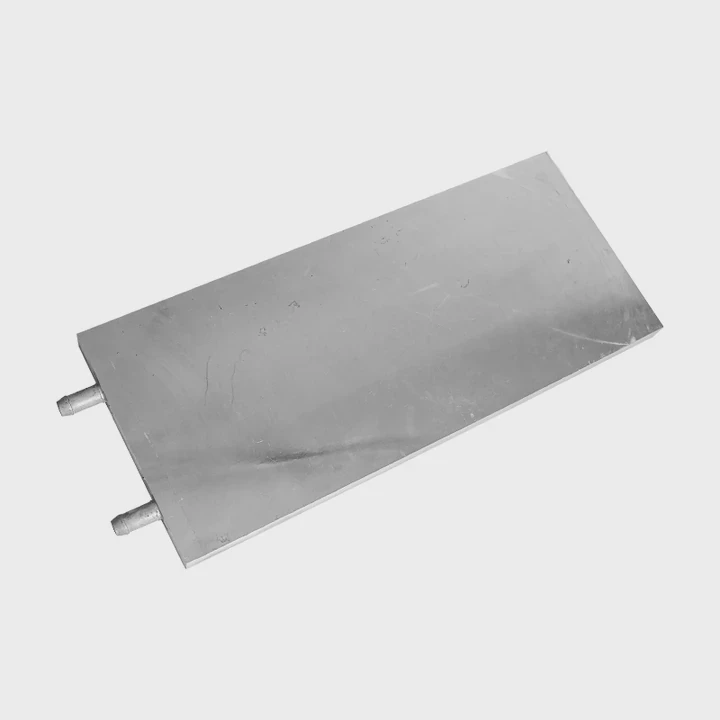
- Liquid cooling plates
- Heat pipe modules
- Fan-assisted heat sinks
Aluminum extrusion heat sinks are widely used because they provide:
- Good thermal conductivity
- Lightweight structure
- Flexible designs
- Lower production cost
For higher power machines, manufacturers may combine heat sinks with active cooling systems.
Industrial Environment Requirements
CNC machines often operate in difficult environments.
They may experience:
- Dust
- Oil contamination
- Vibration
- High temperature
- Long operating cycles
Therefore, heat sink design must consider both thermal performance and mechanical reliability.
A suitable industrial heat sink solution helps reduce downtime and supports continuous production.
Can HVAC Systems Use Heat Sinks?
HVAC systems control temperature in buildings and factories. Although HVAC equipment mainly transfers heat through refrigeration systems, its electronic components also require cooling.
Yes, HVAC systems can use heat sinks to cool inverter modules, power electronics, motor controllers, and control systems that generate heat during operation.
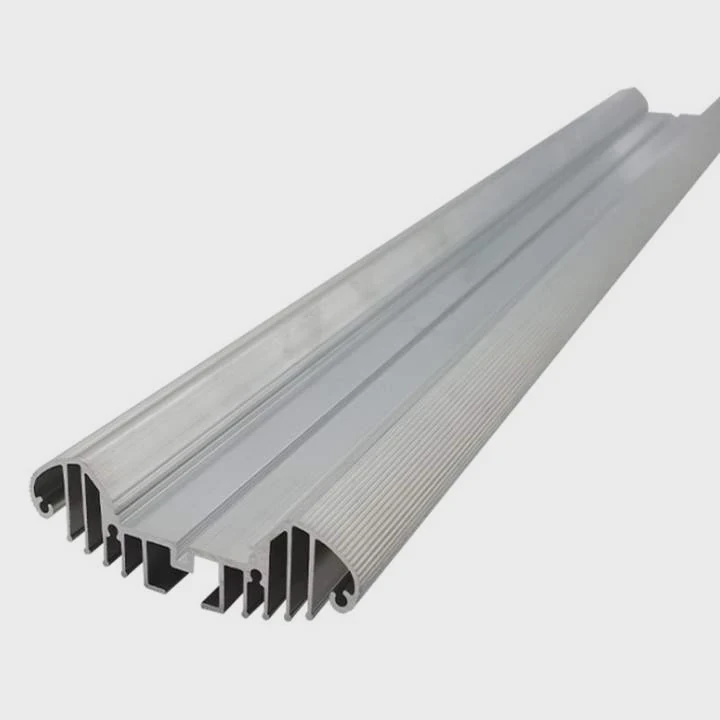
Modern HVAC equipment includes more intelligent electronic systems than traditional models.
Examples include:
- Variable frequency drives
- Smart controllers
- Power conversion units
- Communication modules
These components improve energy efficiency but also create additional heat.
Heat Sink Applications in HVAC Equipment
| HVAC Component | Heat Management Function |
|---|---|
| Inverter module | Removes switching heat |
| Motor driver | Supports stable operation |
| Power board | Protects electronic parts |
| Control system | Reduces overheating risk |
Why HVAC Electronics Need Cooling
Many HVAC systems operate for many hours every day.
Commercial buildings, factories, and data centers often require continuous climate control.
During operation:
- Electrical components generate heat.
- Efficiency may decrease.
- Component lifetime may become shorter.
Heat sinks help maintain stable temperatures and improve system reliability.
HVAC Heat Sink Design Challenges
HVAC systems usually have limited internal space.
Engineers need to balance:
- Cooling capacity
- Product size
- Manufacturing cost
- Installation requirements
A larger heat sink does not always mean better performance.
The best design provides enough cooling while keeping the equipment compact.
Outdoor HVAC Applications
Outdoor HVAC systems require stronger protection.
Heat sinks may need:
- Corrosion resistance
- Durable surface treatment
- Weather protection
- Strong mechanical structure
Aluminum heat sinks are commonly selected because they provide good thermal performance with lightweight construction.
For advanced HVAC systems, heat sinks may work together with heat pipes, vapor chambers, or liquid cooling plates.
Are High-Temperature Applications Compatible?
Many industrial machines operate in environments with high temperatures. These conditions create additional challenges for thermal management.
Yes, heat sinks can support high-temperature applications when engineers select suitable materials, structures, and cooling methods based on operating conditions.
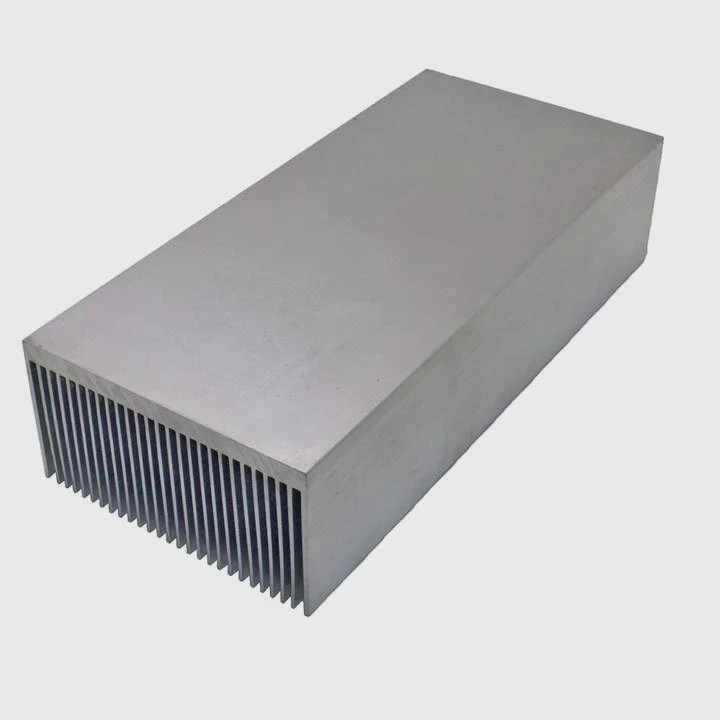
A heat sink does not create cooling by itself. It transfers heat from a source to the surrounding environment.
Therefore, engineers must understand the complete thermal system before selecting a heat sink.
Important factors include:
- Heat generation level
- Ambient temperature
- Airflow conditions
- Installation space
- Expected service life
Materials for High-Temperature Cooling
| Material | Main Advantage |
|---|---|
| Aluminum | Lightweight and easy to manufacture |
| Copper | Higher thermal conductivity |
| Aluminum-copper combination | Balanced performance |
Aluminum is widely used because it provides good conductivity and excellent extrusion capability.
Copper is selected for applications that require higher heat transfer performance.
High-Temperature Industrial Applications
Heat sinks are commonly used in:
- Laser equipment
- Semiconductor machines
- Industrial power systems
- Welding equipment
- Energy storage systems
These applications often require stable cooling during continuous operation.
Important Design Factors
High-temperature heat sink design requires attention to several areas.
Thermal Interface Quality
The connection between the heat source and heat sink must have low thermal resistance.
A poor contact surface can reduce cooling efficiency even when the heat sink itself has excellent performance.
Surface Protection
Surface treatment can improve:
- Corrosion resistance
- Environmental durability
- Product lifetime
Cooling Method Selection
Natural cooling may not be enough for extreme heat loads.
Engineers may combine heat sinks with:
- Fans
- Heat pipes
- Liquid cooling systems
A complete thermal management solution provides better results than selecting a larger heat sink alone.
Which Industries Need Heat Management Solutions?
As industrial equipment becomes more powerful and compact, heat management becomes more important. Many industries now require reliable cooling solutions to protect electronic systems.
Industries that need heat management solutions include manufacturing, renewable energy, automotive, telecommunications, semiconductor, medical equipment, transportation, and industrial automation.
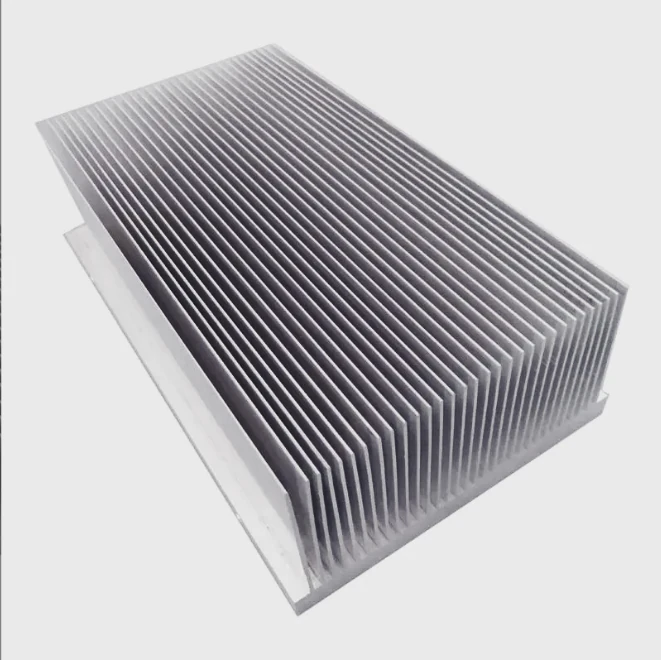
Different industries have different thermal requirements. Some applications need lightweight cooling, while others require extreme reliability and high heat removal capability.
Industries Using Heat Sink Solutions
| Industry | Heat Sink Applications |
|---|---|
| Automotive | Electric systems and power modules |
| Renewable energy | Solar inverters and storage equipment |
| Telecommunications | Communication devices |
| Medical equipment | Imaging and laser systems |
| Semiconductor | Processing equipment |
| Transportation | Railway and electric systems |
Renewable Energy Applications
Solar power systems and energy storage equipment generate large amounts of heat.
Power converters, battery systems, and control modules need effective cooling.
Heat sinks help:
- Reduce operating temperature
- Improve system stability
- Extend equipment lifetime
Telecommunications Applications
Communication equipment requires high performance in compact spaces.
5G systems and network devices generate significant heat because they contain powerful electronic components.
Heat sinks help cool:
- Power amplifiers
- Communication modules
- Control systems
Medical Equipment Applications
Medical equipment requires high reliability.
Thermal management helps protect:
- Laser systems
- Imaging devices
- Electronic controllers
Stable temperatures improve equipment operation and reduce failure risks.
Semiconductor Applications
Semiconductor manufacturing requires precise temperature control.
Heat sinks support:
- Testing systems
- Processing machines
- Control electronics
Industrial Automation Applications
Factories increasingly depend on automation.
Robots, smart controllers, and industrial computers all require reliable cooling.
A thermal failure can stop production and increase operating costs.
A professional heat management solution helps factories maintain continuous operation.
Conclusion
Heat sinks are suitable for industrial machine cooling because they provide reliable thermal control for many applications. CNC machines, HVAC systems, high-temperature equipment, and advanced industries benefit from effective heat management. Proper design and material selection improve performance and long-term reliability.