Are Heat Sinks Reliable in Electric Vehicle Cooling?
- Yongxing
- 14 Jul ,2026
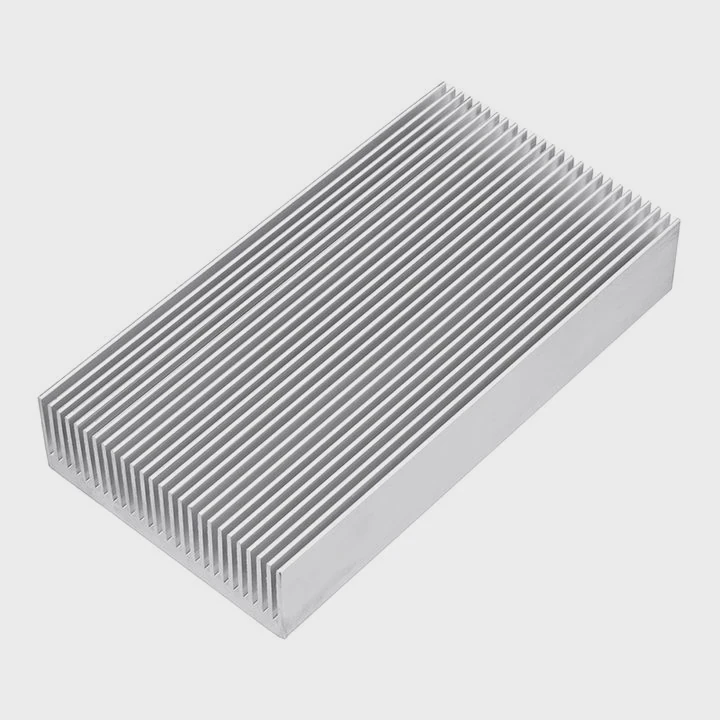
Electric vehicles create new challenges for thermal management because batteries, motors, and power electronics generate large amounts of heat during operation. Without proper cooling, performance and safety can quickly decline.
Heat sinks are reliable solutions for electric vehicle cooling because they remove heat from critical components, improve temperature control, increase system efficiency, and support long-term vehicle reliability.
Modern EV systems require more than traditional cooling methods. Battery packs, inverters, charging systems, and electric motors all need stable thermal conditions. A well-designed heat sink helps maintain safe operating temperatures and allows electric vehicles to deliver consistent performance in different environments.
Do Battery Packs Need Specialized Heat Sinks?
Electric vehicle battery packs generate significant heat during charging and driving. Battery packs often need specialized heat sinks or thermal management structures because temperature differences between battery cells can reduce performance, shorten battery life, and create safety risks.
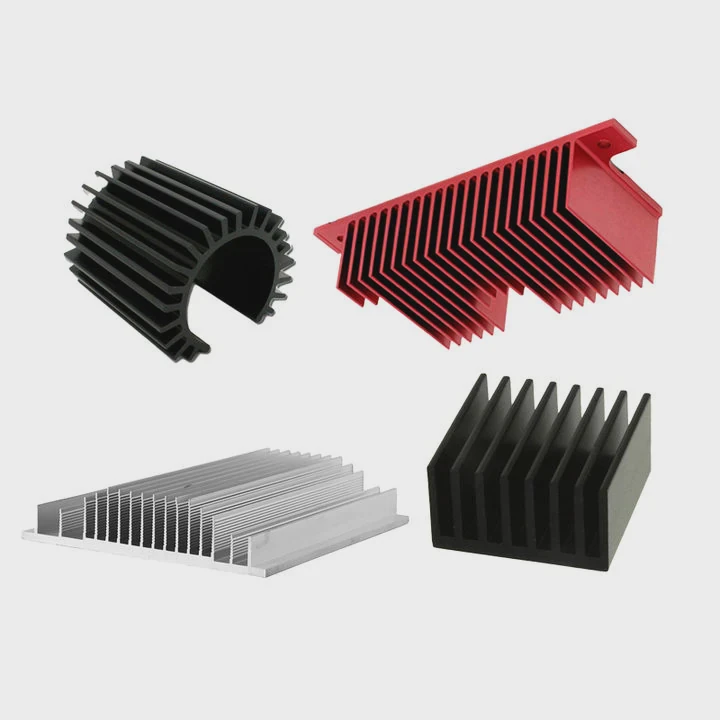
The battery pack is one of the most important parts of an electric vehicle. It stores and provides energy, but it also creates thermal challenges.
When a battery charges or discharges, internal resistance creates heat. High-speed charging, rapid acceleration, and extreme weather conditions can increase this heat generation.
Why Battery Temperature Control Matters
Battery cells perform best within a specific temperature range.
If temperatures become too high:
- Battery aging accelerates.
- Charging speed may decrease.
- Energy efficiency may drop.
- Safety risks may increase.
If temperatures become too low:
- Battery output decreases.
- Charging becomes slower.
- Driving range may reduce.
For this reason, EV manufacturers focus heavily on battery thermal management.
Heat Sink Applications in Battery Systems
Heat sinks can support battery cooling in several ways.
Common applications include:
| Application | Cooling Function | Benefit |
|---|---|---|
| Battery module heat spreader | Transfers heat away from cells | Reduces temperature differences |
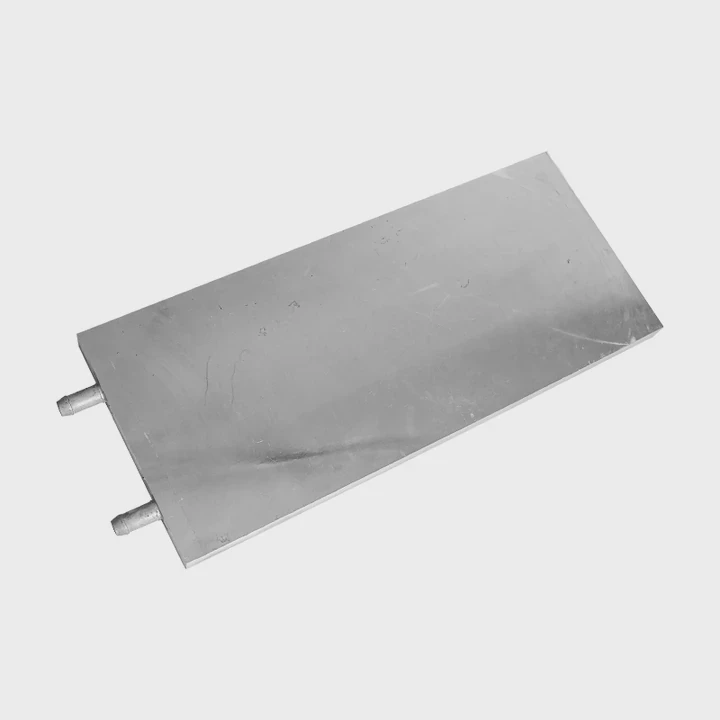
| Aluminum cooling plate | Removes heat through conduction | Improves battery stability |
| Thermal interface structure | Improves contact between parts | Reduces thermal resistance |
| Power battery cooling module | Supports high-power operation | Improves reliability |
Heat sinks are often combined with cooling channels, thermal pads, or liquid cooling systems.
Aluminum Heat Sinks for EV Batteries
Aluminum is widely used in electric vehicle thermal systems.
The reasons include:
- Lightweight structure
- Good thermal conductivity
- Corrosion resistance
- Easy manufacturing
- Cost effectiveness
EV manufacturers must balance cooling performance with vehicle weight. A heavy thermal solution may reduce vehicle efficiency, so lightweight heat sink designs are important.
Advanced Battery Cooling Designs
Modern EV battery systems increasingly use customized thermal structures.
Examples include:
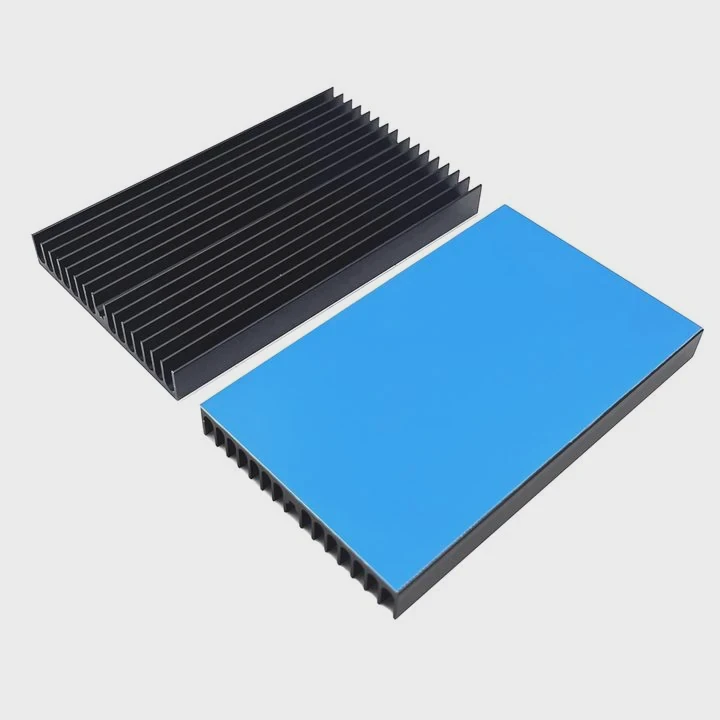
- Extruded aluminum cooling profiles
- Vacuum brazed cooling plates
- Liquid cold plates
- Integrated battery thermal modules
These designs improve heat transfer while reducing package size.
Battery Pack Reliability Depends on Thermal Uniformity
A battery pack contains many individual cells. These cells should operate at similar temperatures.
Uneven temperatures can create:
- Different aging rates
- Reduced battery capacity
- Lower charging efficiency
- Increased maintenance requirements
A good thermal design does not only remove heat. It also creates a balanced temperature environment across the battery pack.
Can Motor Efficiency Improve With Cooling?
Electric motors convert electrical energy into mechanical movement, but some energy becomes heat during operation. Cooling systems with heat sinks can improve motor efficiency by controlling temperature, reducing energy losses, and helping motors operate closer to their ideal performance range.
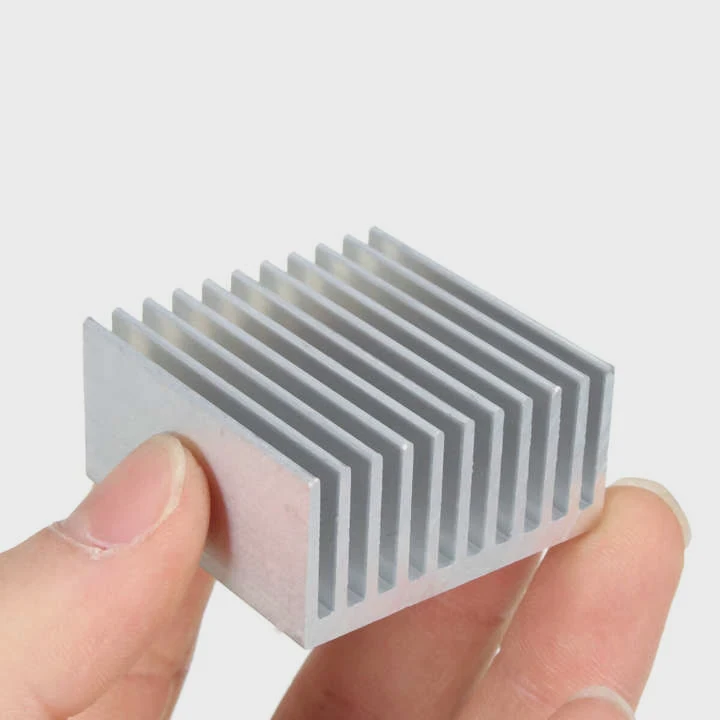
Electric vehicle motors are designed for high efficiency, but they still produce heat.
The main heat sources include:
- Copper winding losses
- Magnetic losses
- Bearing friction
- High-load operation
During acceleration or climbing, the motor works harder and generates more heat.
How Heat Affects Motor Performance
When motor temperature increases, several problems may appear.
High temperatures can cause:
- Reduced electrical efficiency
- Insulation aging
- Lower power output
- Shortened component life
A cooling system helps maintain stable operating conditions.
Heat Sink Roles in EV Motor Systems
Heat sinks are commonly used around motor control electronics rather than inside the rotating motor itself.
Important components include:
| Component | Heat Generation | Cooling Requirement |
|---|---|---|
| Inverter module | Very high | Excellent |
| Power semiconductor | Very high | Excellent |
| Motor controller | Medium to high | Strong |
| Sensors | Low | Moderate |
The inverter is especially important because it controls energy flow between the battery and motor.
Improving Inverter Efficiency
The inverter changes DC power from the battery into AC power for the motor.
During this process, semiconductor devices switch thousands of times per second. These switching operations create heat.
A high-performance heat sink helps:
- Reduce semiconductor temperature
- Improve switching reliability
- Prevent thermal shutdown
- Support higher power output
Lightweight Thermal Designs for EVs
Electric vehicles require efficient use of space and weight.
Traditional cooling solutions may be too large or heavy. Therefore, engineers develop compact heat sink structures with better thermal performance.
Common approaches include:
- High-density aluminum fins
- Heat pipe integration
- Liquid cooling plates
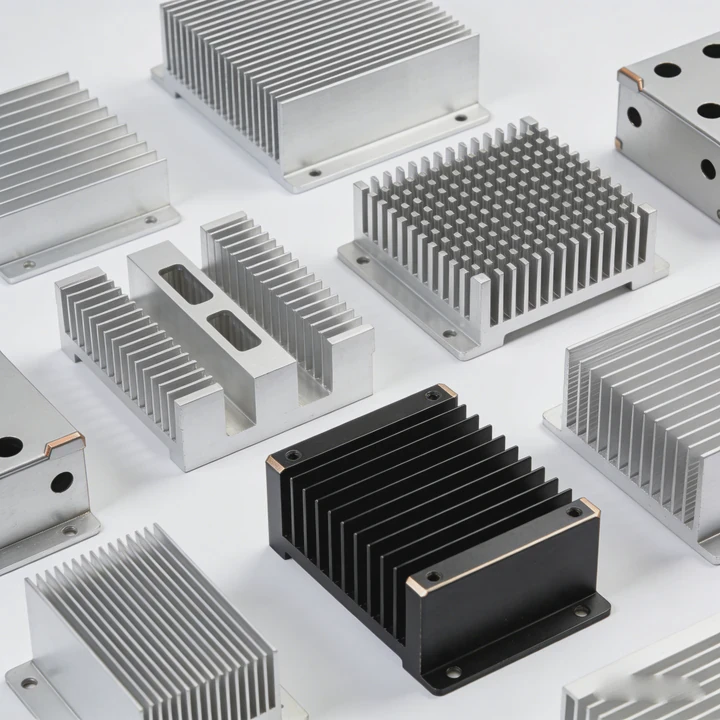
- Customized extruded profiles
These solutions allow manufacturers to improve cooling without adding unnecessary vehicle weight.
Cooling and Driving Experience
Thermal control also affects driving performance.
When EV systems maintain stable temperatures:
- Acceleration remains consistent.
- Charging performance improves.
- Power output stays predictable.
- Component life increases.
Cooling is not only about preventing failure. It directly affects how the vehicle performs every day.
Are Thermal Failures Common in EVs?
Thermal failures are not the most common EV problem when systems are properly designed, but poor thermal management can create serious issues. Thermal failures usually occur when cooling systems cannot remove enough heat, when components are overloaded, or when thermal designs do not match real operating conditions.
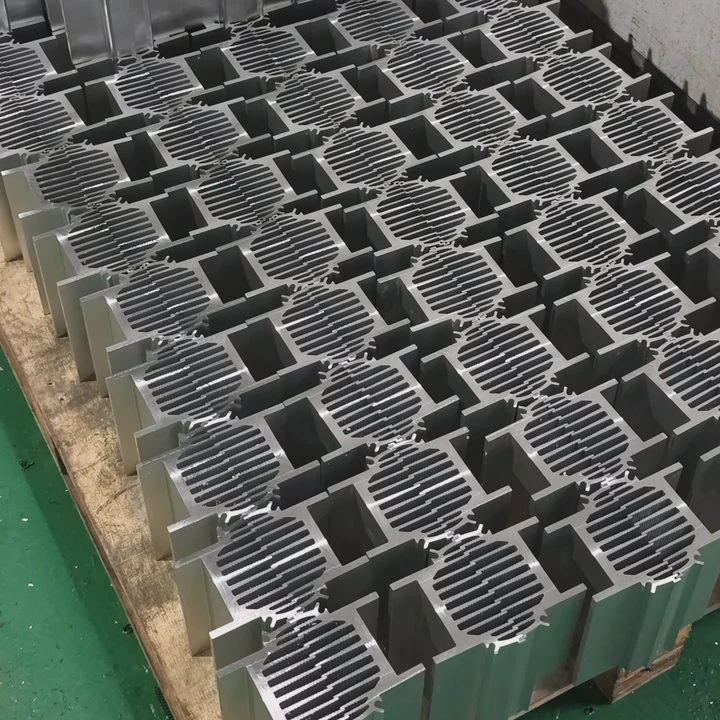
Electric vehicle manufacturers invest heavily in thermal testing because heat-related problems can affect safety, performance, and customer satisfaction.
A reliable cooling system is a key part of EV engineering.
Common Thermal Problems in EV Systems
Several situations can create thermal risks.
| Problem | Possible Result |
|---|---|
| Insufficient cooling capacity | Higher operating temperature |
| Poor thermal contact | Increased heat resistance |
| Uneven battery temperature | Faster cell aging |
| Cooling system failure | Reduced performance |
| Incorrect material selection | Lower heat transfer |
Battery Thermal Events
Battery safety receives significant attention because battery cells store large amounts of energy.
A poorly controlled battery temperature may increase risks.
Manufacturers reduce these risks through:
- Battery monitoring systems
- Temperature sensors
- Cooling plates
- Thermal barriers
- Advanced materials
Heat sinks support these systems by helping move heat away from sensitive areas.
Power Electronics Thermal Stress
Power electronics often experience rapid temperature changes.
Repeated heating and cooling cycles can create mechanical stress.
This may affect:
- Solder joints
- Semiconductor connections
- Interface materials
A reliable heat sink design reduces temperature peaks and improves durability.
Why Testing Is Important
Thermal performance should be verified before mass production.
Common EV thermal tests include:
| Test Type | Purpose |
|---|---|
| Temperature cycling | Checks durability |
| Thermal resistance testing | Measures heat transfer |
| Vibration testing | Simulates vehicle conditions |
| Environmental testing | Tests extreme conditions |
| Reliability testing | Evaluates long-term performance |
Testing helps engineers identify problems before vehicles reach customers.
Real-World Operating Conditions
Laboratory testing is important, but real driving conditions are more complex.
EV cooling systems must handle:
- Summer heat
- Winter temperatures
- Fast charging
- Heavy loads
- Long-distance driving
A reliable thermal design considers all these situations.
Which Designs Ensure Long-Term Reliability?
Long-term EV cooling reliability depends on material selection, thermal design, manufacturing quality, and complete system testing. The most reliable heat sink designs combine lightweight materials, efficient structures, strong connections, and proven manufacturing processes.
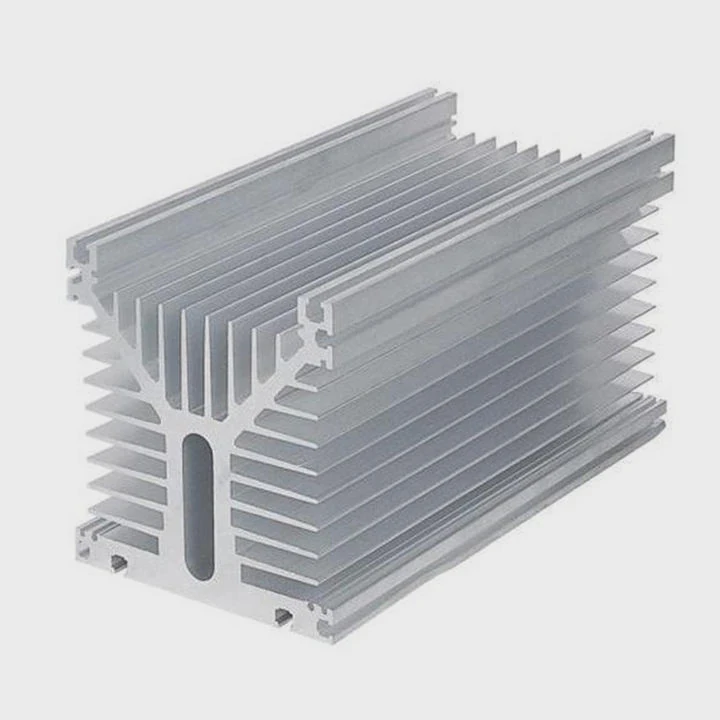
EV thermal systems must operate for many years under changing conditions.
A good design should provide stable performance throughout the vehicle lifetime.
High-Performance Materials
Material choice directly affects cooling performance.
Common materials include:
| Material | Advantage | Application |
|---|---|---|
| Aluminum | Lightweight and cost-effective | Most EV cooling parts |
| Copper | Excellent conductivity | High-performance areas |
| Composite materials | Weight reduction | Advanced designs |
Aluminum remains the preferred choice for many EV heat sinks because it offers a strong balance between performance and weight.
Advanced Manufacturing Processes
Manufacturing quality affects thermal reliability.
Important processes include:
- Vacuum brazing
- Friction stir welding
- Laser welding
- Precision extrusion
- CNC machining
These processes help create strong and reliable thermal structures.
Integrated Thermal Modules
Future EV systems are moving toward integrated designs.
Instead of using separate cooling parts, manufacturers combine multiple functions into one thermal module.
Benefits include:
- Smaller size
- Lower weight
- Easier installation
- Better thermal control
Reliability Through Simulation and Testing
Computer simulation helps engineers optimize designs before production.
Thermal simulation can evaluate:
- Heat distribution
- Temperature changes
- Airflow patterns
- Cooling performance
After simulation, physical testing confirms actual performance.
Quality Control During Production
Mass production requires stable quality.
Important controls include:
- Material inspection
- Dimensional measurement
- Leak testing for cooling plates
- Thermal performance testing
- Production traceability
Consistent manufacturing helps ensure every EV cooling component performs as expected.
Future Development of EV Cooling
Electric vehicles continue to increase power levels and charging speeds.
Future cooling technologies may include:
- Advanced vapor chamber systems
- Liquid cooling integration
- Phase change materials
- Smart thermal monitoring
Heat sinks will continue to play an important role because they provide reliable heat transfer solutions for many EV applications.
The success of electric vehicles depends not only on battery capacity and motor power. Thermal management is equally important. A reliable heat sink design helps EV systems operate safely, efficiently, and consistently over many years.
Conclusion
Heat sinks are reliable components for electric vehicle cooling because they improve temperature control, protect critical systems, and support long-term performance. With advanced materials and careful design, heat sinks help EVs achieve safer and more efficient operation.