Are heat sink materials consistent in quality?
- Yongxing
- 14 Jul ,2026
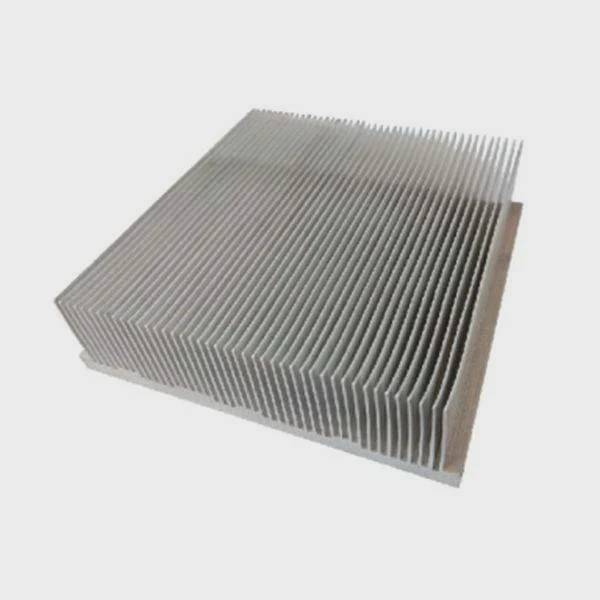
Heat sinks need stable material quality because even small differences can affect thermal performance, strength, and product life. Unstable materials may create unexpected problems during production and final use.
Heat sink materials can achieve consistent quality when suppliers use controlled raw materials, strict production processes, and complete inspection systems. Material consistency depends on alloy control, surface treatment management, thermal testing, and quality tracking.
When I work with heat sink manufacturing topics, I see that material quality is one of the most important factors in thermal management. A heat sink is not only a metal part. It is a precision cooling component that must transfer heat efficiently for many years.
For OEM customers, stable material quality is especially important. A product may pass testing during the sample stage, but unstable materials can create problems during mass production. Reliable suppliers need to control every step from raw material selection to final inspection.
Do suppliers guarantee alloy uniformity?
Suppliers can guarantee alloy uniformity through strict material control, chemical composition testing, and production monitoring. Stable alloy composition helps heat sinks maintain consistent thermal performance and mechanical strength.
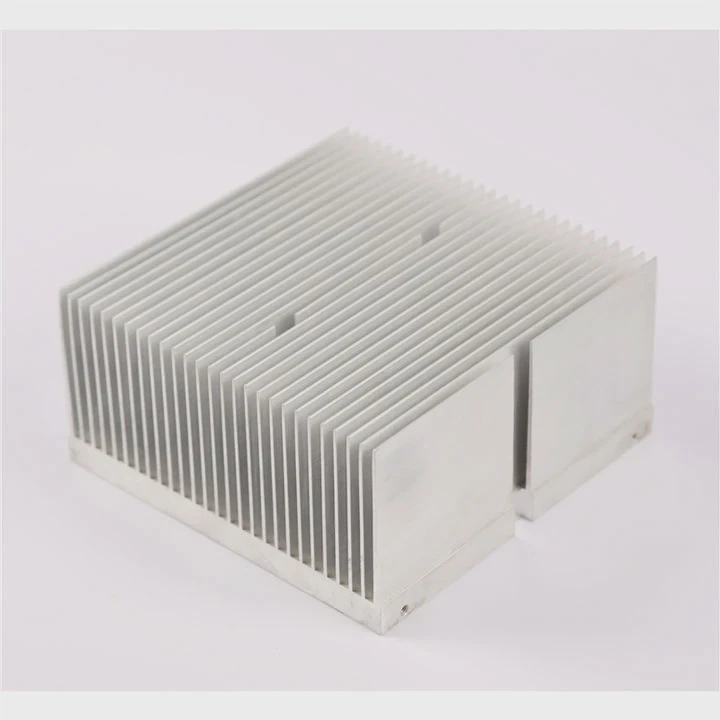
Most heat sinks use aluminum alloys because aluminum provides a good balance between thermal conductivity, weight, cost, and manufacturing flexibility. However, not all aluminum alloys have the same performance.
Different alloy compositions create different material characteristics. Small changes in elements such as silicon, magnesium, copper, or zinc can influence strength, conductivity, and processing behavior.
Professional suppliers control alloy uniformity by selecting reliable raw materials and checking chemical composition before production.
| Material control method | Purpose | Quality benefit |
|---|---|---|
| Raw material inspection | Confirm material source and composition | Reduce material variation |
| Chemical analysis | Check alloy elements | Maintain correct alloy ratio |
| Batch tracking | Record production history | Improve traceability |
| Supplier qualification | Evaluate material providers | Ensure stable supply |
The first step is selecting qualified raw materials. A supplier should understand where the aluminum comes from and whether the material meets required standards.
During production, manufacturers often use equipment to analyze chemical composition. This process confirms that the alloy contains the correct percentage of each element.
For example, an aluminum extrusion heat sink requires stable material characteristics because the extrusion process depends on material behavior. If the alloy changes between batches, the production process may become less stable.
Alloy uniformity also affects machining quality. CNC processing, drilling, and surface treatment can produce different results when material properties are inconsistent.
For high-performance applications, customers often require material certificates. These documents provide information about alloy grade, production batch, and test results.
I believe material certificates are valuable because they create trust between suppliers and customers. They allow customers to understand what material they receive and how the product quality is controlled.
However, documentation alone is not enough. A supplier needs a complete quality system behind the documents. Regular testing and production monitoring are necessary to maintain long-term consistency.
For industries such as automotive, railway, aerospace, and industrial electronics, alloy stability is often a key requirement. These applications need products that perform reliably under different temperatures, vibration conditions, and operating environments.
A strong heat sink supplier does not only produce parts. The supplier manages material quality from the beginning of the manufacturing process.
Can coatings vary between batches?
Coatings can vary between batches because surface treatment processes depend on chemical conditions, production parameters, and environmental factors. Proper process control can reduce these differences and maintain stable appearance and performance.
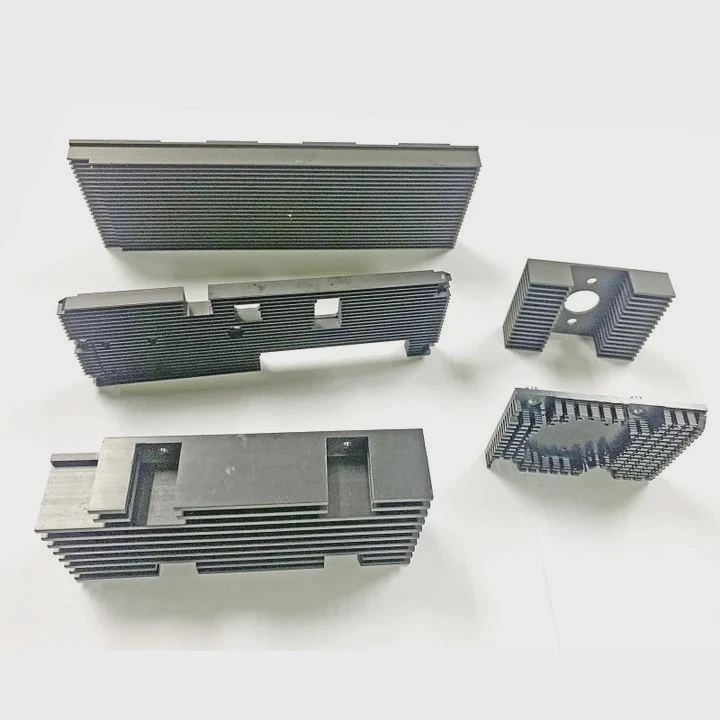
Many heat sinks use surface treatments such as anodizing, painting, or special coatings. These treatments improve corrosion resistance, surface protection, and appearance.
However, coating consistency can become a challenge during mass production. A small difference in chemical concentration, temperature, or processing time may affect the final surface quality.
| Coating factor | Possible variation | Control method |
|---|---|---|
| Chemical solution | Different concentration levels | Regular chemical testing |
| Processing time | Uneven coating thickness | Process monitoring |
| Surface preparation | Different cleaning quality | Standard cleaning procedures |
| Production environment | Temperature or humidity changes | Environment control |
Anodizing is one of the most common treatments for aluminum heat sinks. It creates a protective oxide layer on the surface.
The thickness and color of anodizing need careful control. If the process changes between batches, customers may notice differences in appearance.
More importantly, coating variation can affect function. A poor coating may reduce corrosion resistance or create surface problems.
Manufacturers control coating quality by monitoring important parameters. These include chemical concentration, temperature, voltage, and processing time.
Surface preparation is also critical. Before coating, the heat sink surface must be clean and consistent. Oil, dust, or oxidation can affect coating results.
For OEM projects, customers often require color consistency and surface quality standards. This is especially important for products used in visible locations or consumer equipment.
I have found that communication between customers and suppliers is important for coating requirements. Customers should define whether they care about appearance, corrosion resistance, electrical insulation, or all these factors.
A professional supplier should provide coating test reports when needed. These reports may include coating thickness tests, adhesion tests, and corrosion tests.
Batch-to-batch consistency does not mean every product looks exactly the same under all conditions. Some minor differences may happen because of production factors. The goal is to keep variation within acceptable limits.
For industrial heat sinks, function is usually more important than appearance. However, stable coating quality still supports long-term reliability.
A controlled coating process helps customers receive predictable products. It also reduces problems during assembly and final inspection.
Are thermal properties reproducible?
Thermal properties of heat sink materials can be reproducible when suppliers control material composition, manufacturing processes, and testing methods. Stable thermal performance is essential for reliable cooling system design.
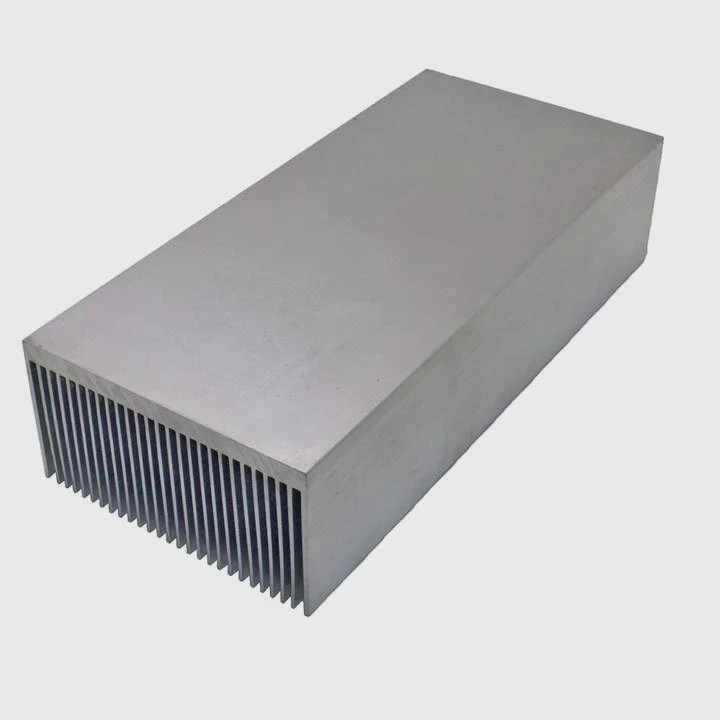
Thermal performance is the main reason customers choose heat sinks. A heat sink must remove heat efficiently and maintain stable performance during operation.
However, thermal performance depends on many factors. Material conductivity, structure design, surface quality, and manufacturing accuracy all influence the final result.
A heat sink made from the same alloy should provide similar thermal behavior when production conditions are controlled.
| Thermal performance factor | Impact on heat sink performance |
|---|---|
| Material conductivity | Determines heat transfer ability |
| Alloy consistency | Maintains stable thermal behavior |
| Manufacturing accuracy | Supports predictable performance |
| Testing method | Confirms actual performance |
Material conductivity is one important factor. Aluminum alloys have different conductivity values, and suppliers must select the correct material for the application.
Design also affects thermal performance. Two heat sinks made from the same material may perform differently because of different fin structures or sizes.
This means suppliers need to control both material and manufacturing quality.
Thermal testing helps confirm performance. Engineers can measure temperature differences, thermal resistance, and heat transfer capability.
For high-power applications, customers often require thermal test reports. These reports help confirm that the heat sink can meet the system requirements.
I believe reproducible thermal performance is one of the biggest advantages of working with experienced manufacturers. A supplier with strong process control can provide stable results across thousands of units.
Mass production creates challenges because small variations can increase over time. A good supplier uses statistical methods and regular inspections to identify problems early.
Thermal simulation is also useful during development. Engineers can predict performance before production and compare simulation results with physical testing.
For OEM customers, reproducibility is important because their products also need stable performance. If every heat sink behaves differently, system design becomes difficult.
A reliable heat sink supplier understands that customers need more than a single good sample. They need consistent products throughout the entire production cycle.
Which quality controls ensure consistency?
Quality controls ensure heat sink material consistency through inspection systems, process monitoring, testing procedures, and production traceability. These controls help suppliers deliver stable products for different industries.
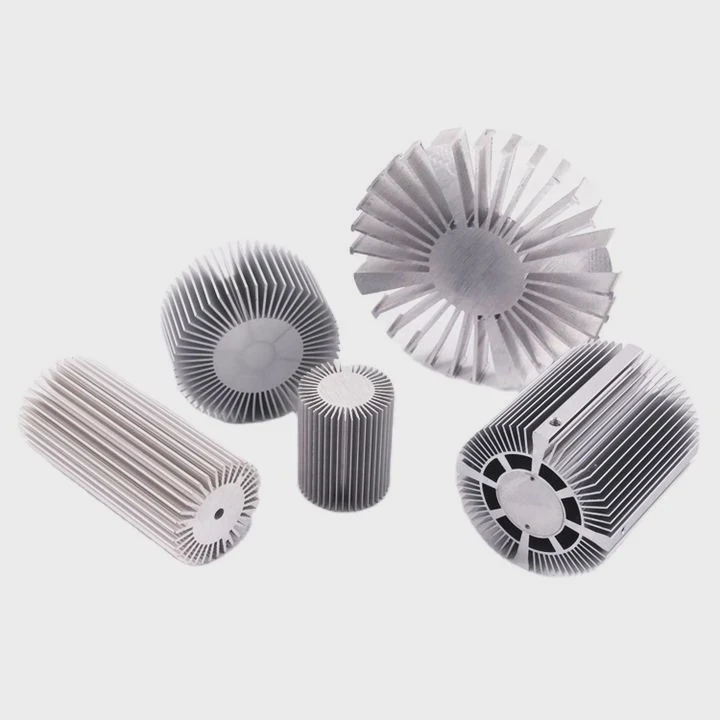
A complete quality control system starts with incoming material inspection and continues until final product delivery.
Heat sink manufacturers need to control every stage because material quality can change during production.
| Quality control stage | Inspection activity | Purpose |
|---|---|---|
| Incoming inspection | Check raw materials | Confirm material quality |
| Production monitoring | Control manufacturing parameters | Reduce process variation |
| Thermal testing | Measure cooling performance | Verify product function |
| Final inspection | Check dimensions and appearance | Ensure delivery quality |
Incoming material inspection is the first protection point. Suppliers check material certificates and verify actual composition.
During manufacturing, process control helps maintain stable results. Extrusion temperature, machining conditions, welding parameters, and surface treatment settings must stay within defined ranges.
Final inspection confirms that finished heat sinks meet customer requirements. Engineers check dimensions, appearance, assembly features, and performance.
For advanced heat sinks, suppliers may use additional tests. These can include thermal cycling, environmental testing, and reliability testing.
Traceability is another important quality practice. Each production batch should have records showing material information, processing history, and inspection results.
This information helps suppliers quickly identify problems and improve future production.
I believe quality consistency is not created by one inspection. It comes from a complete manufacturing system. Every step must support the final goal of stable performance.
Customers should also evaluate suppliers based on their quality management ability. Certifications, testing equipment, production experience, and technical support all show whether a supplier can provide reliable heat sinks.
For industries with strict requirements, quality control becomes even more important. Automotive, railway, medical, and aerospace applications often require detailed records and long-term reliability.
A professional heat sink manufacturer understands that consistency creates customer trust. Stable materials, controlled processes, and reliable testing help ensure that every heat sink performs as expected.
Conclusion
Heat sink material quality can remain consistent through strict alloy control, stable coating processes, reliable thermal testing, and complete quality systems. Strong manufacturing control helps customers receive dependable heat sinks with predictable performance.