Which industries prefer energy-efficient heat sinks?
- Yongxing
- 11 Jul ,2026
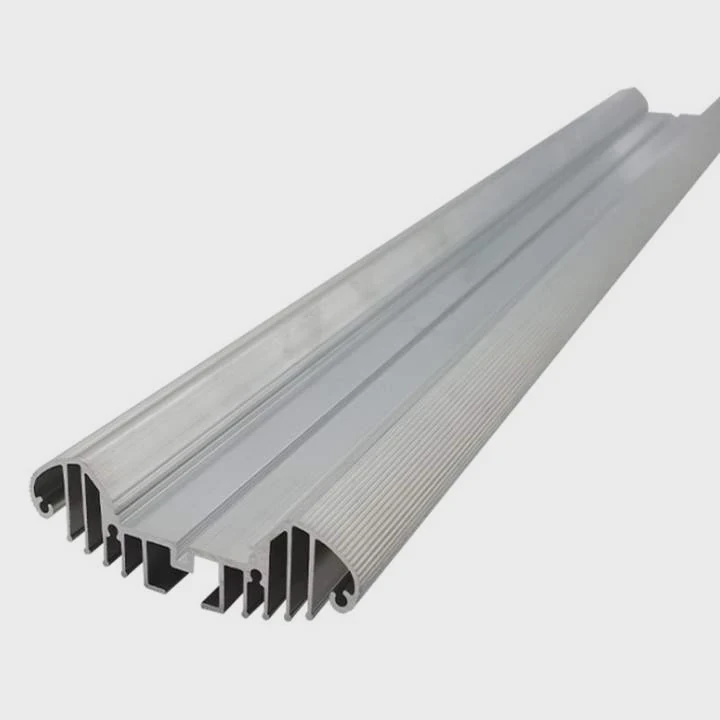
Energy use is now a key design limit in modern systems. Heat sinks are no longer just cooling parts. They are part of energy strategy.
Energy-efficient heat sinks help systems run cooler with less power loss and longer lifetime.
This topic matters because almost every industry now pushes for lower power waste and higher thermal stability.
Do electronics sectors prioritize efficiency?
Energy efficiency is a core requirement in electronics design. Heat sinks directly affect performance, size, and power stability.
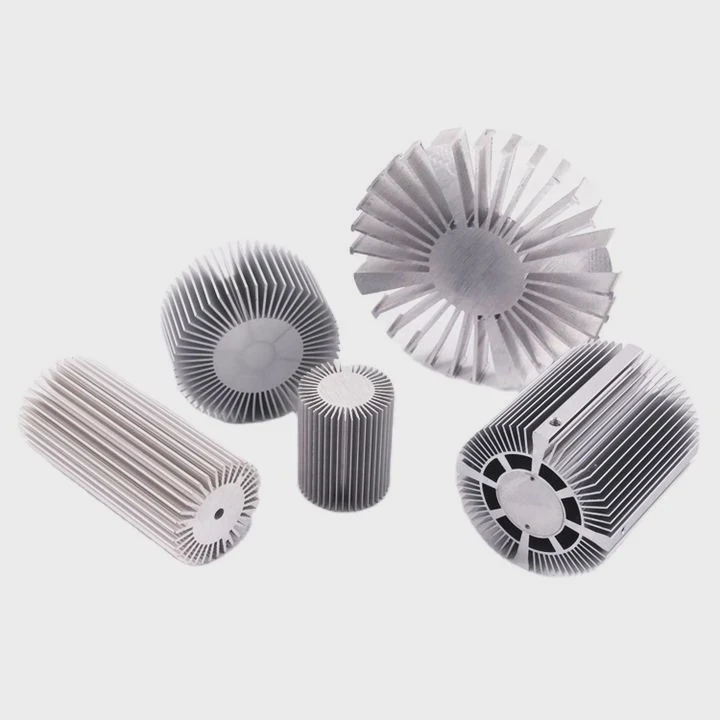
In modern electronics, power density keeps rising. Devices become smaller, but heat output increases. This creates a strong need for efficient thermal design.
Typical electronics applications and efficiency needs
| Application | Heat Source | Efficiency Requirement | Cooling Priority |
|---|---|---|---|
| CPUs & GPUs | High-frequency chips | Very high | Stability + speed |
| 5G base stations | RF power modules | High | Continuous operation |
| LED lighting | Power drivers | Medium | Energy saving |
| Consumer devices | Compact ICs | Medium | Size reduction |
In electronics manufacturing, energy-efficient heat sinks reduce fan usage or even remove the need for active cooling in some cases. This improves reliability and reduces noise.
Dive deeper explanation
Energy-efficient heat sinks in electronics are not only about temperature control. They directly influence system performance limits. When a chip runs cooler, it can maintain higher clock speeds for longer time without throttling. This means efficiency is linked to both energy use and computing performance.
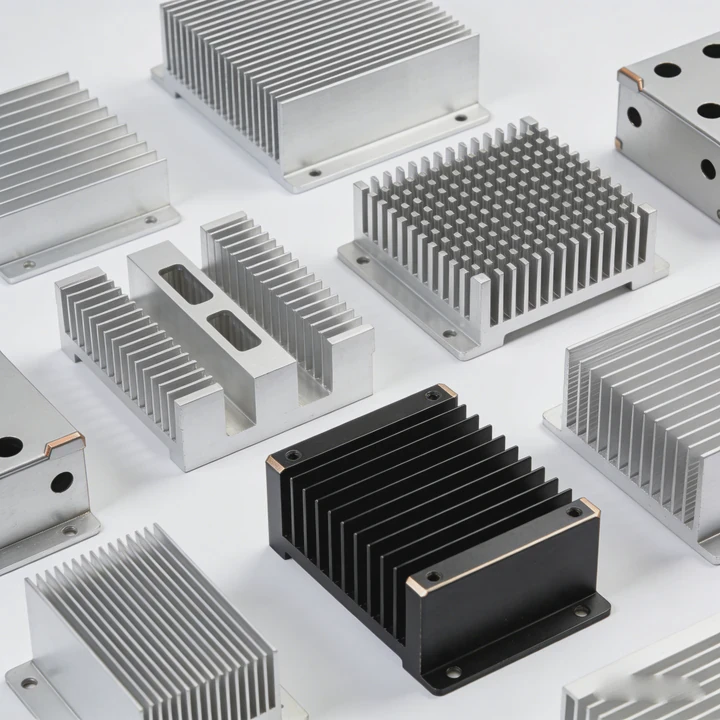
Modern designs focus on reducing thermal resistance. This allows heat to move faster from chip to air. In many cases, aluminum-based structures with optimized fins are used because they provide a balance between weight and conductivity. Copper is sometimes added in critical contact zones to improve heat spreading.
Another important factor is airflow interaction. A heat sink is not working alone. It depends on how air moves through the system. In compact electronics, designers must carefully design fin spacing. Too tight spacing blocks airflow. Too wide spacing reduces surface area. Efficient heat sinks solve this balance problem.
Material selection also plays a role. Lightweight alloys reduce system energy consumption indirectly by reducing fan power needs. Surface treatments such as anodizing improve radiation and corrosion resistance. These improvements may look small, but at scale they significantly improve system efficiency.
In electronics, efficiency is also linked to long-term reliability. Lower operating temperatures reduce component aging. This extends product life and reduces warranty costs. For this reason, electronics sectors consistently prioritize energy-efficient heat sink designs over basic cooling solutions.
Are automotive manufacturers adopting them?
Automotive systems now rely heavily on power electronics. This increases demand for efficient thermal control.
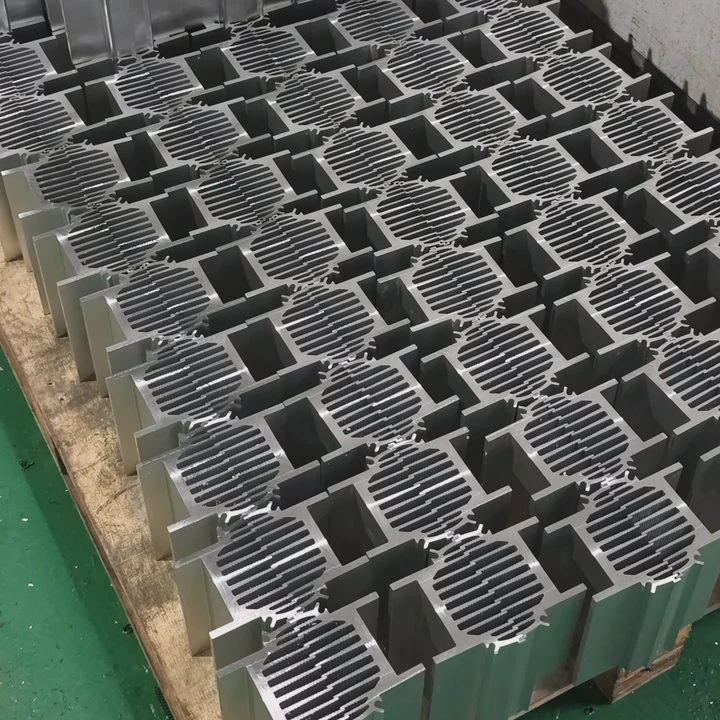
Electric vehicles and hybrid systems generate high heat loads in compact spaces. Heat sinks must be lightweight and efficient.
Key automotive systems using heat sinks
| System | Heat Source | Cooling Challenge | Efficiency Focus |
|---|---|---|---|
| Battery packs | Charge/discharge cycles | Thermal runaway risk | Safety stability |
| Inverters | Power switching | High heat density | Energy loss reduction |
| Onboard chargers | AC/DC conversion | Space limitation | Compact design |
| Motor controllers | High current flow | Continuous load | Reliability |
Automotive manufacturers do not only want cooling. They want predictable thermal behavior under vibration, shock, and long service life.
Dive deeper explanation
In automotive applications, energy-efficient heat sinks are essential because thermal performance directly affects driving safety and energy consumption. Electric vehicles especially rely on power electronics that convert and control energy flow. Every watt of heat loss represents wasted battery energy.
Heat sinks in vehicles must operate under very strict constraints. Space is limited, weight must be reduced, and vibration resistance is required. This forces engineers to design integrated thermal systems rather than standalone cooling parts. Aluminum extrusion structures are widely used because they provide a good balance between weight and thermal conductivity.
Another key factor is thermal cycling. Vehicles constantly move between cold and hot conditions. This creates expansion and contraction stress. Energy-efficient heat sinks must maintain performance under these repeated changes. Poor thermal design can lead to fatigue cracks or interface degradation.
Liquid cooling is also becoming more common in automotive systems. However, even in liquid-cooled systems, heat sinks still play a role in spreading heat evenly before it reaches coolant channels. This improves system efficiency and reduces local hotspots.
Energy efficiency in automotive cooling is also tied to battery range. Better thermal control reduces auxiliary energy consumption. For example, if cooling systems require less electrical power, more energy is available for driving. This is why manufacturers increasingly adopt advanced heat sink structures with optimized fin geometry and hybrid materials.
Can renewable energy applications benefit?
Renewable energy systems depend on power electronics that convert unstable natural energy into usable electricity.
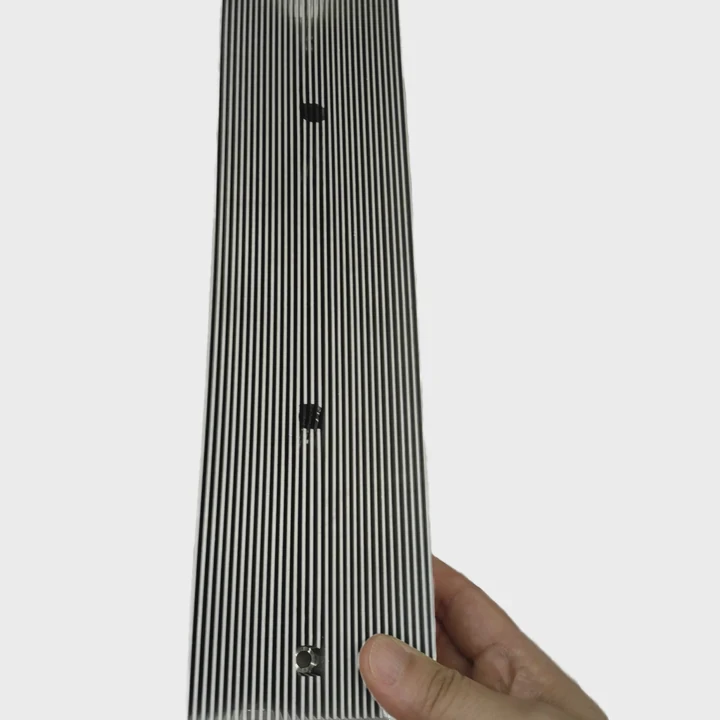
Solar inverters and wind power converters generate continuous heat during operation. Efficient cooling improves energy conversion efficiency.
Renewable energy cooling requirements
| Application | Heat Source | Operating Condition | Cooling Need |
|---|---|---|---|
| Solar inverters | DC/AC conversion | Outdoor exposure | High efficiency + durability |
| Wind turbines | Power converters | Variable load | Stability under fluctuation |
| Energy storage systems | Charge cycles | High current | Safety control |
| Grid converters | Voltage regulation | Continuous operation | Heat stability |
Renewable systems often operate in remote or harsh environments. Maintenance is expensive, so heat sinks must be reliable and long-lasting.
Dive deeper explanation
Energy-efficient heat sinks play a critical role in renewable energy systems because these systems must operate continuously with minimal maintenance. Solar inverters, for example, convert DC power from panels into AC power for the grid. This process generates constant heat, and inefficient cooling reduces overall energy conversion efficiency.
In remote solar farms, heat sinks must handle extreme temperature changes. Daytime heat, nighttime cooling, and seasonal variation create stress cycles. Efficient thermal design ensures stable performance across all conditions. Aluminum-based heat sinks are commonly used due to corrosion resistance and good thermal conductivity.
Wind energy systems face another challenge. Power output changes frequently due to wind variation. This means thermal load is not constant. Heat sinks must respond to dynamic conditions without performance loss. This requires stable thermal resistance and strong structural bonding.
Energy storage systems are even more sensitive. Battery management systems require strict temperature control. If heat is not removed efficiently, battery life shortens and safety risks increase. Energy-efficient heat sinks help distribute heat evenly and reduce peak temperature zones.
Another important factor is maintenance reduction. Renewable systems are often installed in remote areas. Efficient heat sinks reduce the need for active cooling systems like fans, which lowers failure risk. Passive cooling becomes more valuable in these environments.
Which industrial systems need high-performance cooling?
Industrial systems often run at high power levels for long periods. This creates continuous heat loads that must be managed efficiently.
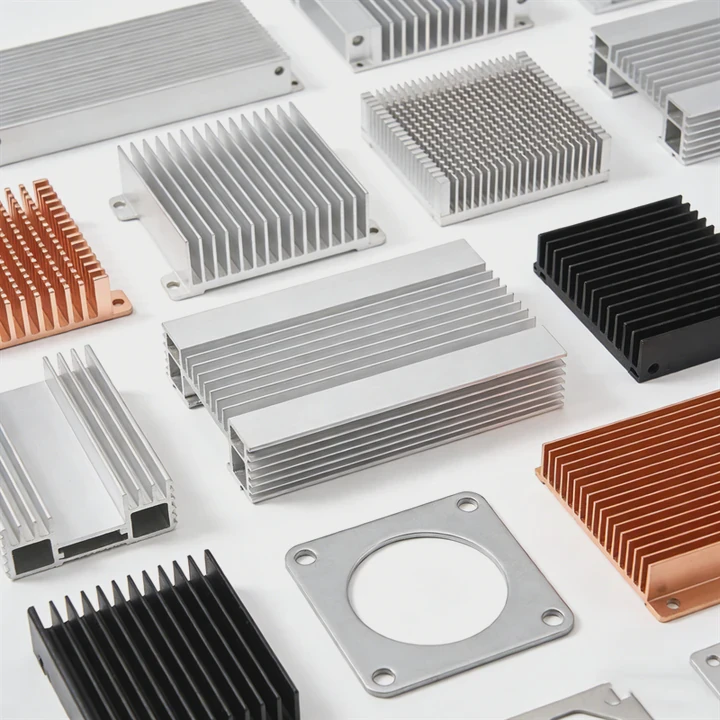
High-performance cooling is not optional in industrial environments. It is required for safety, uptime, and process stability.
Industrial systems and cooling demands
| System Type | Heat Source | Operation Mode | Cooling Requirement |
|---|---|---|---|
| CNC machines | Motors & drives | Continuous | Precision stability |
| Industrial lasers | High energy beams | Pulsed + continuous | Extreme heat control |
| Power supplies | Voltage conversion | 24⁄7 operation | Reliability |
| Automation systems | Control units | Real-time processing | Stable output |
Industrial systems often fail if temperature rises beyond safe limits. This makes thermal design part of system safety engineering.
Dive deeper explanation
Industrial systems require the highest level of thermal stability because they operate under continuous load conditions. Unlike consumer devices, industrial machines cannot afford downtime. A failure in cooling can stop production lines and cause financial loss.
High-performance heat sinks in industrial systems are designed for both steady-state and peak-load conditions. For example, CNC machines generate heat from motors and drives during long machining cycles. If heat is not controlled, mechanical accuracy decreases. This leads to product defects and wasted material.
Laser systems are even more sensitive. They generate intense localized heat. Efficient heat sinks must quickly spread and remove heat to avoid damage to optical components. In these systems, copper-aluminum hybrid structures are often used to improve heat spreading efficiency.
Power supply systems in factories also require stable cooling. These systems run continuously and must maintain constant voltage output. Any thermal fluctuation can affect electrical stability. Energy-efficient heat sinks reduce thermal resistance and help maintain stable output conditions.
Automation systems rely on real-time control units. These units must operate without delay. Overheating can cause signal delay or system reset. Efficient cooling ensures consistent signal processing performance.
Industrial environments also require long service life. Heat sinks must resist corrosion, vibration, and dust. This is why surface treatment and structural reinforcement are important. Energy-efficient designs in industry are not only about saving power but also about ensuring long-term operational reliability.
Conclusion
Energy-efficient heat sinks are widely preferred in electronics, automotive, renewable energy, and industrial systems because they improve performance, safety, and long-term reliability across all high-heat applications.